Sweetness is one of the most misunderstood parts of wine because the word carries baggage from outside the glass. Many drinkers use sweet to mean cheap, simple, fruity, soft, ripe, easy, or unserious. Others avoid the word so strongly that they miss some of the most balanced and useful bottles on the table. The confusion is understandable. Wine can smell like peaches and still be dry. A dry red can taste almost sweet because the fruit is ripe and the alcohol is warm. A lightly sweet Riesling can finish cleaner than a heavy dry white because acidity keeps it moving.
The first step is to separate actual sugar from the impression of sweetness. Actual sweetness comes from residual sugar, the grape sugar left in the finished wine after fermentation stops or is interrupted. The impression of sweetness can come from fruit aroma, oak, alcohol, glycerol, low acidity, or a soft texture. Those impressions matter, but they are not the same thing. If Wine Structure: Acidity, Tannin, Body, Sweetness, Alcohol, and Finish gives you the larger tasting frame, this guide focuses on the one structure that people most often misread.
Dry means little sugar, not little flavor
A dry wine is a wine where fermentation has converted most of the grape sugar into alcohol. That does not mean the wine tastes severe, thin, or flavorless. Dry wines can be aromatic, plush, creamy, floral, smoky, tropical, earthy, or deeply fruity. The word dry tells you about sugar level, not ambition or pleasure.
This is why a dry Gewurztraminer can smell like lychee and roses without being sweet, and why a dry Zinfandel can taste like ripe blackberry jam while still having little residual sugar. The brain is trained by food to connect fruit aromas with sweetness. Wine complicates that connection because smell and sugar travel separately. A glass can smell sweet before the palate proves otherwise.
To test dryness, pay attention after the first burst of aroma. Actual sugar usually leaves a soft, lingering sweetness on the front and middle of the tongue. Fruitiness tends to appear through smell and flavor but may finish clean. Alcohol warmth can imitate sweetness, especially in richer reds, but it often leaves heat rather than a sugary coating. Oak can suggest vanilla, coconut, caramel, or baking spice, which can make a dry wine seem sweeter than it is. The useful question is not “Does this smell sweet?” but “Does sweetness remain after I swallow?”
Off-dry is a balancing tool
Off-dry wines sit in the middle ground. They contain a small but noticeable amount of residual sugar, enough to round sharp edges, carry aroma, or calm heat in food, but not necessarily enough to feel like dessert. This category can be hard for beginners because it asks for nuance. A wine can be technically off-dry and still taste refreshing. Another can have only a little sugar and feel heavy if the acidity is low.
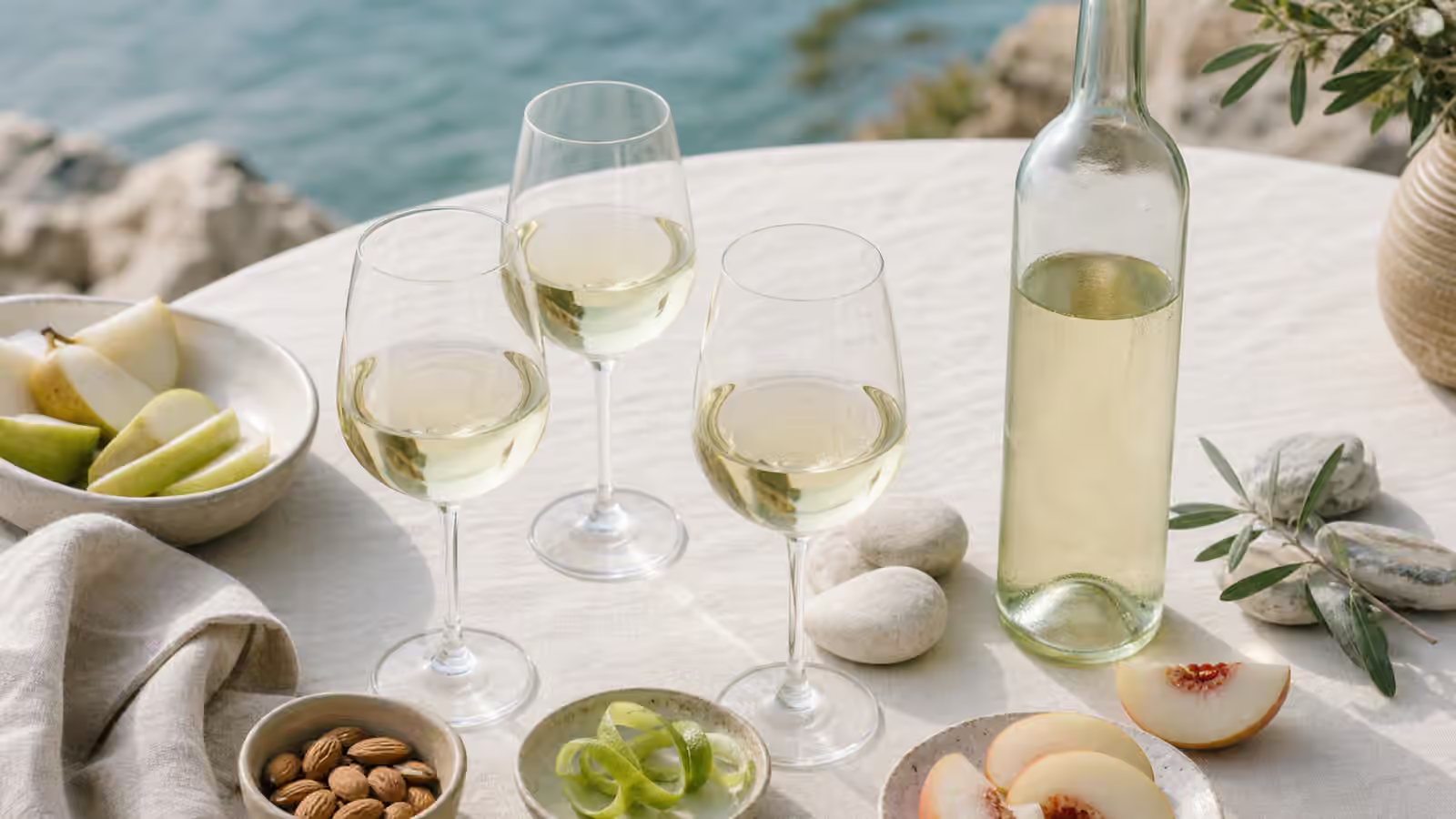
Riesling is the classic teaching grape because it can make every sweetness level feel deliberate. A dry Riesling may feel razor-bright and stony. An off-dry Riesling may carry peach, lime, flowers, and a gentle sweetness that disappears into acidity. A sweeter version may still feel energetic because Riesling naturally holds acid so well. Chenin Blanc, Moscato, Vouvray, some German and Austrian whites, certain sparkling wines, and many aromatic regional bottles can teach the same lesson.
The point of off-dry wine is not to hide a flaw. It is to create balance. Sugar softens acidity, supports aroma, and helps a wine feel complete when the grape or region produces sharp edges. In food pairing, a touch of sweetness can also make the wine more flexible. Spicy dishes, salty snacks, aromatic herbs, ginger, chile, and fried foods often respond better to off-dry wine than to a very dry, high-alcohol bottle. The pairing logic in Pairing Wine with Modern Foods becomes easier once sweetness is treated as structure rather than a moral category.
Acidity decides whether sweetness feels fresh
Sweetness without acidity can feel flat, heavy, or sticky. Acidity without any cushioning can feel sharp. When the two balance each other, wine gains tension. That tension is the reason many sweet and off-dry wines feel more refreshing than expected. It is also why a dry wine with low acidity can seem softer and sweeter than a wine that actually contains more sugar.
Imagine lemon juice and honey. Honey alone is rich and sweet. Lemon juice alone is sharp. Together, they create movement. Wine works in a similar way, though the details are more complex. A lightly sweet wine with strong acidity can leave the mouth watering after the sugar fades. A low-acid sweet wine may taste pleasant for a sip and then become tiring. A high-acid dessert wine can feel luminous because the sweetness gives it weight while the acidity keeps lifting it.
This is the secret behind serious dessert wine as well. The Dessert Wine That Changed Dinner is not really a story about sugar for sugar’s sake. It is about sweetness held in place by acidity, concentration, salt, cheese, and time. The same pattern appears in Sauternes, Tokaji, late-harvest Riesling, ice wine, and many fortified styles. The wine is sweet, but the best examples are not merely sweet. They have architecture.
Labels give clues, but not always in the same language
Some labels state sweetness plainly. Others use regional terms, style names, or no clear signal at all. Sparkling wine labels may use words such as brut, extra dry, sec, demi-sec, or doux, but those terms do not always mean what ordinary English suggests. German labels may communicate ripeness or style in ways that require local knowledge. Vouvray, Chenin Blanc, and Riesling can range from dry to sweet under labels that may not be obvious at first glance. New World bottles are sometimes clearer, but not always.
This is where context matters. A wine’s region, grape, alcohol percentage, and back-label language can all help. Very low alcohol in a still white may suggest that fermentation stopped before all the sugar became alcohol, though this is only a clue, not proof. Words like dry, off-dry, medium dry, late harvest, doux, demi-sec, moelleux, sweet, or dessert wine may tell you more directly. The label-reading habit in Reading Wine Labels Without Panic is useful here because sweetness is rarely the only clue you need. You are also reading for place, producer, style, alcohol, and intended use.
When a label is unclear, ask the question directly. “Is this dry or off-dry?” is a normal wine-shop question. So is “Does this taste sweet, or just fruity?” In a restaurant, the same question can save a pairing. Wine people sometimes forget how slippery these words are, but a good answer should translate the bottle into plain sensory terms.
Sweetness changes with temperature and glass context
Serving temperature can push sweetness forward or pull it back. Very cold wine can hide aroma and make sweetness seem simpler. Warmer wine can make sugar, alcohol, and ripe fruit feel louder. This is especially noticeable in aromatic whites and dessert wines. A lightly sweet white served too warm can feel broad and sugary. The same wine with a proper chill may taste crisp, floral, and balanced.
The goal is not to freeze sweetness into silence. It is to keep the wine in proportion. Off-dry whites usually benefit from a firm chill at first, then a little warmth in the glass. Dessert wines often need enough coolness to keep their richness clean. Sweet fortified wines can become heavy if served warm, while dry Sherry and many aperitif styles need a stronger chill. The practical advice in Serving Temperature and Decanting applies here because sweetness is one of the first structures to feel clumsy when temperature is off.
Glass context matters too. A small pour of sweet wine can feel elegant. A large pour can feel tiring because sugar, alcohol, and concentration accumulate quickly. With dinner, sweetness may shrink beside salty or spicy food. Beside a very sweet dessert, the same wine may suddenly taste less sweet and more acidic. Wine never lands in a vacuum. The table changes the reading.
Food is where sweetness becomes practical
Sweetness is one of the most useful pairing tools because it can do things dry wine struggles to do. It can soothe chile heat, echo fruit sauces, answer salt, soften bitterness, and make blue cheese taste less severe. It can also fail dramatically when the food is sweeter than the wine. A wine that tastes gently sweet by itself can seem thin and sour beside a sugary dessert. This is why dessert pairings usually need the wine to be at least as sweet as the dish, often sweeter.
For savory food, the rule is more flexible. Off-dry Riesling with Thai or Sichuan-inspired flavors works because sugar calms heat while acidity refreshes the mouth. A lightly sweet sparkling wine can handle salty snacks because bubbles and acidity keep the finish lively. A sweet wine with blue cheese works because salt and moldy tang give the sugar something to push against. A rich fortified wine with dark chocolate can succeed when the wine has enough weight, sweetness, and warmth to stand beside the chocolate rather than disappear.
The mistake is treating sweetness as an emergency tool for dessert only. A little sugar can be part of an ordinary dinner bottle. It can make a wine more useful, not less serious. The question is always balance. Is there enough acidity? Does the sweetness fit the food? Does the finish stay clean? Does the wine make you want the next bite?
Practice with contrast
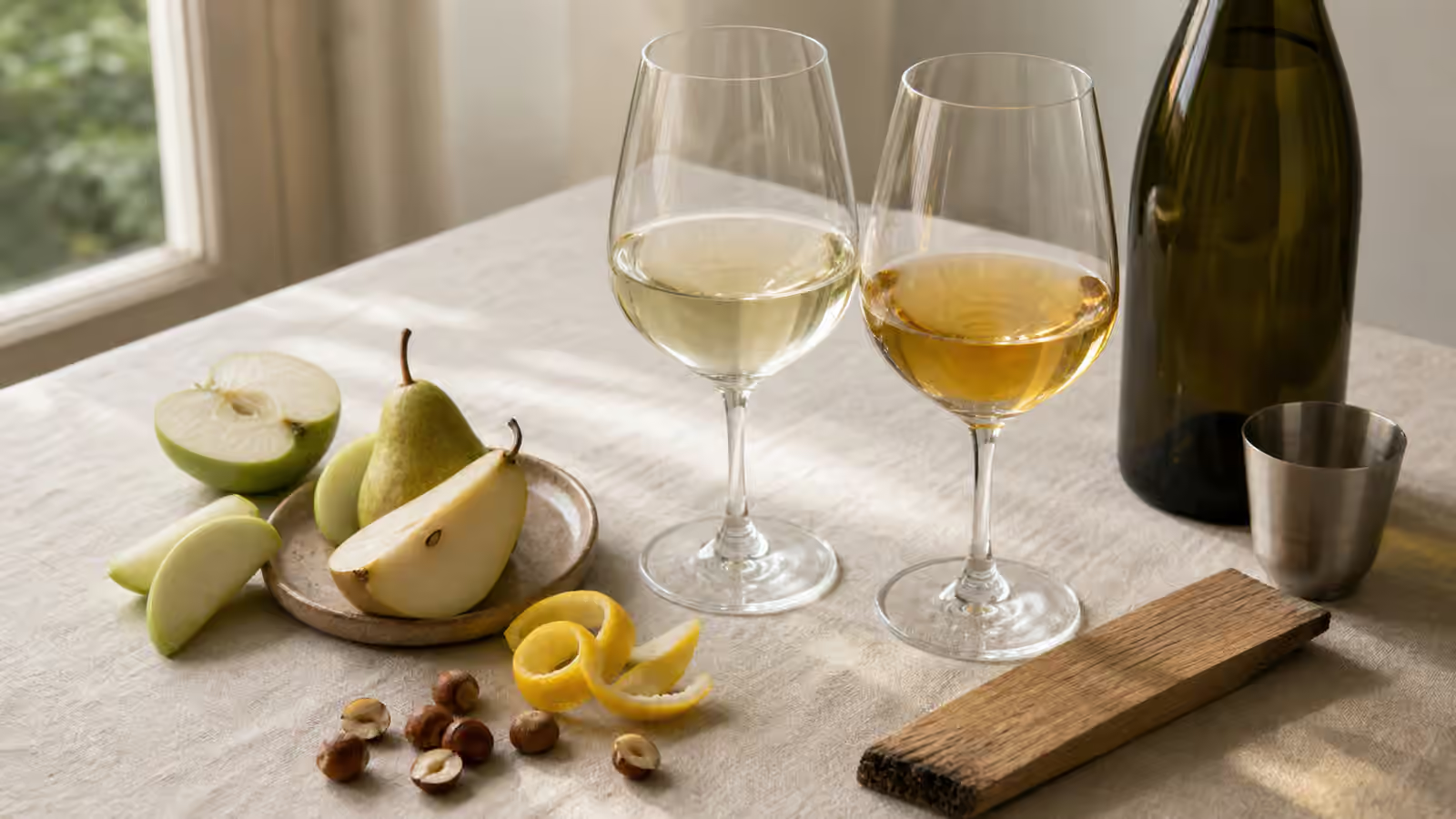
The fastest way to learn sweetness is to taste contrasts rather than definitions. Pour a dry Riesling beside an off-dry Riesling. Taste a fruity dry red beside a genuinely sweet red or fortified wine. Compare a dry sparkling wine with a demi-sec style. Try a dry Chenin Blanc beside a richer, sweeter version. If you set the glasses side by side, the difference between fruit aroma and residual sugar becomes much easier to feel.
A small home flight works well here because one glass can correct the assumptions created by another. How to Build a Wine Flight at Home gives the general setup, but the sweetness version should stay simple. Keep pours small, use similar glasses, serve the wines cool enough to show balance, and taste before adding food. Then try a salty bite, a spicy bite, and something mildly sweet. The wines will change roles at the table.
Over time, the word sweet becomes less blunt. You may find that you dislike low-acid sweetness but enjoy off-dry wines with energy. You may discover that fruitiness, not sugar, is what you meant when you asked for something sweet. You may realize that a wine you thought was too sweet becomes precise with the right food. That is the point: not to force your palate into a category, but to make the category accurate enough that your next bottle is chosen with intent.