
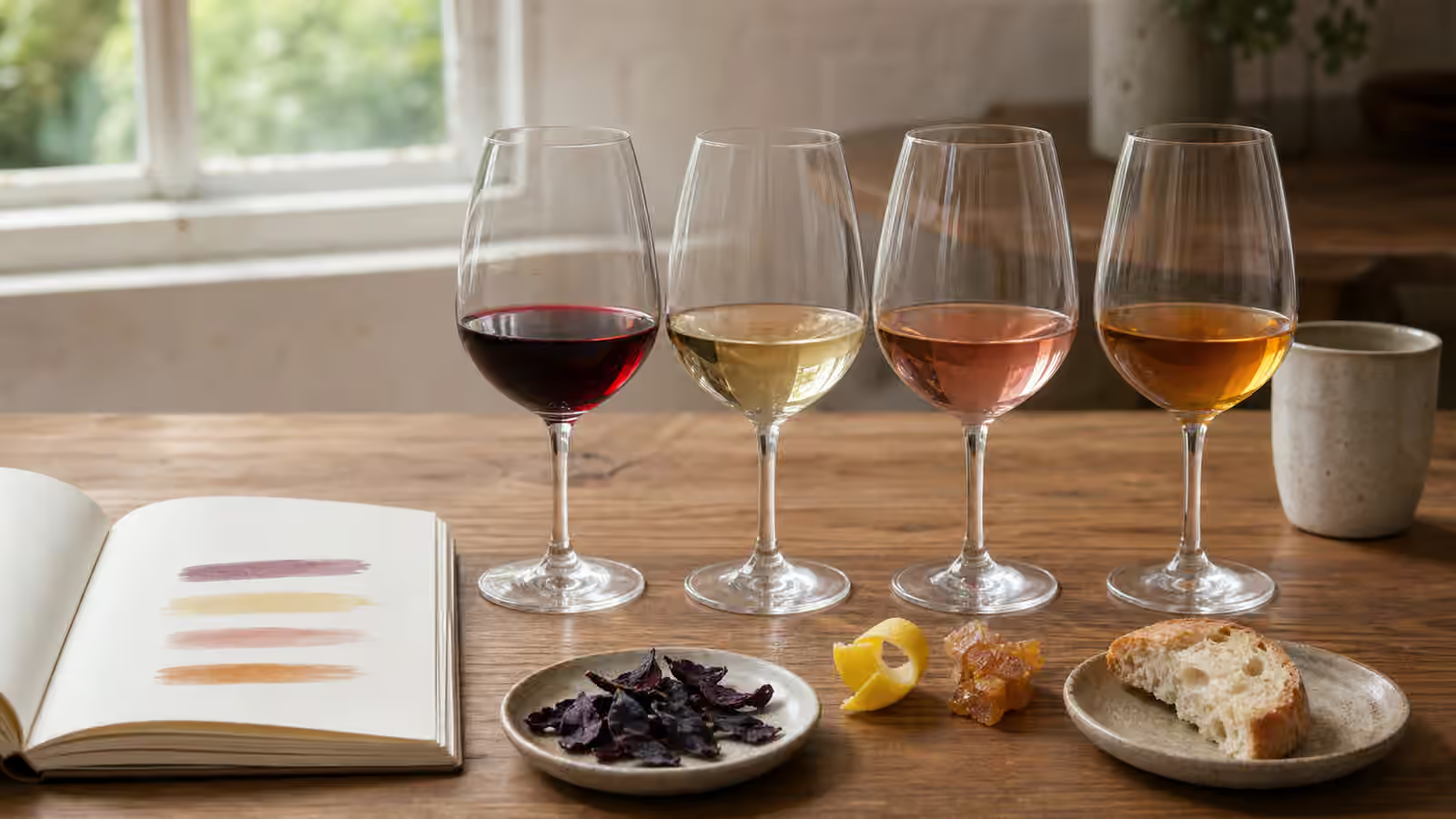
Flavor words get most of the attention in wine. People remember blackberry, lemon, roses, vanilla, tobacco, and wet stone because those words sound vivid. They are useful, but they are not the foundation. The foundation is structure: the parts of a wine that shape how it feels, how it moves across the palate, how it works with food, and how much you want another sip.
If Wine Tasting 101 teaches you how to pay attention, structure teaches you what to pay attention to first. A wine can smell like cherries and still feel thin. It can smell quiet and then turn powerful on the palate. It can be sweet but balanced because acidity keeps it alive. It can be dry but feel round because alcohol and texture give it weight. Once you learn acidity, tannin, body, sweetness, alcohol, and finish, wine becomes less like a vocabulary test and more like reading the shape of a room.
Start with mouthfeel before aroma
A useful tasting habit is to name the physical impression before reaching for fruit. After a small sip, ask what the wine is doing in your mouth. Does it make you salivate? Does it dry your gums? Does it feel light and quick, or broad and coating? Does it leave warmth in the chest? Does the flavor disappear immediately, or does it keep echoing?
Those questions are less romantic than aroma notes, but they are more reliable. People disagree about whether a wine smells like raspberry or cherry. They usually agree more easily that it is high in acid, low in tannin, full-bodied, gently sweet, or short on the finish. Structure is also what connects tasting to practical decisions. If you can say that a red is medium-bodied with bright acidity and gentle tannin, you can imagine it with roast chicken, mushrooms, or tomato-based pasta. If you can say that a white is full-bodied, low in acid, and marked by oak, you know it may prefer richer food and a slightly warmer serving temperature.
This is why structure matters when buying. How to Buy Wine Without Guessing becomes much easier when your request sounds like a shape rather than a brand search. “I want a crisp white with high acidity and no obvious oak” gives a wine shop employee something concrete to work with. So does “I want a red with some grip, but not something massive.” You are not proving expertise. You are giving coordinates.
Acidity is the engine
Acidity is the mouth-watering part of wine. It is the reason a Sauvignon Blanc can feel electric, a Chianti can brighten tomato sauce, and a Riesling can carry sweetness without becoming heavy. When acidity is high, your mouth usually waters after you swallow. The wine may feel crisp, sharp, fresh, linear, or lifted. When acidity is low, the wine may feel softer, rounder, broader, or flatter, depending on the rest of the structure.
The easiest way to notice acidity is to ignore flavor for a moment and watch your saliva response. Take a sip, swallow, then wait. If your mouth waters quickly along the sides of your tongue and cheeks, acidity is present. A lemony flavor can suggest acidity, but flavor and structure are not the same thing. A wine can taste like ripe yellow apple and still have strong acidity. Another can taste like citrus candy but feel soft if the actual acid is modest.
Acidity gives wine momentum. It keeps a glass from feeling static. It also explains many successful pairings because acid cuts through fat, refreshes the palate, and matches foods that have their own brightness. Goat cheese, fried foods, vinaigrettes, tomato sauces, seafood, and creamy dishes often improve with a wine that has enough acid to reset the mouth between bites. That is the same logic running through Pairing Wine with Modern Foods , where balance matters more than memorized pairings.
Temperature can hide or exaggerate acidity. A white served very cold may taste all edge and little aroma. The same wine, a few minutes warmer, may show fruit and texture around that acid. A red served too warm can lose its freshness and seem heavy. The practical ranges in Serving Temperature and Decanting are useful because acidity is one of the first structures to change in perception as the glass warms.
Tannin is grip, not bitterness alone
Tannin is the drying, gripping sensation most associated with red wine. It comes mainly from grape skins, seeds, stems, and sometimes oak. If a wine makes your gums, cheeks, or the inside of your lips feel dry, you are noticing tannin. It can feel like black tea, walnut skin, or the slight roughness of biting into grape skins. It is not the same as bitterness, though the two can appear together.
Tannin gives red wine shape. A low-tannin red such as many Gamay or softer Pinot Noir bottlings may feel silky and easygoing. A high-tannin Cabernet Sauvignon, Nebbiolo, Syrah, or young Bordeaux-style blend may feel firm, drying, and structured. Neither is automatically better. The question is whether the tannin fits the fruit, acidity, alcohol, and intended use of the wine.
Food changes tannin dramatically. Protein, fat, and salt can make tannin feel less severe, which is why a structured red may seem stern alone and generous with grilled meat, lentils, mushrooms, aged cheese, or a deeply browned dish. The wine has not changed, but the context has. This is one reason very tannic reds can be disappointing as casual sippers and excellent at a table.
Tannin also helps explain aging potential, though it is not the whole story. A wine built for time usually needs more than tannin; it also needs concentration, acidity, balance, and a track record of developing well. Still, tannin acts like scaffolding in many age-worthy reds. Over time, the perception of tannin can soften as aromas move from fresh fruit toward dried fruit, earth, spice, leather, or savory notes. That is part of the distinction in Aging vs. Drinking Now : some wines are structured for patience, while others are most charming in youth.
Body is weight and presence
Body is the weight of wine on the palate. Light-bodied wines feel quick, fresh, and relatively delicate. Full-bodied wines feel broader, richer, and more mouth-coating. Body comes from several things working together, especially alcohol, extract, sweetness, glycerol, oak influence, lees contact, and ripeness. It is not a measure of quality. It is closer to texture.
Milk is a useful analogy because skim milk, whole milk, and cream differ in body even before flavor enters the conversation. In wine, a light Muscadet, Vinho Verde, or Pinot Grigio may feel like it moves quickly and leaves the mouth clean. A fuller Chardonnay, Viognier, or warm-climate red blend may feel more rounded and sustained. A wine with high acidity can still have medium or full body, and a wine with low acidity can still be light, so body should be judged by weight rather than brightness.
Body is one of the easiest structures to use at dinner. Light food usually wants a lighter wine, not because rules demand it, but because a heavy wine can flatten delicate food. Rich food can make a thin wine seem even smaller. This does not mean every pairing has to match perfectly. Contrast can be beautiful. A crisp, light wine with fried food works because acidity supplies relief. But when a pairing feels awkward, mismatched body is often part of the problem.
Winemaking choices affect body in ways labels sometimes reveal. Oak, lees aging, malolactic fermentation, skin contact, and vessel choice can all change texture. The guide to Oak, Steel, Lees, and Skin Contact is useful once you start asking why one Chardonnay feels lean and another feels creamy, or why one rose feels delicate while another has real grip.
Sweetness needs acidity to feel balanced
Sweetness in wine can be obvious, subtle, or hidden by other structures. A dessert wine announces sweetness clearly. An off-dry Riesling or Chenin Blanc may carry enough sugar to soften the edges but still taste refreshing. A dry red with high alcohol and ripe fruit can seem sweet even when it has little or no residual sugar. This is why tasters sometimes confuse fruitiness, ripeness, oak, and alcohol warmth with actual sweetness.
To test sweetness, pay attention to where the impression lands. Actual sweetness usually appears on the front of the tongue and remains after swallowing. Fruitiness is more aromatic and can vanish quickly. Alcohol warmth can give a sweet impression but often shows up as heat rather than sugar. Oak can suggest vanilla, coconut, caramel, or baking spice, which the brain may read as sweet even in a dry wine.
Sweetness becomes graceful when acidity keeps it in motion. That is the reason great sweet wines can be thrilling rather than syrupy. It is also why lightly sweet wines work so well with spicy food, salty cheeses, and dishes that combine heat, fat, and aromatics. Sugar soothes and rounds; acidity refreshes and lifts. When both are present, the wine can feel complete.
The useful habit is to avoid treating sweet as a status word. Sweetness is a structural choice, not a maturity test. Some of the most serious wines in the world contain meaningful sugar, and some dry wines are simple or dull. Ask whether the sweetness is balanced, whether the finish stays clean, and whether the wine makes sense with the moment in front of it.
Alcohol is warmth, volume, and balance
Alcohol gives wine body, warmth, and sometimes a sense of sweetness. In a balanced wine, it supports the structure without drawing attention to itself. In an unbalanced wine, it can smell hot, taste sharp, or leave a burning impression after the swallow. The number on the label gives a clue, but perception matters more than the printed percentage because acidity, tannin, sweetness, temperature, and serving context all change how alcohol feels.
Warm serving temperatures make alcohol more obvious. A full-bodied red that seems boozy at room temperature may settle down after a short chill. A rich white that feels heavy may regain shape when served cooler. This is not a trick; it is basic perception. Aromas and alcohol volatility shift with temperature, and the balance of the wine changes in the glass.
Alcohol also changes pairing. High-alcohol wines can overwhelm delicate dishes and can feel harsh with chili heat. Lower-alcohol wines often feel more refreshing with lunch, seafood, salads, or spicy food, though they still need enough flavor and structure to hold the table. The goal is not to chase the lowest or highest number. The goal is to notice when warmth helps a wine feel generous and when it starts to dominate.
Finish is the final report
Finish is what remains after you swallow or spit. It includes flavor, texture, heat, bitterness, sweetness, acidity, tannin, and the general impression of balance. A long finish is not automatically great if what lingers is unpleasant. A short finish is not a crime in a simple, fresh wine meant for easy drinking. Still, finish is one of the clearest places to judge whether a wine holds together.
A good finish feels connected to the rest of the wine. If the wine begins with bright fruit and acidity, the finish might leave citrus peel, salt, or a clean herbal snap. If it begins as a structured red, the finish might leave dark fruit, tea-like tannin, spice, and a slow savory echo. A troubled finish can reveal problems that aroma hides: excessive heat, hollow fruit, harsh bitterness, clumsy sweetness, or tannin that feels detached from everything else.
Finish is also where faults and serving issues often become clearer. A corked wine may smell muted and then end abruptly. An oxidized wine may leave tired apple, stale nuts, or bitterness instead of freshness. A reductive wine may improve with air, which is why the guide to When Wine Smells Off separates fixable first impressions from real damage. Structure does not replace fault awareness, but it gives you a calmer way to describe what is wrong.
Put the pieces together
The best tasting note is often a simple structural sentence. A wine might be “high-acid, light-bodied, dry, low-tannin, and clean on the finish.” Another might be “full-bodied, warm, ripe, moderately tannic, and short.” Those sentences are plain, but they tell you how the bottle behaves. From there, aroma words can add color without carrying the whole note.
Practice with contrasts. Taste a crisp white beside a fuller white. Taste a low-tannin red beside a firmer one. Taste an off-dry Riesling beside a dry Sauvignon Blanc. Taste the same red slightly cool, then warmer, and notice how alcohol, tannin, and fruit shift. You do not need to make the exercise formal. A few honest comparisons will teach structure faster than memorizing region charts.
Once structure becomes familiar, wine feels more generous. You can describe a bottle without pretending to smell a dozen fruits. You can tell a shop what you want. You can adjust temperature with purpose. You can choose food pairings by feel. Most importantly, you can trust your own experience because you are no longer asking whether your aroma vocabulary is impressive. You are asking a better question: does this wine have a shape that works?


