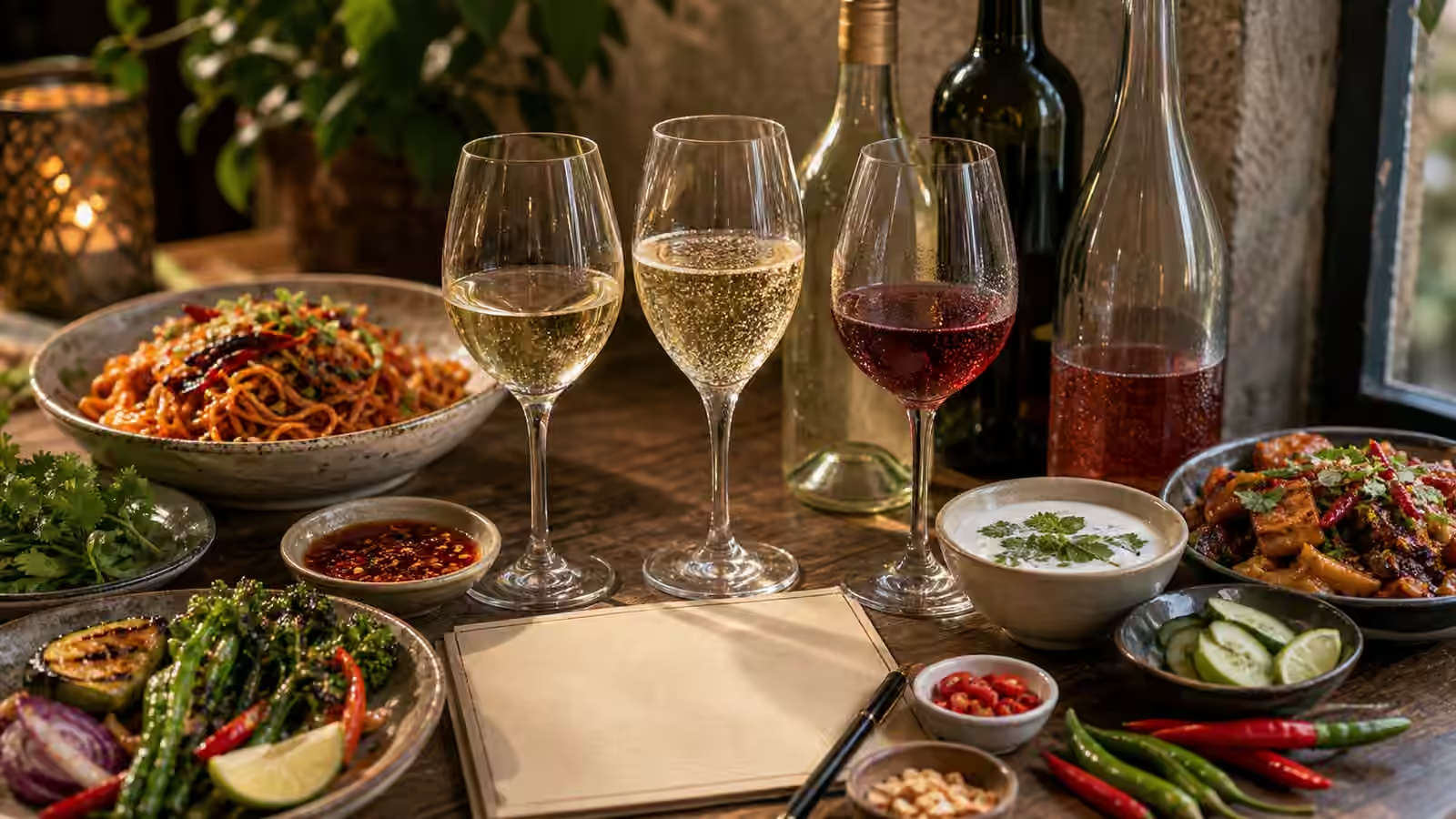
Vegetarian and plant-based cooking can make wine pairing feel harder than it should because so much old pairing language is built around meat. Red wine with steak, white wine with fish, Port with blue cheese: the examples are familiar, but they leave out the way many people actually eat. A table of roasted mushrooms, lentils, grilled vegetables, citrusy salad, beans, herbs, chile, tahini, tofu, noodles, and grains needs a different vocabulary.
The good news is that wine does not pair with a moral category or a protein label. It pairs with weight, fat, salt, acid, sweetness, bitterness, spice, cooking method, and sauce. Once you read those features, vegetarian food becomes one of the most flexible places to drink well. Pairing Wine with Modern Foods gives the broad logic. This guide applies it to meals where vegetables, legumes, grains, dairy, eggs, or plant-based proteins carry the plate.
Match the dish’s weight before the ingredient list
The first question is how heavy the dish feels. A raw fennel and citrus salad needs a different wine from mushroom ragout on polenta, even if both are vegetarian. Light food usually wants light or medium-bodied wine with freshness. Rich food can handle more body, texture, oak, or tannin. A delicate wine can disappear beside smoked eggplant, tahini, and roasted garlic. A powerful red can crush spring vegetables, fresh herbs, and lemon.
Cooking method often matters more than the vegetable itself. Steamed carrots and roasted carrots are not the same pairing problem. Grilling, roasting, charring, frying, and braising create sweetness, smoke, bitterness, and deeper umami. Those flavors can bring rose, orange wine, savory whites, and lighter reds into play. Raw or lightly cooked vegetables often need sharper acidity, lower alcohol, and less oak because the food is fresh, green, and quick on the palate.
Think about the center of gravity. A tomato and basil salad points toward bright acidity and clean fruit. A chickpea stew with cumin, paprika, and olive oil needs more texture and spice tolerance. A squash risotto or creamy cauliflower puree may want a white with body and acid rather than a thin, neutral wine. The grape name is secondary. Wine Structure gives the better starting point because structure is what meets the food.
Acidity is the vegetarian table’s best tool
Many vegetable dishes need acidity because they already carry freshness, bitterness, or oil. Wine with good acidity can cut through olive oil, butter, tahini, coconut milk, avocado, fried batter, and rich cheese. It can also echo lemon, vinegar, yogurt, pickles, and tomatoes without tasting dull. Low-acid wine beside a vinaigrette can feel flat and sweet, while high-acid wine can make the same salad feel sharper and more complete.
Sauvignon Blanc, Riesling, Chenin Blanc, Albarino, Vermentino, dry sparkling wine, many roses, lighter Italian reds, Loire Cabernet Franc, Gamay, cool-climate Pinot Noir, and many unoaked whites can all be useful because they refresh the mouth. The point is not to memorize a list. The point is to notice how the wine behaves after oil, salt, and acid. If the next bite sounds appealing, the pairing is working.
Tomatoes are a good test. Their acidity can make soft, low-acid reds taste dull or metallic. A bright rose, a crisp white, a fresh red with moderate tannin, or a savory orange wine may do better. Leafy greens with lemon need the same respect. Asparagus, artichokes, and bitter greens can be difficult because they make some wines seem sweet, metallic, or harsh. High-acid whites, dry sparkling wines, and lighter savory wines usually handle them more gracefully than heavy oak or high alcohol.
Umami wants fruit, freshness, or savory depth
Mushrooms, soy sauce, miso, seaweed, aged cheese, tomatoes, roasted onions, browned butter, fermented beans, and long-cooked lentils bring umami. Umami can make tannic reds seem drier and more bitter if the dish lacks fat or salt. That is why a stern Cabernet may not be the best choice for a mushroom dish unless the preparation is rich enough to cushion it. A lighter red with freshness, a savory white, or a wine with earthy notes can feel more coherent.
Mushrooms are especially wine-friendly when you pair them by preparation. Sauteed mushrooms with herbs and butter can work with Pinot Noir, Gamay, Cabernet Franc, Nebbiolo in a gentler form, or textured Chardonnay. Mushroom risotto can handle white Burgundy-style Chardonnay, Chenin Blanc, Champagne, or a lighter red if the dish has enough depth. Grilled portobello with smoke and char can take a darker, more structured red, especially if there is cheese, beans, or a rich sauce.
Beans and lentils often need freshness more than power. Their texture is dense, but their flavor can be earthy and quiet unless spices or tomato sauce lead the dish. A bright red, a dry rose, a savory white, or an off-dry white with spice can work better than a massive wine. If the dish includes smoked paprika, cumin, harissa, chipotle, or chile oil, alcohol and tannin can become more aggressive. In that case, lower alcohol and a touch of sweetness may help.
Spice, heat, and herbs change the rules
Plant-based food often uses spice with confidence. Chile heat, ginger, curry pastes, fermented sauces, fresh herbs, garlic, and citrus can make a pairing vivid, but they can also expose the wrong wine quickly. High alcohol can amplify heat. Heavy tannin can feel bitter with chile. Big oak can fight with fresh herbs. A wine that seems generous by itself may become clumsy beside a spicy dish.
Off-dry Riesling, lightly sweet Chenin Blanc, aromatic whites, sparkling wines, and juicy low-tannin reds can be excellent because they refresh rather than compete. Wine Sweetness explains why a little residual sugar is not a flaw in this context. It can buffer heat, carry aroma, and let salt and spice feel more detailed. Dry wines can also work, especially when they have bright acidity and moderate alcohol, but the hotter the food gets, the more useful sweetness becomes.
Herbs need a different touch. Basil, mint, cilantro, dill, parsley, tarragon, and chives often prefer wines with brightness and aromatic lift. Sauvignon Blanc can be excellent with green herbs, but it is not the only option. Vermentino, Gruner Veltliner, dry Riesling, Albarino, and fresh rose can all find the herbal line. Dried herbs, rosemary, thyme, sage, and oregano can invite more savory reds or whites with texture, especially when roasting or grilling adds depth.
Cheese, eggs, and creamy textures ask for balance
Vegetarian cooking often uses cheese, eggs, cream, butter, or yogurt to add richness. These ingredients change the pairing because fat softens acidity and tannin, while salt makes wine feel brighter and fruitier. Goat cheese with a crisp white is a classic because acidity meets tang. Aged hard cheese can handle more tannin and structure because salt and fat make the wine feel less severe. Creamy dishes need acidity so the pairing does not become heavy.
Eggs are trickier. Their sulfurous quality can make some reds taste metallic or awkward. Sparkling wine is often useful because bubbles and acidity clean the palate. Crisp whites and dry roses can also work, especially with herbs, vegetables, or cheese. A rich quiche with mushrooms and Gruyere has more room for Chardonnay, Chenin Blanc, or light red than a simple soft scramble does.
If the meal is fully plant-based, texture still matters. Cashew cream, coconut milk, tahini, olive oil, avocado, and nut sauces all create richness. They usually need acidity, bubbles, salt, or aromatic lift. Coconut-based curries can be beautiful with Riesling or Gewurztraminer when the wine has enough acidity. Tahini and lemon can work with crisp whites, dry rose, or savory orange wine. Nutty grain bowls may pair with Chenin Blanc, dry Sherry styles, or light earthy reds depending on the sauce.
Tannin needs fat, salt, or depth
Tannin is not banned from vegetarian pairing, but it needs a reason to be there. Firm tannin loves protein and fat because they soften the drying sensation. Without those buffers, tannin can make vegetables taste bitter and make the wine feel harsh. This is why a very structured red may stumble with a plain vegetable dish but succeed with eggplant Parmesan, bean chili, grilled halloumi, lentil shepherd’s pie, or mushrooms in a rich sauce.
The best vegetarian red pairings often use moderate tannin and strong freshness. Gamay, Pinot Noir, Cabernet Franc, Frappato, Barbera, lighter Sangiovese, Mencia, and some Grenache-based wines can give red-wine pleasure without overwhelming the food. For richer dishes, more structured reds can work, especially if the meal includes char, tomato, cheese, beans, nuts, or deep browning. The question is not whether the dish has meat. The question is whether the dish gives tannin something to hold.
Serving temperature helps. A light red with a slight chill can be excellent with vegetable dishes because it feels brighter and less alcoholic. A warm, soft red can seem heavy beside the same plate. The practical advice in Serving Temperature and Decanting matters here because vegetarian meals often reward precision over power.
Build pairings around the sauce
When in doubt, pair to the sauce. A bowl of tofu, rice, and vegetables changes completely when the sauce is peanut-lime, tomato-chile, miso-ginger, coconut curry, tahini-lemon, pesto, romesco, or mushroom gravy. The base ingredients may be neutral, but the sauce carries acid, sweetness, salt, fat, heat, and aroma. Wine should answer the sauce first, then the main texture.
Tomato sauces want acidity and often work with Italian reds, rose, or crisp whites. Peanut and sesame sauces often like aromatic whites, bubbles, or juicy reds with low tannin. Coconut curry can welcome off-dry whites. Pesto likes herbal whites and fresh Mediterranean styles. Mushroom gravy can move toward Pinot Noir, Chardonnay, Chenin Blanc, or savory reds. Romesco, with roasted pepper, nuts, garlic, and vinegar, can handle rose, Garnacha, Monastrell in a restrained style, or textured whites.
The strongest vegetarian pairings feel intentional without being rigid. They notice weight, use acidity, respect bitterness, manage spice, and avoid tannin without support. When the wine makes vegetables taste more vivid rather than more difficult, the pairing has done its work.