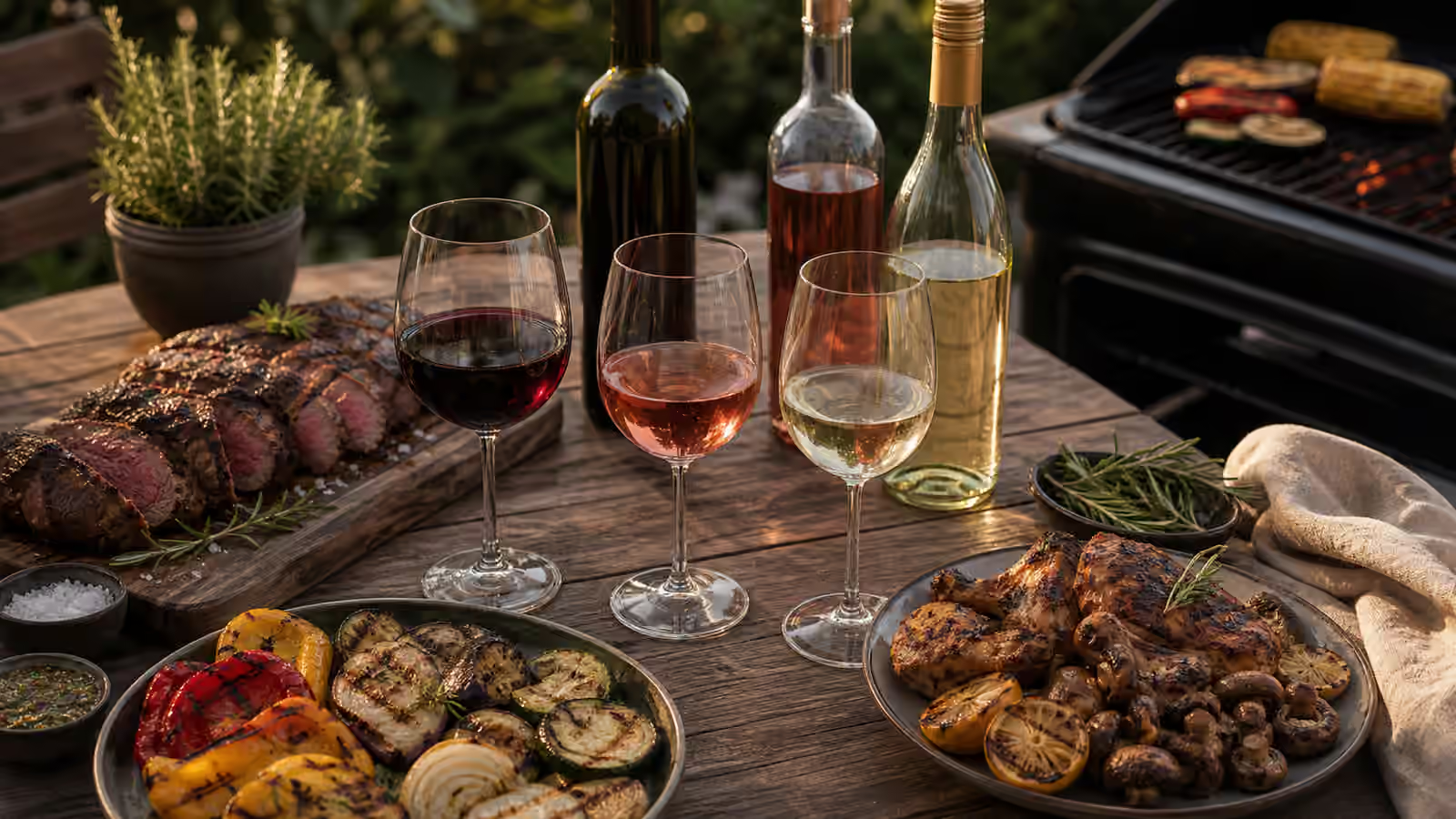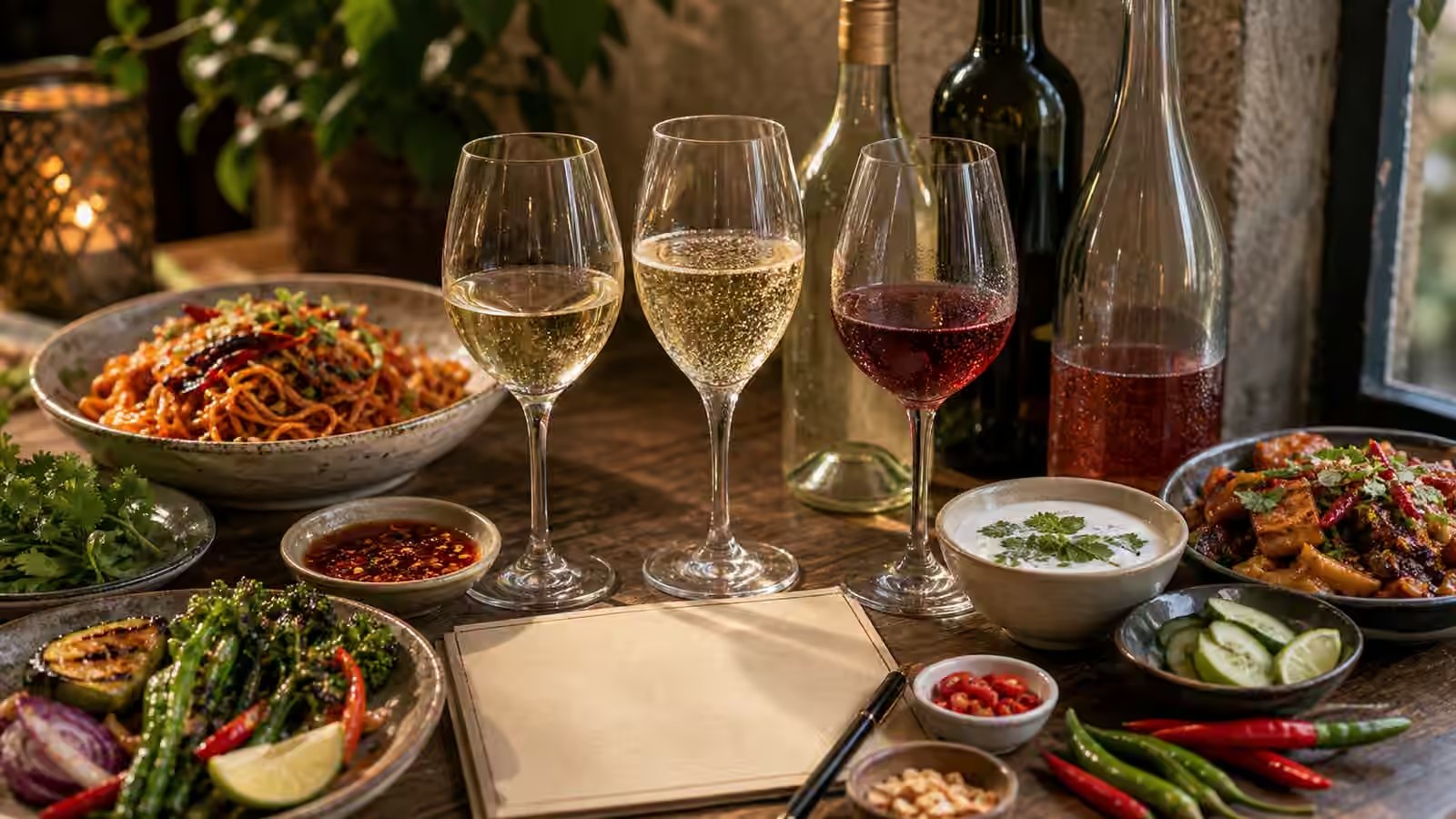
Spicy food exposes lazy wine pairing faster than almost anything else. A red that tastes plush and generous on its own can turn hot, bitter, and alcoholic beside chile. A dry white that seems crisp before dinner can feel thin against coconut, peanuts, garlic, ginger, and fried shallots. A lightly sweet wine that some people would dismiss at the shelf may suddenly become the most precise bottle on the table. The problem is not that spicy food is impossible with wine. The problem is that heat changes the rules.
The broad framework in Pairing Wine with Modern Foods already points in the right direction: pair to structure, sauce, and intensity, not to a dish name. Spicy food simply makes that lesson stricter. Alcohol, tannin, sweetness, acidity, bubbles, aromatic lift, fat, and serving temperature all become more obvious when chile is involved.
Heat Is A Sensation, Not A Flavor
Chile heat is physical. It changes how the mouth feels. That matters because wine is also physical: alcohol warms, tannin dries, acidity makes the mouth water, sweetness rounds, bubbles scrub, and body adds weight. A wine that piles warmth on top of heat can make the dish feel harsher. A wine that refreshes, softens, or carries aroma can make the dish feel more detailed.
This is why high-alcohol reds are risky with spicy food. Alcohol can amplify the burn and make fruit seem jammy or sharp. Firm tannin can add bitterness and dryness. Heavy oak can bring vanilla, toast, and spice that clash with fresh chile, herbs, and citrus. None of these features are bad in isolation. They simply need the right context. A tannic Cabernet may be perfect with grilled lamb, but punishing with fiery noodles.
The first question is not whether the dish is “Asian,” “Mexican,” “Indian,” or any other broad category. It is what kind of heat and sauce the dish has. Fresh green chile behaves differently from smoky dried chile. Chile oil behaves differently from a vinegar-heavy hot sauce. Coconut curry behaves differently from tomato salsa. The wine should answer the actual plate.
Sweetness Is Often A Tool, Not A Dessert Signal
A little residual sugar can be extremely useful with spice. It softens chile heat, carries fruit through salt and aromatics, and keeps the middle of the wine from disappearing. This does not mean the wine needs to be syrupy. Off-dry Riesling, lightly sweet Chenin Blanc, some Gewurztraminer, demi-sec sparkling wine, and other balanced aromatic whites can feel refreshing when acidity is high.
Wine Sweetness: Dry, Off-Dry, and Residual Sugar is the key guide here because sweetness is often misunderstood. A wine can be technically off-dry and still taste lively. With spicy food, the dish can make the wine taste drier than it did alone. Salt, chile, and acid pull the sugar into balance. The same bottle that seemed slightly sweet before dinner may feel exactly right once the food arrives.
The danger is sweetness without acidity. A soft, sweet wine can become cloying beside rich or spicy food. The best spicy-food wines have both cushion and lift. Riesling is famous for this reason, but it is not alone. Chenin Blanc, Moscato in dry-to-lightly-sweet sparkling forms, some Pinot Gris, and certain aromatic blends can also work when the balance is clean.
Acidity And Bubbles Reset The Palate
Acidity makes spicy food feel less heavy. It cuts through oil, wakes up salt, and keeps rich sauces from coating the mouth. Bubbles add a second kind of refreshment because they physically lift fat and spice from the palate. That is why dry sparkling wine can be excellent with fried spicy chicken, chile-lime snacks, pakoras, tempura, salty tacos, and dishes with crisp texture.
The sparkling wine does not need to be ceremonial. Cava, Cremant, dry sparkling rose, and many traditional-method or tank-method bottles can work if they are fresh and not too alcoholic. Champagne, Cremant, Cava, and Prosecco explains the label clues that help you estimate sweetness and texture. For spicy food, the main question is whether the wine has enough freshness and enough fruit to avoid tasting severe.
Still high-acid whites can do the same job without bubbles. Sauvignon Blanc, Albarino, dry Riesling, Vermentino, Gruner Veltliner, and many crisp regional whites can be good when the dish has herbs, citrus, seafood, vegetables, or lighter spice. If the dish is very hot, a completely dry wine may begin to feel sharp, but for moderate heat acidity is one of the safest tools.
Aromatic Whites Match Spice Without Fighting It
Spiced food often contains more than heat. Ginger, lemongrass, coriander, cumin, cardamom, basil, mint, cilantro, turmeric, garlic, galangal, lime leaf, fennel, and cinnamon all create aroma. Neutral wines can seem blank beside that complexity. Aromatic whites can meet the food in the same register without adding tannic weight.
Riesling and Aromatic White Wines is useful because perfume, acidity, and sweetness all work together in this category. Riesling can bring lime, peach, flowers, and slate-like freshness. Gewurztraminer can bring lychee, rose, ginger, and spice, though it needs enough acidity to avoid heaviness. Chenin Blanc can bridge apple, honey, wool, citrus, and texture. Gruner Veltliner can echo herbs, pepper, and green vegetables.
The trick is to match intensity. A delicate dry Riesling may be beautiful with herb-heavy fish and mild chile. A richer off-dry white may be better with coconut curry, spicy pork, or peanut sauce. A very aromatic wine can overwhelm simple food but shine with dishes that have enough fragrance to meet it.
Red Wine Can Work If It Stays Cool And Gentle
Red wine is not banned from spicy food. It just needs restraint. Lower tannin, moderate alcohol, fresh fruit, and a slight chill all help. Gamay, light Pinot Noir, Frappato, some Grenache, chilled Cabernet Franc, lighter Zweigelt, and juicy red blends can work when the dish has enough body but not too much fierce heat. The red should refresh rather than dominate.
Avoid the instinct to choose the biggest red for the biggest flavor. Big flavor is not the same as fat and protein. Chile, vinegar, herbs, and aromatics can make a massive red taste rough. If the dish includes grilled meat, beans, cheese, or a rich sauce, a moderate red has more room. If the dish is mostly fresh chile, lime, herbs, and heat, white, rose, or sparkling wine usually has an easier job.
Serving temperature matters more than usual. A lightly chilled red feels less alcoholic and more precise. A warm red beside spicy food can taste sweet, hot, and tiring. The advice in Serving Temperature and Decanting pays immediate dividends here.
Sauce Chooses The Lane
Pair to the sauce before the protein. Coconut curry often wants aromatic white wine with acidity and sometimes a little sweetness. Tomato-chile sauces can work with rose, crisp whites, or juicy reds depending on body. Peanut and sesame sauces like fruit, acidity, and lower tannin. Vinegar-heavy hot sauces need high acidity and should avoid heavy oak. Smoky dried chile can handle more red-wine flavor, especially if the dish has meat, beans, or char.
Cooling elements change the pairing too. Yogurt, cream, coconut milk, avocado, cheese, and nuts all soften heat and add richness. That gives wine more body to work with. Lime, pickles, fresh herbs, and raw onion sharpen the dish and push the wine toward acidity. Sweet glazes need freshness, not more heaviness.
The best spicy-food pairing does not silence the heat. It gives the heat a frame. Choose lower alcohol when the burn is high. Use acidity for oil and salt. Use sweetness when chile needs cushioning. Use bubbles for fried texture. Use aromatic whites when spice is fragrant. Use light reds only when tannin stays gentle. When the wine makes the next bite more vivid instead of louder, the bottle is doing its job.