Grilled food changes wine pairing because the grill adds more than heat. It adds char, smoke, caramelized edges, rendered fat, salt, herbs, marinades, and sometimes sweet or spicy sauce. A bottle that works with a pan-roasted version of the same ingredient may taste too soft, too oaky, too alcoholic, or too delicate once the food has grill marks. The pairing question is not only red meat or white meat. It is what the fire did.
The broader method in Pairing Wine with Modern Foods still applies: match weight, manage acid and fat, and watch sweetness and heat. Grilled food simply turns up several dials at once. Smoke can make a wine taste simpler. Char can make tannin feel harsher. Sweet sauce can make a dry red seem sour. Salt can rescue structure. A good pairing starts by naming the strongest force on the plate.
Char Needs Fruit, Freshness, Or Both
Char brings bitterness. A little bitterness is delicious because it adds contrast to fat, sweetness, and salt. Too much bitterness makes wine taste thin or metallic. High-tannin reds can struggle when char is aggressive because the drying grip of the wine and the bitter edge of the food stack on top of each other. This is why a very young, stern Cabernet can seem severe with a heavily charred steak unless the meat has enough fat and salt to buffer it.
Fruit helps. Grenache blends, Zinfandel, Malbec, Merlot, ripe Tempranillo, some Shiraz, and fuller roses can meet char with enough fruit to keep the pairing generous. Freshness helps too. Sangiovese, Cabernet Franc, Gamay, and brighter Syrah can cut through grilled flavors without becoming thick. The right choice depends on the food’s weight. Grilled zucchini and peppers do not need the same wine as smoked brisket.
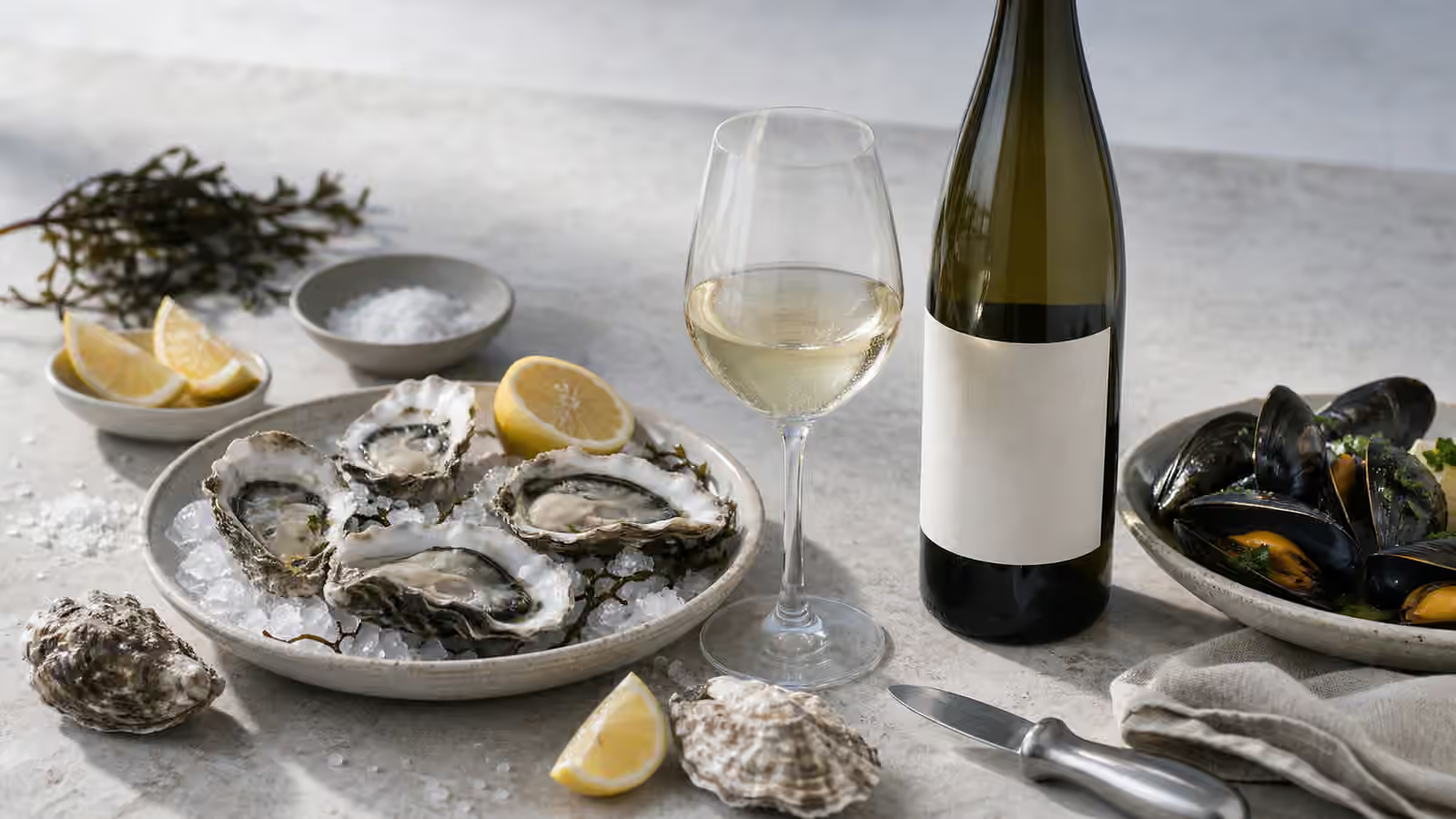
If the grilled flavor is light, stay lighter than instinct suggests. Chicken thighs with herbs may be excellent with rose, Pinot Noir, Beaujolais, or a medium-bodied white. Grilled fish may prefer Albarino, Sauvignon Blanc, Vermentino, Muscadet, or dry sparkling wine. The seafood guide, Seafood and Shellfish Wine Pairing , is still relevant when the grill is gentle and lemon is the main seasoning.
Smoke Likes Savory Wines
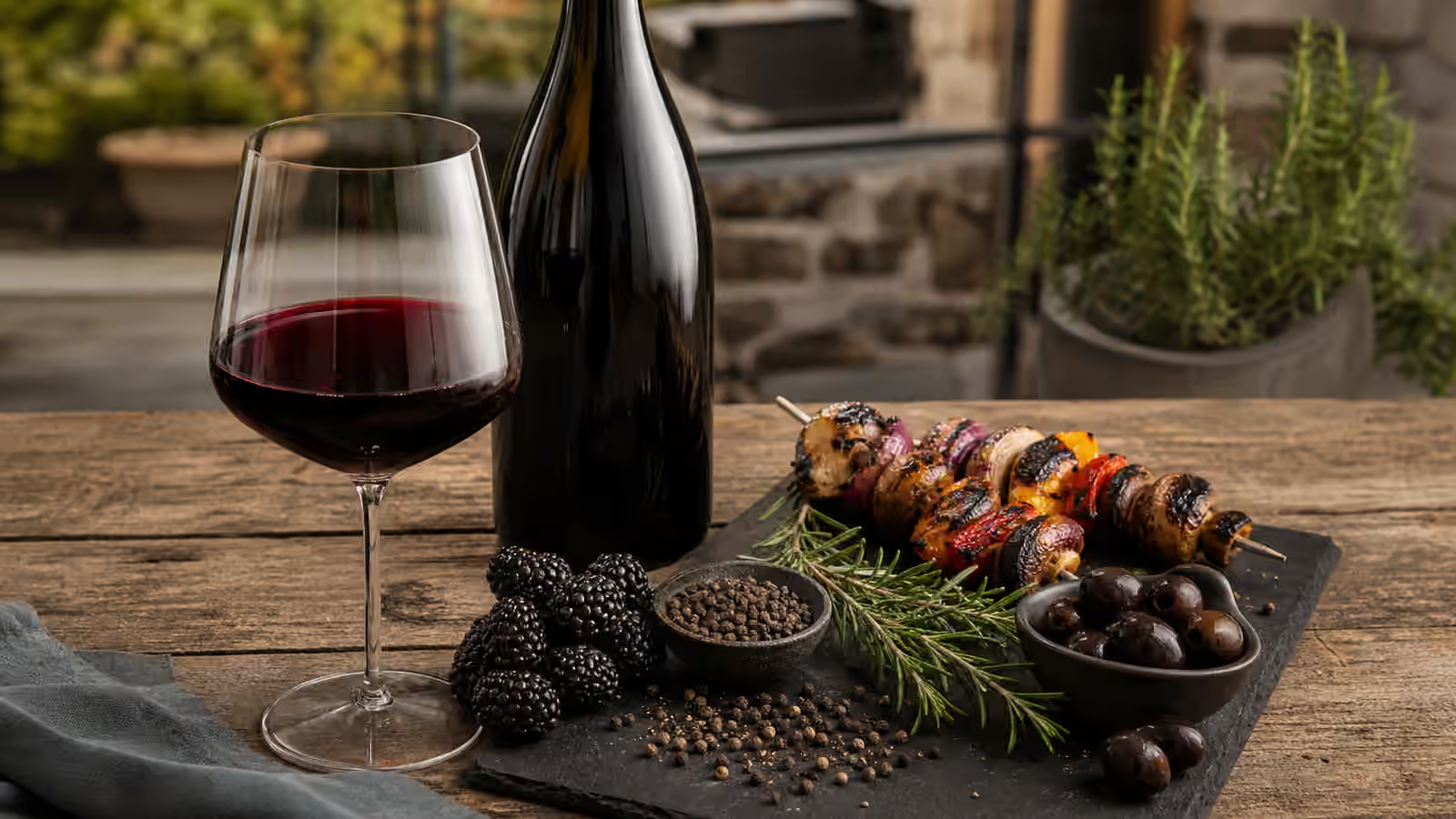
Smoke can flatten wines that rely only on delicate fruit. It can make a subtle Pinot Noir seem washed out, or make an oaky white feel clumsy. Wines with their own savory notes tend to handle smoke better. Syrah is a natural fit because pepper, olive, dark fruit, and smoke often belong to the grape already. Syrah and Shiraz explains that savory side in more detail.
Tempranillo, especially Rioja with some age, can also work well because leather, spice, tobacco, and red fruit meet grill smoke without needing huge weight. Sangiovese can be excellent with grilled sausages, pork, eggplant, or tomato-based sides because acidity keeps the table moving. Southern Rhone blends can handle rosemary, lamb, olives, and charred vegetables because Grenache brings warmth while Syrah and Mourvedre add depth.
For white wines, look for texture rather than fragile perfume. Chardonnay with subtle oak, Chenin Blanc, dry white Rhone-style blends, and some skin-contact whites can work with grilled chicken, corn, mushrooms, or richer fish. The white should have enough body to survive smoke but enough acidity to avoid tasting heavy. A very aromatic white can be beautiful with herbs, but smoke can make perfume feel strange if the food is also sweet or charred.
Sauce Changes The Rules
Barbecue sauce is often the real pairing driver. Sweet, tangy, smoky, spicy, or tomato-based sauces can pull wine in different directions. A dry, tannic red may taste hard beside a sweet sauce because the food makes the wine seem less fruity. A slightly fruitier red or a dry but generous rose can be more graceful. Zinfandel, Grenache-based reds, Malbec, softer Shiraz, and juicy red blends often work when the sauce is sweet and smoky.
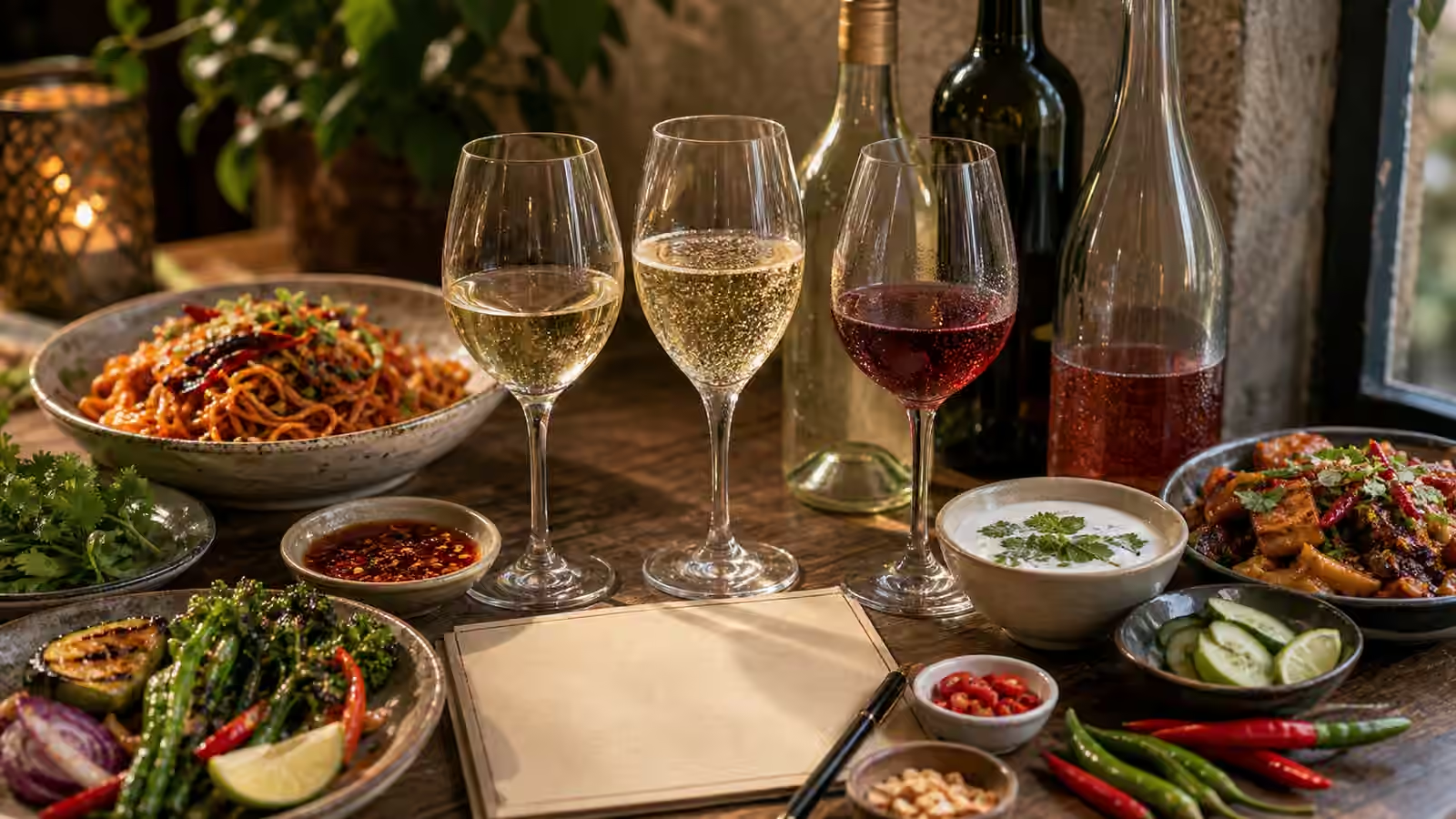
Vinegar-based sauces need acidity. Sangiovese, Barbera, Cabernet Franc, dry rose, and sparkling wine can keep up with tang. If the sauce is mustardy, a bright white or rose may do better than a heavy red. If the sauce is chile-hot, watch alcohol. High-alcohol reds can magnify heat and make the meal feel hotter. Off-dry Riesling, lightly sweet Chenin, sparkling wine, or a chilled juicy red may be more comfortable depending on the dish.
Dry rubs behave differently from wet sauces. Pepper, cumin, paprika, garlic, herbs, and smoke can invite Syrah, Rioja, Malbec, Mourvedre blends, or Cabernet with enough fruit. A rub with sugar still needs some fruit in the wine. A rub built around herbs and lemon may prefer rose or white. The mistake is pairing by protein while ignoring the seasoning pasted onto it.
Vegetables Deserve Real Pairing
Grilled vegetables are not a minor side dish when it comes to wine. Eggplant, mushrooms, peppers, onions, squash, corn, asparagus, and tomatoes all change with fire. Browning adds sweetness and depth. Smoke adds bitterness and savor. Marinades add acid, garlic, herbs, or chile. A wine that seems too serious for raw vegetables may make perfect sense once those vegetables are charred and salted.
Mushrooms can handle Pinot Noir, Syrah, Nebbiolo in a gentler form, Sangiovese, or textured Chardonnay because they bring earth and umami. Eggplant likes Mediterranean reds and roses, especially when olive oil and herbs are involved. Corn can work with Chardonnay, Chenin Blanc, sparkling wine, or rose, depending on butter, spice, and sweetness. Peppers and onions often like juicy reds or dry roses because their sweetness increases on the grill.
The plant-based pairing guide, Wine Pairing with Vegetarian and Plant-Based Food , is useful here because vegetables have structure too. They can be fatty from oil, acidic from dressing, smoky from the grill, sweet from caramelization, or earthy from mushrooms and beans. Treat them as real pairing subjects, not as decoration beside meat.
Outdoor Service Matters
Grill meals often happen outside, where wine warms quickly. Warm red wine can taste alcoholic and soft. Warm white or rose can lose snap. Keep bottles shaded and cool, and pour smaller amounts so the glass does not sit in the heat too long. A slight chill on reds is often helpful, especially for Gamay, Pinot Noir, Cabernet Franc, lighter Sangiovese, and many Grenache-based wines. Even fuller reds can benefit from being closer to cellar temperature than patio temperature.
Glassware does not need to be precious outdoors, but aroma still matters. A real wine glass makes a serious bottle easier to smell than a tiny tumbler. For casual meals, sturdy glasses are fine as long as they give the wine some room. Wine Glassware makes the same point in a calmer setting: the vessel should help aroma, temperature, and comfort rather than perform status.
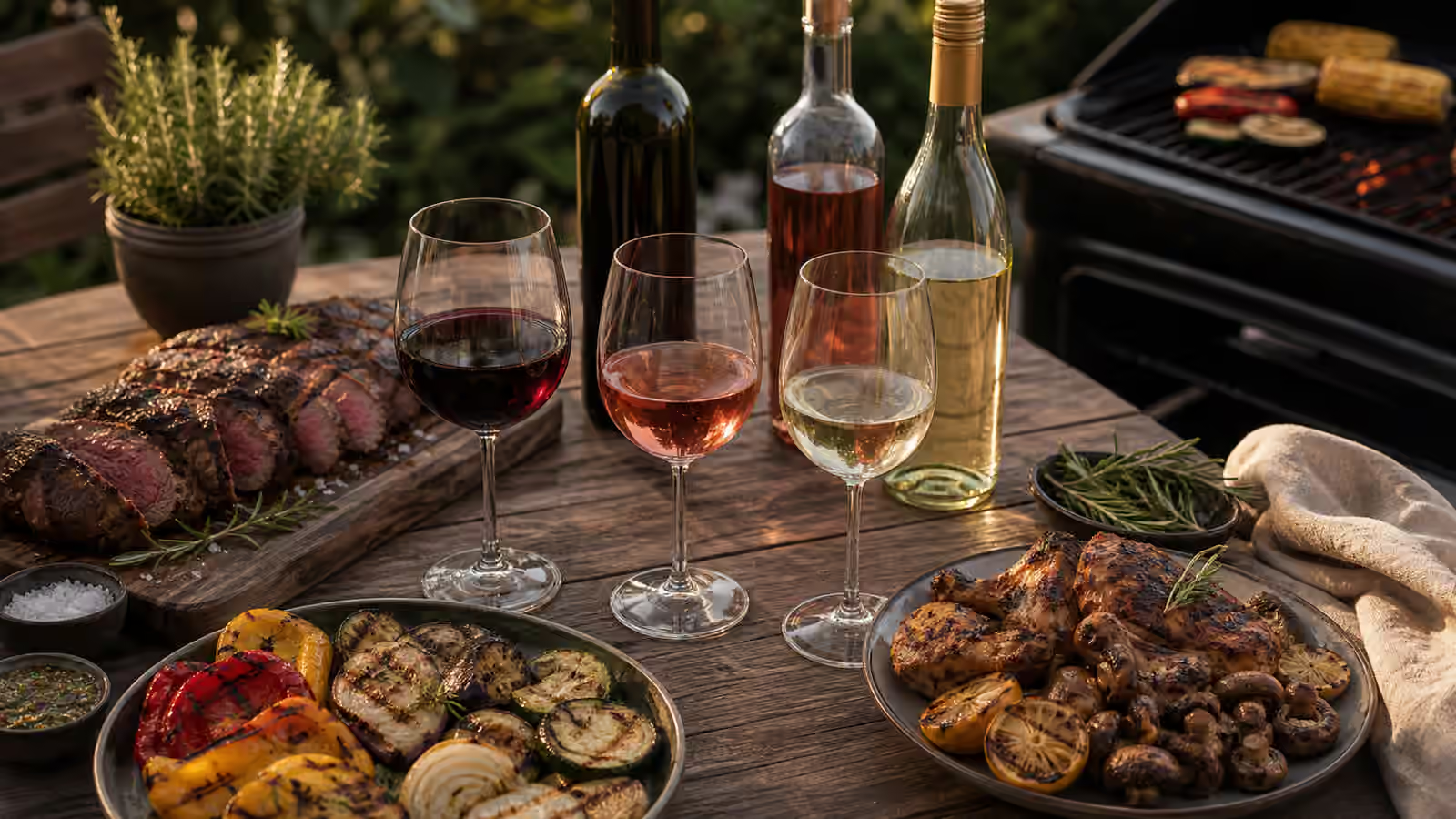
Open more than one style when the table is varied. A crisp white or sparkling wine can handle snacks, seafood, and salads. Rose can bridge vegetables, chicken, pork, and spice. A medium or full red can handle charred meats, mushrooms, and smoke. This is not excess if the meal genuinely has multiple lanes. It is hospitality.
Build The Pairing From The Strongest Signal
When choosing wine for grilled food, start with the strongest signal on the plate. If smoke dominates, look for savory wines. If sweetness dominates, look for fruit and avoid very dry, severe tannin. If acid dominates, choose a wine with equal or greater freshness. If fat dominates, use acid, bubbles, tannin, or salt. If heat dominates, keep alcohol moderate and consider a little sweetness.
The second question is weight. Grilled shrimp and grilled steak may both have char, but they do not need the same body. Grilled mushrooms may need more earth than power. Grilled chicken can go red, white, or rose depending on marinade. Sausages often want acidity because salt and fat need refreshment. Burgers can work with many reds as long as the wine has enough fruit and the toppings do not add too much sweetness or heat.
The best grill wines are rarely the most fragile bottles in the cellar. Smoke, heat, casual glassware, and mixed dishes can blur fine detail. Choose wines with clear structure, enough fruit, and a role at the table. When the wine refreshes the mouth after char and makes the next bite sound good, the pairing is doing its work.