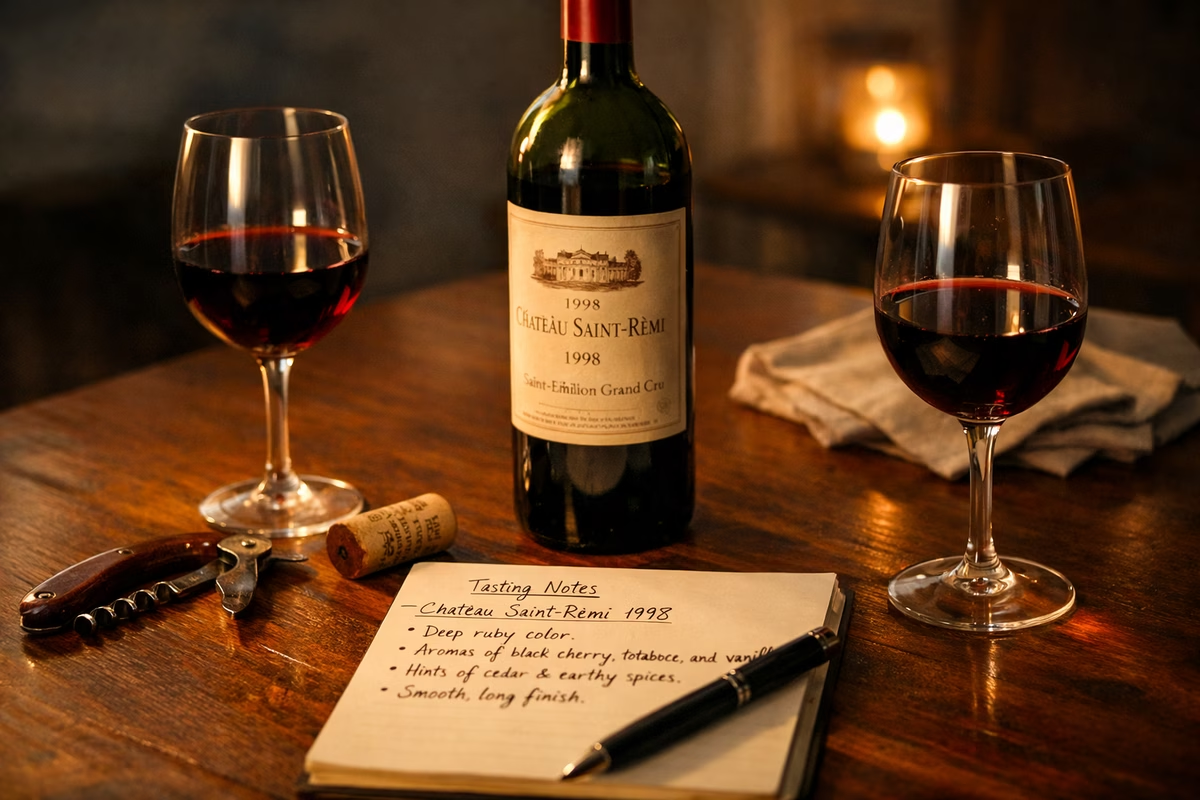
The first time someone poured the same wine into two different glasses, I thought it was a trick.
It was not. The wine in the wide glass smelled like ripe strawberries and earth. The wine in the narrow glass just smelled like wine.
Glass shape does not change the wine itself. It changes how aroma reaches your nose, where the wine lands on your tongue, and how fast it warms in your hand. Those differences can change the whole glass.
You do not need a dozen shapes. You might need two.
How a glass changes wine (the short version)
Three things happen between glass and mouth:
1. Aroma delivery
The bowl holds aroma. A wider bowl gives more space for that aroma to rise. The rim directs it. A narrow rim concentrates it, while a wide rim spreads it out.
Aroma makes up most of what we read as flavor. A glass that handles aroma well makes wine taste deeper. A glass that does not can make even a good wine feel flat.
2. Flow pattern
The rim controls where wine lands on your tongue. A wide rim spreads wine across the palate. A narrow, tapered rim sends it toward the center first.
Different parts of the tongue read acidity, sweetness, and bitterness differently. A glass that sends a red deeper can soften tannin. A glass that spreads a white wider can make it feel brighter.
3. Temperature
Stemmed glasses keep your hand away from the bowl. A stem is not decoration. It slows warming. Warm wine can taste flatter and feel more alcoholic. For whites and sparkling wine, a stem matters most. For reds, it matters less.
If you are just starting out, one good universal glass does most of the work.
The essential wine glasses
The universal wine glass
If you buy one glass shape, buy this one.
A universal glass has a medium bowl that tapers gently toward a narrower rim. It works with reds, whites, and rosés.
It will not be the best glass for any one wine, but it will be good for most of them. Think of it like a chef’s knife.
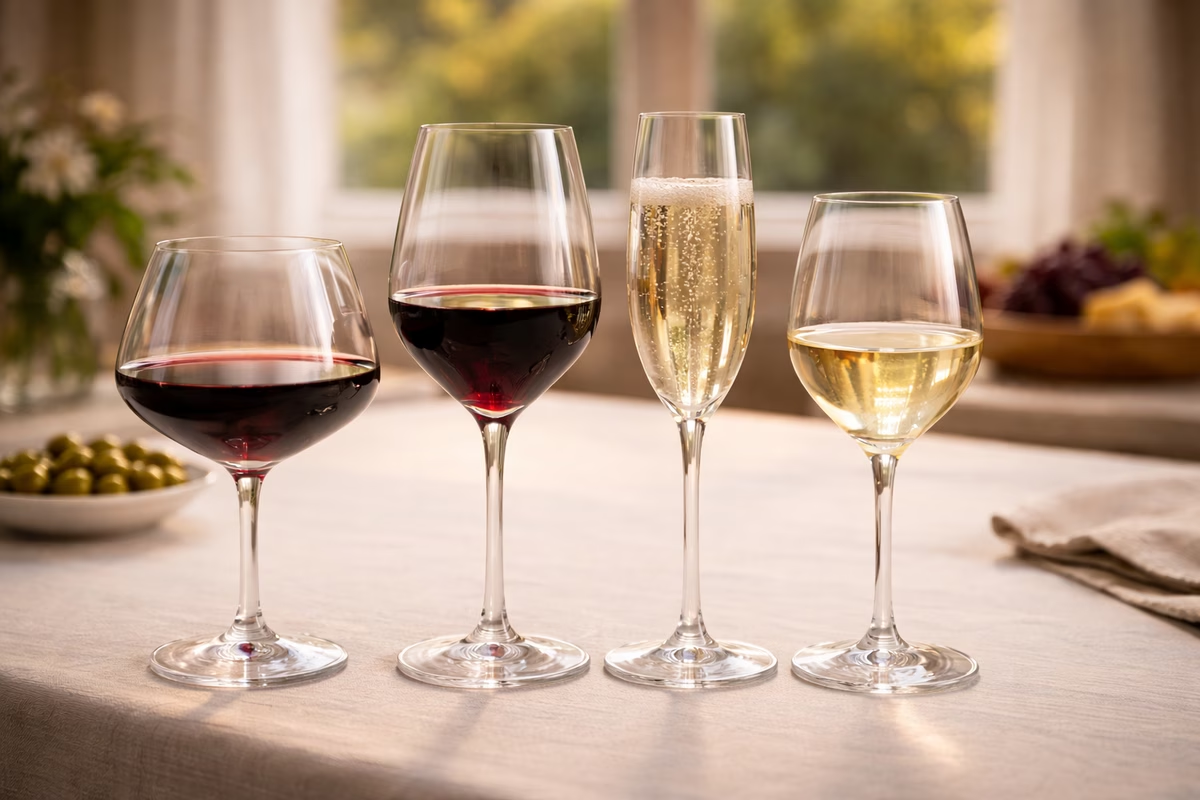
Bowl: Medium width, gentle taper Best for: Everyday drinking, mixed-wine dinners, starting a collection Capacity: 15–20 oz (you’ll pour 5–6 oz into it; the rest is aroma space)
The Bordeaux glass (tall, broad bowl)
The classic red wine glass. A tall bowl with a wide opening helps tannic, full-bodied reds breathe. The width gives the wine room to release deeper aromas like cassis, tobacco, cedar, and dark fruit.
The tapered rim sends wine toward the back of the palate, where tannin feels softer and fruit feels fuller.
Best for: Cabernet Sauvignon, Merlot, Malbec, Syrah, and other full-bodied reds with significant tannin structure Not ideal for: Delicate whites or light reds. The wide bowl spreads their subtler aromas.
The Burgundy glass (wide, balloon-shaped bowl)
Wider and rounder than the Bordeaux glass, the Burgundy bowl is made for aromatic, lighter reds like Pinot Noir. The wide shape holds delicate fruit and floral aromas that a narrower glass would lose.
The wide opening lets you get your nose deep into the bowl. Pinot Noir is about perfume, and this glass puts that first.
Best for: Pinot Noir, Nebbiolo, Gamay, and other aromatic reds with moderate body Also works for: Full-bodied, oaked Chardonnay (the width lets the wine’s complexity unfold)
The white wine glass
Smaller and narrower than red wine glasses. The smaller bowl helps keep the wine cool and holds the lighter aromas found in white wines, like citrus, flowers, mineral, and green fruit.
Best for: Sauvignon Blanc, Pinot Grigio, Riesling, unoaked Chardonnay, Albariño Key feature: The narrow bowl keeps the wine cooler for longer
The flute
Tall and narrow. Made for sparkling wine. The narrow shape helps keep bubbles in the glass longer. The height also gives you a nice stream of rising bubbles.
Best for: Champagne, Prosecco, Cava, Crémant The debate: Some wine professionals now prefer a wider tulip shape for vintage Champagne, arguing that the flute is too restrictive for complex sparkling wines. Both have merit. The flute is better for casual sparkling; the tulip is better for tasting seriously.
The coupe
The shallow, saucer-shaped glass popularized in the 1920s. It looks good in photos, but it is poor for sparkling wine because the wide surface area lets bubbles go fast.
Best for: Cocktails, parties, nostalgia Not for: Any wine you want to taste at its best
If you are starting from zero, buy universal glasses and flutes first. Add Bordeaux and Burgundy glasses later if you need them.
How to choose the right glass for any bottle
Here is a simple decision framework:
| Wine style | Glass recommendation | Why |
|---|---|---|
| Full-bodied red (Cabernet, Syrah, Malbec) | Bordeaux | Width for tannin softening, rim directs to back palate |
| Light-to-medium red (Pinot Noir, Gamay) | Burgundy | Wide bowl captures delicate aromatics |
| Full-bodied white (oaked Chardonnay) | Burgundy or universal | Width lets complexity develop |
| Light white (Sauvignon Blanc, Riesling) | White wine glass | Narrow bowl preserves temperature and concentrates aroma |
| Sparkling (Champagne, Prosecco) | Flute or tulip | Preserves carbonation, showcases bubbles |
| Rosé | White wine glass or universal | Rosé benefits from cooler serving, similar to whites |
| Dessert wine | Small glass (4–6 oz) | Concentrated flavors need less volume |
When in doubt, use the universal glass. It is never wrong.
The details that matter (and the ones that don’t)
Crystal vs. glass
Crystal, including lead-free crystal, is thinner than standard glass. A thin rim gets out of the way so you taste wine more cleanly. Crystal also catches light better.
Standard soda-lime glass is thicker, tougher, and cheaper. For everyday use, it is fine. The difference in taste is real, but small.
The practical answer: Buy crystal for the glasses you use most. Use standard glass for parties and outdoor drinking.
Stem vs. stemless
Stemless glasses are compact and easy to wash. They also warm the wine because your hand sits right on the bowl. For reds, that matters less. For whites and sparkling wine, it matters more.
The practical answer: Use stems for whites and sparkling wine. Stemless is fine for reds if you prefer it.
Cleaning
Wine glasses should be hand-washed if you can. Dishwashers can leave residue and chip thin rims.
Wash with warm water and a little unscented soap. Rinse well. Air-dry on a clean towel or wipe with a lint-free cloth.
The biggest problem is leftover detergent. If wine smells a little like soap, the glass is the problem.
The one-glass experiment
If you’re skeptical about whether glass shape matters, try this:
- Open a bottle of wine you know well
- Pour the same wine into two different glass shapes
- Smell each glass, then taste each one
- Notice the difference
This takes three minutes. The wine tastes different because of physics, not magic.
Next steps
- Read Wine Tasting 101 for the fundamentals of evaluating what’s in the glass
- See Serving Temperature and Decanting for the other half of the serving equation
- Explore How to Buy Wine for choosing bottles that match your glass collection
- Try The Dinner Party Bottle for practical advice on wine for entertaining