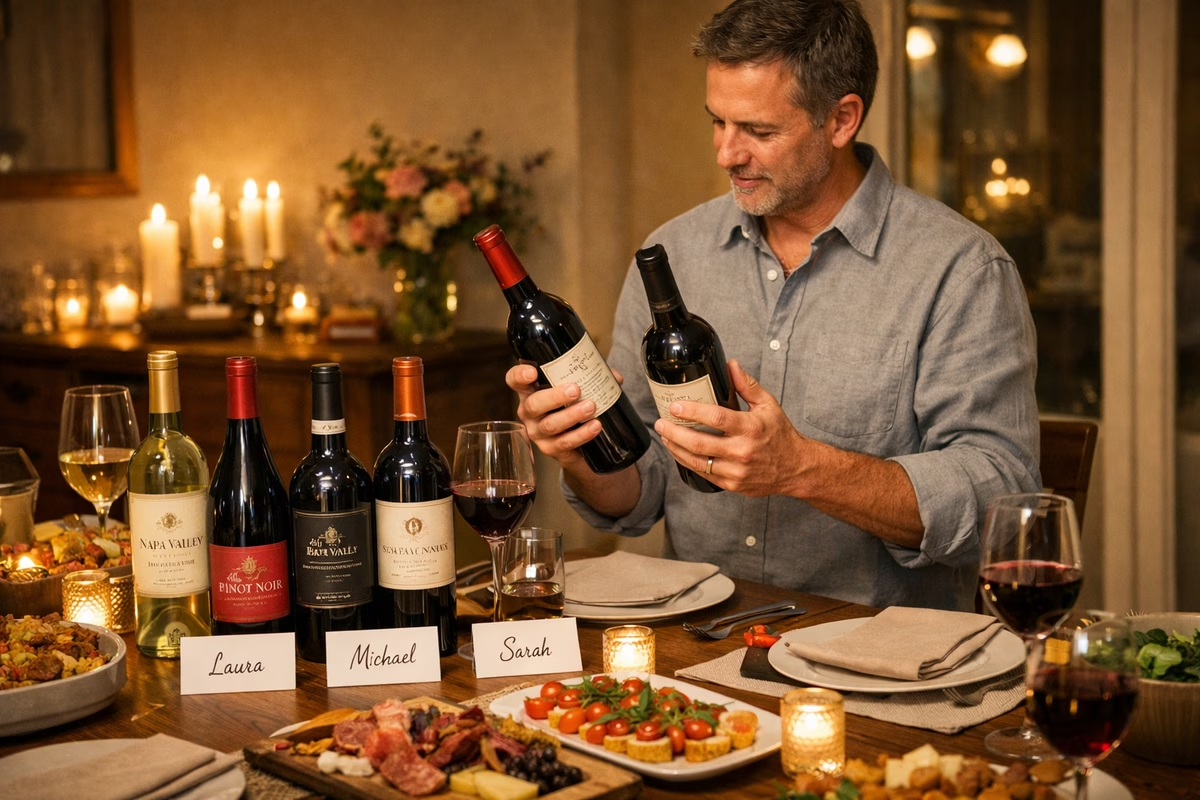
The first time you buy a really good bottle of wine on purpose, it does not feel like shopping. It feels like a small bet on your future self. You are not buying a drink for tonight. You are buying a new reference point.
It usually starts with a simple moment. A dinner you want to feel a little more real. A friend you have not seen in a while. A quiet celebration that does not need balloons. You stand in front of shelves that look like a library. The labels blur fast. The truth is simple. There is not one right answer. There is only a good choice for a specific night.
A helpful wine shop employee asks the question that matters. What are you eating? Not because wine is a math problem, but because food tells you what kind of wine will feel easy. Bright and herbal food wants a wine that does not fight it. Rich food wants a wine that can cut through it or lean in. You answer honestly. Roast chicken with lemons and potatoes. Something celebratory but not heavy.
They do not hand you a trophy bottle. They hand you a bottle that looks almost too plain to be special. That is common. The wines that change your mind usually do not look flashy. They are specific. The employee says it is from a careful producer, in a good place for the grape, in a vintage that is drinking well. That is the real structure of value.
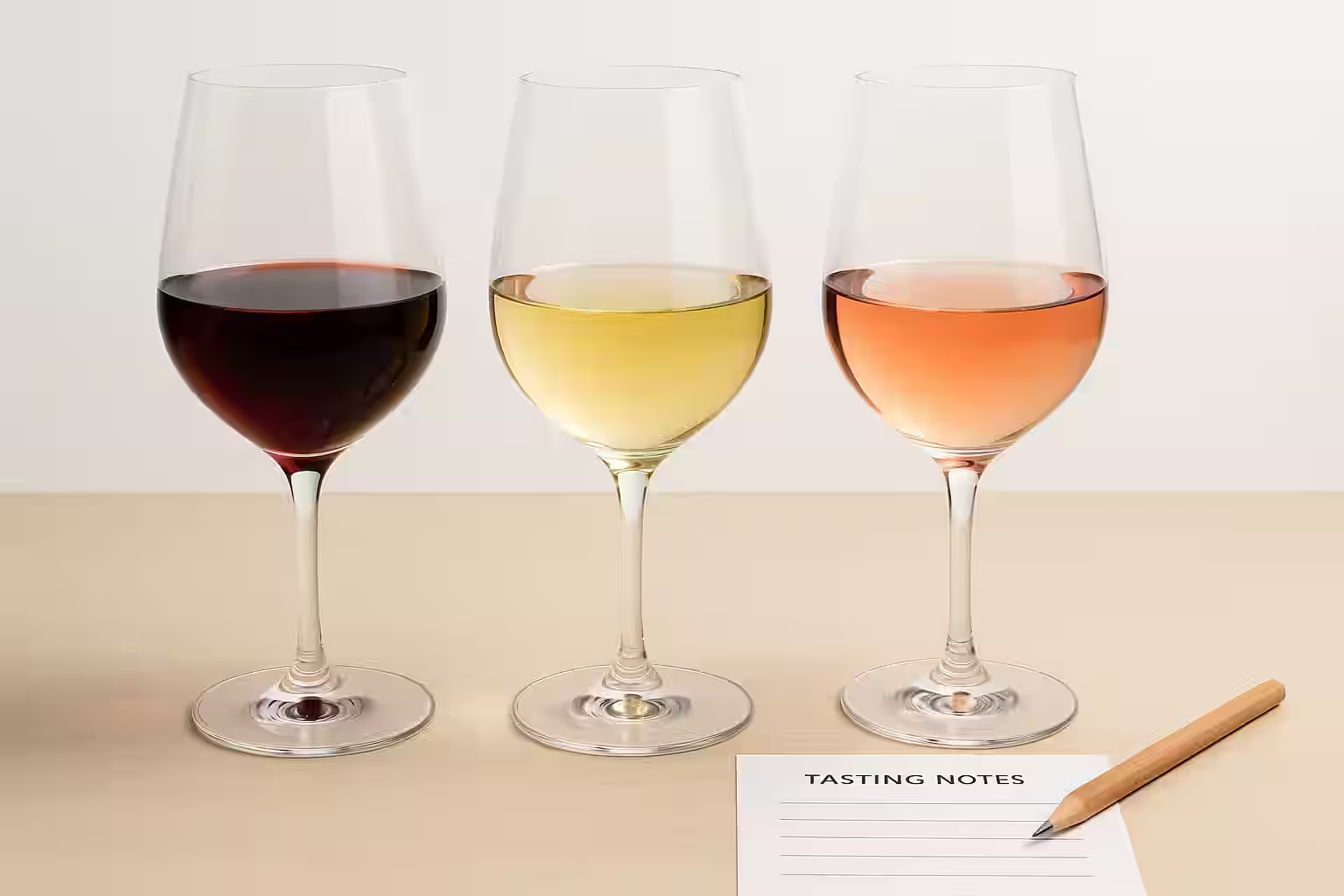
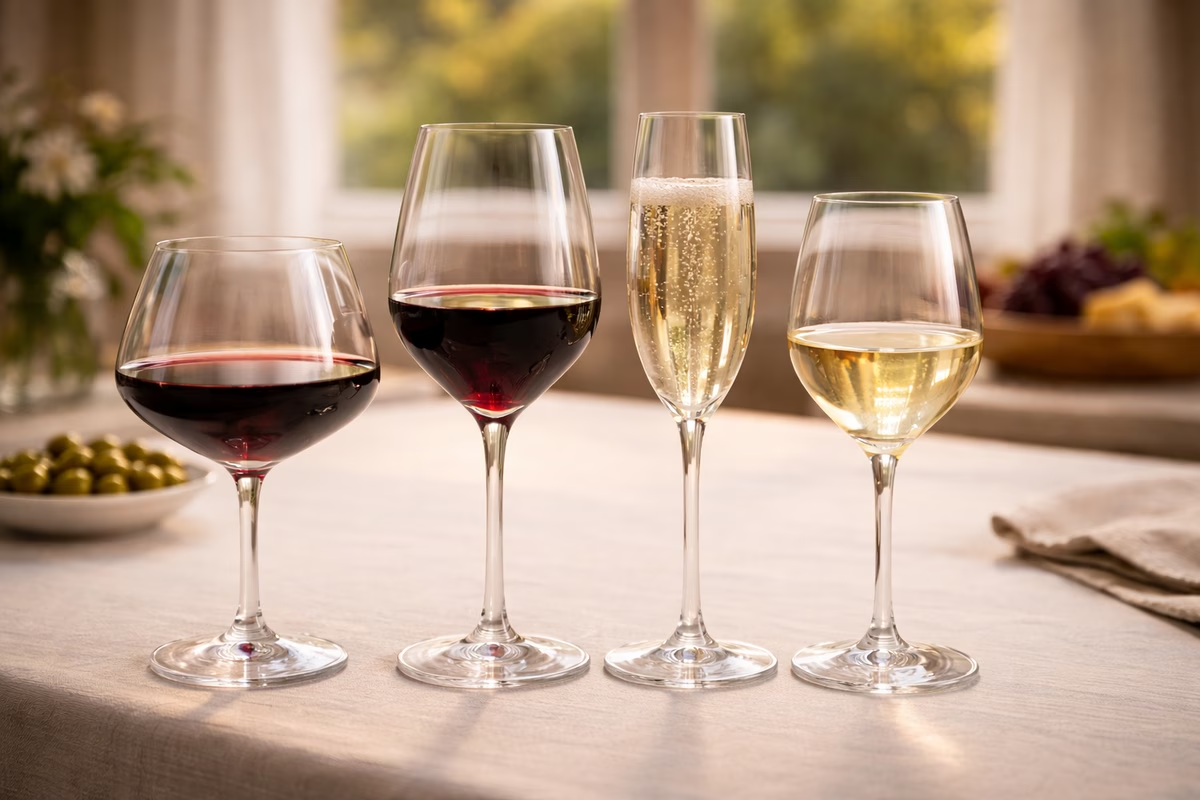
At home, you realize you do not know how to serve it correctly. That is where wine gets intimidating, so keep it simple. Wine tastes best when it is not too warm or too cold. Hot red wine tastes flat. Ice-cold white wine tastes like nothing. You do not need rituals. Just nudge the bottle toward the middle. Let a white sit out a bit. Put a red in the fridge for ten minutes. Small changes matter.
When you pour the first glass, the wine does not reveal itself right away. That is normal. Good wine often needs air to settle in. You swirl without trying to perform it. You smell and notice something unexpected, maybe citrus peel, maybe almond, maybe wet stone. You are not hunting for notes. You are noticing impressions.
The first sip shows you the difference between pleasant wine and wine that feels alive. A good bottle has structure. It opens, moves through the middle, and finishes. The flavor does not just land and disappear. It changes as you swallow. The acidity makes your mouth water and makes food taste brighter. The texture makes you want another sip.
Halfway through dinner, the wine tastes different again. It is not imagination. Oxygen has opened it up. The wine becomes rounder, more aromatic, more together. That is the lesson. Wine is a living set of choices. Farming, harvest timing, fermentation, aging, patience. You are tasting time and judgment, not just grapes.
At the end of the bottle, you take the last sip slowly, like you are trying to remember it. That is the sign you chose well. The bottle did more than taste good. It changed the mood of the night. It made the meal feel more deliberate. It gave you a new baseline.
The next time you are in a shop, you will not be starting from zero. You will have language that is yours. You can say that a wine felt bright but not sour, or clean with a long finish, or made chicken taste better. That is the real beginner milestone. Not memorizing regions. Just learning what you like well enough to find it again.
If you want the practical framework behind this story, read How to Buy Wine and Serving Temperature and Decanting .
Bring the guide back to the glass
Wine learning becomes warmer when every idea returns to a real glass, meal, table, or cellar shelf. For Your First Really Good Bottle of Wine (A Small Story), the aim is not to memorize status language. It is to notice structure, aroma, texture, context, and preference with enough clarity to choose better next time.
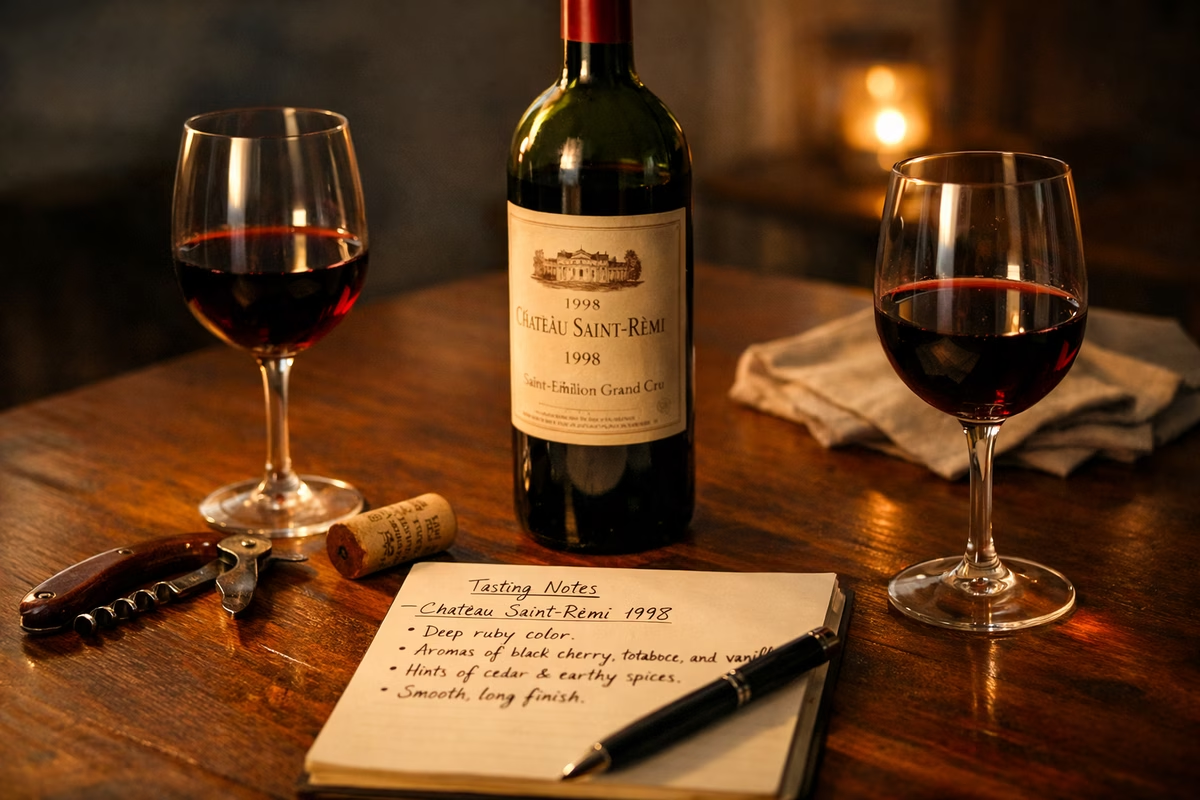
Start with one bottle and one honest note. What did you smell first? Was the wine bright, soft, tannic, sweet, dry, savory, fruity, earthy, or tired? Did food help it or flatten it? The note can be plain. Plain notes are often the most useful because they match how people actually buy wine.
Then connect the detail to a decision. Serving temperature, glassware, decanting, storage, age, region, grape, and pairing all matter only when they change the experience. If a concept does not help the next pour, let it wait.
Wine also rewards humility. A famous bottle can disappoint, and a modest bottle can fit the night perfectly. The best guide is one that gives you more ways to enjoy and fewer reasons to perform.
Your First Really Good Bottle of Wine (A Small Story) should leave you with a clearer palate and a calmer shopping habit: ask better questions, keep better notes, and let pleasure stay central.
Make one better pour
After reading Your First Really Good Bottle of Wine (A Small Story), choose one concrete change for the next bottle. Serve it slightly cooler, give it air, pair it with a simple dish, compare two glasses, or write one tasting note before looking at anyone else’s language. Wine learning grows through small, repeatable acts.
Let the bottle be ordinary enough that you can pay attention without pressure. Notice acidity, tannin, sweetness, body, aroma, and how the finish changes with food. If the wine improves over the meal, that is useful. If it fades, that is useful too.
Keep preference in the room. A technically respected style may not be what you want tonight, and a simple bottle may fit the table beautifully.
The point is confidence without performance. Better wine habits should make shopping, serving, and sharing easier.