Willamette Valley Pinot Noir is easy to like and easy to misunderstand. It often sits between the delicacy people associate with Burgundy and the clearer fruit people expect from many New World labels. A good bottle can smell of cherry, raspberry, tea, rose, forest floor, spice, or damp earth, but the best way to understand it is through texture. It is rarely a blockbuster. It is usually a wine of lift, red fruit, fine tannin, and food-friendly acidity.
That balance makes the Willamette Valley one of the most useful regions for people learning Pinot Noir. The labels are often more direct than Burgundy, the grape is usually stated plainly, and the wines can still teach place. If Major Wine Grapes by Structure gives you the Pinot Noir baseline, Willamette shows how climate and site turn that baseline into a regional voice.
The Valley Works Because It Is Cool, Not Cold
The Willamette Valley sits in western Oregon, protected in part by the Coast Range and influenced by a generally cool growing season. Pinot Noir likes this kind of edge. Too much heat can make Pinot broad, jammy, and alcoholic before it develops the aromatic detail that makes the grape compelling. Too little ripeness can leave it thin, green, or sour. The Willamette’s best wines often live in the middle: ripe enough for flavor, cool enough for freshness.
Vintage variation matters here. A cooler year may give leaner wines with more acidity, red fruit, and herbal detail. A warmer year may bring darker fruit, softer edges, and more immediate charm. Neither is automatically better. The useful question is what you want from the bottle. A brisk, red-fruited Pinot might be perfect with salmon or mushrooms. A riper, fuller style might handle roast chicken, pork, or a richer grain dish.
The valley is not one flat place. Subregions and vineyard sites can show different personalities. Dundee Hills is often associated with red fruit, spice, and a silky feel. Eola-Amity Hills can show tension, savory notes, and wind-shaped freshness. Ribbon Ridge, Yamhill-Carlton, McMinnville, Chehalem Mountains, and other areas all have their own reputations, but those reputations should be treated as clues rather than rules. Producer choices still matter enormously.
Pinot Noir Here Speaks In Medium Volume
Willamette Pinot usually does not shout. That is a strength. Its fruit can be vivid without feeling sweet, and its tannins can be present without becoming coarse. Many bottles sit in a medium-bodied frame, which makes them flexible at the table. If you drink mostly Cabernet Sauvignon, Syrah, or rich red blends, the first glass may seem lighter than expected. Give it food and attention before deciding it lacks seriousness.
The aromas often move through red cherry, raspberry, cranberry, pomegranate, rose, tea, baking spice, mushroom, pine, or wet leaves. Those notes can sound poetic, but the practical point is simple: the wine usually has enough fruit to be welcoming and enough savory detail to avoid tasting simple. When oak is used well, it adds spice and texture rather than obvious vanilla. When extraction is gentle, the wine keeps transparency. When the producer pushes too hard, Pinot can lose the very grace that makes it worth drinking.
Temperature helps. A Willamette Pinot served too warm can seem loose or alcoholic. Served lightly cool, it often tightens into focus. The ranges in Serving Temperature and Decanting are not fussy rules; they are practical guardrails. Put the bottle in the fridge for a short rest if your room is warm, then let the glass tell you whether the fruit and aroma are opening.
Chardonnay Is The Quiet Second Story
The region’s Chardonnay deserves more attention than it often gets. Oregon Chardonnay can be bright, citrusy, orchard-fruited, mineral-feeling, or quietly creamy depending on site and cellar choices. Because the climate can preserve acidity, the wines often avoid the heavy, buttery stereotype that makes some drinkers wary of Chardonnay. They can still have texture from lees, barrel aging, or malolactic fermentation, but the better versions keep movement.
This makes Willamette Chardonnay a useful bridge between lean Chablis-like styles and richer New World Chardonnay. It can work with roast chicken, crab, halibut, corn, mushrooms, creamy but not heavy sauces, and firm cheeses. If your only mental categories for Chardonnay are “oaky” and “unoaked,” Oregon gives you a better vocabulary: taut, saline, orchard-fruited, leesy, smoky, or quietly rounded.
Pinot Gris, Riesling, sparkling wine, and other grapes also appear in the valley, but Pinot Noir and Chardonnay are the pillars for learning. Once you understand those two, the rest of the region feels less scattered.
How To Read The Label Without Overthinking It
Willamette labels are usually friendlier than many European labels. You may see the producer, grape variety, vintage, Willamette Valley, and sometimes a specific subregion or vineyard. If the label names only Willamette Valley, expect a regional blend that may combine fruit from several sites. If it names an AVA such as Dundee Hills or Eola-Amity Hills, the producer is pointing toward a more specific origin. If it names a single vineyard, the bottle is asking you to care about that site in particular.
Specificity can matter, but it should not be confused with automatic quality. A regional wine from a careful producer may be more balanced than a single-vineyard wine made with less judgment. Producer style matters: some aim for delicacy and savory detail, some for polished fruit, some for whole-cluster spice, some for a more generous frame. If you are buying from a shop, describe the structure you want rather than asking only for a famous vineyard. “Fresh, red-fruited, and not too oaky” is more useful than a place name you do not yet understand.
Alcohol can give a hint. Lower alcohol often suggests a lighter, fresher style, while higher alcohol may imply more ripeness and body. It is not a quality score, and there are exceptions, but it helps you predict dinner fit. The same bottle may be lovely in the wrong context and awkward in the right stemware but with the wrong food.
Food Shows Why The Region Matters
Willamette Pinot is one of the most flexible red wines for the table. It can handle salmon, duck, roast chicken, pork, mushrooms, lentils, beets, herbs, grain bowls, mild cheeses, and earthy vegetables. It usually dislikes being pushed into very sweet barbecue sauce, heavy char, or searing chili heat. The wine’s advantage is not force. It is the way acidity, perfume, and fine tannin can slide into dishes that would be overwhelmed by bigger reds.
If you are planning a meal, think in terms of bridges. Mushrooms echo the earthy side. Salmon and duck appreciate the wine’s red fruit and acidity. Herbs pick up the green and floral notes that often sit around the fruit. Salt and gentle fat make the tannin feel smoother. This is the same structural logic behind Pairing Wine with Vegetarian and Plant-Based Food and Wine and Cheese Pairing by Texture, Salt, and Age , where texture matters more than memorized matches.
Willamette Chardonnay belongs with foods that need brightness plus a little body. Crab with butter, roast poultry, squash, corn, creamy beans, and mushroom dishes can all work. If the wine is especially lean, treat it like a high-acid seafood white. If it is broader and leesy, give it more texture on the plate.
A Useful Tasting Path
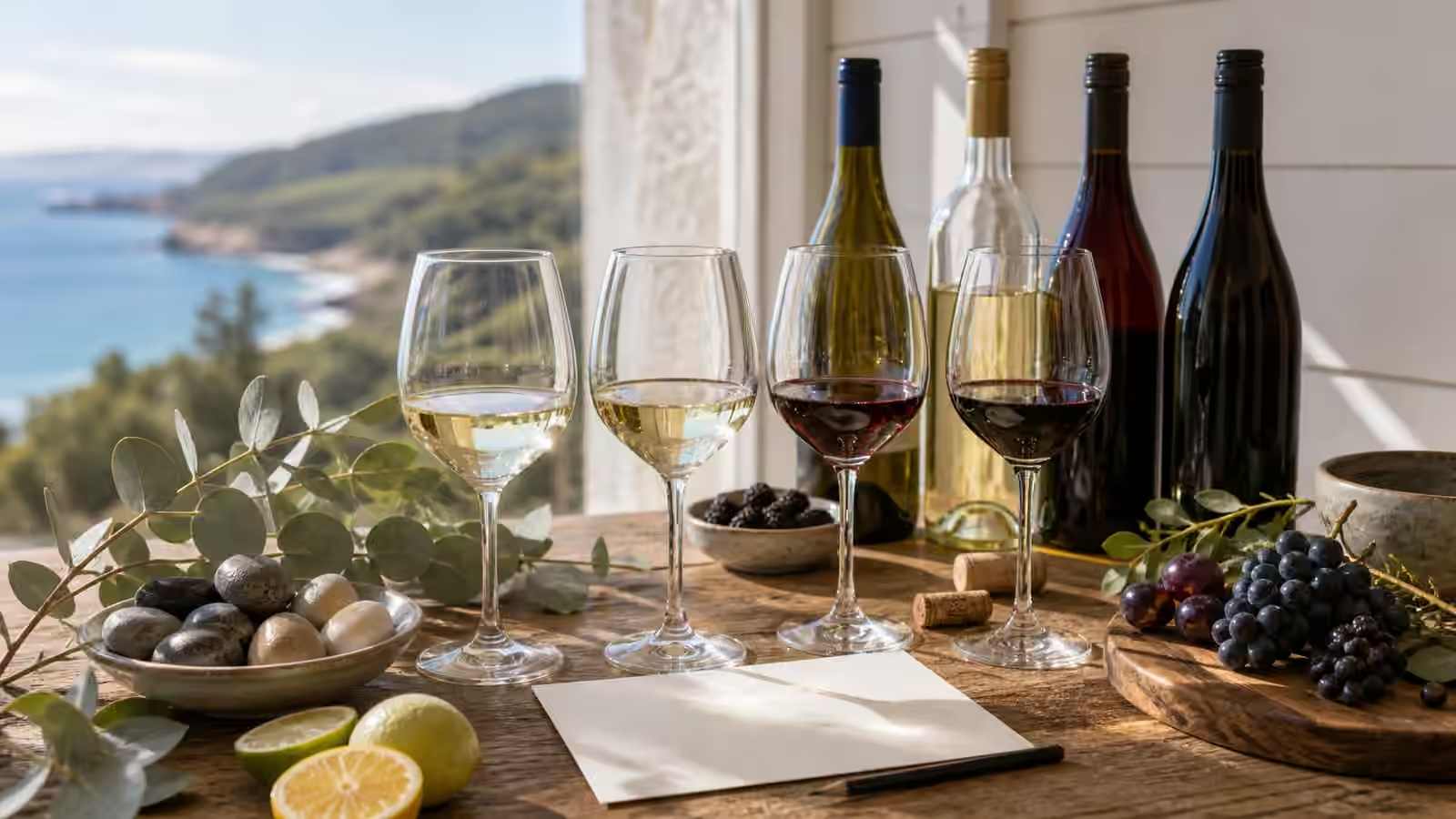
To learn the region, taste two Pinot Noirs side by side: one regional Willamette Valley bottle and one from a named subregion or vineyard. Notice whether the second wine gives more detail, more length, or simply a different expression. Then add a Willamette Chardonnay on another night and compare its acidity and texture with a Chardonnay from Burgundy or California. The goal is not to rank regions. It is to feel how climate, grape, and producer choices change the same familiar words.
The Willamette Valley is valuable because it makes subtlety approachable. It gives Pinot Noir enough fruit to welcome new drinkers and enough nuance to keep experienced tasters interested. It gives Chardonnay a cool-climate shape without turning it severe. Most of all, it teaches a calm lesson: a wine does not have to be large to have presence.