
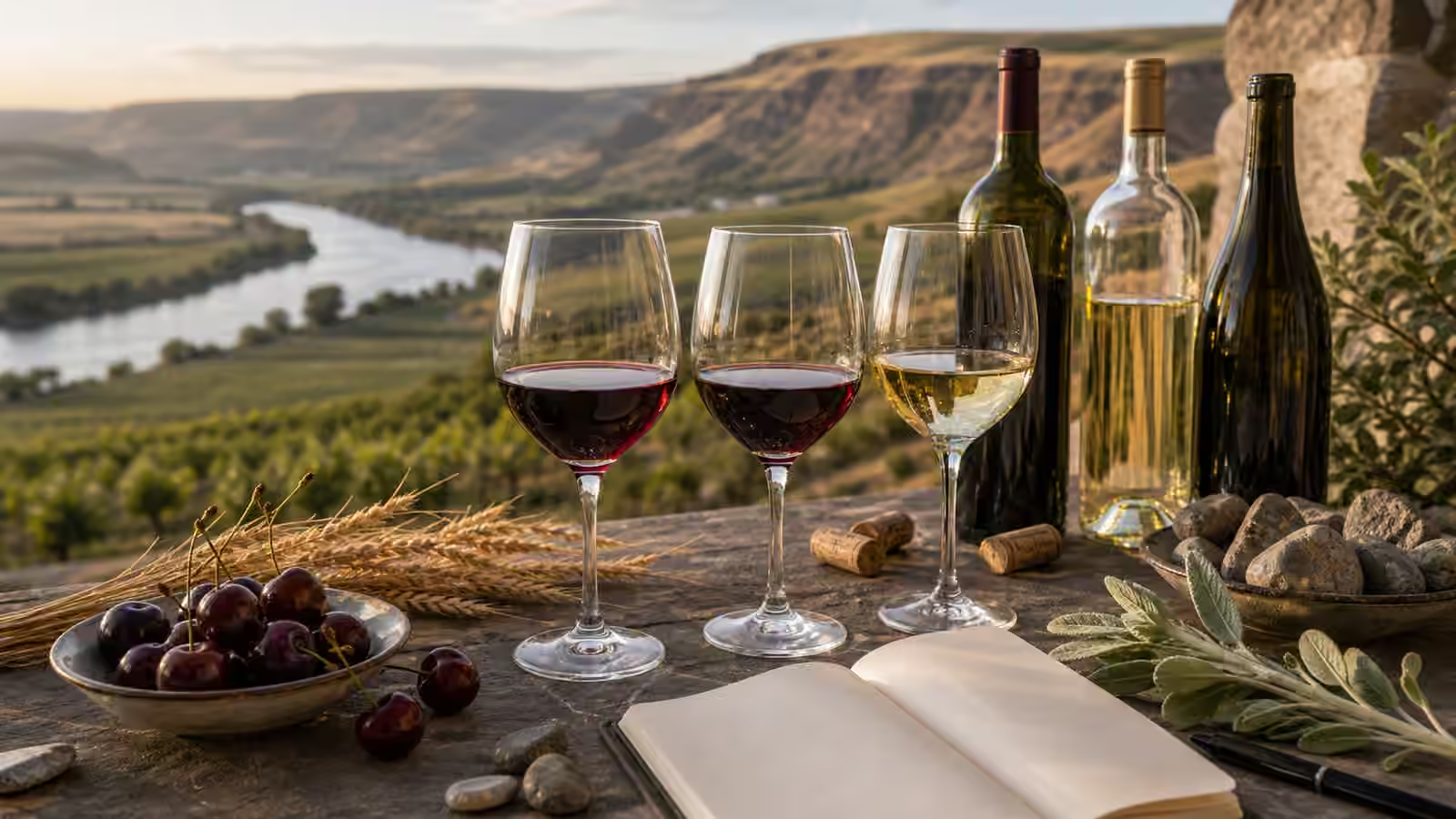
Washington State wine can be confusing because it sits between familiar categories. It is New World, but many of its best wines do not taste as soft or sun-baked as the warmest California examples. It makes Cabernet Sauvignon and Merlot, but not exactly in the Napa mold. It makes Syrah, but the style can range from dark and plush to peppery and savory. It makes Riesling and Chardonnay, but the white wines are not side notes. The unifying clue is climate: a dry interior, long sunny days, cool nights, irrigation, and enough structure to keep ripe fruit from going slack.
If Napa, Sonoma, and California Wine gives you one version of West Coast ripeness and Willamette Valley Pinot Noir gives you another version of cool-climate delicacy, Washington fills a useful middle lane. Its reds often have generous fruit, but they can also carry firm tannin, herbal detail, and a dry finish. Its whites can be bright, aromatic, and more serious than their shelf position sometimes suggests.
Columbia Valley Is The Main Frame
Most Washington wine comes from the broad Columbia Valley and its nested growing areas. The region is dry, with irrigation controlling much of the vine’s water. That gives growers a different set of choices than humid or rainy regions. Sunshine helps ripen grapes. Cool nights help preserve acidity. Wind, aspect, soil, elevation, and river influence create differences inside the larger region. The result is not one flavor, but a recognizable balance of ripe fruit and structural freshness.
Basalt, loess, gravel, sand, and old flood deposits often appear in discussions of Washington vineyards. You do not need to become a geologist to buy the wine, but the physical setting matters. Many sites can ripen Cabernet, Merlot, Syrah, and other red grapes without losing all acidity. That is why Washington reds can show black cherry, cassis, plum, cocoa, herbs, pepper, and firm tannin while still feeling less jammy than you might expect from the sunshine.
The broad lesson is the same one in Wine Terroir: Climate, Soil, and Vintage . Climate gives the starting expectation, but producer and site decide the exact shape. A Columbia Valley label is a doorway, not a complete answer.
Cabernet And Merlot Are Core Grapes
Cabernet Sauvignon is one of Washington’s strongest signatures. It can show blackcurrant, dark cherry, graphite, dried herbs, cocoa, cedar, and firm tannin. Compared with some warmer, softer Cabernet styles, Washington examples often keep a more angular frame. That can make young bottles feel dry or serious, especially if the wine is built for aging or oak influence is prominent. Food helps. Grilled beef, lamb, mushrooms, lentils, hard cheeses, and rosemary or pepper seasonings all give the tannin something to hold.
Merlot is just as important, even if it does not always get the same attention. Washington Merlot can be plush but not shapeless, with plum, cherry, chocolate, herbs, and a smoother tannic profile than Cabernet. It is often the more immediately generous choice for roast chicken, pork, burgers, tomato-rich dishes, and casual grilled food. A good Merlot can also add warmth to blends without making them heavy.
The buying distinction is structure. If you want grip, age potential, and a darker frame, Cabernet or a Cabernet-led blend may be the right path. If you want rounder fruit and an easier dinner red, Merlot or a Merlot-influenced blend may suit the table better. Understanding Wine Blends is useful here because Washington producers often use blending to balance Cabernet’s firmness with Merlot’s middle, Cabernet Franc’s perfume, or Petit Verdot’s color and spice.
Syrah Shows Washington’s Savory Side
Washington Syrah can be one of the state’s most exciting categories because it is not locked into one style. Some bottles are dark, plush, and polished, with blackberry, blueberry, smoke, chocolate, and sweet spice. Others are peppery, meaty, floral, olive-scented, herbal, and more restrained. Whole-cluster fermentation, vineyard site, harvest timing, and oak all affect the result.
If Syrah and Shiraz taught the difference between warm generosity and cool savory lift, Washington gives a strong American case study. The best examples often combine ripe fruit with a dry, spicy, earthy finish. They can work beautifully with grilled lamb, sausages, mushrooms, eggplant, smoked foods, lentils, and peppered dishes.
The risk is overbuilding. A Syrah with too much oak, alcohol, and extraction can become heavy. A Syrah with savory detail and freshness can feel complex without being difficult. Ask the shop whether the bottle is plush and modern or peppery and Northern Rhone-leaning. That one question can prevent many mismatches.
Riesling And White Wines Matter
Washington Riesling is sometimes inexpensive and simple, which can hide how useful the grape is in the state. The best dry and off-dry bottles can be citrusy, peachy, floral, mineral, and sharply fresh. Lower alcohol may suggest some residual sugar, but the balance depends on acidity. A barely sweet Riesling with strong acid can taste lively rather than sugary, especially with spicy food, salty snacks, pork, or aromatic dishes.
Wine Sweetness: Dry, Off-Dry, and Residual Sugar is essential for understanding these bottles. Sweetness is not a simple good-or-bad signal. In Riesling, it can carry fruit and tame heat while acidity keeps the finish clean. If you are pairing wine with chile, ginger, barbecue glaze, or salty fried food, Washington Riesling can be more useful than a dry high-alcohol red.
Chardonnay, Sauvignon Blanc, Semillon, Viognier, and white blends also appear across the state. Some are fresh and direct. Some are textured and oak-influenced. Semillon can add waxy body and lemony depth. Sauvignon Blanc can bring herbs and citrus. Chardonnay can range from clean and apple-driven to fuller and barrel-shaped. The better question is not whether Washington makes white wine, but what weight of white the meal needs.
Serving And Buying With Context
Washington reds often benefit from a slight chill if the room is warm. Cooler service keeps alcohol quieter and tannin more precise. Young structured reds may also benefit from air, though decanting should serve the wine rather than perform ceremony. The practical advice in Serving Temperature and Decanting is especially helpful here because Washington’s ripe fruit can seem sweeter when served too warm.
When buying, ask for the bottle by role. A Columbia Valley Cabernet for grilled meat is different from a Washington Riesling for spicy takeout. A savory Syrah is different from a plush Merlot. A structured red blend is different from a soft weeknight red. If the label names a more specific area or vineyard, treat it as a clue that the producer is emphasizing site. If the label is broad, focus more on grape, alcohol, producer, and shop guidance.
Washington is not simply a value alternative to California or a footnote to Oregon. It has its own grammar: dry interior sunshine, cool nights, ripe fruit, firm structure, aromatic whites, and reds that often want the table. Once you learn that grammar, the bottles become easier to place and much easier to enjoy.


