Syrah is one of the great examples of how a grape can keep its identity while changing its volume. In one glass it may be savory, peppery, floral, smoky, and almost restrained. In another it may be full, ripe, plush, dark-fruited, and polished by oak. The name Shiraz often appears on warmer, more generous examples, especially from Australia, but the grape is the same. What changes is climate, picking decision, cellar style, and the local idea of what the wine should do.
The easiest mistake is to treat Syrah as simply big red wine. Some examples are big, but the grape’s real signature is a mix of dark fruit and savory detail. Blackberry, blueberry, plum, violet, black pepper, olive, smoke, meat, licorice, herbs, and dark chocolate can all appear. The balance among those notes tells you more than the grape name alone. Major Wine Grapes by Structure gives the baseline. This guide slows down the Syrah part of that map.
Pepper Is A Clue, Not A Trick
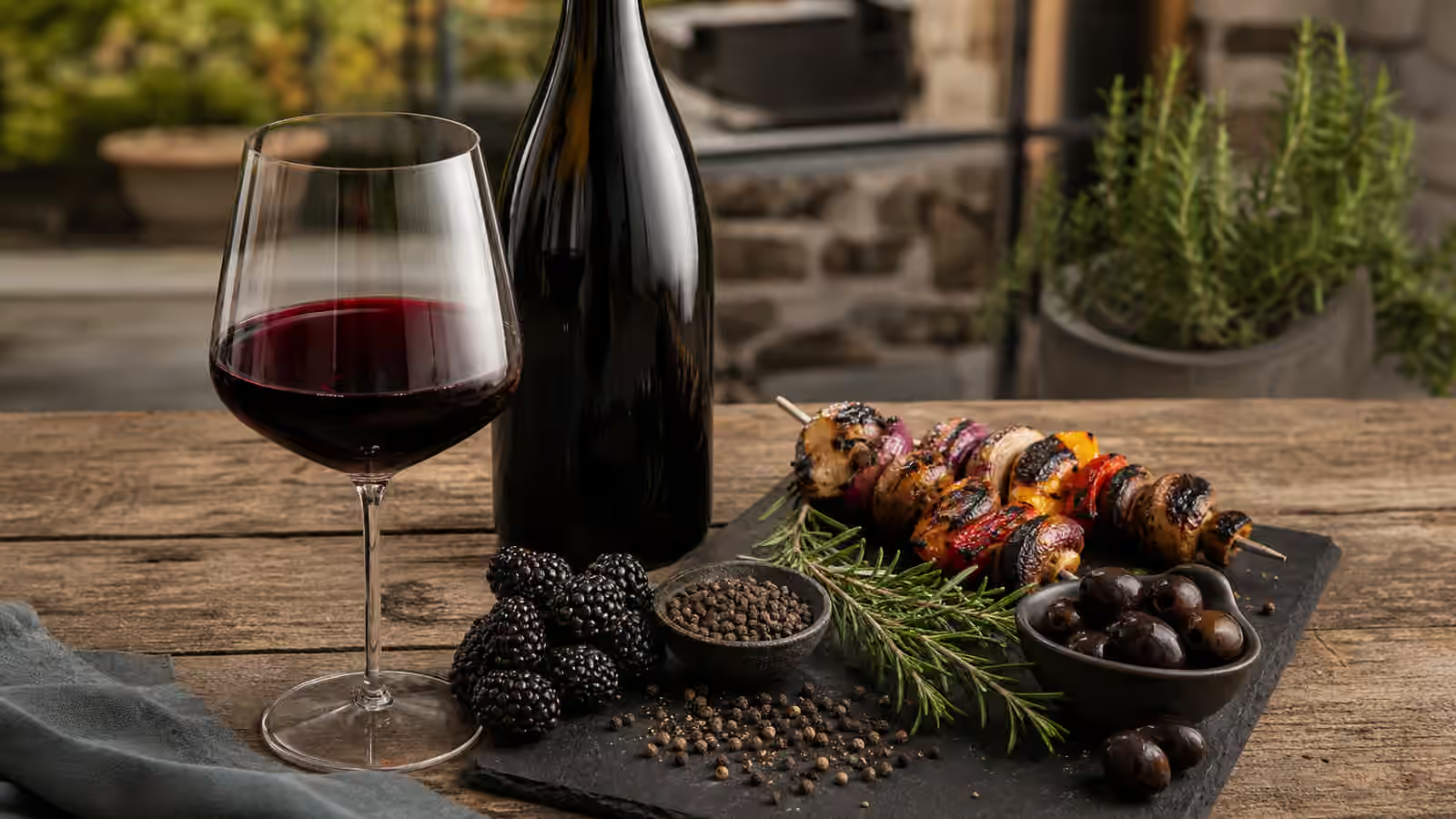
Black pepper is the aroma people most often connect with Syrah. It can be vivid in cooler-climate wines, especially when the fruit is ripe enough but not overripe. The pepper note does not have to make the wine harsh. At its best it lifts the fruit, adds tension, and makes the wine feel hungry for food. A peppery Syrah with lamb, mushrooms, lentils, olives, or grilled eggplant can taste more complete than a fruitier red because the seasoning is already in the glass.
Pepper also helps separate Syrah from Cabernet Sauvignon in a tasting. Cabernet often brings blackcurrant, cedar, mint, graphite, and a more square tannic frame. Syrah may bring darker berries, violet, smoke, olive, meat, and a different kind of grip. The comparison is not always easy, especially when oak is strong, but the savory line of Syrah tends to feel less like polished wood and more like herbs, char, and spice.
Not every Syrah smells peppery. Warmer climates, later picking, and certain winemaking choices can push the grape toward ripe plum, blackberry jam, chocolate, licorice, vanilla, and sweet spice. That style can be satisfying when balanced, especially with hearty food. It becomes tiring when alcohol, sweetness of fruit, and oak all move in the same heavy direction without enough freshness underneath.
Cool Climate Syrah Has Tension
Cooler Syrah is often medium to full-bodied rather than massive. It may have firm tannin, bright acidity, and a clear savory edge. Northern Rhone names such as Cote-Rotie, Hermitage, Saint-Joseph, Crozes-Hermitage, and Cornas are classic reference points, but many other regions make cool or restrained Syrah. These wines can smell of blackberry, smoked meat, pepper, violet, olive, herbs, iron, or bacon fat. That list sounds intense, yet the best examples are not crude. They are detailed.
The challenge with cool Syrah is that it may seem austere if you expect soft fruit. Young bottles can be tight, tannic, smoky, or herbal. Food changes that quickly. Salt and fat can smooth tannin. Browning and char can bring fruit forward. Mushrooms and herbs can make the savory side feel intentional rather than severe. Wine Structure is useful here because tannin is not a flaw when the table gives it a job.
Cool Syrah also benefits from careful serving. Too warm, and alcohol can obscure pepper and flower. Too cold, and tannin can feel hard while fruit disappears. A slight chill can help a lighter bottle, but a structured wine may need time in the glass or a decanter. The same practical advice from Serving Temperature and Decanting applies: adjust slowly and taste as the wine changes.
Warm Climate Shiraz Brings Generosity
Warmer-climate Shiraz often has more body, more alcohol, softer acidity, and riper fruit. Australian examples made the name famous for many drinkers, but warm Syrah or Shiraz can come from many places. The aromas may lean toward blackberry, plum, blueberry, mocha, licorice, dark chocolate, sweet spice, or vanilla. Oak can be more noticeable, and the texture may be rounder.
This style is not less serious by default. A generous Shiraz can be beautifully balanced when freshness, tannin, fruit, and oak stay in proportion. It can be generous without being sweet, polished without being anonymous, and powerful without becoming hot. The danger is excess. If the wine smells mostly of jam, vanilla, and alcohol, it may struggle with food and become tiring after the first glass.
Warm Shiraz is especially useful when the meal has enough intensity. Grilled meats, peppered dishes, smoky vegetables, rich stews, sausages, burgers, and hard cheeses can all handle the fruit and body. A very delicate dish will disappear. A spicy dish can become hotter if the wine has high alcohol, so look for lower alcohol, juicier fruit, or even a different wine if the heat is serious.
Oak, Whole Clusters, And Blends Shape The Edges
Oak can add vanilla, toast, smoke, clove, coconut, cedar, or chocolate. In Syrah, oak can either polish the wine or cover the savory details that make the grape distinctive. New oak and ripe fruit can be delicious in the right proportion, but if the wine tastes more like barrel than grape, the pepper, olive, and violet side may disappear.
Whole-cluster fermentation, where some stems remain with the grapes, can add perfume, spice, herbal lift, and structural tension when handled well. It can also make a wine taste green or woody if the stems are not ripe enough or the proportion is too high. You do not need to master the technique to benefit from the clue. If a Syrah smells especially floral, spicy, and lifted, whole clusters may be part of the reason.
Blending is common too. In the southern Rhone, Syrah often works with Grenache, Mourvedre, and other varieties, adding color, spice, tannin, and savory depth. Understanding Wine Blends explains why this matters. Syrah can be the main voice or the supporting bass note. A Grenache-heavy blend may taste red-fruited and warm, while Syrah darkens the profile and tightens the frame.
Pairing Syrah With Food
Syrah’s natural partners are foods with browning, smoke, herbs, pepper, fat, or earthy depth. Lamb is the classic, but it is not the only answer. Mushrooms, lentils, eggplant, beef, duck, sausages, olives, rosemary, thyme, black pepper, hard cheeses, and slow-cooked beans all work because they echo the wine’s savory side. The grape is especially good when a dish has more than simple protein: a charred edge, a pepper crust, a herb sauce, or a smoky element gives the wine something to hold.
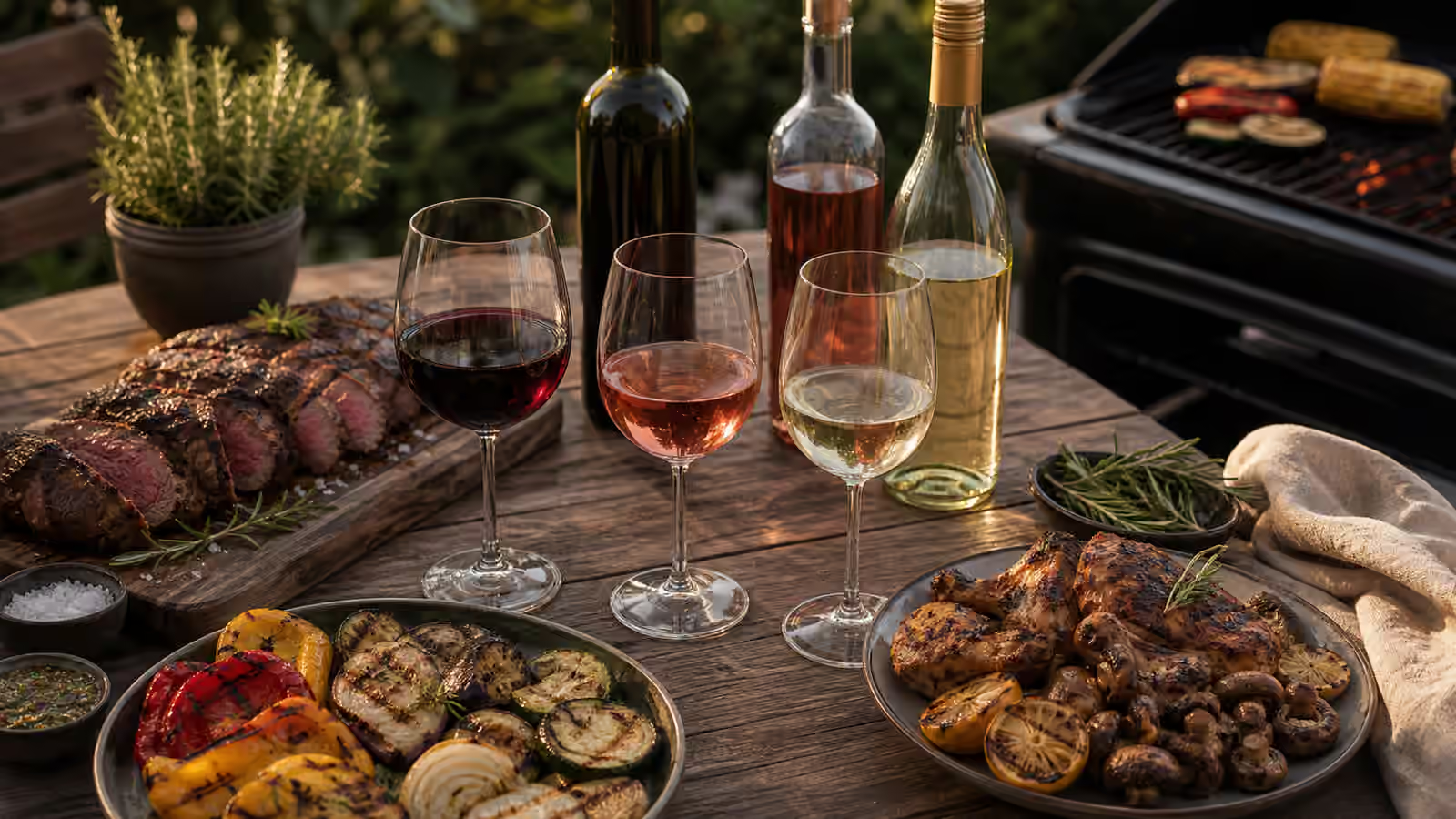
The new pairing question is smoke. Grill smoke can make some wines taste sweet and flat, while Syrah often stays interesting because it already carries smoke, pepper, and dark fruit. For a broader table plan, Wine Pairing with Grilled Foods helps separate char, sauce, fat, and heat. Syrah belongs there, but it is not always the only answer.
If you want to learn quickly, taste a cooler Syrah beside a warmer Shiraz with the same dinner. Try a mushroom dish, a grilled vegetable, and a piece of browned meat or salty cheese. The cooler wine may win on pepper and freshness. The warmer wine may win on fruit and generosity. The better bottle is the one whose structure makes the food taste more alive.
How To Buy Without Guessing
At the shop, describe the style before the grape. Ask for savory, peppery, cool-climate Syrah if you want lift and food focus. Ask for fuller, ripe, polished Shiraz if you want generosity and dark fruit. Mention if you dislike heavy oak or high alcohol. Mention the food. A good shop can translate those preferences into region and producer more reliably than a label can.
Alcohol helps as a rough clue. Lower or moderate alcohol often suggests a fresher, more restrained wine, while higher alcohol may indicate ripeness and fullness. It is not a quality ranking. It is a preparation note. Region names can help too, but producer style matters. Some warm regions make balanced wines, and some cool-region bottles can still be very concentrated.
Syrah rewards attention because it sits between fruit and savor so clearly. Once you know what pepper, smoke, olive, dark fruit, tannin, and oak are doing, the grape becomes less intimidating and more useful. It can be a winter wine, a grill wine, a mushroom wine, a lamb wine, or a study in how red wine can be powerful without losing detail.