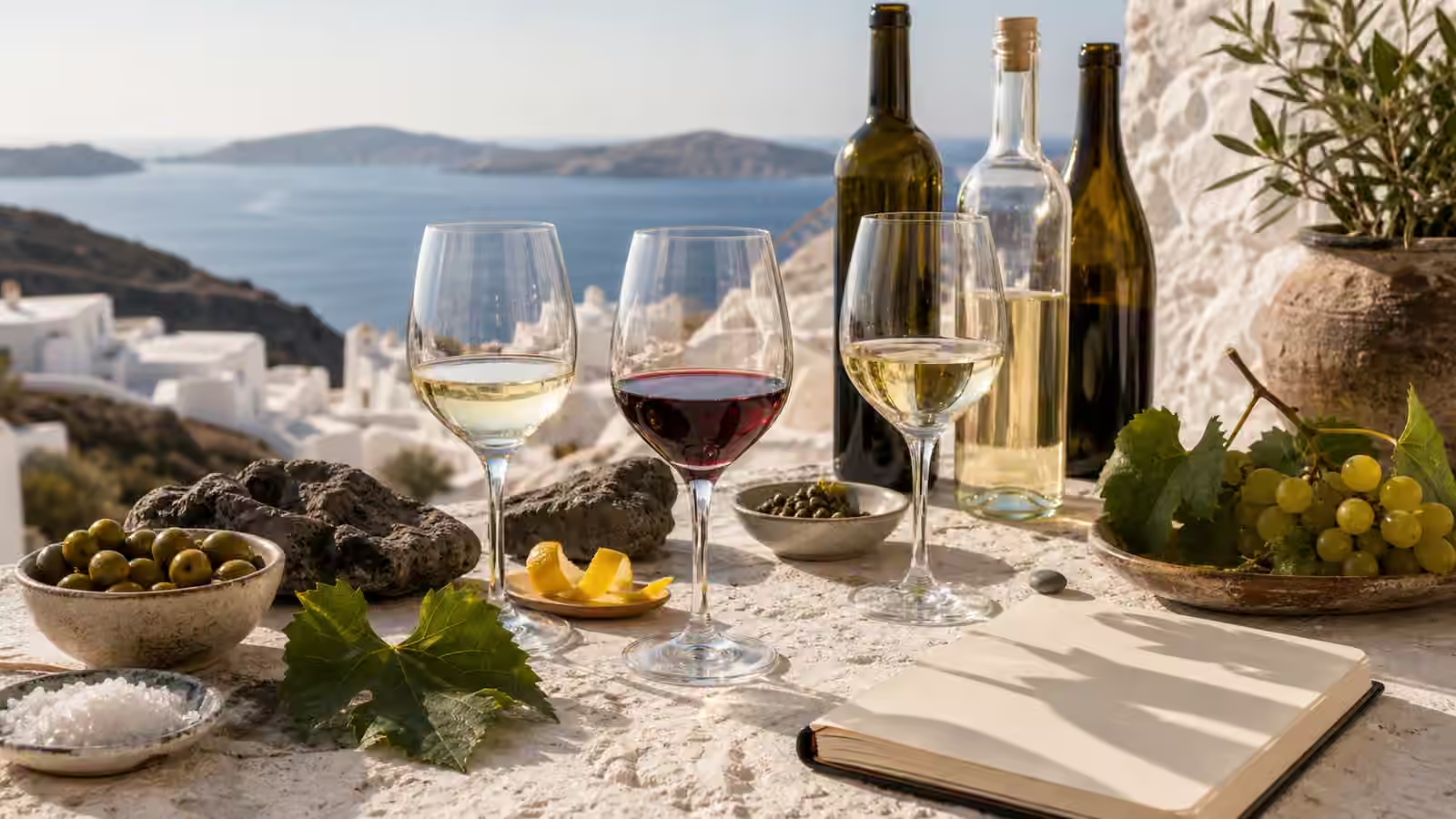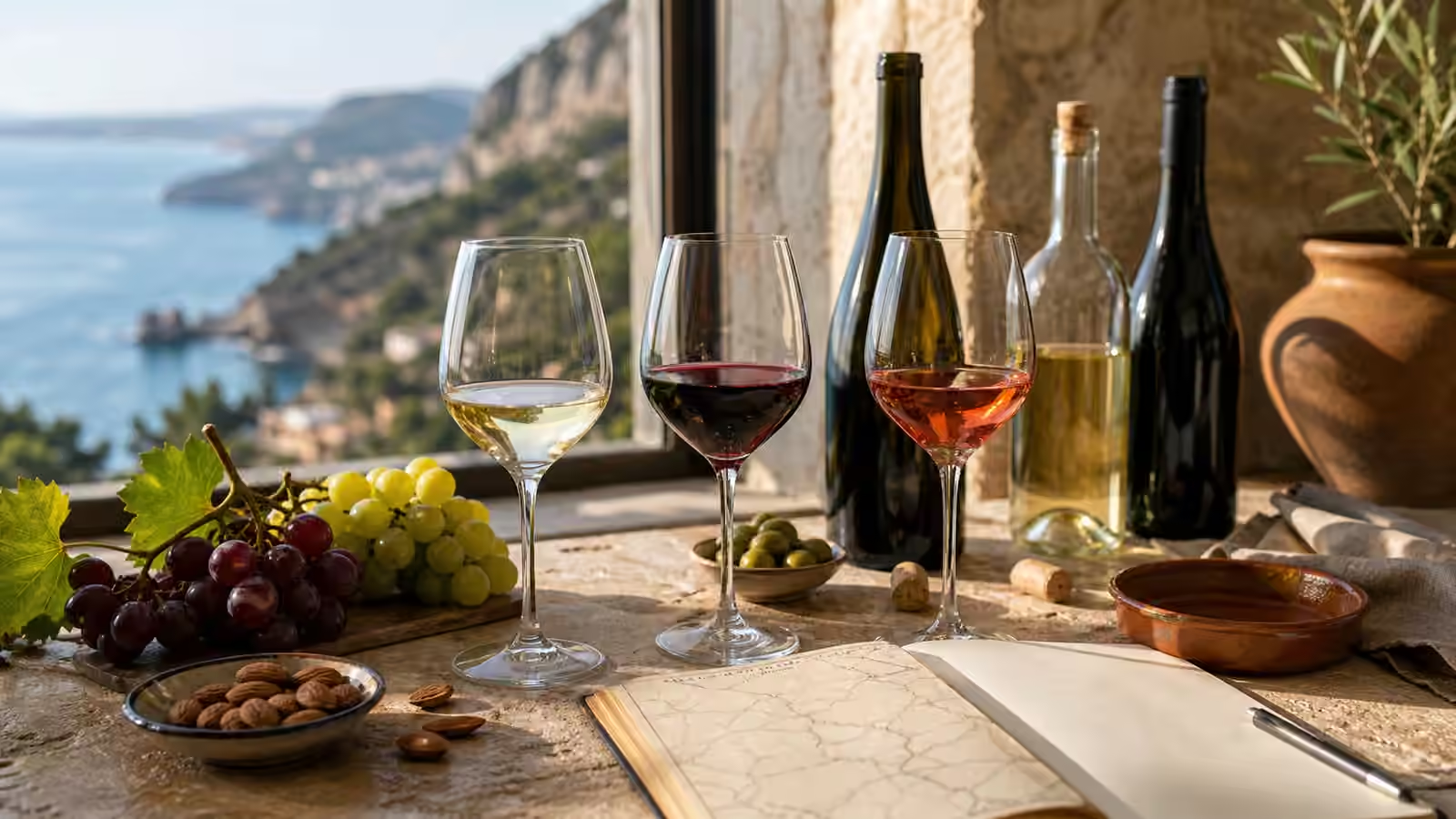
Rioja is the Spanish wine many drinkers meet first, and it deserves its place. Tempranillo, American oak, age statements, and savory red fruit can teach a lot. But Spain is much larger than that one mental picture. The same country that makes polished Rioja also makes sea-sprayed Albarino, textured Godello, mountain Garnacha, dark Monastrell, mineral reds from Priorat, traditional-method sparkling wine, pale island whites, and fortified wines that belong to a separate conversation. The shelf can look scattered until you learn to read Spain by climate and structure.
The most useful starting point is to keep Rioja, Tempranillo, and Aging Labels in one lane and ask what the rest of the bottle is trying to do. Is it coastal and sharp, inland and ripe, mountain-grown and perfumed, oak-polished and serious, or built for tapas and a chill? Spain answers all of those questions. Once you stop asking every Spanish red to taste like Rioja, the labels become friendlier and the food pairings get much easier.
Start With Coast, Altitude, And Heat
Spain’s wine map is shaped by contrast. The Atlantic northwest is green, wet, and cool enough to make whites with high acidity and salty edges. The Mediterranean coast can be warm, sunny, herbal, and generous. Inland plateaus bring big day-night swings, where grapes ripen in the sun but may keep freshness after cool nights. Mountain areas can make wines that feel lifted despite warm latitude. Islands add another kind of identity through wind, volcanic soils, and local grape traditions.
That means a Spanish label often gives you a climate clue before it gives you a flavor clue. Rias Baixas points toward Albarino with citrus, peach, saline freshness, and shellfish logic. Valdeorras may suggest Godello with more body, pear, stone fruit, and a quiet waxy texture. Priorat often means concentrated reds from steep, dry slopes, with dark fruit, mineral grip, and serious structure. Jumilla can mean Monastrell with warmth, blackberry, herbs, and a firm but generous frame.
This is the same structural habit used in Wine Terroir: Climate, Soil, and Vintage . You do not need to memorize every appellation. You need to ask whether the wine is likely to be brisk, broad, tannic, ripe, savory, or aromatic. Region, grape, alcohol, importer, and shop language all help.
Albarino Is The Easy Coastal Doorway
Albarino from Rias Baixas is one of Spain’s clearest white-wine signatures. It often smells of lime, grapefruit, white peach, flowers, herbs, or sea spray. The body is usually light to medium, with enough acidity to keep the finish clean. Some examples are simple and refreshing. Others have lees texture, concentration, and a salty persistence that makes them feel serious without becoming heavy.
The food logic is direct. Albarino loves shellfish, grilled fish, ceviche, fried seafood, fresh cheeses, lemony salads, and salty snacks. It belongs near the seafood guidance in Pairing Wine With Seafood and Shellfish because it behaves like citrus and coastal air in a glass. If Sauvignon Blanc sometimes feels too grassy, Pinot Grigio too neutral, and Chardonnay too broad, Albarino can be the useful middle.
Godello is the next white to know because it fills a different role. It can be more textured than Albarino, with pear, apple, citrus, almond, herbs, and mineral notes. Some bottles are fermented or aged in neutral vessels; others see oak. The best versions keep freshness while adding enough body for roast chicken, richer fish, mushrooms, and creamier dishes. If Albarino is the coastal refresher, Godello is often the dinner white with shoulders.
Garnacha Can Be Juicy Or Serious
Garnacha, known as Grenache in France, is one of Spain’s great red grapes. In simple form, it can be juicy, red-fruited, soft, and generous, especially when grown in warm areas. In older-vine or higher-altitude form, it can become floral, spicy, mineral, and surprisingly elegant. This split is important because Garnacha is not one mood. It can pour like a picnic red with a slight chill, or it can carry the depth of a serious mountain wine.
If you already understand Southern Rhone Mediterranean Blends , Garnacha gives you a Spanish version of the same broader family. Look for red cherry, raspberry, strawberry, herbs, pepper, licorice, warm stones, and sometimes a soft touch of oak. Alcohol can be high in warm examples, so freshness matters. A wine with ripe fruit but no lift can feel sweet and tiring. A wine with enough acidity and savory detail can be wonderfully flexible at the table.
Garnacha works with grilled vegetables, roast chicken, pork, sausages, hard cheeses, lentils, tomato dishes, and casual tapas spreads. If the bottle is light and bright, try it slightly cool. If it is structured and concentrated, give it fuller food and a larger glass.
Monastrell And Priorat Bring Darker Power
Monastrell, called Mourvedre in parts of France, often gives darker fruit, firmer structure, dried herbs, meatiness, and warmth. Jumilla and nearby areas can produce wines that are generous without being expensive in reputation, though style varies widely. Some bottles are plush and modern. Others are savory, chewy, and rustic. The grape tends to like food with depth: grilled lamb, mushrooms, eggplant, bean stews, smoked paprika, hard cheeses, and slow-cooked dishes.
Priorat is a different kind of power. The region is famous for steep vineyards, old vines, and intense reds often built from Garnacha and Carinena, sometimes with international grapes. The wines can show black fruit, licorice, herbs, mineral grip, and serious concentration. They are not the first bottle to open for a delicate salad. They make more sense when the meal can meet them with salt, fat, char, and time.
The practical warning is not to treat strength as quality by itself. Spain can produce beautiful powerful reds, but a balanced bottle still needs freshness, proportion, and a finish that invites another sip. Wine Structure: Acidity, Tannin, Body, Sweetness, Alcohol, and Finish is the better judge than a label that merely sounds important.
Spain Also Has Sparkle, Islands, And Sherry Country
Cava and other Spanish sparkling wines deserve attention because they can bring traditional-method texture without needing Champagne’s identity. Some are simple and crisp. Better examples can be dry, savory, lemony, almond-like, and excellent with fried foods, olives, anchovies, potatoes, and cured meats. The method clues in Champagne, Cremant, Cava, and Prosecco apply well here.
The Canary Islands, Galicia, the Basque Country, Catalonia, and Andalucia all add further variety. Txakoli can be low-alcohol, brisk, and lightly spritzy. Island wines may show volcanic austerity, salt, smoke, or unusual local grapes. Dry wines from Sherry country can be fascinating even before you enter fortified styles. When a Spanish bottle looks unfamiliar, that can be the point. The country has many local grapes that were never trying to imitate Cabernet, Chardonnay, or Pinot Noir.
The best shopping question is simple: what job should this Spanish wine do? For shellfish, ask for Albarino or another crisp coastal white. For textured white wine, ask about Godello. For juicy red with a chill, ask for fresher Garnacha. For a deeper grilled-food red, ask about Monastrell or a restrained Priorat-style bottle. For tapas and fried snacks, consider Cava. Spain stops being confusing when you let each region answer a real table need.