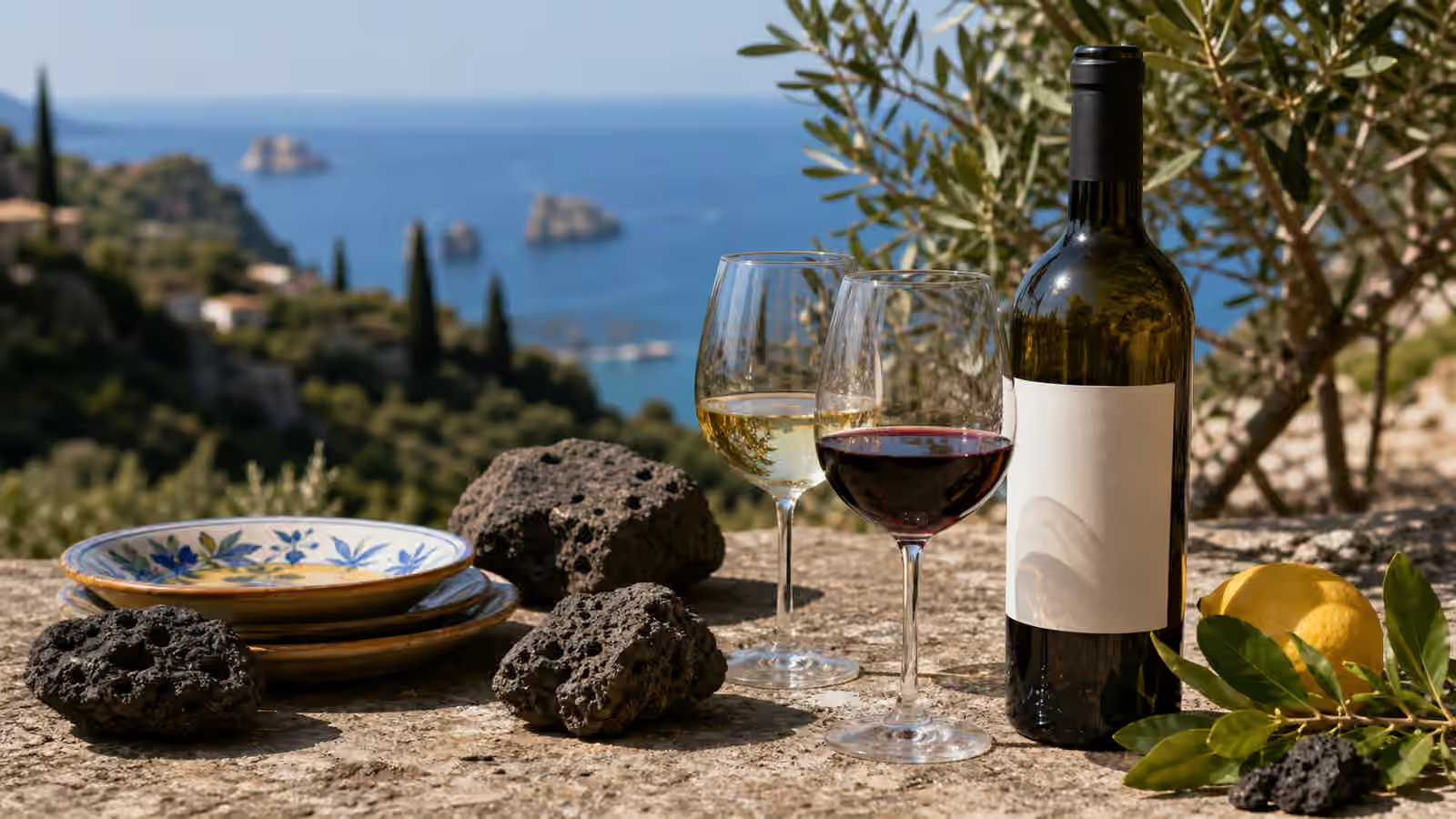
Italian wine is easy to reduce to a few famous names: Chianti, Barolo, Prosecco, Pinot Grigio. Those are useful landmarks, but they leave out a huge southern world of volcanic slopes, coastal whites, sun-fed reds, bitter herbs, citrus, seafood, and native grapes that often make more sense with dinner than with prestige language. Sicily and Southern Italy are especially helpful because they show warmth and freshness working together rather than canceling each other out.
This guide builds on Italian Wine Labels Without Panic , which explains how place, grape, producer, and classification clues fit together. Here the focus is narrower: how to think about Sicily, Etna, Campania, Puglia, Basilicata, Calabria, and nearby southern styles by structure and food. You do not need to memorize every denomination. You need enough orientation to know when a wine is likely to be bright, smoky, floral, tannic, salty, broad, or generous.
Sicily Is Not One Flavor
Sicily is large, varied, and surrounded by water, so it cannot be described as one warm island style. Western Sicily can give crisp whites and fortified traditions. Southeastern Sicily is known for Nero d’Avola and the red wines of Cerasuolo di Vittoria, where Nero d’Avola often meets Frappato. Mount Etna, in the northeast, has become famous for high-elevation volcanic wines that can feel more lifted, smoky, and tense than people expect from a Mediterranean island.
Nero d’Avola is the grape many drinkers meet first. It can be plush, dark-fruited, and easy to enjoy, with notes of black cherry, plum, licorice, herbs, or spice. In simple bottles, it may be soft and generous. In better bottles, especially from thoughtful producers, it can keep enough acidity and tannin to feel alive at the table. Cerasuolo di Vittoria often adds Frappato’s red-fruited fragrance and lighter body, creating a wine that can work with tomato sauces, tuna, eggplant, grilled vegetables, pork, and hard cheeses.
If you like red wines that are food-friendly without being thin, Sicily is worth attention. The island can provide everyday reds with warmth, but it can also provide wines with real snap. The difference is site, grape, harvest timing, and producer intention.
Etna Is Volcanic, But Structure Matters More Than Romance
Etna wine attracts dramatic language because the vineyards sit on an active volcano. The setting matters, but the useful tasting clues are more concrete. Etna Rosso is usually based on Nerello Mascalese, often with Nerello Cappuccio. The wines can be pale to medium in color, aromatic, red-fruited, smoky, herbal, and firmly structured. They may remind some drinkers of Pinot Noir or Nebbiolo because of their color and tannin, but Etna has its own shape: mountain freshness, volcanic grit, dried herbs, and a savory edge.
Etna Bianco is commonly based on Carricante, a white grape that can make wines with citrus, apple, herbs, saline notes, and strong acidity. Some examples are lean and stony. Others gain texture with lees, oak, or bottle age. They can be excellent with seafood, chicken, capers, olives, fried foods, and dishes where acidity needs to clean up oil or salt.
The danger is buying the word Etna instead of the wine. Demand and reputation can raise prices. Some bottles are delicate and transparent, while others are ambitious, oaked, or tightly wound. Ask whether the wine is ready to drink, whether it needs food, and whether the producer favors freshness or power. How to Buy Wine Without Guessing is especially useful in a region where fame can outrun familiarity.
Campania Makes Whites With Bones
Campania is one of Southern Italy’s best places for white wine with structure. Fiano, Greco, and Falanghina are the names to know first. Fiano di Avellino can be waxy, nutty, floral, smoky, citrusy, and quietly rich, often with a texture that makes it more than a simple aperitif. Greco di Tufo tends to be firmer, more mineral, and sometimes slightly tannic in feel for a white wine. Falanghina is often more immediately fresh, with citrus, orchard fruit, flowers, and a clean finish.
These whites are useful because they handle food that would flatten many simple crisp wines. Fiano can work with roast chicken, richer fish, herbs, mushrooms, and aged cheeses. Greco can stand up to fried seafood, lemony dishes, and salty plates. Falanghina can refresh salads, shellfish, fresh cheeses, and casual meals. If Wine Structure made you think mostly about red wine, Campania whites show that body, acidity, texture, and finish matter just as much in white bottles.
Campania also makes Aglianico, especially in Taurasi and surrounding areas. Aglianico can be dark, tannic, savory, smoky, and age-worthy, with black fruit, leather, earth, and firm acidity. It is not a soft beginner red when made seriously. It wants protein, salt, time, or all three. But for drinkers who enjoy structured reds, it is one of Italy’s great southern anchors.
Puglia, Basilicata, And Calabria Add Warmth With Character
Puglia is often associated with Primitivo and Negroamaro. Primitivo can be ripe, dark, spicy, and generous, sometimes with a plush texture that appeals to drinkers who like Zinfandel. Negroamaro can be darker, more bitter-edged, herbal, and savory. Both can be simple and warming, but better versions keep enough freshness and bite for food. Look for balance rather than maximum ripeness.
Basilicata is the home of Aglianico del Vulture, another volcanic expression of Aglianico. These wines can be powerful and tannic, but the volcanic soils and altitude can bring a different kind of tension from Campania. They are natural partners for grilled meat, braised dishes, mushrooms, hard cheeses, and anything with char or depth.
Calabria and other southern areas bring more local grapes and coastal instincts. You may see Gaglioppo, Magliocco, Greco Bianco, and other names depending on the producer and region. The details can be fascinating, but the buying method remains simple: ask about weight, tannin, freshness, and food.
Food Is The Best Way Into The Region
Southern Italian wines make the most sense with food because the cuisines around them are full of olive oil, tomato, fish, herbs, eggplant, peppers, capers, citrus, beans, pasta, grilled meats, and aged cheeses. A crisp southern white can make fried seafood feel lighter. A volcanic red can bring smoky tension to grilled vegetables or pork. A Nero d’Avola can meet tomato and herbs without becoming bitter. Aglianico can turn severe on its own and then become compelling with a salty, fatty dish.
This is where Pairing Wine with Vegetarian and Plant-Based Food becomes relevant. Eggplant, mushrooms, tomatoes, beans, olives, and herbs are not side issues in southern Italian cooking. They are central pairing partners. Wines from the region often understand those flavors better than heavier reds built around steakhouse logic.
The southern Italian lesson is generosity with edges. Warmth gives fruit and body. Coast, altitude, acidity, volcanic soils, and native grapes bring lift, bitterness, smoke, salt, or grip. Once you start tasting those tensions, Sicily and Southern Italy stop being a vague value category and become one of the most rewarding parts of the Italian shelf.