Seafood pairing is often reduced to one rule: drink white wine. That rule is not useless, but it is too blunt. A raw oyster, grilled salmon, fried calamari, lobster with butter, tuna steak, mussels in broth, and spicy shrimp do not ask for the same bottle. Some need sharp acidity. Some need bubbles. Some need texture. Some can handle rose or light red wine. The better method is to read salt, fat, texture, cooking method, and sauce before choosing the wine.
This is the same practical logic behind Pairing with Modern Foods , just focused on the sea. Seafood is delicate in some forms and powerful in others. Shellfish can be sweet, briny, creamy, mineral, or rich. The wine should make the next bite clearer, not bury it under oak, alcohol, tannin, or perfume.
Start With Salinity And Acid
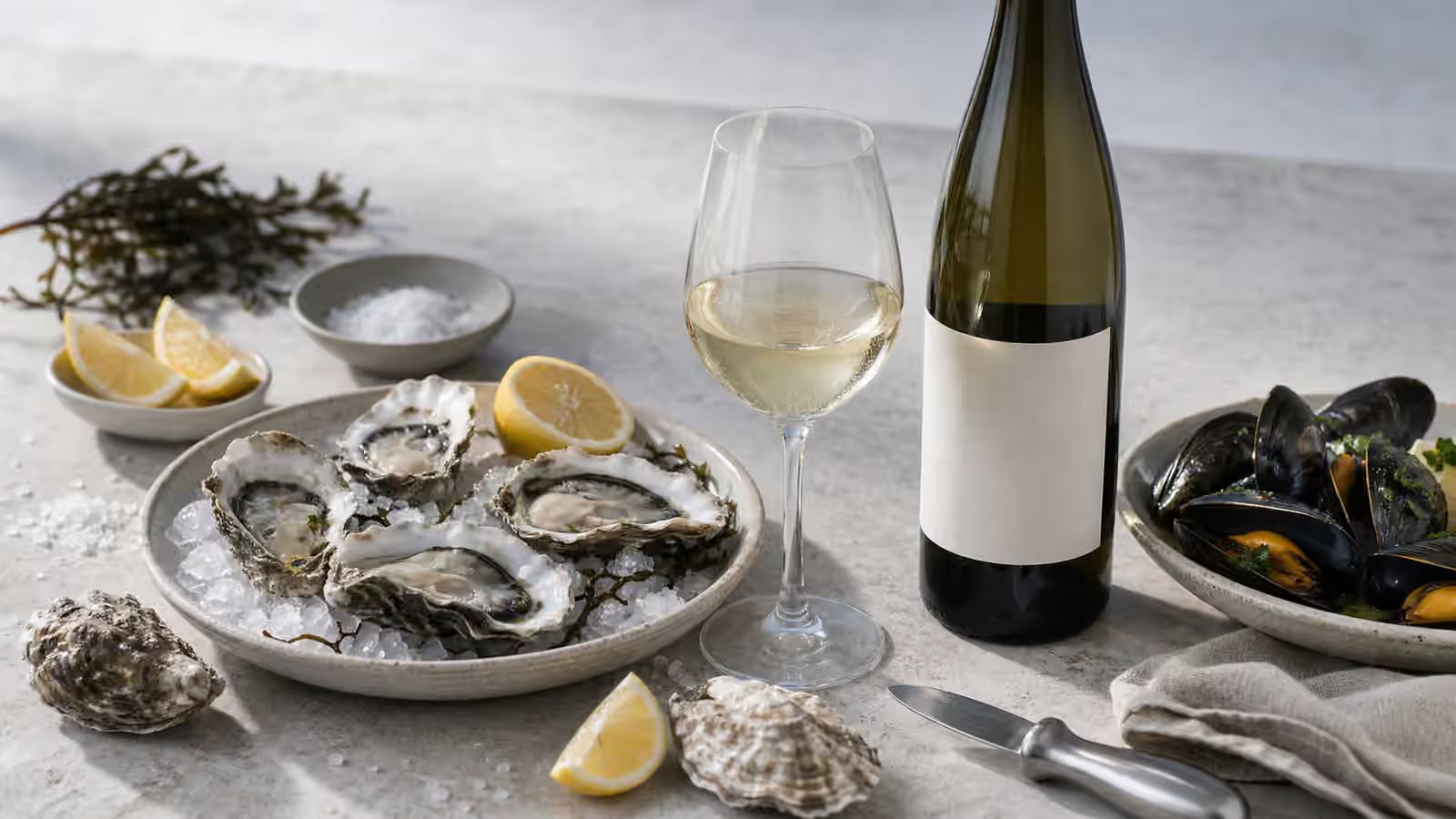
Raw shellfish is the cleanest place to learn the pairing. Oysters, clams, and very simple crudo usually want acidity, low body, and a finish that feels dry and clean. Muscadet, Chablis, dry sparkling wine, coastal Sauvignon Blanc, Albarino, Vermentino, and similar whites work because they behave like lemon, sea air, and a cold mineral edge. They do not add weight where the food is already precise.
The reason is structural. Salt makes wine feel fruitier and softer. Acid refreshes the palate. A dry, high-acid white can make a briny oyster taste sweeter and more vivid. A broad, oaky, high-alcohol white can make the same oyster taste metallic or tired. Wine Structure gives the vocabulary for this: body, acidity, alcohol, sweetness, and finish matter before grape fame does.
If the seafood is served with lemon, mignonette, vinegar, green herbs, or a salty broth, keep the wine bright. If the dish is very simple, avoid wines that need to be the center of attention. Raw shellfish is not the moment for heavy oak or high tannin.
Bubbles Are More Useful Than Ceremony
Sparkling wine belongs with seafood because bubbles and acidity clean up salt, fat, and frying. Champagne can be wonderful, but it is not the only option. Cremant, Cava, Franciacorta, traditional-method sparkling wines from many regions, and some dry sparkling roses can all work well when the wine is genuinely dry and fresh. The guide to Sparkling Wine Label Clues helps because sweetness, method, lees aging, and pressure change how the bottle behaves.
Fried seafood is where sparkling wine feels especially practical. Fried oysters, calamari, fish and chips, crab cakes, and tempura all need a wine that cuts oil without adding heaviness. Bubbles scrub the palate while acidity resets it. A still high-acid white can do the job too, but sparkling wine adds texture that makes fried food feel lighter.
Lees aging can be helpful when the dish has breading, butter, or a toasted element. A sparkling wine with bready, nutty, or savory notes can echo the crust while still keeping the finish clean. The pairing works because it handles both sides of the dish: the richness and the salt.
Fish Has Weight, Not One Identity
The phrase “fish wine” hides too many differences. Lean white fish such as sole, flounder, cod, or snapper usually wants a lighter white, especially if the preparation is steamed, poached, or simply grilled. Sauvignon Blanc, Pinot Grigio, Muscadet, unoaked Chardonnay, Vermentino, or a restrained dry Riesling can fit depending on sauce and seasoning.
Richer fish such as salmon, tuna, swordfish, mackerel, and trout can handle more body. Chardonnay with moderate oak, white Burgundy, Chenin Blanc, richer Albarino, dry rose, and even light red wines can work. Pinot Noir, Gamay, and some chilled reds can be excellent with salmon or tuna when tannin is gentle. The key is avoiding harsh tannin, which can clash with fish oils and create a metallic impression.
Cooking method pushes the pairing. Poached fish keeps things delicate. Grilling adds char and asks for more flavor. Smoking adds salt and intensity. Roasting adds sweetness and body. A wine that is perfect for steamed cod may vanish beside grilled swordfish. A wine that works with smoked trout may be too forceful for raw scallop.
Sauce Often Chooses The Wine
Sauce can matter more than the seafood itself. Butter, cream, aioli, and hollandaise need acidity but can also use body. This is where Chardonnay, Chenin Blanc, Champagne, richer sparkling wine, or textured whites become useful. The wine should cut through richness while having enough middle to avoid seeming thin.
Tomato, peppers, saffron, garlic, paprika, and Mediterranean herbs move the pairing toward rose, fuller whites, and light reds. A seafood stew with tomato and fennel may be better with dry rose or a southern Italian white than with a very neutral white. If the dish includes olives, capers, anchovy, or preserved lemon, salt and sharpness increase, so the wine needs freshness.
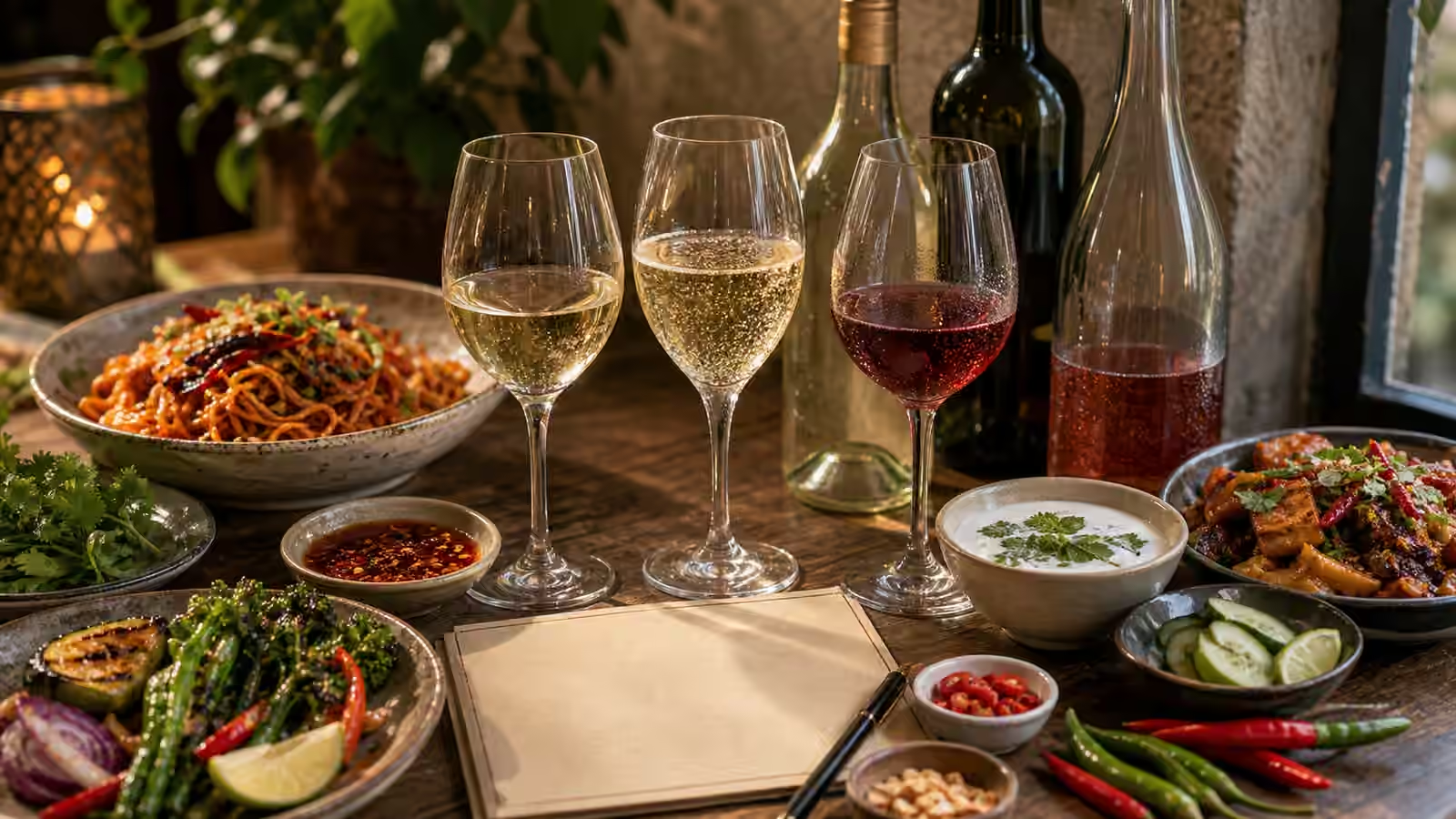
Spicy seafood is its own category. Dry, high-alcohol wines can make heat feel sharper. Slightly off-dry Riesling, aromatic whites, lower-alcohol whites, or sparkling wines can be more comfortable. Riesling and Aromatic White Wines is useful because perfume, sweetness, and acidity can solve problems that a dry neutral white cannot.
Shellfish Can Be Sweet, Rich, Or Briny
Shrimp, crab, lobster, scallops, mussels, clams, and oysters all have different pairing needs. Sweet shellfish such as crab, lobster, and scallops often likes wines with both freshness and a little body. Chardonnay, Chenin Blanc, dry sparkling wine, white Burgundy, richer Loire whites, or good Pinot Gris can work, especially when butter or cream is involved. If the shellfish is chilled and served simply, a lighter high-acid white may be better.
Mussels and clams often follow their broth. In white wine, garlic, and herbs, pour a crisp white that mirrors the cooking liquid. In tomato, choose something with more fruit and body, including dry rose. In coconut or spice, consider aromatic whites with moderate alcohol. Oysters stay closest to the salinity rule unless they are cooked with cheese, bacon, or a rich sauce, in which case sparkling wine or a fuller white may make more sense.
The useful habit is to ask what the seafood tastes like after preparation. Is it briny and raw, sweet and chilled, rich and buttery, smoky and firm, spicy and aromatic, or fried and salty? The answer points toward the wine faster than the species name alone.
Serving Temperature Can Save The Pairing
Seafood wines are often served too cold. Very cold wine can seem refreshing for the first sip, then become mute and sharp. Let a serious white warm slightly in the glass, especially if it has texture or lees character. On the other side, light reds for fish should be cooled enough that alcohol and tannin stay quiet. The practical ranges in Serving Temperature and Decanting matter because seafood exposes imbalance quickly.
Glassware should also be clean and neutral. Fish and shellfish are sensitive to stale cabinet smells, detergent, and heavy perfume in the room. A delicate wine can seem faulty when the glass is the real problem.
The best seafood pairing is not a memorized match. It is a small structural decision. Use acidity for salt and fat. Use bubbles for frying and richness. Use body for butter, cream, and meaty fish. Use lower tannin when oilier fish are involved. Let sauce and cooking method speak. When the wine refreshes the bite and the bite makes the wine taste more complete, the pairing is doing its job.