Sangiovese is a wine grape built around appetite. It is not usually the softest red on the shelf, and it is not always the darkest or richest. Its strength is a combination of acidity, tannin, red fruit, earth, herbs, and a dry savory finish that makes food seem necessary. A good glass of Sangiovese can taste incomplete by itself and then become obvious beside tomato, olive oil, beans, pork, roasted vegetables, hard cheese, or a piece of bread touched by grill marks.
That food-first personality is why Sangiovese deserves more than a quick mention in a label guide. Italian Wine Labels Without Panic explains the broader map, but this grape has its own rhythm. It can be simple and juicy, firm and traditional, polished and oak-framed, or built for years of patience. What connects those versions is not one flavor. It is a structure that keeps pulling the glass back toward the table.
The Core Shape Is Acid And Tannin
Sangiovese often shows bright acidity and noticeable tannin. The acidity can make your mouth water, especially after the wine leaves the tongue. The tannin may feel dusty, tea-like, firm, or slightly drying. This combination is why the grape works so well with food. Acid meets tomato, vinegar, olive oil, and fat. Tannin meets protein, salt, cheese, and browned edges. Together they make the wine feel active rather than heavy.
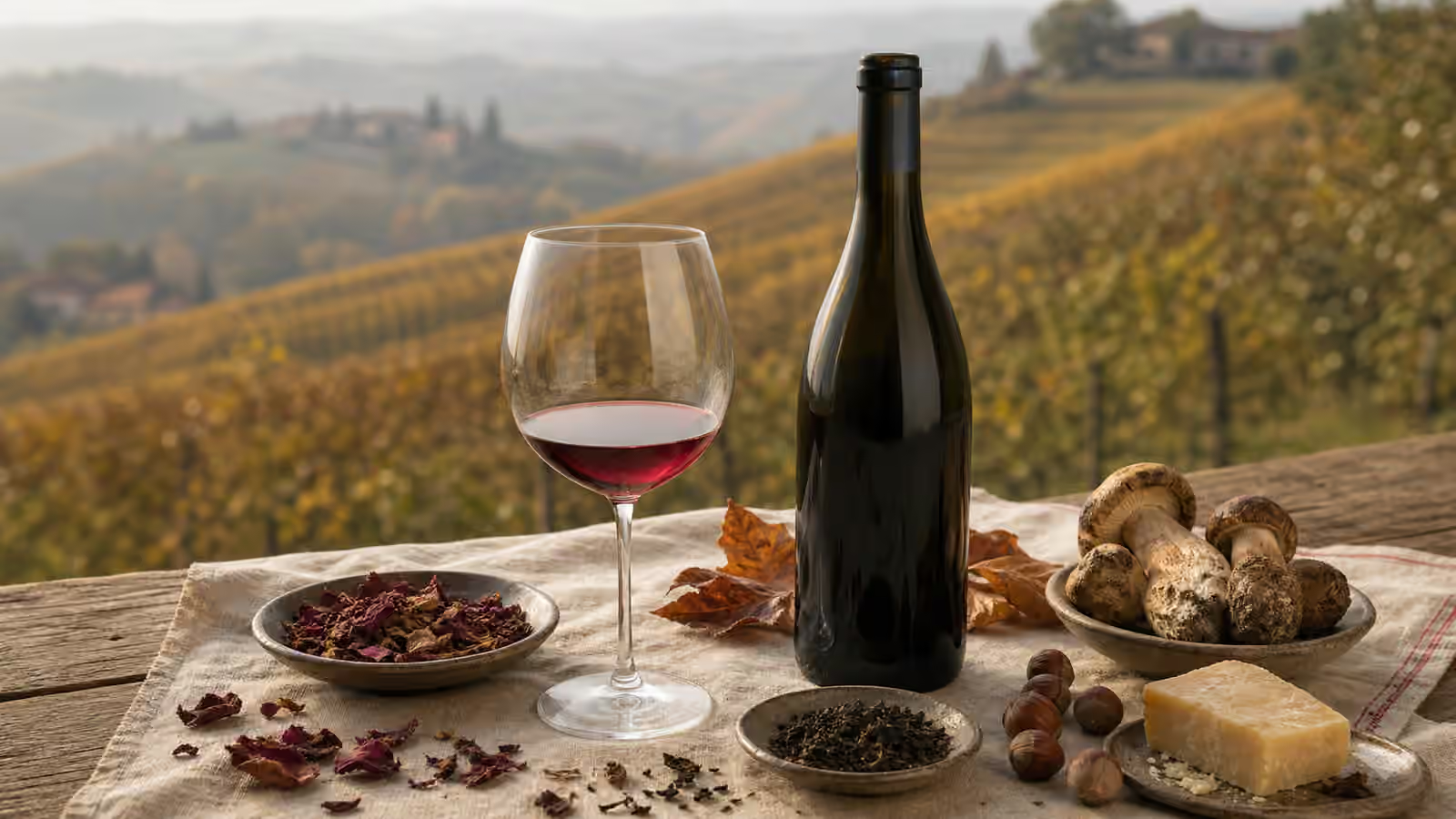
The fruit often sits in the red zone: sour cherry, red cherry, cranberry, plum skin, orange peel, or dried red fruit. Around that fruit you may find dried herbs, tomato leaf, leather, tea, tobacco, earth, violet, iron, or balsamic notes. Those savory details can seem unusual if you expect red wine to taste only plush and fruity. Give them food before judging. A tomato sauce or bean stew can make the herbal and earthy side feel exactly right.
This is where Wine Structure becomes practical. Sangiovese is not trying to soothe the mouth with softness. It is trying to refresh, grip, and season. When the balance works, the finish feels clean and savory. When the balance fails, the wine may seem too sharp, too dry, too woody, or too thin.
Chianti Is A Region And A Range
Chianti is the most familiar Sangiovese word for many drinkers, but it covers a range of places and ambitions. Chianti Classico comes from the historic central zone between Florence and Siena and often gives a clearer, more structured expression than simple Chianti. Other subzones and broader Chianti labels can be excellent or modest depending on producer, vineyard, and price. The name alone is a start, not a verdict.
A young, straightforward Chianti can be one of the most useful dinner reds in the world. It does not need to impress with weight. It needs to taste dry, fresh, cherry-fruited, and savory enough for pizza, pasta, salumi, beans, roast chicken, or grilled vegetables. Chianti Classico often brings more depth and firmness, with better examples showing sour cherry, herbs, earth, leather, and a long dry finish. Riserva and Gran Selezione labels may suggest more aging, selection, or ambition, but they do not automatically mean the wine is better for every meal.
The practical question is whether you want freshness or seriousness. A casual tomato pasta may prefer a lively basic Chianti. A roast, steak, aged cheese, or quiet winter dinner may welcome a firmer Chianti Classico. If you are buying for a mixed table, choose balance over prestige. The most expensive label is not always the most useful bottle.
Brunello And Vino Nobile Need Patience
Brunello di Montalcino is made from the local Sangiovese form often called Brunello. It is usually more powerful, ageworthy, and expensive than everyday Chianti. The wines can show cherry, plum, leather, tobacco, dried herbs, earth, orange peel, and firm tannin. They often need time, either in the cellar or at least in the glass, because young examples can be tight and stern.
Vino Nobile di Montepulciano, also based on Sangiovese under local names and traditions, can sit in a slightly different register: savory, structured, sometimes more approachable, but still clearly Tuscan in its acid and tannin. Morellino di Scansano, from coastal Maremma, can be fruitier and warmer, though producer style varies. These names are not a ladder from simple to great. They are regional clues with different expectations.
Age changes Sangiovese in attractive ways when the wine has the balance for it. Fresh cherry may move toward dried cherry, tea, leather, tobacco, forest floor, and orange peel. Tannin can soften while acidity keeps the wine alive. But aging is not magic. A weak wine does not become profound because it sat in a closet. Aging Wine vs Drinking Now is helpful because Sangiovese includes bottles for tonight and bottles for later.
Oak Can Polish Or Distract
Traditional Sangiovese often uses large or older wood that shapes the wine without making oak flavor the headline. More modern styles may use smaller barrels or newer oak, adding vanilla, toast, spice, or chocolate. Some drinkers love the polish. Others feel that strong oak can blur the grape’s sour cherry, herbs, and earthy detail.
The issue is proportion. Sangiovese has enough acidity and tannin to handle oak, but it can become awkward when wood sweetness and drying tannin pile up together. A wine that smells like vanilla and tastes sharp may not have enough fruit in the middle. A wine that uses oak to frame cherry, leather, and herb can feel complete. As with Chardonnay, oak is not a moral question. It is a question of fit.
If a label mentions long aging or a reserve category, expect more structure and possibly more oak influence. That may be exactly right for roast meat or aged cheese, and too much for a simple lunch. When in doubt, ask how traditional or modern the producer tastes. That one question often tells you more than the front label.
Why Sangiovese Loves The Table
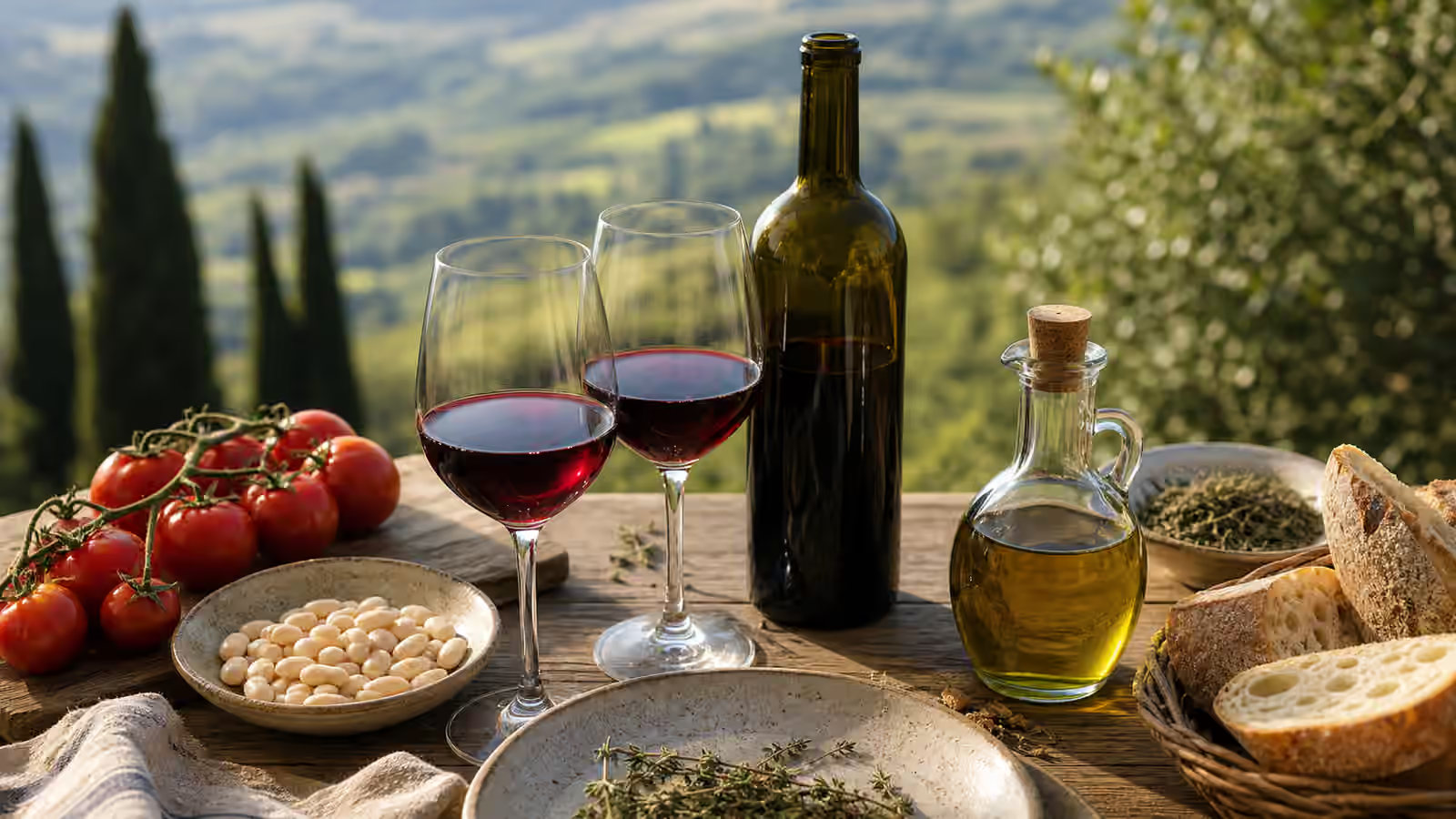
Sangiovese makes sense with tomato because both wine and food carry acidity. A low-acid red can taste flat beside tomato sauce, while Sangiovese keeps its line. It works with olive oil because acidity refreshes fat. It works with beans, pork, mushrooms, and hard cheeses because tannin and savory notes meet protein, salt, and earth. It works with herbs because the wine often has dried herbal detail of its own.
This does not mean Sangiovese only belongs with Italian food. Roast chicken with rosemary, grilled eggplant, lentils, sausages, pork chops, mushroom dishes, burgers with tomato, and hard sheep’s milk cheeses can all fit. The principle from Pairing Wine with Modern Foods still applies: match weight, manage acid, and pay attention to salt, fat, and sauce.
Be careful with very sweet sauces, intense chile heat, and creamy dishes without acidity. Sangiovese can seem too angular when the food is soft and sweet. It can also taste metallic with some aggressively bitter greens unless there is enough fat, cheese, or acid to bridge the gap. When the dish has tomato, herbs, salt, browning, or olive oil, the grape usually finds its footing.
Shopping By Style
For a weeknight bottle, ask for fresh, dry, food-friendly Sangiovese or Chianti with moderate body. For a more serious meal, ask for Chianti Classico with balance rather than maximum oak. For cellaring or a slow dinner, ask about Brunello, Vino Nobile, or a structured single-estate wine, and be honest about whether you plan to open it soon. A young firm bottle may need air and food, not just a corkscrew.
Alcohol can offer a clue. Higher alcohol often means riper fruit and more body, while moderate alcohol may preserve more lift. Vintage can matter because Sangiovese reflects weather, but producer style is still central. If possible, learn one producer whose balance you trust. That is more useful than memorizing every subzone at once.
The best lesson is simple: pour Sangiovese with food that has acidity, salt, herbs, and some fat. Taste the wine alone first, then taste it after a bite. If the wine seems to straighten the meal and the meal softens the wine, you have found the grape’s reason for being.