Riesling and aromatic white wines are easy to underestimate because their signals arrive before the first sip. The glass may smell like lime, peach, flowers, ginger, honey, orange peel, lychee, grape skin, herbs, or wet stone. For some drinkers, that perfume reads as sweetness before the wine has touched the palate. For others, sweetness itself becomes the distraction, as if a wine with residual sugar has already failed a seriousness test.
The better way to read these wines is through structure. Riesling is not defined by sweetness. It is defined by acidity strong enough to carry many sweetness levels. Gewurztraminer is not only floral; it is a low-acid, broad, spicy grape that needs the right context. Muscat is not only sweet; it can be dry, grapey, delicate, or dessert-like. Chenin Blanc can be dry, sparkling, off-dry, or sweet while keeping a firm spine. Viognier may smell lifted but feel full and soft. Wine Sweetness: Dry, Off-Dry, and Residual Sugar is the essential companion because aromatic whites prove that aroma, sugar, acidity, and texture are separate things.
Riesling begins with acidity
Riesling’s most important feature is not peachiness or sweetness. It is line. Good Riesling often feels as if a bright thread runs through the wine from first sip to finish. In a dry bottle, that thread may taste like lime, green apple, stone, flowers, or saline citrus. In an off-dry bottle, the same line keeps peach, apricot, honey, or tropical fruit from becoming heavy. In a sweeter bottle, acidity gives the wine its architecture.
This is why Riesling can confuse people. A lightly sweet version may finish cleaner than a heavy dry white because acid keeps the mouth watering. A bone-dry version may smell generous and fruity but finish sharp and precise. A mature bottle may add petrol-like, honeyed, herbal, or waxy notes without losing freshness. If Wine Structure teaches you to name acidity, body, alcohol, sweetness, and finish, Riesling lets you watch those structures negotiate in real time.
Dry Riesling is often a bright seafood, salad, pork, chicken, or vegetable wine. Off-dry Riesling is one of the best answers to chile heat, ginger, soy, vinegar, smoke, and salt. Sweeter Riesling can work with cheese, fruit desserts, spicy food, or quiet sipping when the acidity is high enough. The category is wide, but the buying question is simple: how much sweetness do you want, and is there enough acidity to keep it alive?
Perfume is not the same as sugar
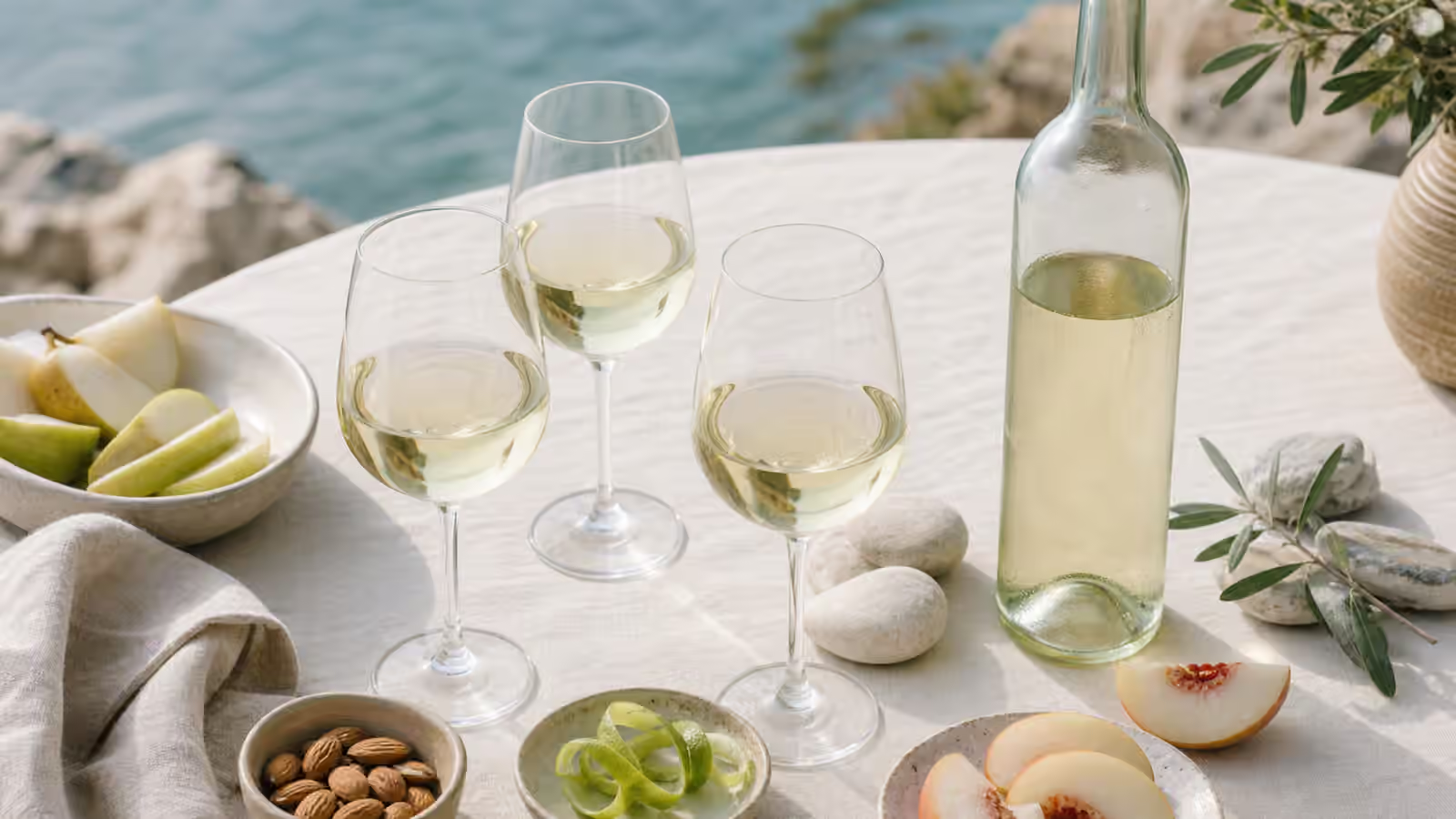
Aromatic whites announce themselves through smell. Gewurztraminer may smell of lychee, rose, ginger, orange peel, or spice. Muscat may smell grapey, floral, and lifted. Torrontes can be intensely floral and citrusy. Viognier often suggests apricot, peach, honeysuckle, and warm flowers. Albarino may bring citrus, peach, herbs, and a sea-spray freshness. Gruner Veltliner can show green apple, citrus, herbs, lentils, and white pepper. Chenin Blanc may move through apple, quince, chamomile, honey, wool, and lemon.
Those aromas can trick the brain. Fruit and flowers are associated with sweetness in ordinary food, so a dry aromatic wine can seem sweet at first. The palate has to decide. Does sugar linger on the tongue, or does the wine finish dry? Does the wine feel soft because it has residual sugar, because its acidity is low, because alcohol is warm, or because the texture is broad? A dry Gewurztraminer can smell sweeter than an off-dry Riesling. A ripe Viognier can feel lush without being sweet. A dry Muscat can smell like grapes and flowers while finishing clean.
This is why tasting notes should stay physical. Instead of writing “sweet” the moment you smell peaches, wait until the finish. If the wine leaves a sugary coating, name sweetness. If it leaves fruit aroma but a clean finish, name perfume. If it feels heavy, ask whether body, alcohol, low acidity, or serving temperature is the reason. Wine Aromas and Tasting Notes helps separate what the nose suggests from what the palate proves.
Labels need plain questions
Riesling labels can be clear or opaque depending on region and producer. Some say dry, off-dry, medium dry, sweet, or late harvest. Some use regional terms that require more context. Some give an alcohol percentage that can help. In a still Riesling, lower alcohol may suggest that fermentation stopped with some sugar remaining, while higher alcohol often points toward a drier style. That clue is not perfect, but it is useful enough to combine with producer notes, region, and shop guidance.
Germany, Austria, Alsace, Australia, the Finger Lakes, Washington, New Zealand, and other regions all produce Riesling with different accents. Austria and Australia often lean dry and brisk. Germany ranges widely from dry to sweet, with many thrilling middle shades. Alsace often gives fuller, dry or nearly dry wines with broad texture. The Finger Lakes can be electric and transparent, especially when acidity stays sharp. These are tendencies, not promises. Producer style still matters.
Other aromatic whites have their own clues. Vouvray points toward Chenin Blanc from the Loire and can range from dry to sweet. Moscato d’Asti points toward a lightly sparkling, gently sweet, low-alcohol Italian style. Condrieu points toward Viognier from the northern Rhone and usually carries body, perfume, and price. Albarino from Rias Baixas often suggests a brisk coastal white. The label-reading habit is the same one used in How to Buy Wine Without Guessing : name the job first, then ask whether the bottle’s structure fits it.
Food is where aromatic whites earn trust
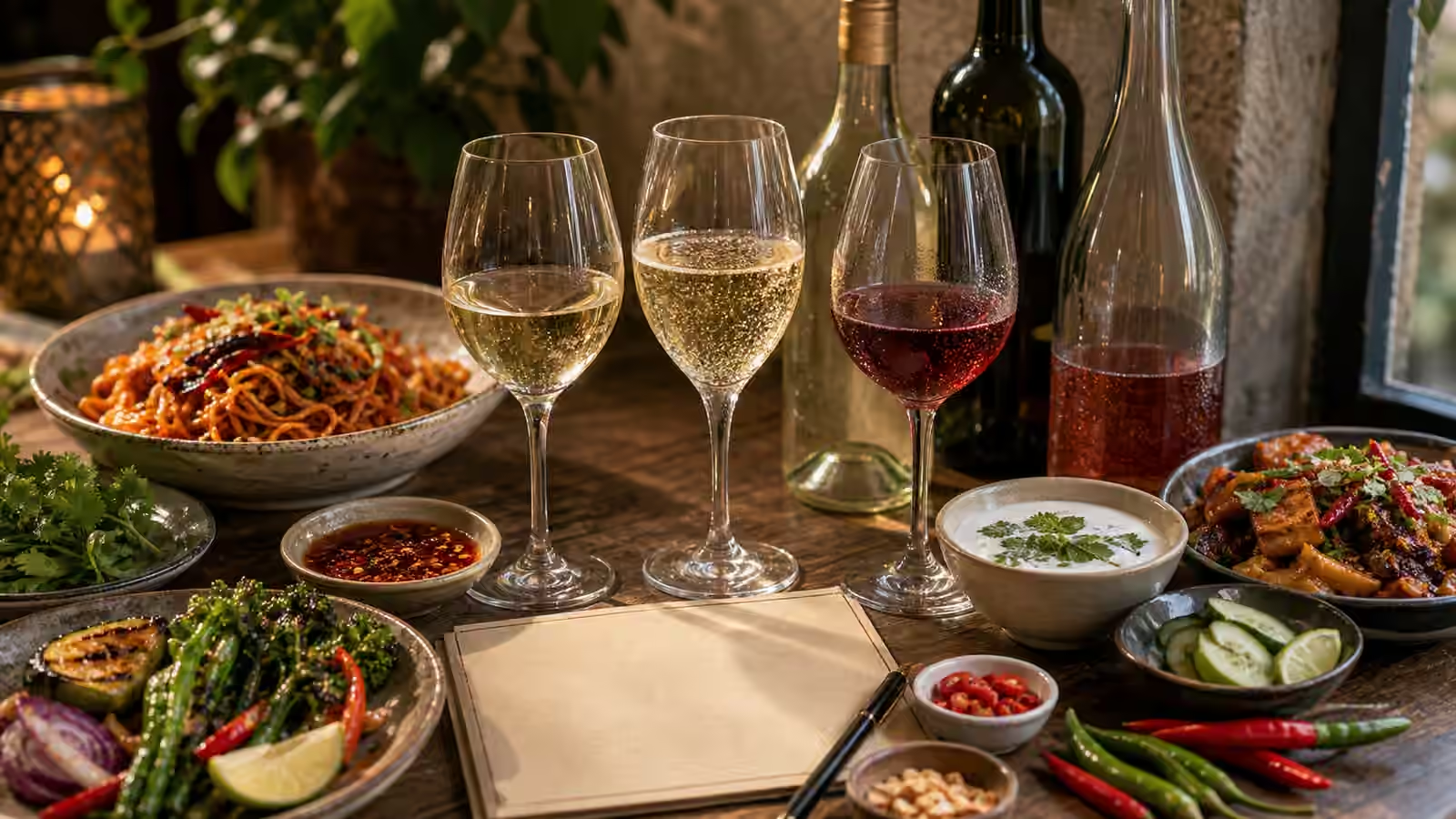
Aromatic whites are practical because they solve food problems that make many dry reds taste awkward. Chile heat makes alcohol feel hotter and tannin feel sharper. Ginger, lemongrass, cilantro, mint, basil, cumin, turmeric, coconut, vinegar, fermented sauces, and sweet-spicy glazes can flatten a simple dry wine. A high-acid aromatic white, especially with a little residual sugar, can meet those flavors without trying to dominate them.
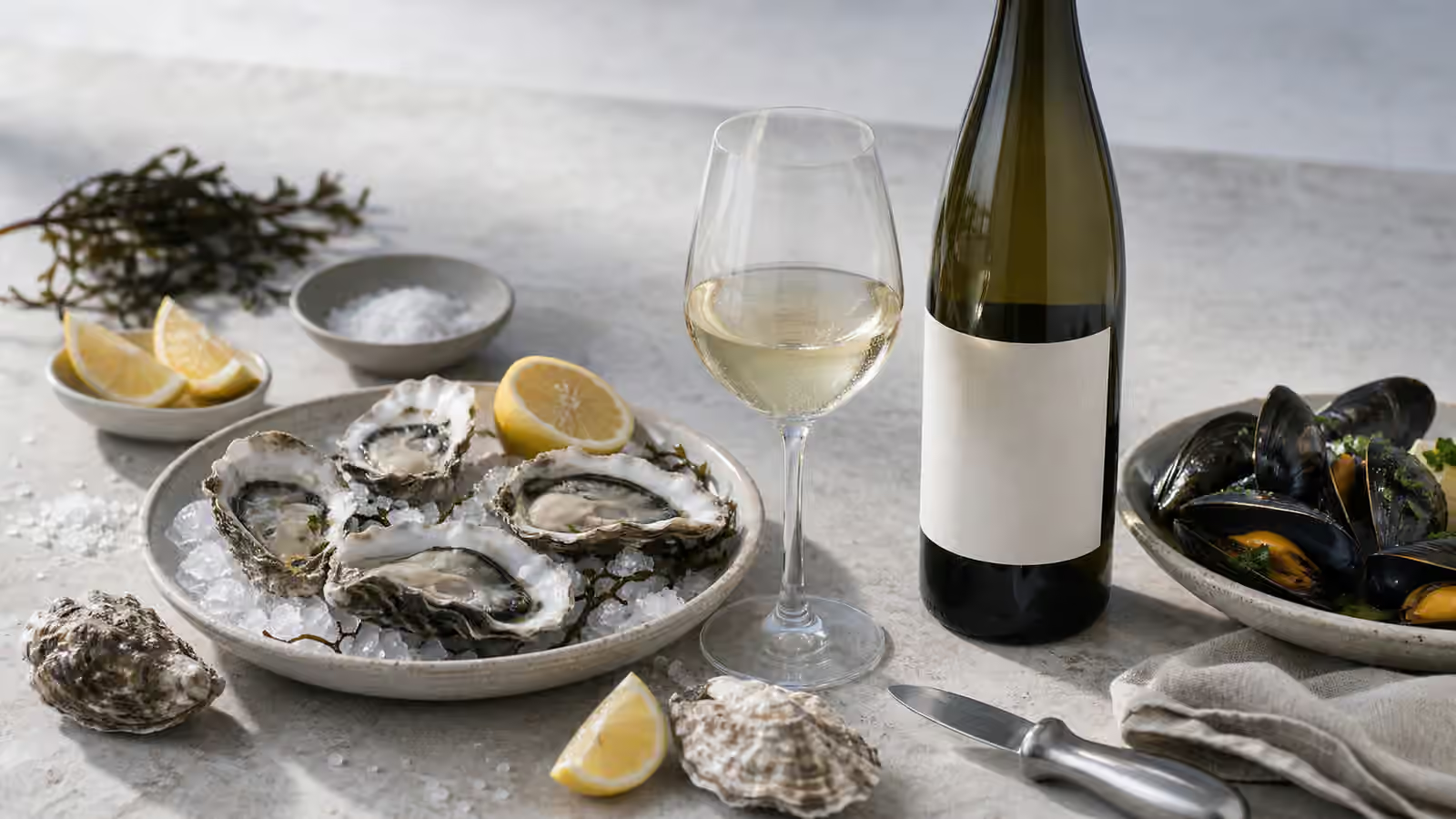
Off-dry Riesling is the classic example because it refreshes the mouth while cushioning heat. The sugar does not need to be obvious. Even a small amount can make spicy food feel more detailed. Chenin Blanc can do similar work when acidity is strong and texture is present. Muscat and Gewurztraminer can echo floral and spice notes, though they need care because their perfume can be loud. Albarino and Gruner Veltliner often work through freshness rather than sweetness, making them useful with seafood, herbs, fried foods, and green vegetables.
The pairing logic from Pairing Wine with Modern Foods applies directly. Match intensity, manage heat, respect sweetness, and use acidity as the reset button. A spicy noodle bowl may want off-dry Riesling. A herb-heavy salad may want Sauvignon Blanc, Albarino, or Gruner Veltliner. Fried chicken can be excellent with sparkling Riesling, dry Chenin, or a brisk aromatic white because salt and fat need lift. Roasted squash with warm spice may prefer Viognier or Gewurztraminer if the wine is not too heavy.
Vegetarian and plant-based meals also reward this category. Lentils with herbs, coconut curry, mushroom dumplings, citrusy slaws, tofu with ginger, roasted carrots, and salty cheese can all make sense with aromatic whites when the structure is right. Pairing Wine with Vegetarian and Plant-Based Food is useful because these wines often work by reading sauce, texture, and seasoning rather than chasing a single protein.
Temperature decides whether perfume becomes balance
Aromatic whites are temperature-sensitive. Too cold, and the wine can seem like acid and faint fruit. Too warm, and perfume, alcohol, sugar, or soft texture can swell until the wine feels clumsy. A firm chill is usually the right starting point, but the best glass often appears after a few minutes on the table.
This is especially true for Riesling and Chenin Blanc. When they are ice-cold, acidity can feel severe and aroma can hide. As they warm slightly, citrus, flowers, stone fruit, wax, honey, or mineral notes become clearer. Gewurztraminer and Viognier usually need enough chill to keep their broader bodies in line. Moscato d’Asti and other gently sweet, lightly sparkling styles should stay colder because freshness is the point. Serving Temperature and Decanting gives the broader temperature logic, but aromatic whites are where that advice becomes immediately visible.
Glassware matters less than temperature, but it still changes the reading. A small white-wine glass can concentrate aroma while preserving chill. A very wide bowl can make a perfumed wine seem louder and warmer. A flute may preserve bubbles but can mute complex sparkling whites. The guide to Wine Glassware is helpful here because aromatic wines show how shape, temperature, and aroma interact.
Build a flight around contrast
The fastest way to understand aromatic whites is to taste contrast rather than one bottle in isolation. Pour a dry Riesling beside an off-dry Riesling and notice whether sweetness changes the finish or merely rounds the middle. Add Gewurztraminer and feel how perfume and body behave when acidity is lower. Try Chenin Blanc beside Riesling and compare apple, quince, wax, honey, and citrus to lime, peach, flowers, and stone. If you include Viognier, pay attention to body. It may smell lifted but land broader on the palate.
Keep the food simple at first. Taste the wines alone, then add salt, a spicy bite, something herbal, and something mildly sweet. The wines will change roles. A dry wine that seemed elegant alone may look harsh with chile. An off-dry wine that seemed too sweet alone may become precise with ginger and salt. A perfumed Gewurztraminer may either become beautiful with aromatic food or overwhelm something delicate. How to Build a Wine Flight at Home gives the general setup, but the important thing here is comparison with a purpose.
Write notes in plain physical language. High acid, medium body, dry finish, floral nose, slight sweetness, warm alcohol, clean finish, broad texture. Those words are more useful than elaborate fruit poetry because they help you buy the next bottle. If you discover that you love Riesling’s acidity but not obvious sweetness, ask for a dry or barely off-dry style. If you like perfume but dislike weight, avoid the richest Viognier and Gewurztraminer bottles. If you want aromatic food wine, ask for acidity first.
Know when another white will work better
Aromatic whites are not magic. They can fail when the wine is too perfumed for the food, too low in acidity for the dish, too sweet beside a delicate plate, or too alcoholic for heat. A rich Viognier may be lovely with roast poultry but tiring with raw shellfish. A bold Gewurztraminer may be exciting with spice and cheese but awkward with a quiet salad. A very sweet Riesling may be beautiful with blue cheese or fruit dessert and too much for a simple grilled fish.
When the category does not fit, move toward a cleaner crisp white, a dry sparkling wine, a dry rose, or a lighter red. Wine choice is not a loyalty test. It is a match between structure and moment. Aromatic whites are valuable because they widen your options, especially at tables where ordinary “red with meat, white with fish” thinking breaks down.
Once you learn to separate perfume from sugar and sweetness from heaviness, the shelf becomes friendlier. Riesling stops being “sweet wine” and becomes a structural range. Gewurztraminer stops being a novelty and becomes a spice-and-texture tool. Chenin becomes one of the most flexible white grapes in the world. Muscat, Albarino, Gruner Veltliner, Torrontes, Viognier, and other aromatic whites become choices with jobs. The next time a dish has heat, herbs, salt, ginger, fruit, or fragrance, you will have more than one good answer in the glass.