Pinot Grigio has become shorthand for a certain kind of white wine: pale, dry, crisp, simple, and easy to pour without a long conversation. That reputation is partly fair. Many bottles are made exactly for that role. But the grape is more interesting than the stereotype, especially once you notice that Pinot Grigio and Pinot Gris are two names for the same variety with different cultural expectations attached. The name on the label does not guarantee the style, but it often hints at the winemaker’s intended lane.
The useful way to read these wines is by weight, freshness, and texture. A brisk Pinot Grigio can be exactly right with a lemony lunch, seafood, salads, or salty snacks. A fuller Pinot Gris can handle richer food, mild spice, roast poultry, or autumn vegetables. A dull bottle, on the other hand, can taste like cold white wine and little else. The difference is not snobbery. It is structure, the same set of clues explained in Wine Structure: Acidity, Tannin, Body, Alcohol, and Finish .
Two Names, Several Habits
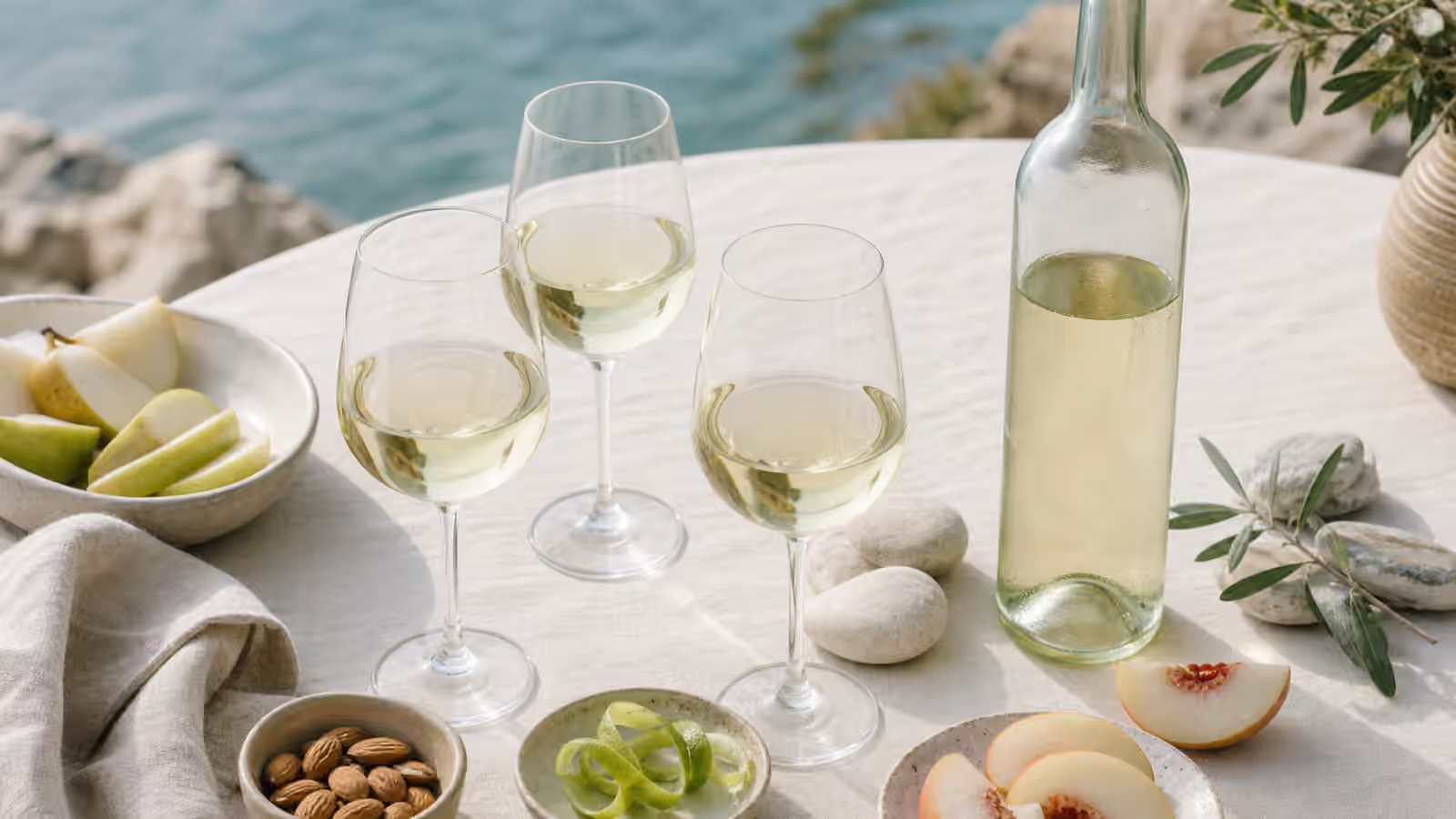
Pinot Grigio is the Italian name, and many Italian examples, especially from the northeast, are made in a light, direct style. They may taste of lemon, green apple, pear, white flowers, almond, or a faint mineral edge. The best versions feel clean without feeling empty. They refresh the mouth, invite food, and finish dry. They are not trying to be dramatic. They are trying to make the next bite taste better.
Pinot Gris is the French name, strongly associated with Alsace but used elsewhere too. These wines are often fuller, riper, and more aromatic. They may show peach, apricot, ripe pear, honey, spice, smoke, or a slightly oily texture. Some examples carry a touch of sweetness, even when the label does not make that obvious. Others are dry but broad enough that fruit and body create an impression of softness. Pinot Gris can be a useful bridge for people who want a white wine with more presence than Sauvignon Blanc but less oak influence than many Chardonnays.
The grape itself helps explain the range. Pinot Gris has pinkish-gray skins, and it can produce wines with a little more color, texture, or phenolic grip when handled with more skin contact or ripeness. Most light Pinot Grigio avoids that side, staying pale and brisk. More ambitious Pinot Gris may lean into it. Both choices can be valid, as long as the bottle has enough acidity and purpose.
Light Does Not Mean Careless
A simple light white wine still needs balance. When Pinot Grigio works, it has a clean line of acidity, modest alcohol, and enough fruit or mineral detail to avoid tasting watery. It does not need a long finish to be useful, but it should not disappear the second it leaves the tongue. It should leave the mouth feeling ready for food rather than vaguely chilled.
This is where serving temperature can help or hurt. If a light Pinot Grigio is served ice cold, it may taste like acid and water. If it is served too warm, it can lose its snap and seem broad in a dull way. A short time out of the refrigerator often brings back pear, citrus, or almond notes without making the wine heavy. Serving Temperature and Decanting is not only for serious reds; it matters for humble whites too.
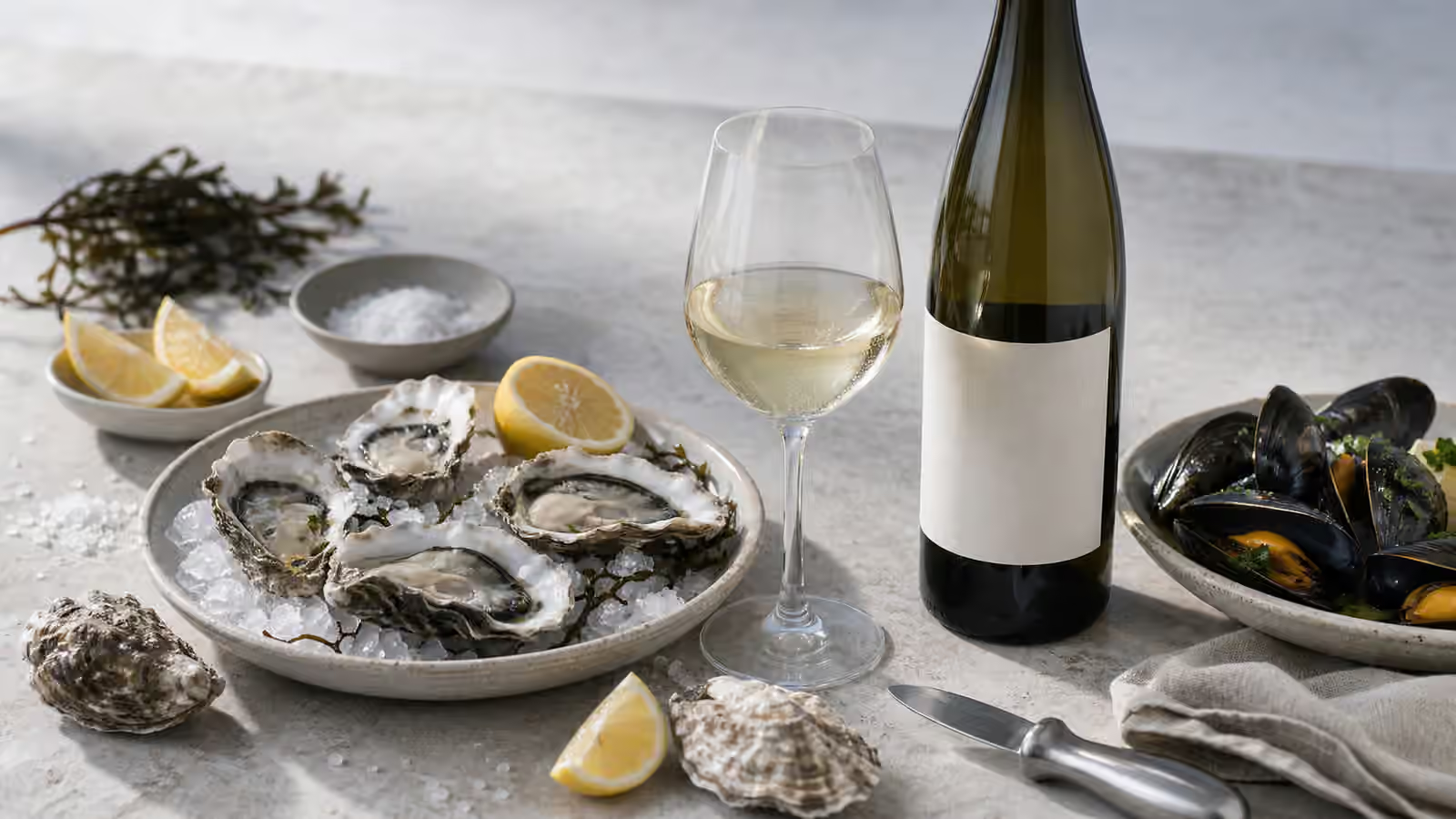
Light Pinot Grigio is also a good reminder that neutrality is not always a flaw. Sometimes a wine should not compete with the food. With oysters, fried seafood, herb omelets, fresh cheeses, simple pastas, or potato chips, a direct white wine can be more useful than a complicated one. The problem begins when neutrality is used to cover thinness. Clean is welcome. Blank is not.
Texture Changes The Job
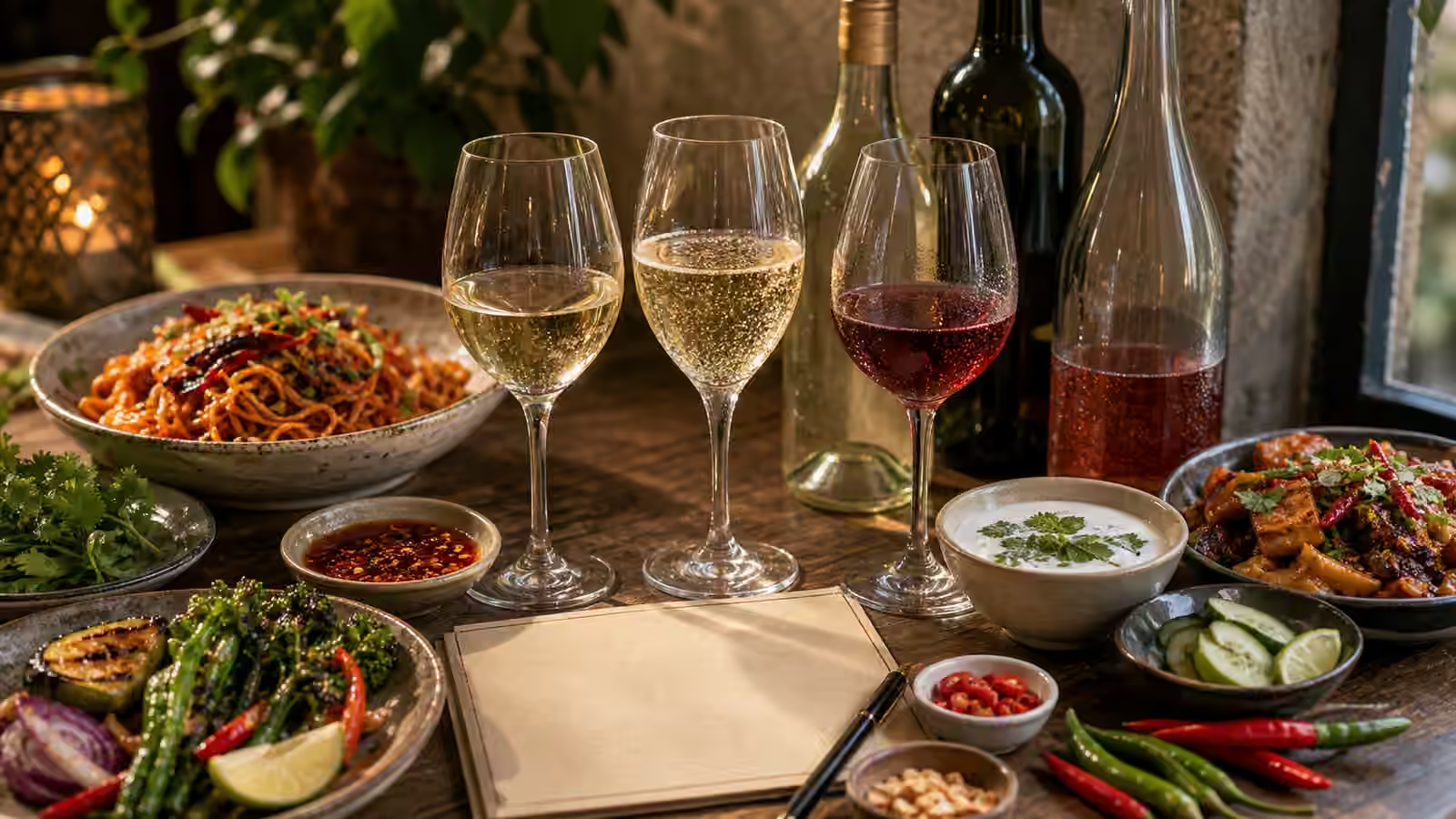
Fuller Pinot Gris has a different role at the table. It can feel rounder, slightly oily, and more sustained. That texture helps with foods that would overwhelm a very lean white: roast chicken, pork, squash, mushroom tart, onion dishes, richer fish, or mild curries. If the wine has a little residual sugar, it may also soften gentle chile heat or ginger. The sweetness guide, Wine Sweetness: Dry, Off-Dry, and Residual Sugar , is useful because Pinot Gris often blurs the line between ripe fruit, texture, and actual sugar.
Alsace is the classic place to learn this style, though it is not the only one. Oregon, parts of northern Italy, Germany, New Zealand, and other regions can all make Pinot Gris or Pinot Grigio with more substance. Some are fermented or aged in neutral vessels. Some rest on lees for extra texture. Some stay sleek and dry, while others move toward a richer, spicier shape.
Texture also changes how you taste aroma. A light wine may show citrus and pear in quick strokes. A fuller wine may let the same pear note feel baked, honeyed, or spicy. That does not mean the wine is sweet in the dessert sense. It means body and ripeness are carrying the fruit longer. If you usually find Pinot Grigio boring, a textured Pinot Gris may explain why the grape has a serious side.
Food Makes The Difference Obvious
Pinot Grigio and Pinot Gris become easier to understand with food because their strengths are practical. A crisp Pinot Grigio works when lemon would help the dish. Think shellfish, white fish, salads with herbs, goat cheese, grilled vegetables, light chicken dishes, or simple pasta with olive oil and vegetables. The seafood logic in Seafood and Shellfish Wine Pairing fits neatly here because acid and restraint can be more important than intensity.
Richer Pinot Gris works when the dish needs a little more middle. Pork with apples, roast poultry, mushrooms, root vegetables, creamy sauces, and mildly spiced dishes can all make sense. The wine’s body keeps it from vanishing, while its acidity keeps it from becoming sleepy. If there is sweetness in the sauce, a completely lean white may seem sour. If there is heat, a little softness can help. If the dish is very spicy, though, high alcohol or low acidity can become tiring, so stay alert to balance.
Cheese is another useful test. Fresh cheeses like mozzarella, ricotta, and young goat cheese often prefer the crisp version. Washed-rind cheeses, richer cow’s milk cheeses, and nutty alpine styles may welcome fuller Pinot Gris. Wine and Cheese Pairing explains the broader pattern: match weight, manage salt, and let acidity refresh fat.
How To Buy Better Bottles
When shopping, do not ask only for Pinot Grigio. Ask for the job. If you want a clean aperitif or seafood white, say crisp, dry, light-bodied, and fresh. If you want a dinner white for poultry, mushrooms, or mild spice, say Pinot Gris with texture, medium body, and enough acidity. If you want to avoid sweetness, ask directly. If you want to avoid a watery style, ask for a producer or region known for more concentration.
Labels can offer hints. Italian Pinot Grigio from familiar large regions often signals freshness and simplicity, though quality varies. Alto Adige and Friuli can be more focused and mineral or textured. Alsace Pinot Gris often suggests more body and spice, with sweetness levels that may need clarification. Oregon Pinot Gris often sits in a useful middle, fresh but not always featherweight. None of these patterns is absolute, but they help you ask better questions.
The best small exercise is to taste one crisp Pinot Grigio beside one fuller Pinot Gris. Keep both cool but not freezing. Try them alone, then with something salty, something creamy, and something herbal. The first wine may win with freshness. The second may win with depth. Once you feel that split, the category stops being a default order and becomes a set of useful white-wine choices.