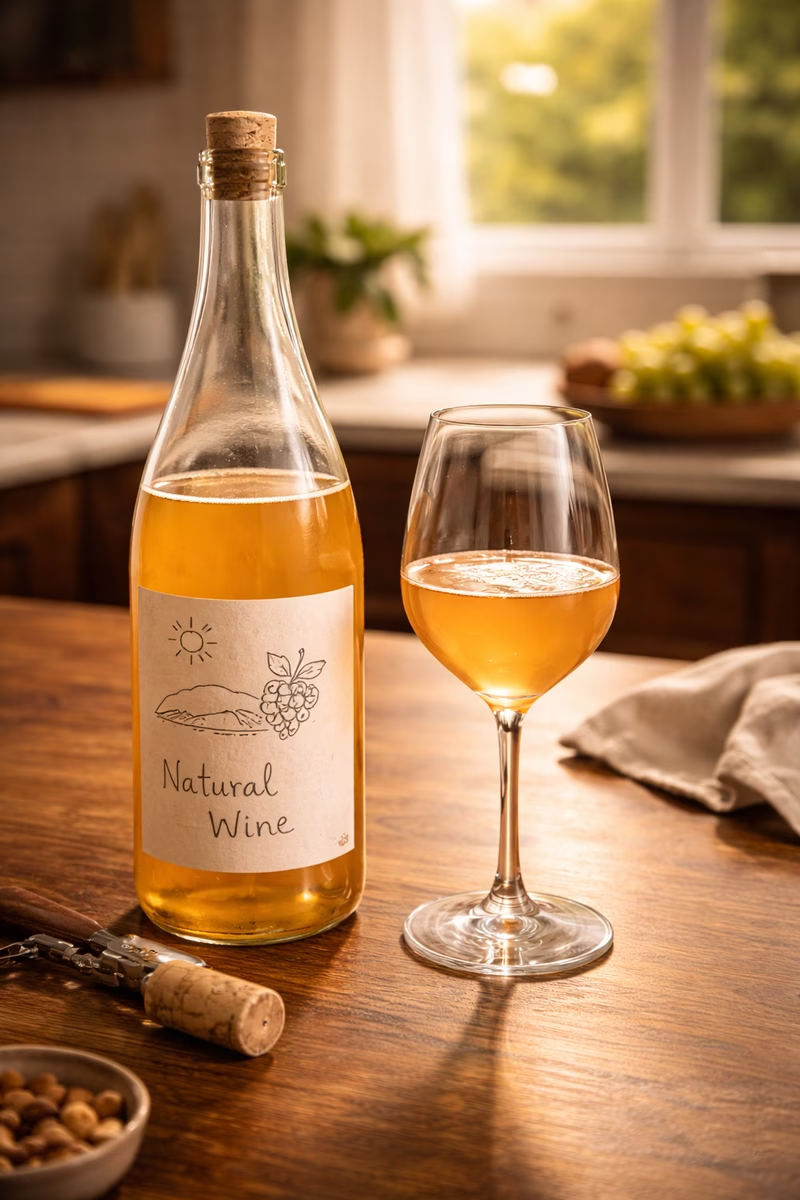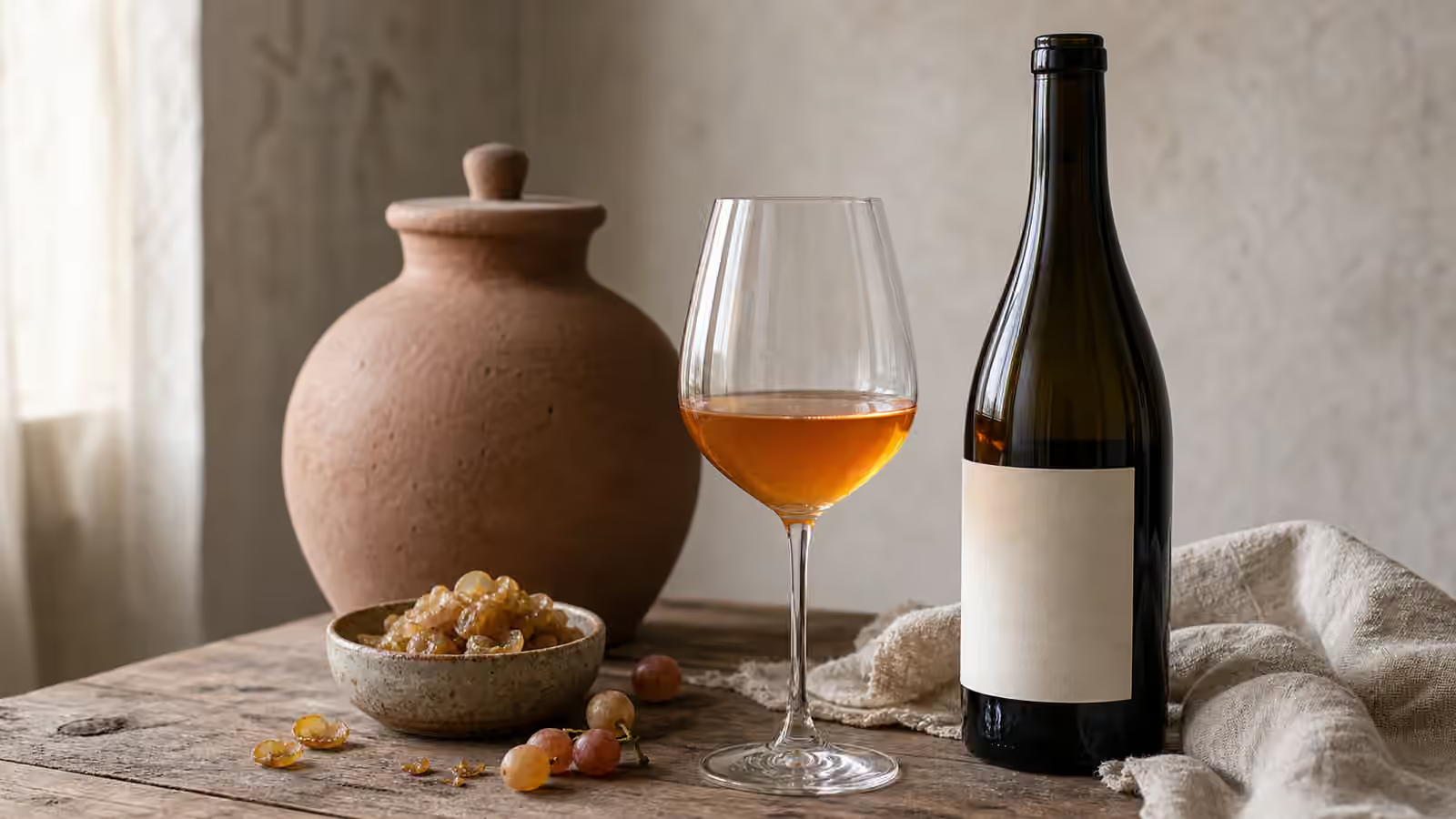
Orange wine is not wine made from oranges. It is white wine made with some amount of grape-skin contact, which can give the finished wine amber color, texture, grip, deeper aroma, and sometimes a savory or tea-like edge. The category can be thrilling, awkward, elegant, rustic, subtle, or intense, depending on the grape, length of maceration, vessel, oxygen exposure, filtration, sulfur choices, and producer skill. That range is why it deserves a practical guide rather than a slogan.
Many drinkers meet orange wine through natural-wine bars, so the style gets tangled with assumptions about funk, cloudiness, and ideology. The Bottle Without a Label introduces that cultural side, but skin contact is older and broader than any modern trend. It is a winemaking choice. The useful question is not whether orange wine is fashionable. It is what skin contact does to a white grape and how that changes the way the wine behaves at the table.
Skin Contact Changes White Wine’s Shape
Most white wine is pressed away from the grape skins before fermentation or early in the process. That keeps the wine pale and usually limits tannin. With skin-contact whites, the juice spends time with the skins, seeds, and sometimes stems. This can be a few hours, several days, weeks, or much longer. The longer and more intense the contact, the more the wine can pick up color, phenolic grip, aroma compounds, and a different kind of mouthfeel.
This is why orange wine often feels closer to a light red or firm rose than to a crisp white. It may still have white-wine acidity, but it can also have tannin that dries the gums, a texture that grips the tongue, and aromas that move beyond citrus or apple. You might smell apricot skin, dried orange peel, tea, honey, herbs, flowers, nuts, cider, spice, hay, or earth. Some wines remain delicate. Others are assertive enough to surprise anyone expecting a normal Pinot Grigio.
The guide to Oak, Steel, Lees, and Skin Contact explains the broader cellar logic. Skin contact is especially visible because it changes the wine’s physical presence. You feel it, not just smell it.
Color Does Not Tell The Whole Story
The word orange makes people expect a bright amber glass, but color is only a clue. Some skin-contact wines are pale gold with a little extra grip. Others are deep copper, amber, or tea-colored. A wine’s shade depends on grape variety, skin color, time on skins, oxygen exposure, age, and cellar decisions. A pale wine can still have noticeable tannin. A dark amber wine can be gentle if the extraction was careful.
Cloudiness is also not a verdict. Some skin-contact wines are cloudy because they are unfined or unfiltered. That may be a stylistic choice, not a flaw. But haze does not excuse every unpleasant aroma. A sound wine should still feel coherent. If it smells sharply vinegary, mousey, rotten, aggressively solvent-like, or deeply unpleasant in a way that does not resolve with air, you may be dealing with a fault rather than character. When Wine Smells Off is useful because orange wine sits in a gray zone where unfamiliar aromas and genuine problems can be confused.
The practical habit is to taste calmly. Ask whether the texture, aroma, acidity, and finish seem connected. A wine can be wild and still balanced. A wine can be clean-looking and still boring. The glass matters more than the category.
Grapes Matter More Than The Color Trend
Some grapes handle skin contact especially well because their aromas and skins have enough character to carry the method. Ribolla Gialla, Pinot Grigio, Rkatsiteli, Kisi, Malvasia, Gewurztraminer, Muscat, Sauvignon Blanc, Trebbiano, and many local grapes can make compelling versions in the right hands. Aromatic grapes may become more spicy, floral, and savory. Neutral grapes may gain texture and food usefulness. Thicker-skinned grapes may bring more grip.
Regions with long traditions of amber or skin-contact white wines include Georgia, parts of northeastern Italy, Slovenia, Croatia, and other areas around the Adriatic and Caucasus, though modern producers make the style all over the world. Clay vessels, amphorae, qvevri, barrels, tanks, and concrete can all be part of the story. The vessel matters, but it should not become a romance filter. A flawed wine in clay is still flawed. A precise wine in steel can be beautiful.
This is where Wine Aromas and Tasting Notes helps. Instead of saying only “funky” or “weird,” try to name the families. Is it floral, herbal, tea-like, oxidative, nutty, phenolic, spicy, fruity, earthy, or volatile? Better words lead to better buying decisions.
Serve It Like A Textured Wine
Orange wine is often served too cold. If it is icy, the aromatics flatten and the tannin can feel hard. If it is too warm, alcohol, volatility, or oxidative notes can become louder than the wine itself. A lightly chilled range, somewhere between typical white-wine service and cool red-wine service, is often useful. Pour a small glass and let it warm slowly. The best temperature is where aroma opens but the wine still feels fresh.
Decanting depends on the bottle. Some skin-contact wines benefit from a little air because reduction blows off or texture relaxes. Others become more volatile or tired if left too long. If you are unsure, avoid dramatic decanting and simply let the glass sit for a few minutes. The same measured approach in Serving Temperature and Decanting applies: use air as a tool, not a ritual.
Glassware should give the wine room. A tiny white-wine glass can trap the texture and mute aroma. A normal all-purpose wine glass is usually enough. The goal is not ceremony. It is giving a textured wine enough space to explain itself.
Food Is Where The Style Makes Sense
Skin-contact whites can be excellent with foods that confuse ordinary white wine. They can handle spice, herbs, bitter greens, roasted vegetables, fermented flavors, mushrooms, lamb, poultry, aged cheeses, tahini, lentils, and dishes with both fat and acidity. The tannin gives grip. The acidity keeps movement. The savory aromas meet foods that would make a simple crisp white seem thin.
That does not mean every orange wine pairs with everything. A delicate amber wine may be overwhelmed by grilled meat. A heavily tannic version may bully raw seafood. A volatile or very rustic bottle may need bold food to feel balanced. Think in terms of structure. If the wine has firm tannin, give it protein, fat, or salt. If it has high acidity and moderate grip, try roasted vegetables, cheeses, or grain dishes. If it is aromatic and lightly off-dry, it may handle spice better than expected.
Pairing Wine with Vegetarian and Plant-Based Food is especially relevant because orange wine often shines with vegetables that are difficult for classic pairings: artichokes, asparagus, eggplant, mushrooms, bitter greens, and deeply roasted roots.
How To Buy Without Guessing
When buying orange wine, ask about intensity. A shop can usually tell you whether a bottle is gentle and introductory or firm, funky, and advanced. Ask whether it is clean or wild, dry or slightly off-dry, light or tannic, fresh or oxidative. Ask what food the staff would serve with it. Those questions are better than asking for “the best orange wine,” because the category covers too many styles.
If you are new to the style, start with a clean, moderately macerated bottle from a producer known for precision. Taste it with food rather than as a stand-alone curiosity. Notice texture first, then aroma, then finish. If you dislike one bottle, do not reject the entire category. You may dislike that producer’s extraction, that grape, that level of volatility, or that serving temperature.
Orange wine is valuable because it expands the white-wine spectrum. It shows that white grapes can carry tannin, savor, age, and grip. At its best, it is not strange for the sake of being strange. It is a textured, aromatic, food-ready style that makes familiar wine categories less rigid.