Nebbiolo can look gentle and behave firmly. In the glass it is often pale garnet rather than dark purple. That color leads some drinkers to expect something soft, delicate, or Pinot-like. Then the first sip brings acidity, tannin, grip, perfume, and a finish that can feel almost architectural. This is the central surprise of Nebbiolo: color and power do not always travel together.
The grape is most famous in Piedmont through Barolo and Barbaresco, but those names can carry so much prestige that the practical wine gets lost. Nebbiolo is not only an auction word or a bottle to save for a solemn dinner. It is a grape with a recognizable structure: high acidity, high tannin, lifted perfume, red fruit, flowers, earth, and savory development. Italian Wine Labels Without Panic gives the wider map. This guide focuses on how the wine actually feels.
Pale Color, Serious Grip
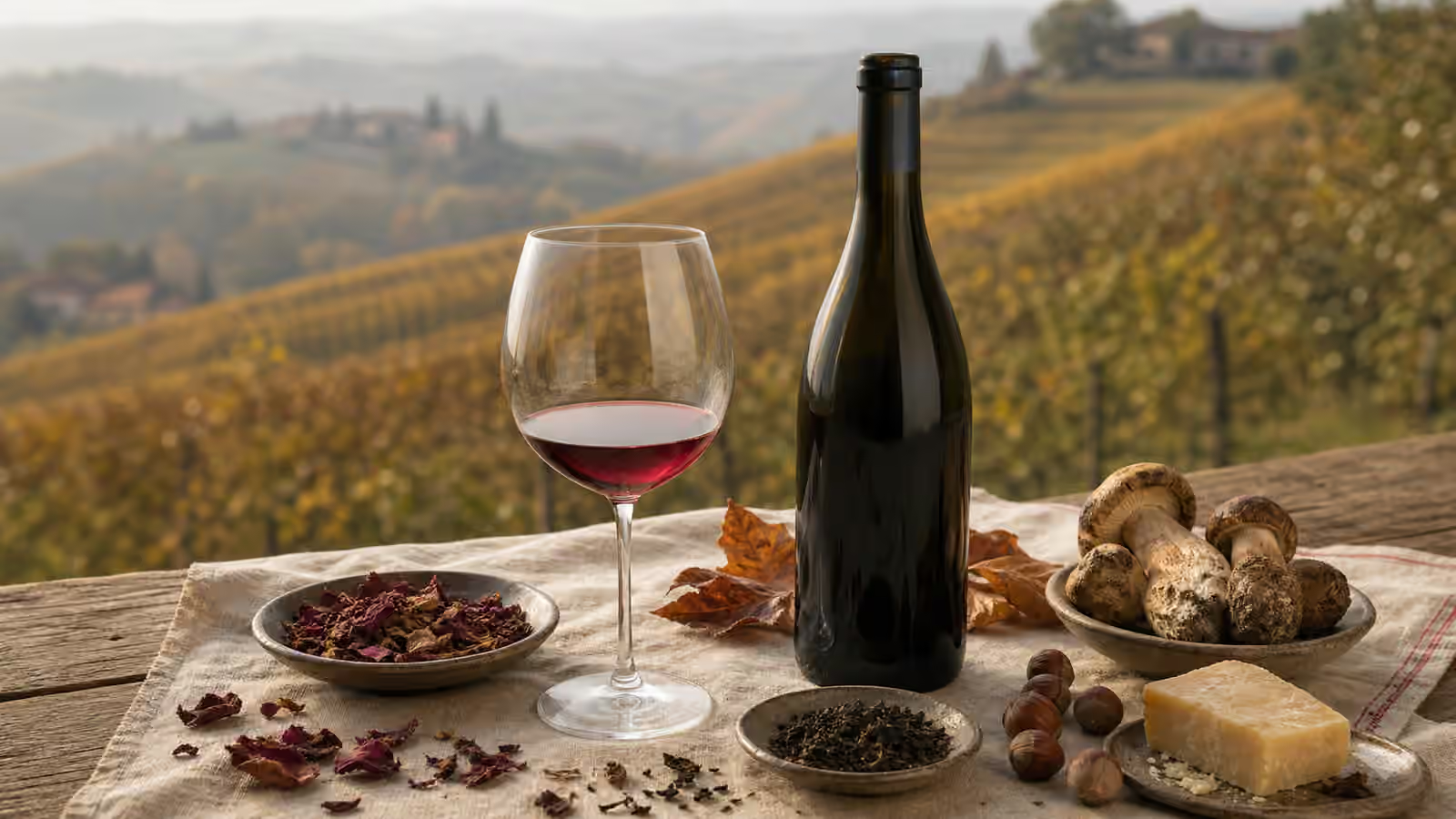
Nebbiolo’s color comes from its pigments, not from its level of seriousness. Many bottles look translucent, especially with age. The aromas may be beautiful before the palate is easy: rose, violet, cherry, raspberry, orange peel, anise, tea, tar, leather, dried herbs, truffle, forest floor, or tobacco. The famous “rose and tar” phrase is useful because it captures the grape’s tension between delicacy and severity.
The palate often starts with brightness. Acidity keeps the wine lifted and mouthwatering. Then tannin arrives, sometimes late and firmly, drying the gums and cheeks. In young Barolo or Barbaresco, that tannin can feel stern. In a more approachable Langhe Nebbiolo, it may still be present but less commanding. This is why Nebbiolo can seem confusing if you judge by color or aroma alone. The perfume may be graceful while the structure demands food or time.
The structure guide, Wine Structure: Acidity, Tannin, Body, Alcohol, and Finish , is especially helpful here. Nebbiolo is rarely about plush body. It is about frame, lift, and persistence. A good bottle may not feel heavy, but it can feel long and firm.
Barolo And Barbaresco Are Places, Not Decorations
Barolo and Barbaresco are both Piedmontese wines made from Nebbiolo, and both can be profound. Barolo is often described as the more powerful, structured, and age-demanding of the two, while Barbaresco is often described as slightly more graceful or earlier-maturing. Those descriptions can be helpful, but they are not laws. Producer, vineyard, vintage, and style matter enormously. Some Barbaresco can be firmer than some Barolo. Some Barolo can be elegant rather than massive.
Langhe Nebbiolo is often a more approachable way to learn the grape. It may come from younger vines, different sites, or fruit that does not go into the top regional bottlings. The best examples show the Nebbiolo signature without requiring the same patience or budget as famous names. They can be excellent with dinner and much less intimidating.
Other Piedmont names, such as Roero, Gattinara, Ghemme, Boca, Lessona, and Carema, can also show Nebbiolo in distinctive ways. Some use local names or blends, and availability varies by market. The point is not to collect every appellation. It is to understand that Barolo and Barbaresco are the famous rooms in a larger house.
Age Changes The Conversation
Young Nebbiolo can be tight, tannic, and slow to reveal itself. Air may help, but it does not erase structure. A decanter can open aroma and soften the first impression, yet a truly young Barolo may still need food and patience. The best serving strategy is not theatrical. Open the bottle, taste it, and decide whether it needs a larger vessel, a little time, or simply a proper meal.
With age, Nebbiolo can move from fresh cherry and flowers toward dried fruit, rose petal, tea, leather, mushroom, tar, tobacco, and earth. Tannin can become more integrated, though it rarely vanishes completely. Acidity keeps the wine alive. The transformation can be beautiful when the bottle has enough balance and has been stored well. It can also disappoint if the wine was weak, poorly stored, or opened after its fruit faded.
Aging Wine vs Drinking Now is useful because Nebbiolo is one of the grapes people most often over-romanticize. Not every bottle needs a decade. Some should be drunk young with food. Some deserve years. Some are caught awkwardly in the middle. Ask the shop how the bottle is drinking now, and believe the answer if it comes from recent experience rather than reputation.
Food Softens The Architecture
Nebbiolo needs food with enough protein, fat, salt, or depth to meet its tannin and acidity. Braised beef, lamb, duck, mushrooms, truffles, risotto, aged cheeses, tajarin with butter or meat sauce, roasted root vegetables, lentils, and pork can all work. The food does not need to be fancy. It needs to have enough substance. A simple mushroom dish with butter and herbs may do more for the wine than an elaborate plate that is too sweet or delicate.
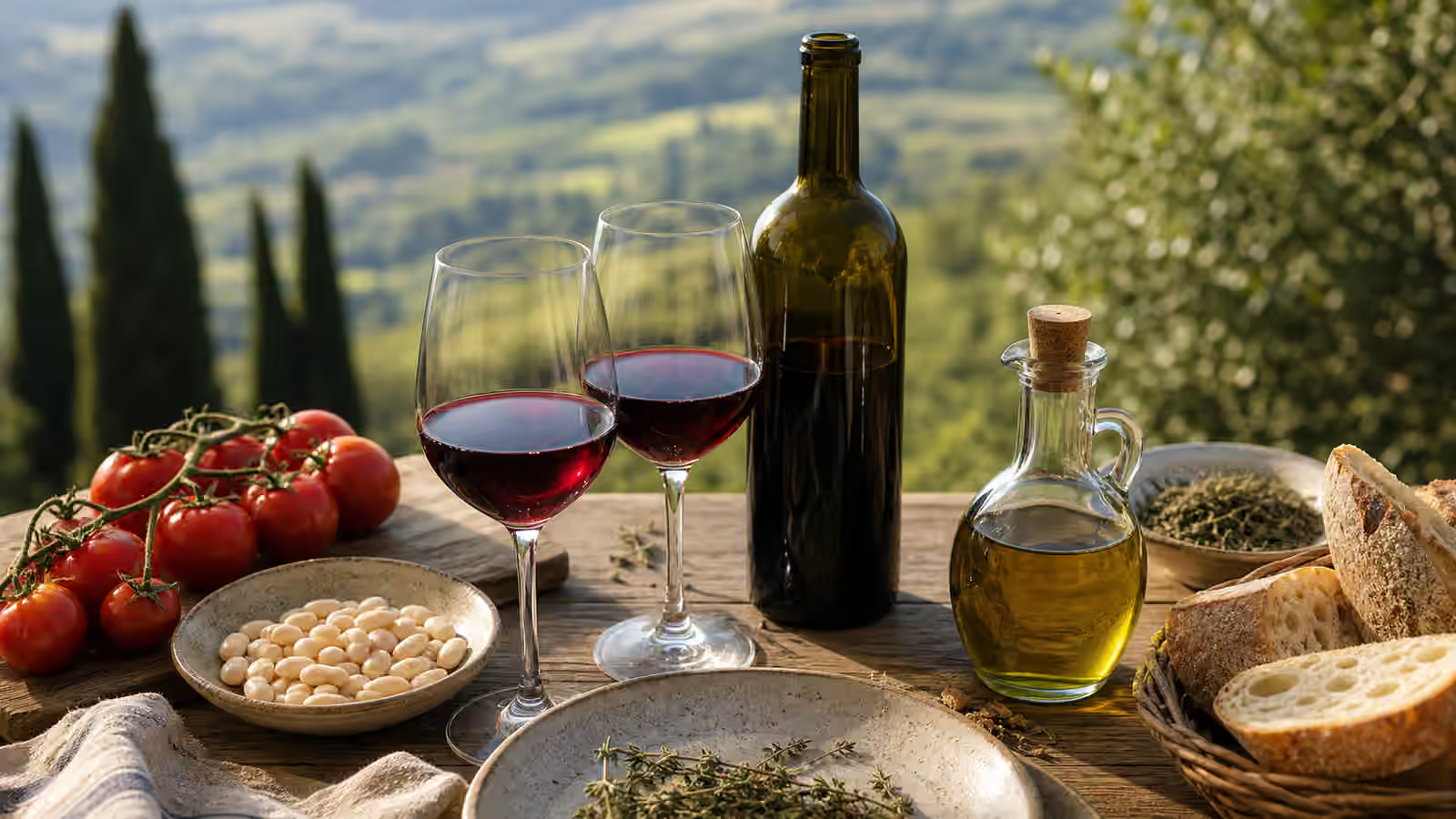
The grape’s acidity makes it more versatile than its tannin suggests. Tomato can work when the dish has enough richness. Hard cheeses can be excellent because salt and fat soften the grip. Mushrooms echo the earthy side. Slow-cooked onions and browned meat bring sweetness and depth without forcing the wine into a dessert-like pairing. The logic overlaps with Sangiovese and Tuscan Reds , but Nebbiolo usually brings more perfume and firmer tannin.
Be careful with very spicy food, sweet barbecue sauce, delicate fish, and lightly dressed salads. High tannin and chile heat can clash. Sweet sauces can make the wine taste dry and severe. Lean foods can leave the tannin exposed. If the meal is light, choose a lighter red such as Gamay, Pinot Noir, or a fresher Sangiovese instead.
Modern, Traditional, And The Oak Question
Nebbiolo has a long debate around traditional and modern styles. Traditional-leaning wines may use longer macerations and large older casks, emphasizing structure, savory detail, and slow development. Modern-leaning wines may use shorter extraction, smaller barrels, or newer oak, sometimes producing a softer, more polished wine earlier. Real producers rarely fit perfectly into simple camps, and many work somewhere between them.
Oak can add spice, vanilla, toast, or polish, but Nebbiolo’s perfume is easy to obscure. Too much new oak can make the wine taste international, covering the rose, tar, tea, and earth that make the grape distinctive. On the other hand, careful oak handling can frame the wine and help it settle. The issue is again proportion, not purity.
If you are shopping, ask how the producer handles tannin and oak. A traditional, structured bottle may be wonderful for cellaring or a long meal, but stern for casual drinking. A more approachable Langhe Nebbiolo may be a better teaching bottle. A polished Barbaresco may suit dinner tonight. A young Barolo from a firm vintage may need more time than you can give it.
How To Taste Nebbiolo Calmly
Use a good glass and serve the wine cool rather than warm. A hot room will push alcohol forward and make tannin seem rough. Too cold, and the fruit hides while the grip hardens. Serving Temperature and Decanting matters because Nebbiolo changes quickly with air and temperature, but it does not need ceremony for its own sake.
When tasting, name the structure before chasing romance. How firm is the tannin? How bright is the acidity? Is the fruit fresh, dried, or fading? Are the floral and earthy notes clear, or is the wine dominated by wood or heat? Does food make the finish longer and more pleasant? Those questions are more useful than asking whether the wine is “great” in the abstract.
Nebbiolo rewards patience, but patience can mean ten minutes in the glass, a thoughtful pairing, or several years in a cellar depending on the bottle. Once you understand that range, Barolo and Barbaresco become less mythic and more readable. The wine still has mystery, but the mystery sits on a structure you can actually taste.