California wine is easy to caricature. Napa becomes expensive Cabernet in a heavy bottle. Sonoma becomes Pinot Noir and Chardonnay in coastal fog. Chardonnay becomes butter and oak. Cabernet becomes ripeness and polish. Those shortcuts contain pieces of truth, but they flatten the two regions that many drinkers see most often on American shelves. Napa and Sonoma are more useful when you read them through climate, grape, structure, and producer intent.
The first correction is scale. Napa Valley is relatively compact and famous for Cabernet Sauvignon, but even there, valley-floor warmth, mountain vineyards, fog influence, soil, and winemaking choices create different shapes. Sonoma County is broader and more varied, stretching from cool coastal zones to warmer inland valleys. It can produce elegant Pinot Noir, focused Chardonnay, old-vine Zinfandel, structured Cabernet, aromatic whites, sparkling wine, and plenty of bottles that do not match the stereotype. If Old World and New World Wine Styles Without Stereotypes gives the broader warning, Napa and Sonoma are the case study.
Start With Warmth, Fog, And Elevation
California sunshine is real, but sunlight alone does not explain the wines. Marine influence is one of the key details. Cool air and fog from the Pacific can slow ripening, preserve acidity, and make Pinot Noir and Chardonnay feel more focused. Warmer inland areas can ripen Cabernet Sauvignon, Zinfandel, and other fuller reds more easily. Elevation changes the equation again because mountain sites may get sun but also cooler nights, thinner soils, and firmer tannin.
This is why “California” on a label is only the widest clue. Napa Valley suggests a different starting point from Sonoma Coast, Russian River Valley, Dry Creek Valley, Alexander Valley, Carneros, or Howell Mountain. The name does not guarantee style, but it tells you which climate questions to ask. Is this likely to be warm and broad, cool and bright, coastal and tense, or mountain-grown and structured? Wine Terroir: Climate, Soil, Slope, and Vintage becomes practical when the label is familiar enough to stop intimidating you.
Vintage also matters, though it should not become a reason to freeze. Warmer years can make wines feel riper, softer, and higher in alcohol. Cooler years can keep more acidity or make some reds seem firmer. Producers make choices around those conditions, so a vintage is context rather than destiny. The better buying question is whether you want richness, freshness, structure, or restraint in the bottle you are opening now.
Napa Cabernet Is Structure With Many Accents
Napa’s reputation rests on Cabernet Sauvignon because the valley can ripen the grape into dark fruit, firm tannin, and generous body. Classic Napa Cabernet may show blackcurrant, plum, cherry, mint, cedar, graphite, cocoa, vanilla, or sweet spice. It can be polished and plush, especially when oak is part of the frame. But Napa Cabernet is not one wine. Valley-floor bottles can feel broad and generous. Mountain bottles can feel more tannic, savory, and age-worthy. Cooler-influenced sites may keep more lift. Producer style can move the same grape toward restraint or opulence.
Structurally, Cabernet needs respect. It often brings tannin, alcohol, oak, and concentration, which can make a young bottle feel impressive but not always easy. Food helps. Protein, salt, fat, mushrooms, char, and slow-cooked flavors can make tannin feel useful instead of stern. A slight chill can keep alcohol tidy. Decanting can help a young structured bottle open, though it cannot turn an unbalanced wine into a balanced one. The principles in Serving Temperature and Decanting are especially relevant because warm rooms can make ripe Cabernet seem heavier than it is.
Buying Napa Cabernet by prestige alone is risky. Famous names, vineyard designations, and heavy packaging do not tell you whether the wine fits dinner. Ask instead for a structural lane. Do you want a polished Cabernet for a rich meal, a mountain Cabernet with grip, a fresher style with more herbal lift, or a Bordeaux-style blend where Merlot and Cabernet Franc soften the frame? How to Buy Wine Without Guessing works here because expensive regions still answer ordinary questions.
Chardonnay Is A Mirror, Not A Punchline
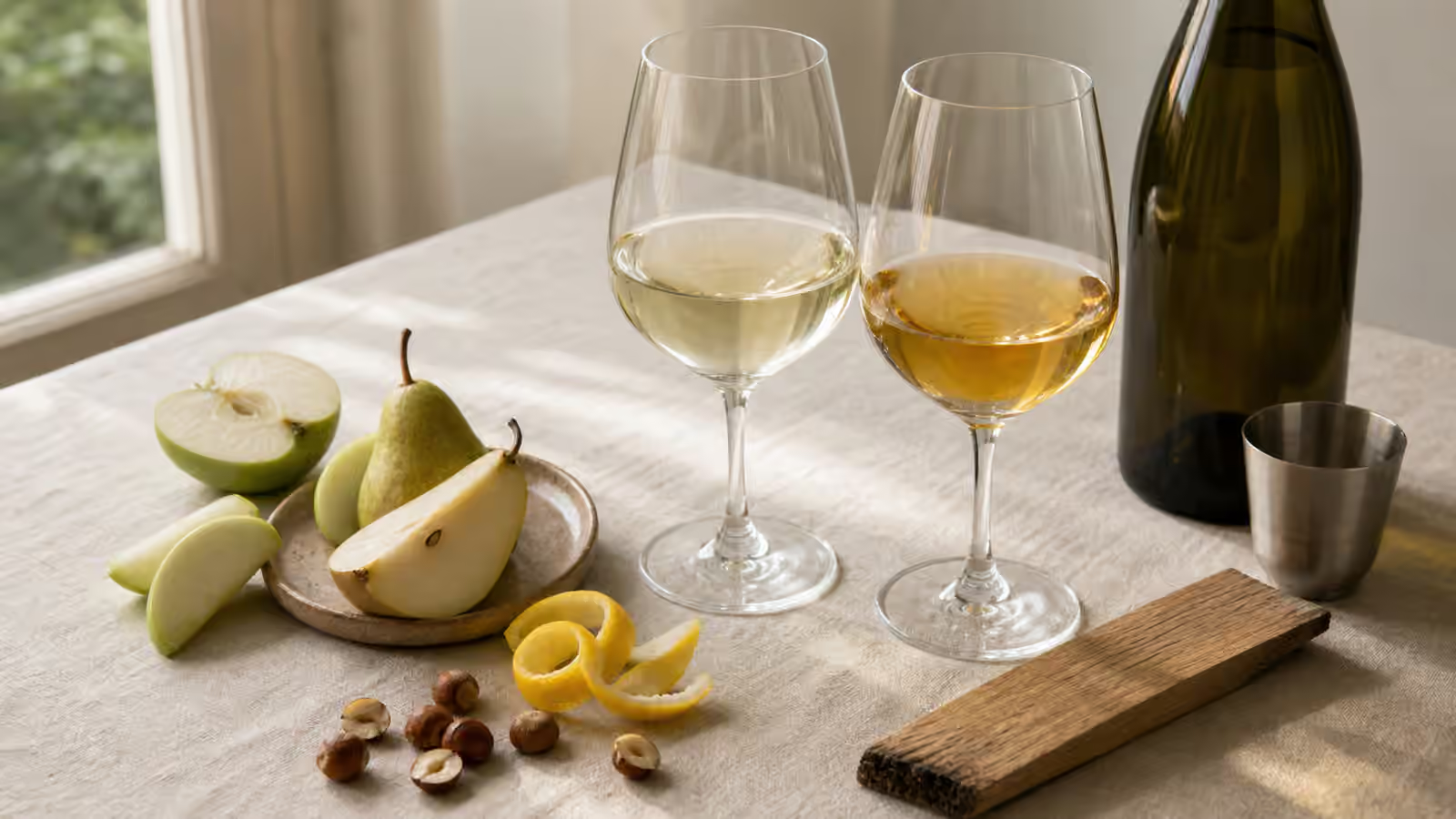
California Chardonnay has carried a lot of baggage because some versions became famous for butter, oak, vanilla, and richness. Those wines still exist, and some are well made. But Chardonnay is a mirror for place and cellar choices, not a single flavor. In cooler Sonoma Coast, Russian River Valley, Carneros, or coastal-influenced vineyards, it can keep lemon, apple, pear, salt, chalk, and firm acidity. In riper or more cellar-shaped versions, it can show baked apple, cream, hazelnut, toast, vanilla, or butter.
The important terms are the same ones in Oak, Steel, Lees, and Skin Contact . Oak adds spice, toast, vanilla, and oxygen exchange. Lees aging adds texture and savory depth. Malolactic fermentation softens acidity and can create a buttery impression. Stainless steel protects freshness. A California Chardonnay may use all, some, or almost none of those choices. The label may not explain everything, but alcohol, region, producer description, and shop guidance can help.
At the table, match the style rather than the grape name. A lean Chardonnay can work with shellfish, roast fish, chicken, fresh cheeses, and lemony food. A fuller Chardonnay can be excellent with roast chicken, mushrooms, corn, lobster, squash, cream sauces, or aged cheeses. Problems come when the wrong version meets the wrong meal. A heavily oaked Chardonnay can flatten delicate seafood. A very lean Chardonnay can feel severe beside a rich sauce. The grape is flexible; the bottle is specific.
Sonoma Is Not Just Napa’s Quieter Neighbor
Sonoma is often described by contrast with Napa, but it deserves its own lens. It is larger, more geographically varied, and harder to summarize. Russian River Valley is known for Pinot Noir and Chardonnay with fruit, texture, and cool-climate influence. Sonoma Coast can be cooler and more tense, though the label covers a wide area. Dry Creek Valley is a strong home for Zinfandel and some Sauvignon Blanc. Alexander Valley can ripen Cabernet and Merlot in a more generous register. Carneros, shared with Napa, is shaped by bay influence and often suits Chardonnay, Pinot Noir, and sparkling wine.
Pinot Noir is a good example of why Sonoma resists stereotypes. A Russian River Pinot may feel plush, red-fruited, and silky, while a cooler coastal Pinot may feel more herbal, tense, and savory. Oak can add spice and polish, but too much can blur Pinot’s detail. If you liked the guide to Willamette Valley Pinot Noir , Sonoma Pinot is a useful comparison because it can show how another cool-climate region balances fruit, acidity, and texture.
Sonoma Chardonnay offers the same lesson in white. Some bottles are broad and creamy. Others are citrus-driven and mineral. Many sit between those poles, using oak and lees for texture without giving up freshness. Sonoma’s best teaching value is not that it is one style, but that it lets you compare climate bands within one county.
Zinfandel And Other Grapes Add A Different California Voice
Zinfandel is one of the grapes that makes California feel less like a borrowed European template. In Dry Creek Valley and other old-vine areas, it can show blackberry, raspberry, bramble, pepper, spice, dried herbs, and warmth. It can be jammy and heavy when pushed too far, but it can also be lively, savory, and textured when picked and handled with balance. Old vines are a context clue, not a quality guarantee. They may suggest lower yields, deeper roots, and concentration, but the wine still has to taste proportionate.
Sauvignon Blanc, Syrah, Grenache, Cabernet Franc, Merlot, sparkling wine, and field blends all have a place in Napa and Sonoma conversations too. Some of the most useful bottles are not the flagship reds. A crisp Sonoma Sauvignon Blanc may be better for lunch than a serious Cabernet. A sparkling wine from cool sites may belong with fried food or oysters. A lighter red blend may fit a mixed table better than a powerful single-variety wine. Pairing with Modern Foods applies here because California menus often include vegetables, smoke, spice, seafood, and richer dishes at the same table.
This range is worth remembering because famous regions can make people buy for reputation rather than use. A bottle does not become more successful because it is the region’s headline. It succeeds when its structure fits the meal and the moment.
Reading Labels Without Getting Distracted
California labels usually name the grape clearly, which helps. The challenge is that the same grape name can cover a huge stylistic range. Chardonnay can be lean or rich. Pinot Noir can be delicate or ripe. Cabernet can be restrained or plush. Zinfandel can be bright or heavy. Region, alcohol, producer notes, and vintage help you narrow the range.
Alcohol is a useful clue but not a verdict. Higher alcohol often suggests riper fruit and fuller body, but balance depends on acidity, tannin, oak, and texture. Lower alcohol may suggest freshness, but it does not guarantee complexity. The better approach is to combine clues. A Sonoma Coast Chardonnay with moderate alcohol and restrained oak language is likely to differ from a warm-region Chardonnay with high alcohol and strong barrel notes. A mountain Napa Cabernet is likely to differ from a valley-floor bottle designed for early plushness. Reading Wine Labels Without Panic is the general method; California simply makes the grape clue more visible.
Price can distract, especially in Napa. Expensive bottles may be excellent, but price is not a pairing note. For ordinary buying, ask for the style and use case before asking for the famous label. For a gift, a cellar bottle, or a special meal, reputation may matter. For dinner tonight, balance and fit matter more.
A Practical Learning Path
The fastest way to understand Napa and Sonoma is comparison. Taste a Napa Cabernet beside a Sonoma Cabernet or Bordeaux-style blend and notice fruit, tannin, oak, and freshness. Taste a cooler Sonoma Chardonnay beside a richer Napa or inland California Chardonnay and feel how cellar choices and climate change the grape. Taste Sonoma Pinot Noir beside Willamette Pinot Noir or red Burgundy and notice how fruit ripeness, acidity, and oak differ. The method in How to Build a Wine Flight at Home keeps those comparisons useful instead of random.
For food, keep the structural map close. Napa Cabernet wants enough food to meet tannin and body. Fuller Chardonnay wants richness but not delicacy. Lean Chardonnay wants freshness and salt. Sonoma Pinot Noir can bridge poultry, mushrooms, salmon, pork, and roast vegetables. Zinfandel can work with smoke, spice, barbecue-style flavors, beans, and grilled food when alcohol stays balanced. Sauvignon Blanc and sparkling wine may be the quiet answers when the meal is lighter or more varied.
Napa and Sonoma become easier when you stop asking whether California wine is one thing. It is not. The regions can produce ripe, polished, expensive wines, but they can also produce fresh, restrained, savory, coastal, mountain-grown, and food-friendly bottles. Read the place, grape, structure, and cellar signals together. Then ask the only question that matters at the table: does this bottle’s shape fit the moment in front of it?