Greek wine can seem like a locked cabinet if you approach it only through familiar international grapes. The names are different, the regions may not sit in your mental map, and the best bottles often come from local varieties that do not translate neatly into Chardonnay, Sauvignon Blanc, Cabernet, or Pinot Noir. That unfamiliarity is exactly why Greece is useful. It teaches you to read wine by structure, place, and table behavior instead of chasing only the grapes you already know.
The broad pattern is easier than the names suggest. Greece makes piercing island whites, savory mountain reds, fragrant roses, textured skin-contact wines, sweet wines, and simple everyday bottles for grilled food, herbs, lemon, olive oil, cheese, and seafood. If Old World and New World Wine Styles helped you separate place-driven clues from grape-driven labels, Greek wine is a good next exercise because the place and grape are both part of the lesson.
Assyrtiko Is The White Wine Doorway
Assyrtiko is the Greek white grape most likely to change someone’s mind quickly. It is closely associated with Santorini, where wind, sun, volcanic soils, and dry conditions produce wines with high acidity, salty edges, citrus, stone, and a firm mineral impression. Good Assyrtiko can feel almost severe at first, then become compelling with seafood, lemon, capers, grilled fish, olives, and salty cheese. It is not usually about obvious tropical fruit. It is about line, tension, and a finish that keeps pulling the palate back.
Assyrtiko is not only made on Santorini, and not every bottle has the same intensity. Mainland examples can be fruitier, softer, or less saline. Some producers use oak or lees for texture. Others keep the wine sharp and direct. The buying question is what kind of white wine you need. If the food is briny, citrusy, or grilled, a leaner Assyrtiko can be excellent. If the dish is richer, a bottle with more body may make more sense.
This is where the logic from Seafood and Shellfish Wine Pairing becomes practical. Salt and acid are natural partners. Assyrtiko behaves like a serious coastal white, but with its own shape. If Chablis, Muscadet, Albarino, and dry Riesling all appeal to you for different reasons, Assyrtiko belongs in the same conversation.
Xinomavro Is Red Wine With Edges
Xinomavro is often compared to Nebbiolo because it can bring pale color, firm tannin, high acidity, red fruit, tomato leaf, dried herbs, flowers, earth, and savory complexity. The comparison can be useful, but it should not become a shortcut. Xinomavro has its own voice, and it can be challenging when young. A bottle may smell more like sour cherry, olive, sun-dried tomato, spice, and dried leaves than like plush fruit. That is not a flaw if the structure is balanced.
Naoussa is the region many drinkers learn first, and it can make serious reds that need food, air, or bottle age. Amyndeon can be cooler and is also known for rose and sparkling styles. Producers matter because the grape can be rustic, polished, delicate, or stern depending on vineyard and cellar choices. If you like the lesson in Nebbiolo, Barolo, Barbaresco, and Piedmont , Xinomavro offers a parallel study in acidity, tannin, and savory detail.
At the table, Xinomavro wants something to work against. Lamb, tomato-braised beans, mushrooms, grilled eggplant, hard cheeses, roast poultry, lentils, and herb-heavy dishes can make the wine feel less angular. A delicate dish may make the tannin seem dry. A dish with salt, fat, umami, and tomato can make the same bottle suddenly feel articulate.
Agiorgitiko Gives A Softer Red Route
Agiorgitiko, strongly associated with Nemea, is often a friendlier red for people who want Greek character without Xinomavro’s firm edge. It can show red plum, cherry, spice, herbs, soft tannin, and a rounder body. Some bottles are fresh and medium-bodied. Others are oakier, fuller, and more polished. The grape can make simple everyday wine, serious reds, and rose, so label and producer still matter.
The appeal of Agiorgitiko is its flexibility. It can work with grilled meats, tomato sauces, roasted vegetables, sausages, mild stews, and cheese without requiring a special occasion. If a shop has only a small Greek section, a well-chosen Nemea can be the practical red to try first. Ask whether the style is juicy and fresh or rich and oak-influenced. Both exist, and they suit different meals.
Agiorgitiko is also a reminder that Greek wine is not only dramatic island acidity and stern red structure. The country makes generous, easy-to-place wines too. The best examples keep freshness so the fruit does not become flat. When they do, they can be some of the easiest Greek reds to pour for a mixed table.
The Label Is Less Intimidating When You Read For Shape
Greek labels may include grape, region, producer, protected designation, and sometimes an English back label. Do not try to master every term at once. Read the front for a place or grape you can recognize, then look at alcohol, color, importer, and any style clues. A white from Santorini is a different expectation from a red from Naoussa. A Nemea red is different from a Macedonia Xinomavro. A bottle labeled with Moschofilero points toward aromatic freshness rather than power.
Moschofilero is worth knowing because it can be floral, citrusy, spicy, and light-bodied, often useful with herbs, salads, seafood, and fresh cheeses. Malagousia can be more aromatic and rounded, with peach, flowers, herbs, and enough texture for richer foods. Vidiano, Robola, Savatiano, and many island or regional grapes add further options. You do not need to collect names as trivia. You need to notice which grapes tend toward acid, perfume, texture, tannin, or softness.
That habit connects directly to Reading Wine Labels Without Panic . A Greek label is only frightening if you expect it to behave like a California varietal label. Treat it as a set of clues about place and shape, and the bottle becomes much more readable.
Greek Food Makes The Wines Easier To Understand
Greek wines often make more sense with the foods that shaped them. Lemon, olive oil, oregano, dill, mint, tomatoes, eggplant, lamb, grilled fish, octopus, beans, feta, olives, yogurt, and flaky pies all create pairing problems that Greek bottles answer naturally. High-acid whites cut oil and salt. Savory reds meet herbs and tomato. Aromatic whites handle green flavors. Rose can bridge grilled vegetables, fish, and lamb when a full red would be too much.
Assyrtiko with grilled fish or salty cheese is not a slogan. It is structure meeting structure. Xinomavro with tomato and lamb works because acidity and tannin have food to hold. Agiorgitiko with grilled meat or roasted vegetables works because the fruit and tannin stay moderate. Moschofilero with herbs and fresh cheese works because perfume and acidity keep the meal bright.
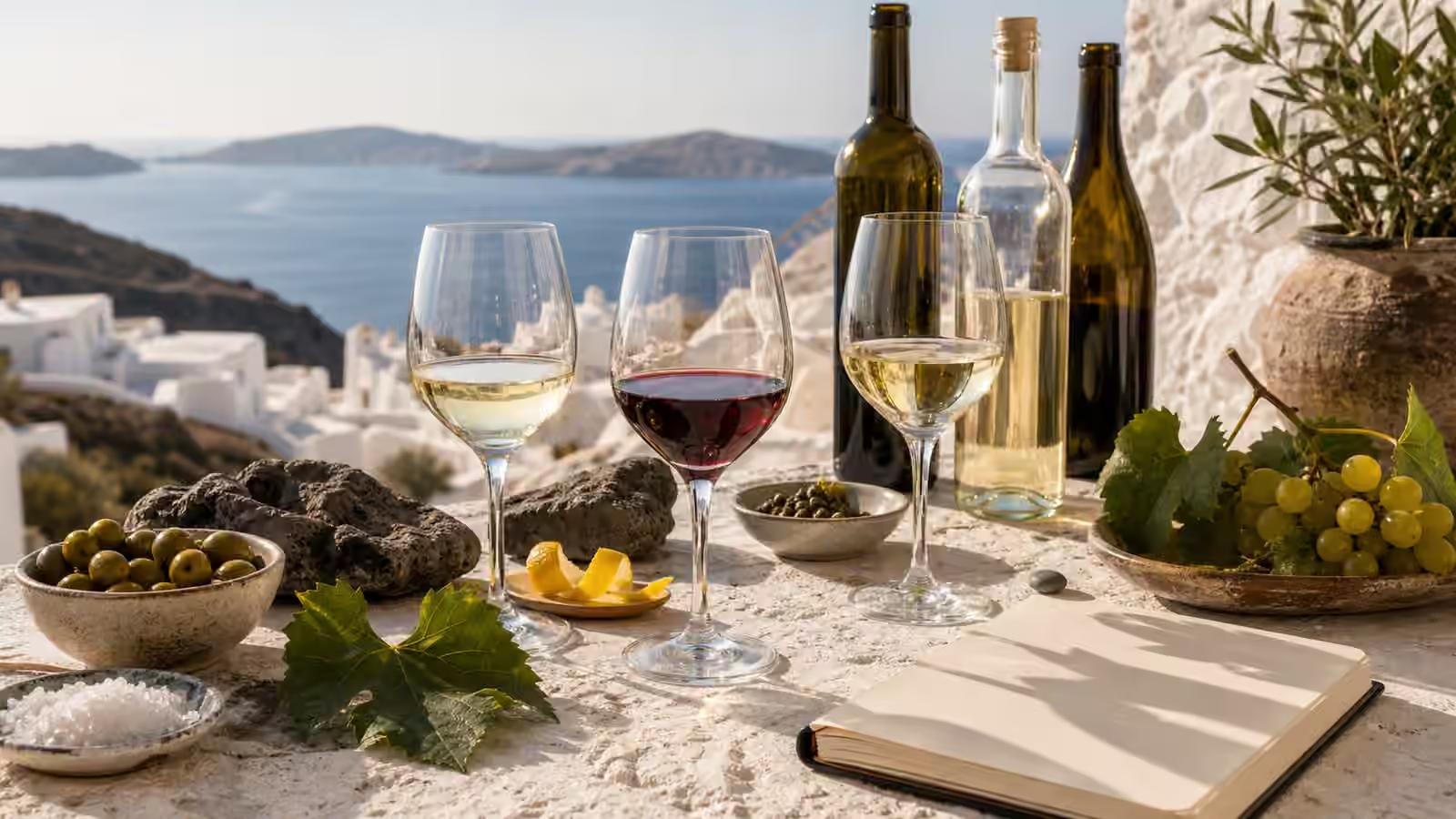
If you want a small learning path, pour one Assyrtiko, one Xinomavro or Agiorgitiko, and one aromatic white such as Moschofilero or Malagousia across a simple table of olives, lemony seafood, tomato, herbs, cheese, and grilled vegetables. The bottles will explain themselves faster than a glossary can. Greek wine becomes less mysterious when you let acidity, salt, herbs, and structure do the translation.