Fortified wine sits in a curious place. It is wine, but it behaves differently from the bottle you pour with roast chicken or pasta. It can be pale and bone dry, dark and sweet, amber and nutty, herbal and bitter, or old enough in flavor that it seems to come from a pantry rather than a vineyard. A single shelf might hold Fino Sherry, Tawny Port, Madeira, Marsala, and vermouth, and all of them belong to the same broad family because spirit has been added to wine.
That added spirit is the key, but it does not tell the whole story. Fortification can stop fermentation early and leave natural grape sweetness behind. It can happen after a wine has already fermented dry. It can preserve a wine for long travel, shape its texture, or prepare it for aging under air in a way that would ruin most table wines. If Wine Structure: Acidity, Tannin, Body, Sweetness, Alcohol, and Finish teaches you to notice a wine’s physical shape, fortified wine teaches you how much timing and oxygen can change that shape.
Fortification Is About Timing
Most still wine becomes alcoholic because yeast converts grape sugar into alcohol and carbon dioxide. In a dry wine, that fermentation runs until little fermentable sugar remains. In a sweet fortified wine such as many Ports, neutral grape spirit is added while fermentation is still underway. The higher alcohol stops the yeast, so some grape sugar remains in the wine. The result can feel rich, sweet, warming, and structured all at once.
Dry fortified wines follow a different path. A base wine may ferment dry first, then receive spirit afterward. That is common in dry Sherry styles, where the drama is not sweetness but aging. Some Sherries age under a veil of yeast called flor, which protects the wine from direct oxidation and gives pale, dry styles their salty, almond-like, sometimes bread-dough character. Other Sherries age with more contact with oxygen, becoming deeper in color, nuttier, and more savory. The word fortified only says that spirit entered the process. The style depends on when it entered, how the wine aged, and what the producer wanted the finished glass to do.
This is why fortified wine can confuse people who expect one flavor category. It is not a synonym for dessert wine, even though many dessert wines are fortified. It is not a synonym for high alcohol sweetness, even though some fortified wines are exactly that. It is a technique family with several old regional languages inside it.
Sherry Begins With Dryness
Sherry is the best place to break the habit of assuming fortified means sweet. Fino and Manzanilla are pale, dry, delicate, and often startlingly savory. They can smell like almonds, fresh dough, sea air, chamomile, apple skin, or a clean cellar. The pleasure is not fruitiness in the usual sense. It is appetite. A cold glass with olives, almonds, fried seafood, ham, or hard cheese can make ordinary table wine seem too obvious.
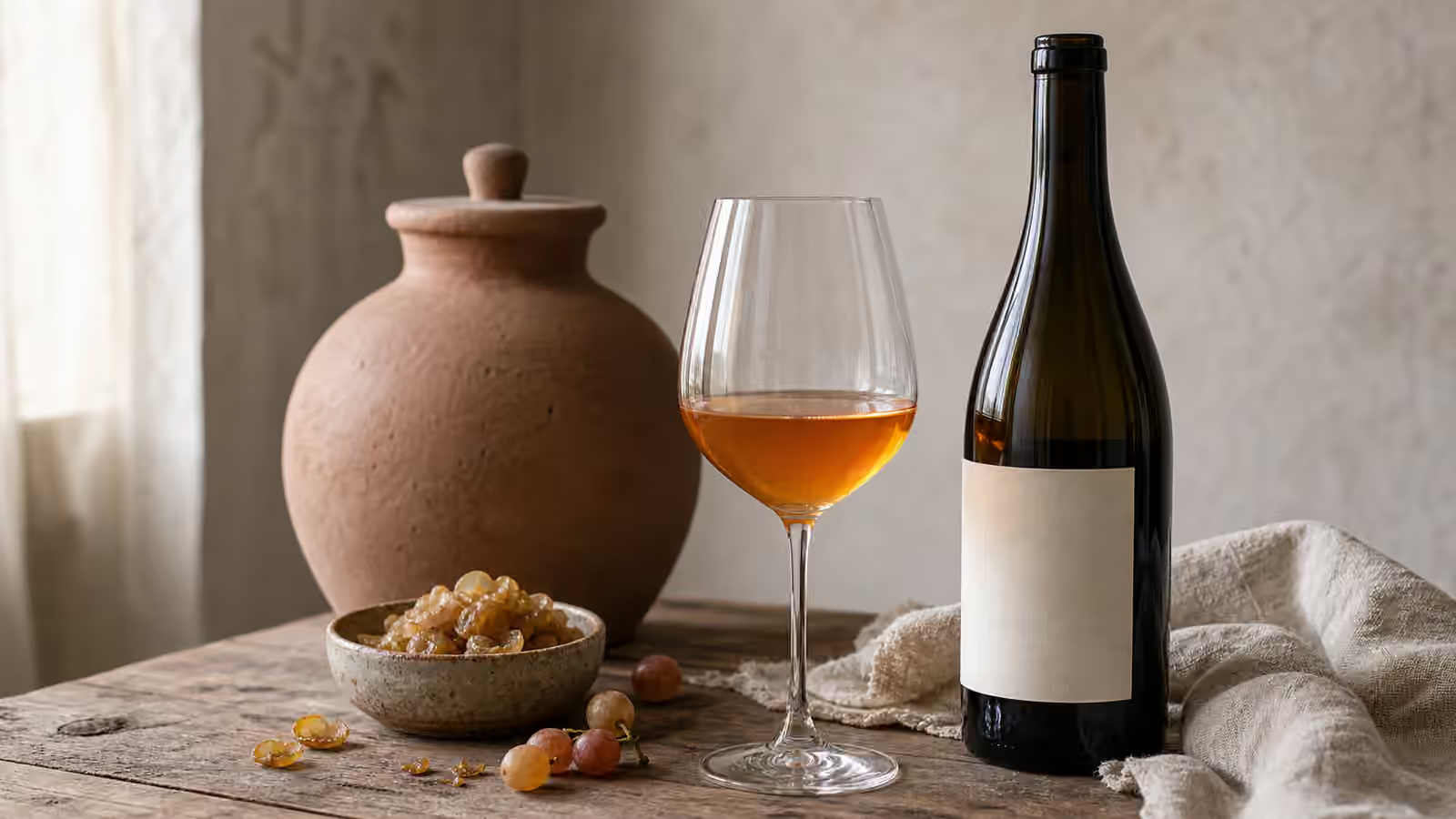
Amontillado, Palo Cortado, and Oloroso move into deeper territory. They are usually amber to brown, with flavors that may suggest roasted nuts, dried citrus peel, tobacco, tea, mushrooms, caramelized edges, or old wood. Some are fully dry. Some are sweetened into richer styles. The label is worth reading because color alone does not tell you sweetness. This is where Reading Wine Labels Without Panic becomes practical: look for the style name, producer, sweetness cues, and any back-label language that says dry, medium, cream, or sweet.
Dry Sherry is also a reminder that oxidation is not always a fault. In most table wines, tired apple, bruised fruit, or flat nuttiness can signal damage, as the guide to When Wine Smells Off explains. In oxidative fortified wine, controlled exposure to air is part of the intended character. The difference is energy. A good Oloroso may be nutty and dark, but it should still feel alive. It should have line, salt, lift, or persistence rather than tasting merely stale.
Port Is Sweetness With Structure
Port gives fortified wine its most familiar red-wine silhouette. Spirit is added before fermentation finishes, so sweetness remains, but the best examples are not simply sweet. They have tannin, acidity, fruit depth, and warmth. Ruby-style Ports tend to emphasize dark fruit, berry compote, chocolate, and youthful richness. Tawny Ports spend more time aging in wood and often move toward caramel, walnut, dried fig, orange peel, and spice. Vintage and late-bottled styles can carry more grip and concentration, though labels and producer choices matter more than any single category name.
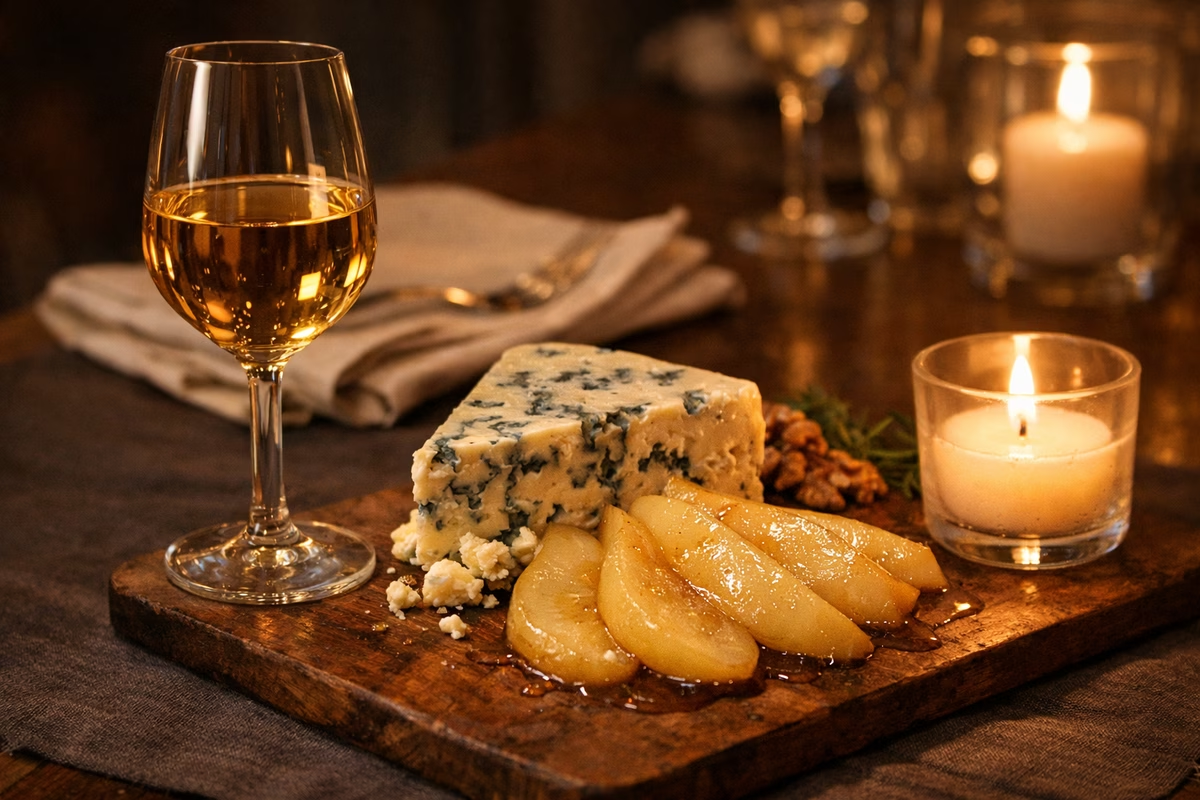
The important tasting habit is to treat Port as wine with structure, not as syrup. A small pour can handle blue cheese because salt and fat answer sweetness. It can work with dark chocolate when the wine has enough fruit and depth. It can also be beautiful alone at the end of a meal, especially when served slightly cool rather than warm. Too much heat in the glass makes alcohol louder and sweetness heavier.
The story in The Dessert Wine That Changed Dinner is useful here because it treats sweetness as a structural choice. Sweet wine works when acidity, bitterness, tannin, salt, or age gives the sugar something to push against. Port can be generous, but generosity without balance becomes tiring. Look for freshness under the richness.
Madeira Is Built From Heat and Air
Madeira sounds like a contradiction because it survives two things most wines fear: heat and oxygen. Its traditional identity comes from controlled exposure to warmth and air, which gives the wine flavors that can seem roasted, caramelized, citrusy, nutty, smoky, or tangy. The best Madeiras keep sharp acidity under those deep flavors, which is why they can feel both old and electric.
Madeira ranges from dry to sweet, and the names on labels can point toward that spectrum. Drier styles can work before a meal with nuts or savory snacks. Sweeter styles can handle caramel, nuts, fruit desserts, or blue cheese. The common thread is acidity. Even when Madeira is sweet, it often finishes cleaner than expected because that acidity cuts through the weight.
It is also one of the most forgiving opened bottles in the wine world. That does not mean every bottle should live forever on a sunny counter, but it does mean Madeira is less fragile after opening than a fresh white or young red. If Wine Storage and Serving is about protecting ordinary bottles from heat, light, and oxygen, Madeira is the unusual case where the production style has already made peace with conditions that would damage most wines.
Marsala, Vermouth, and the Forgotten Middle
Marsala often suffers because many people know only supermarket cooking wine. Good Marsala is more serious than that reputation. It can be dry or sweet, pale or dark, simple or deeply aged, and it can bring nut, dried fruit, spice, and savory depth to the table. A dry Marsala with mushrooms, aged cheese, or roasted nuts makes more sense than the cooking-wine stereotype suggests. As with Sherry, the label matters because sweetness and aging style change everything.
Vermouth belongs in the conversation too, though it is not just fortified. It is fortified and aromatized, meaning botanicals are part of its identity. Dry vermouth, sweet vermouth, and many regional aperitif wines use wine as a base, then add spirit, herbs, roots, citrus peel, spices, or bittering elements. They are not substitutes for Port or Sherry, but they teach the same lesson: wine can become a bridge between the table and the bar without losing its connection to grapes.
This middle category is useful for people who find ordinary wine categories too narrow. A chilled dry vermouth with a twist, a glass of Fino with almonds, or a dry Madeira before dinner can serve the same appetite-opening role as sparkling wine, but with more savory detail. The pairing logic from Pairing Wine with Modern Foods still applies. Match weight, manage sweetness, respect acidity, and notice whether the drink is echoing the food or resetting your palate.
Serving Makes the Difference
Fortified wine is often served in small pours because it is stronger than table wine and because its flavors are concentrated. The glass does not need to be precious. A small tulip-shaped glass, a white wine glass with a modest pour, or a simple copita can all work. The goal is enough room to smell the wine without turning a small serving into a shallow puddle.
Temperature matters. Pale dry Sherry usually wants a firm chill. Richer amber Sherries, Tawny Port, and Madeira often show best cool rather than cold, enough chill to keep the alcohol tidy but not so much that aroma disappears. Ruby and vintage-style Ports can benefit from the same thinking used for structured reds in Serving Temperature and Decanting : if the wine feels hot or heavy, cool it slightly; if it feels muted, let it warm a little in the glass.
Open-bottle life varies by style. Pale dry Sherry is more fragile than many people expect and is best treated like a fresh wine once opened, with refrigeration and timely drinking. Richer oxidative Sherries, Ports, Madeiras, and many vermouths are sturdier, though refrigeration still helps many opened bottles stay cleaner. The practical habit is simple: keep opened fortified wines closed, cool, and out of light, then taste them over time so you learn how each style changes.
How to Buy the First Bottle
The first question is not which famous name to memorize. It is what job the bottle should do. If you want an aperitif, start with dry Fino, Manzanilla, dry Madeira, or a good dry vermouth. If you want something with cheese after dinner, consider Tawny Port, sweeter Madeira, Oloroso, or a richer Sherry style. If you want a dessert wine, think about whether the dessert needs fruit, caramel, nuts, chocolate, or salt as its partner.
The second question is sweetness. Ask it directly at a shop or restaurant because fortified labels can be less obvious than table-wine labels. Dry Sherry can look amber and still taste bone dry. Port is usually sweet, but style changes texture and age character. Madeira can move from dry and tangy to rich and sweet. Marsala and vermouth cover wide ground. A good request sounds like a use case: “I want a dry fortified wine for salty snacks” or “I want a small after-dinner pour for blue cheese.”
Once you stop asking fortified wine to be one thing, the category becomes easier. Sherry can sharpen the appetite. Port can give sweetness a frame. Madeira can turn heat and air into flavor. Marsala can reclaim the table from the saucepan. Vermouth can make wine feel botanical and bright. The shelf that once looked like a strange corner of the shop starts to look like a set of tools, each one built for a moment when ordinary table wine is not quite the right shape.