Chardonnay causes arguments because people often talk about it as if it were one flavor. One person hears the word and imagines butter, vanilla, and a broad golden wine. Another imagines Chablis, lemon, oyster shell, and a cold line of acidity. Both are describing real Chardonnay, but neither is describing the whole grape. Chardonnay is less like a loud personality than a responsive instrument. Climate, harvest ripeness, fermentation vessel, oak, lees, malolactic fermentation, and serving temperature can all change the way it speaks.
That responsiveness makes Chardonnay one of the best training grapes in wine. It connects the broad structure ideas in Major Wine Grapes by Structure with the cellar choices explained in Oak, Steel, Lees, and Skin Contact . If you taste a lean unoaked bottle beside a richer barrel-aged one, you can feel how grape, place, and winemaking separate into different layers. The goal is not to decide which style is correct. The goal is to know which style you are buying before the cork comes out.
Start With Climate Before Oak
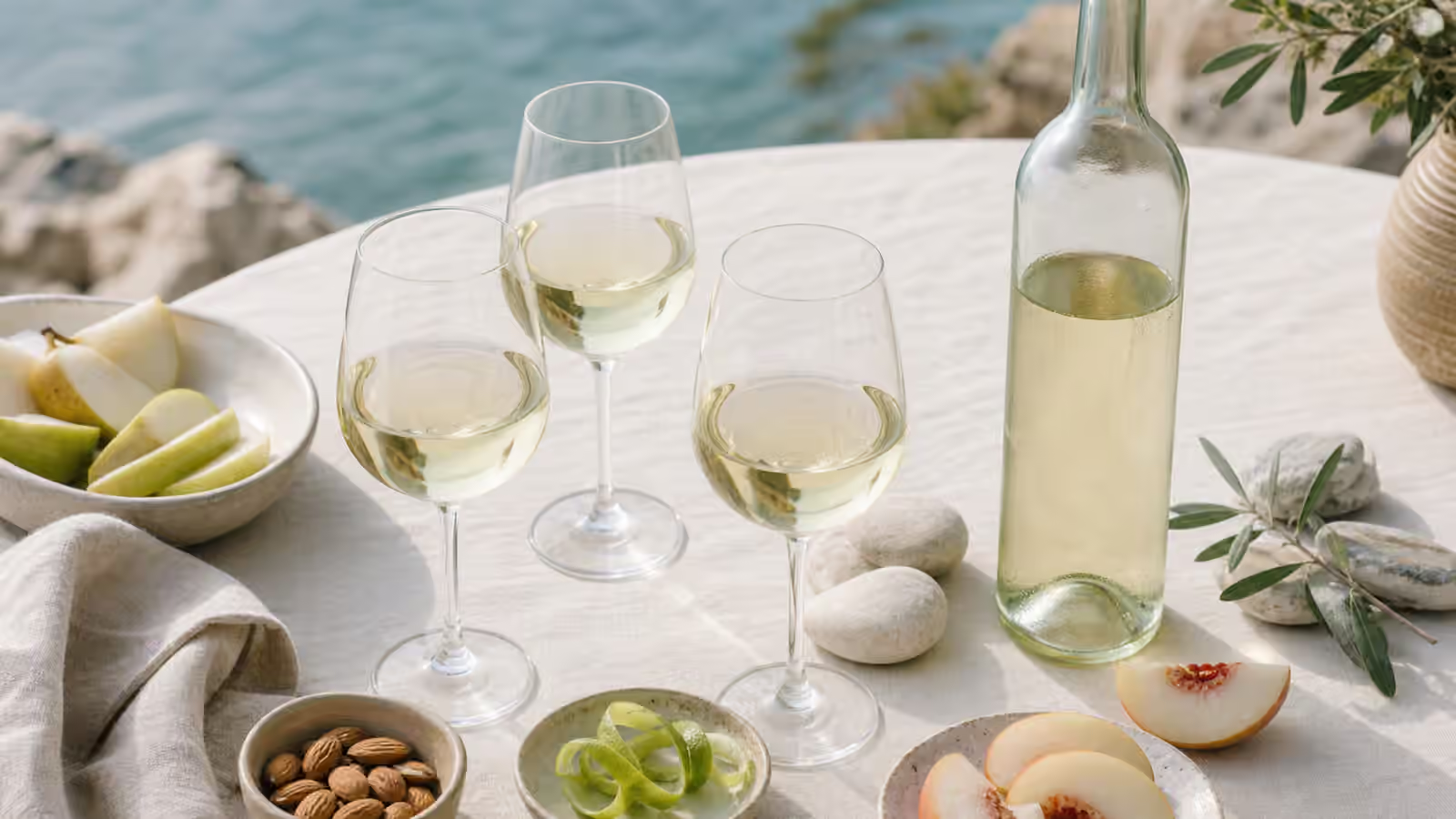
Climate is the first clue because it shapes the fruit before the winemaker makes a single cellar decision. In cooler places, Chardonnay often keeps higher acidity and tastes closer to lemon, green apple, pear skin, chalk, saline notes, or white flowers. It may feel narrow, firm, and refreshing. Chablis is the famous example, but the same general idea appears in many cool coastal or elevated regions. The wine may not taste dramatic at first. Its pleasure is in line, precision, and the way it wakes up seafood, roast chicken, or salty snacks.
Warmer places push Chardonnay toward riper fruit. The glass may suggest baked apple, peach, pineapple, melon, yellow pear, or citrus curd. Body often increases because riper grapes bring more sugar, which ferments into more alcohol. Acidity can still be present, especially when the vineyard site is thoughtful or harvest timing is careful, but the center of the wine usually feels broader. This is why a warm-climate Chardonnay can seem generous even before oak enters the conversation.
Neither climate style is automatically better. A lean wine can be too sharp if it lacks fruit or texture. A ripe wine can be too heavy if it loses freshness. The useful question is physical: does the wine feel like a clean line, a rounded middle, or a plush full-bodied white? Once you can answer that, the label and shop conversation become much easier.
Oak Adds Flavor And Shape
Oak is the most obvious Chardonnay signal because it can add flavors people recognize quickly. Vanilla, toast, baking spice, smoke, coconut, clove, cedar, and roasted nuts may all come from barrel influence. Newer barrels usually speak more loudly. Older barrels can shape texture and oxygen exposure without adding much obvious flavor. Large barrels tend to be subtler than small barrels. A wine may also be fermented in barrel, aged in barrel, or both, and those choices can make the oak feel either integrated or pasted on.
Good oak does not simply make Chardonnay taste woody. It gives the wine shoulders. It can support ripe fruit, add savory depth, and make a richer white feel more complete. Poorly matched oak feels like furniture polish over fruit that cannot carry it. The problem is not oak itself. The problem is proportion. A delicate cool-climate Chardonnay may only need a quiet frame, while a riper wine with more body can absorb stronger barrel notes.
If you dislike oaky Chardonnay, be specific about what bothers you. Some drinkers dislike vanilla sweetness. Some dislike toast. Some dislike the heaviness that often comes along with oak but is really about ripeness, alcohol, or malolactic texture. Asking for “unoaked Chardonnay” is useful, but asking for “lean, mineral, high-acid Chardonnay” is even better because it names the shape you want.
Malolactic Fermentation Is The Butter Clue
Malolactic fermentation, often shortened to malo, is a process that converts sharper malic acid into softer lactic acid. In tasting terms, it can make wine feel rounder, creamier, and less angular. It can also create buttery or yogurt-like aromas, especially when paired with ripe fruit and oak. This is the source of the classic buttery Chardonnay profile, though butteriness is not guaranteed every time malo happens.
The best way to understand malo is to think about texture before flavor. A Chardonnay that has gone through full malolactic fermentation may feel softer at the edges, even if it is dry. A Chardonnay that blocks malo may feel brighter, more citrusy, and more direct. Many producers use partial malo, keeping some freshness while adding a little curve to the palate. That middle path can be especially useful for wines meant to handle food rather than dominate it.
Malo also explains why two Chardonnays with similar oak levels can feel different. One may taste like lemon, apple, and toast with a firm finish. Another may taste like baked pear, cream, and vanilla with a softer landing. The second wine is not sweeter in the sugar sense. It is broader, riper, and more lactic. Wine Sweetness: Dry, Off-Dry, and Residual Sugar helps here because fruit, oak, and creamy texture can all make a dry wine seem sweeter than it is.
Lees Make Richness Without Obvious Oak
Lees aging is another reason Chardonnay can feel textured. Lees are spent yeast cells and tiny solids that remain after fermentation. When wine rests on them, it can gain bread dough, cream, almond, hazelnut, pastry, or savory notes. Stirring the lees can increase that effect. Unlike oak, lees do not need to taste like vanilla or toast. They can make a wine feel fuller while keeping the fruit clear.
This is why a stainless-steel Chardonnay is not always thin. A wine can be fermented in steel, aged on lees, and come out both fresh and quietly substantial. Some examples feel like green apple with a creamy edge. Others feel saline, nutty, or almost chalky. If you are trying to avoid heavy oak but still want a white wine with enough texture for roast poultry, mushrooms, corn, or butter sauces, lees-aged Chardonnay can be the right lane.
Bottle age adds another layer. Chardonnay with enough acidity and balance may move from fresh fruit toward honey, nuts, baked apple, toast, or waxy notes over time. That does not mean every bottle should be cellared. Many Chardonnays are made for early drinking, and some lose their brightness quickly. Aging Wine vs Drinking Now is useful because Chardonnay sits on both sides of the line: some bottles reward patience, and many are best while the fruit is still clear.
Match Chardonnay By Weight
Food pairing becomes simple when you stop treating Chardonnay as one category. Lean, unoaked Chardonnay works with oysters, shellfish, grilled fish, lemony salads, fresh cheeses, and dishes where acidity is the main need. It behaves almost like a crisp coastal white, especially when served cool but not icy. The seafood logic in Seafood and Shellfish Wine Pairing applies well to this style.
Medium-bodied Chardonnay with some lees or subtle oak belongs with roast chicken, pork, mushrooms, squash, risotto, firm fish, and dishes with herbs or browned butter. Fuller oaked Chardonnay can handle lobster, crab with butter, creamy pasta, corn, richer poultry, and soft cheeses. It may clash with delicate raw seafood, sharp vinaigrettes, or very spicy food because oak, alcohol, and creaminess can feel heavy against heat and acid.
Temperature matters. If a serious Chardonnay is too cold, it may show only acid and oak. If it is too warm, alcohol and butteriness can become loud. Start cool, then let the glass warm slightly. Serving Temperature and Decanting explains the broader pattern, but Chardonnay is one of the clearest white-wine examples because aroma and texture change within minutes.
Buying Without The Stereotype
When shopping, ask for Chardonnay by style rather than reputation. If you want sharp and mineral, mention Chablis-like, unoaked, cool-climate, high acid, or stainless steel. If you want middle weight, ask for subtle oak, lees texture, or balanced richness. If you want the classic broad style, ask for ripe fruit, barrel influence, malo, and a fuller body. Those words are more useful than saying you like or hate Chardonnay.
Labels sometimes help, but they do not always say enough. A back label may mention stainless steel, barrel fermentation, neutral oak, new oak, lees aging, or malolactic fermentation. Alcohol can offer a clue, with lower levels often suggesting a lighter frame and higher levels suggesting more ripeness, though it is not a perfect rule. Region matters too. Burgundy, California, Oregon, Australia, South Africa, Chile, and many other places all make Chardonnay in more than one mood.
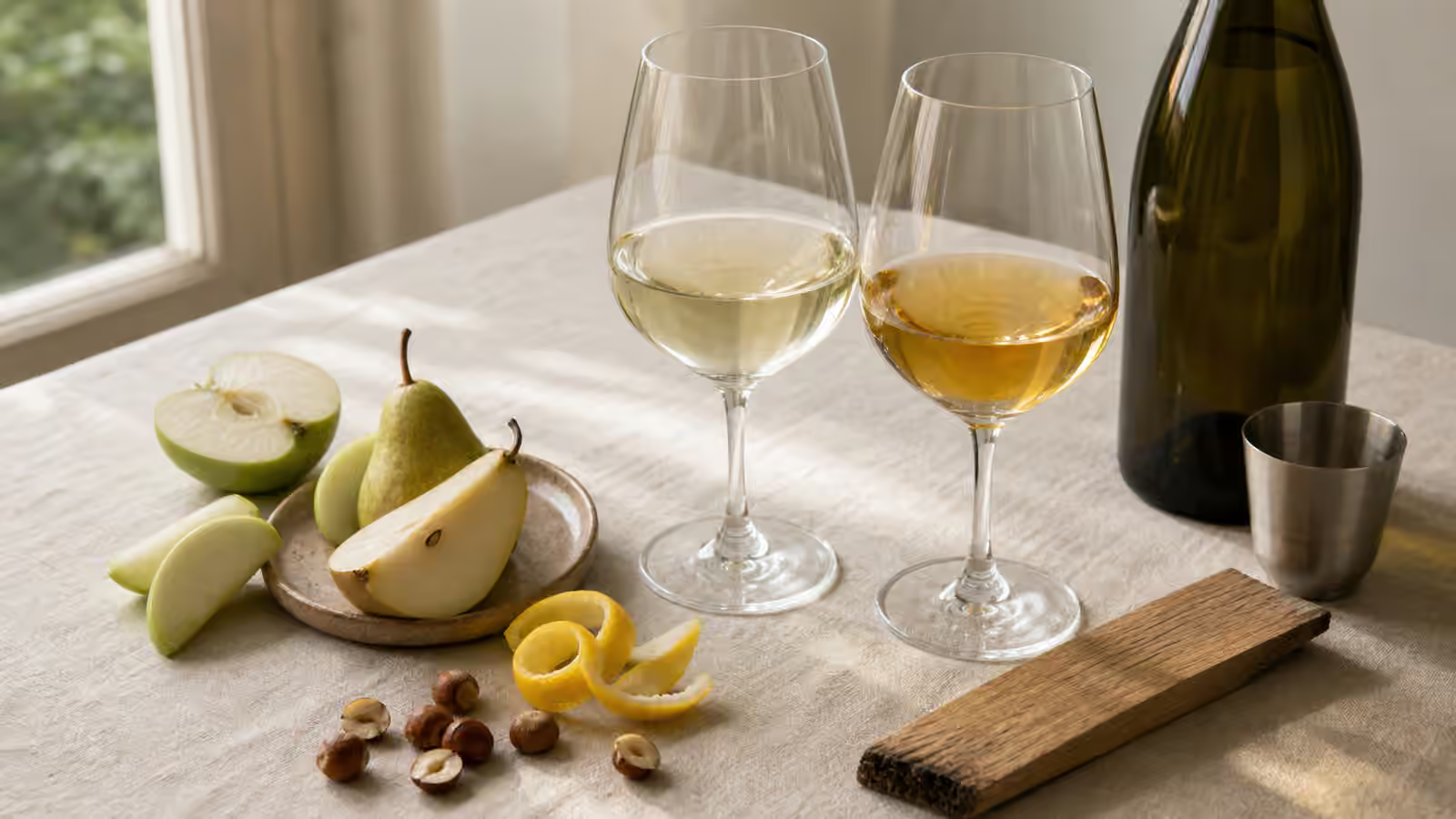
The most useful exercise is a two-bottle comparison. Pour a lean unoaked Chardonnay beside a fuller oak-influenced one. Taste both before food, then with something salty, something creamy, and something lemony. The grape will stop being a stereotype and become a set of choices. After that, a Chardonnay label is less likely to surprise you in the wrong way.