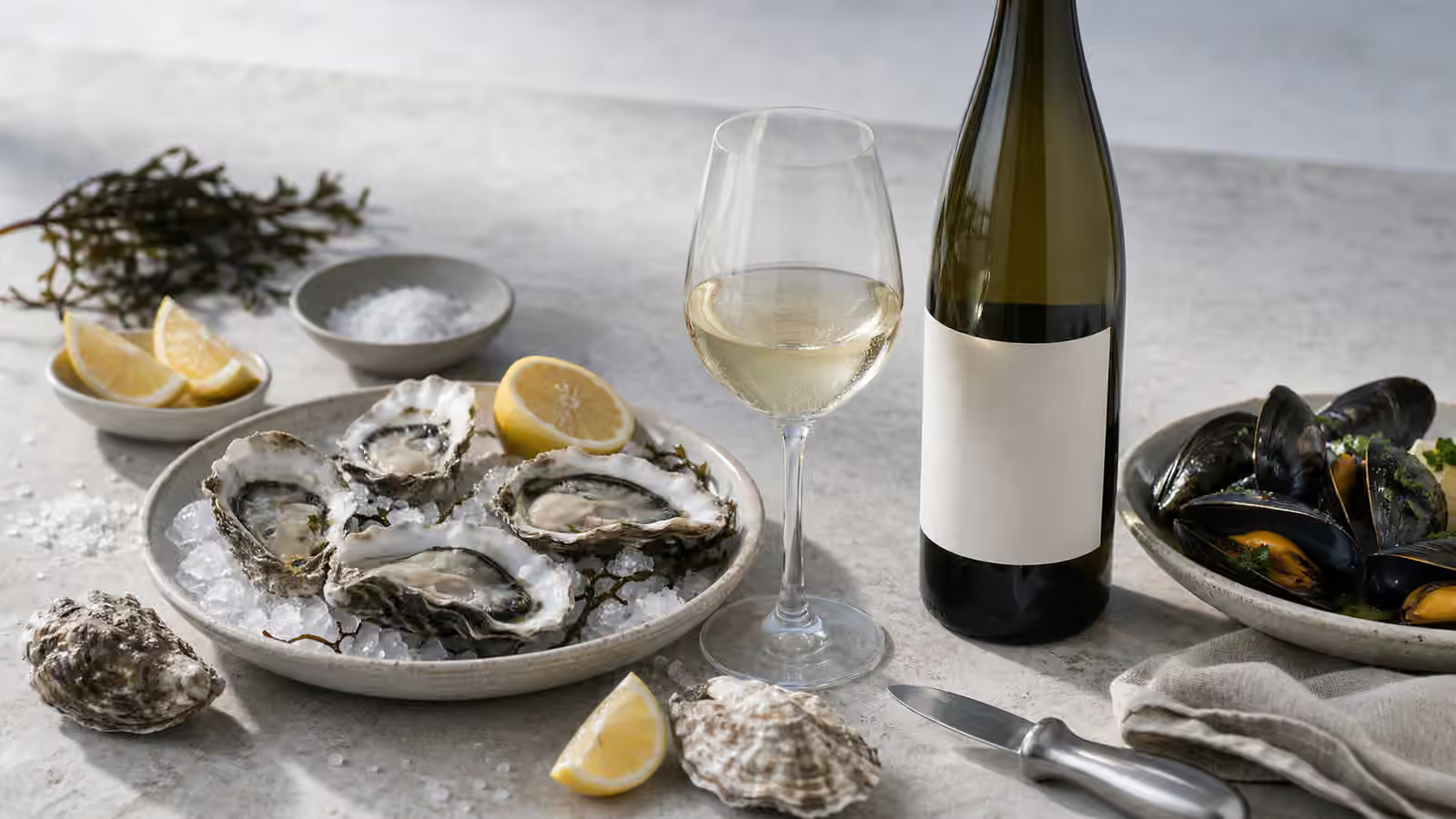
Sparkling wine is often treated as a mood before it is treated as a wine. The bottle appears when something is being celebrated, the cork makes a sound, and the glass fills with bubbles before anyone has asked what those bubbles mean. That is pleasant, but it leaves a lot of useful information on the label. Sparkling wine can be lean or creamy, dry or gently sweet, simple or layered, citrusy or biscuit-like, made for aperitif drinking or strong enough for dinner.
The fastest way to read the category is to separate method, place, sweetness, and texture. The Night We Opened the Wrong Bottle tells the story version of that lesson. This guide keeps the same idea at the shelf: the right bottle becomes easier to choose when you know whether you want fruit, toast, softness, sharpness, or a wine that can carry salty food.
Method Shapes The Bubble
All sparkling wine has trapped carbon dioxide, but the path into the bottle changes the taste. Traditional-method wines undergo a second fermentation in the bottle. Champagne, many Cremants, Cava, Franciacorta, and some serious sparkling wines from many regions use this approach. Time on the spent yeast cells, often called lees, can add bread dough, brioche, almond, cream, smoke, or pastry-like depth. The bubbles often feel finer and more persistent because the wine has developed slowly under pressure.
Tank-method wines handle the second fermentation in a pressurized tank. Prosecco is the most familiar example. This method protects fresh fruit and flowers rather than building a long yeast-aged profile. A good tank-method sparkling wine can be charming, clear, and immediate. It may taste of pear, apple, citrus, melon, white flowers, or fresh grapes. It does not need to imitate Champagne to be successful. It needs to fit the moment.
There are also ancestral and lightly sparkling styles that may feel softer, cloudier, more rustic, or more grape-forward. Those can be delicious, but they ask for a different kind of expectation. If the label suggests pet-nat or ancestral method, think freshness, variation, and a looser texture rather than polished house style. If you are buying for a large table, especially one that expects a clean classic bottle, ask the shop how stable and dry the wine feels.
Champagne Is A Place, Not A Synonym
Champagne comes from Champagne. The name is not a generic word for bubbles. Its classic grapes are Chardonnay, Pinot Noir, and Pinot Meunier, and the region’s cool climate gives many wines high acidity. That acidity is part of the pleasure, but it can feel severe if the wine is served too cold or opened beside food that is too delicate. When Champagne works, freshness, chalky tension, fruit, and lees depth pull against each other.
Cremant is also French traditional-method sparkling wine, but it comes from regions outside Champagne. Cremant d’Alsace, Cremant de Loire, Cremant de Bourgogne, and other regional bottles can be excellent ways to learn traditional-method texture without making the label feel ceremonial. The grape mix changes by region, so the best question is not whether Cremant is “like Champagne.” It is whether the bottle is crisp, creamy, fruity, or savory enough for the job you have in mind.
Cava is Spain’s classic traditional-method sparkling wine. Many bottles use local grapes such as Macabeo, Xarel-lo, and Parellada, though international grapes also appear. Cava can offer apple, citrus, almond, herbs, toast, and a firm savory edge. It is especially useful with fried food, tapas, salty snacks, roast vegetables, and seafood because the acidity and bubbles reset the palate without demanding too much attention.
Prosecco comes from northeastern Italy and is usually based on the Glera grape. It is commonly made by the tank method, which suits its pear, apple, melon, and floral side. The best Prosecco feels fresh rather than sugary. It is often the right bottle when you want a low-pressure aperitif, a brunch pour, or something that will make a mixed group comfortable quickly. Franciacorta, from Lombardy, belongs in a different lane: traditional method, often more textured and serious, with a profile closer to fine meal service than casual patio drinking.
Sweetness Words Need Patience
Sparkling wine sweetness terms confuse even careful drinkers because some words sound drier than they are. Brut Nature and Extra Brut are very dry styles. Brut is the common dry zone and often the safest place to begin. Extra Dry is not extra dry in the ordinary sense; it is usually softer and slightly sweeter than Brut. Sec, Demi-Sec, and Doux move into noticeably sweeter territory.
Those terms describe dosage, the small adjustment often added after disgorgement in traditional-method wines. Dosage can sharpen, soften, or balance a sparkling wine. It is not a flaw. A very dry sparkling wine can be thrilling with oysters or lean seafood, but it can also feel hard with spicy food or cake. A lightly sweeter bottle can be more graceful with fruit, heat, salt, or casual appetizers. Wine Sweetness: Dry, Off-Dry, and Residual Sugar helps with the broader idea that sweetness is a structural choice, not a moral category.
When you are unsure, look at the whole label and the occasion. Brut Champagne for fried chicken or hard cheese makes sense because acidity and lees depth meet salt and fat. Extra Dry Prosecco can be pleasant before dinner because the fruit feels round. Demi-Sec Champagne can be beautiful with fruit tarts, blue cheese, or spiced desserts, but it may be too sweet for oysters. The bottle is only “dry enough” when it suits the food and the drinkers.
Lees, Age, And Texture Make The Difference
Lees aging is one reason traditional-method sparkling wine can feel layered. The longer a wine rests with the yeast sediment before disgorgement, the more it may develop bread, biscuit, nut, cream, or savory notes. Some labels mention extended lees aging, late disgorgement, vintage, reserve wines, or prestige cuvee language. These are clues, not guarantees. They suggest texture and depth, but producer style still matters.
Vintage sparkling wine comes from one harvest and often reflects that year’s ripeness and acidity more clearly. Non-vintage or multi-vintage wine blends multiple years to create a house style. Neither is automatically better. A non-vintage Brut from a skilled producer can be the most reliable introduction to that producer’s balance. A vintage bottle may be more distinctive, structured, or ageworthy, but it can also need more attention to temperature, glassware, and food.
Color is another clue. Blanc de Blancs usually means white from white grapes, often Chardonnay in Champagne, and it can feel citrusy, chalky, and precise. Blanc de Noirs means white from dark grapes, often Pinot Noir and Pinot Meunier, and it can feel broader, red-fruited, or more powerful. Rose sparkling wine may gain color from skin contact or blending, depending on region and producer. The useful question is again physical: do you want line, breadth, fruit, toast, or grip?
Service Can Make A Good Bottle Seem Wrong
Sparkling wine is sensitive to temperature. Too cold, and a serious bottle can taste like bubbles and acid with the rest hidden. Too warm, and alcohol, sweetness, or foam can feel sloppy. Start well chilled, pour modestly, and let better bottles warm a little in the glass. Serving Temperature and Decanting explains the broader pattern, but sparkling wine makes the lesson obvious within minutes.
Glass shape matters too. A flute preserves a dramatic bubble stream, but it narrows the aroma. A tulip-shaped glass or small white-wine glass gives more room for Champagne, Cava, Cremant, and Franciacorta to show citrus, apple, toast, nuts, or mineral notes. Very casual Prosecco can be fine in a flute, but a textured traditional-method bottle deserves a little more bowl. Wine Glassware is useful because sparkling wine shows how aroma and temperature work together.
Open the bottle quietly. The dramatic pop wastes pressure and sometimes wine. Hold the cork, twist the bottle, and let the pressure ease out with control. That small gesture changes the mood from performance to service. It also keeps the wine in the glass, where it belongs.
Food Is The Best Reason To Keep Bubbles Around
Sparkling wine is not only for first pours. Acidity and carbonation cut through salt, fat, and fried textures, which is why Champagne with oysters is famous and Champagne with fried chicken works better than it sounds. Cava with olives, anchovies, potatoes, and cured meats is practical. Cremant with soft cheese, roast poultry, or mushroom dishes can be quietly excellent. Prosecco with salty snacks and fresh appetizers is easy to understand because fruit and foam make the table feel relaxed.
The pairing logic is the same one used in Pairing Wine with Modern Foods : match weight, manage salt and fat, and decide whether sweetness helps. A dry, austere sparkling wine can be beautiful with briny seafood but awkward with chile heat. A slightly softer sparkling wine may handle spice or fruit better. A richer lees-aged bottle can stand beside roast chicken, aged cheese, tempura, or cream sauces because it has both freshness and middle.
If you want to learn quickly, build a small flight. Pour a Brut traditional-method wine beside Prosecco and a Cava or Cremant. Taste them alone, then with something salty, something fatty, and something lightly sweet. The differences become clear without memorization. One wine will feel crisp and linear. One will feel fruity and immediate. One may feel nutty or savory. After that, sparkling wine stops being only a celebration sound and becomes a set of useful choices.