Beaujolais is one of the most useful red-wine lessons because it refuses the idea that serious red wine must be heavy. At its clearest, it is bright, red-fruited, aromatic, lightly tannic, and hungry for a table. It can be simple and joyful, but the better examples are not flimsy. They show how a wine can have charm, acidity, mineral tension, and savory depth without the weight of Cabernet Sauvignon or the price anxiety that follows more famous Pinot Noir.
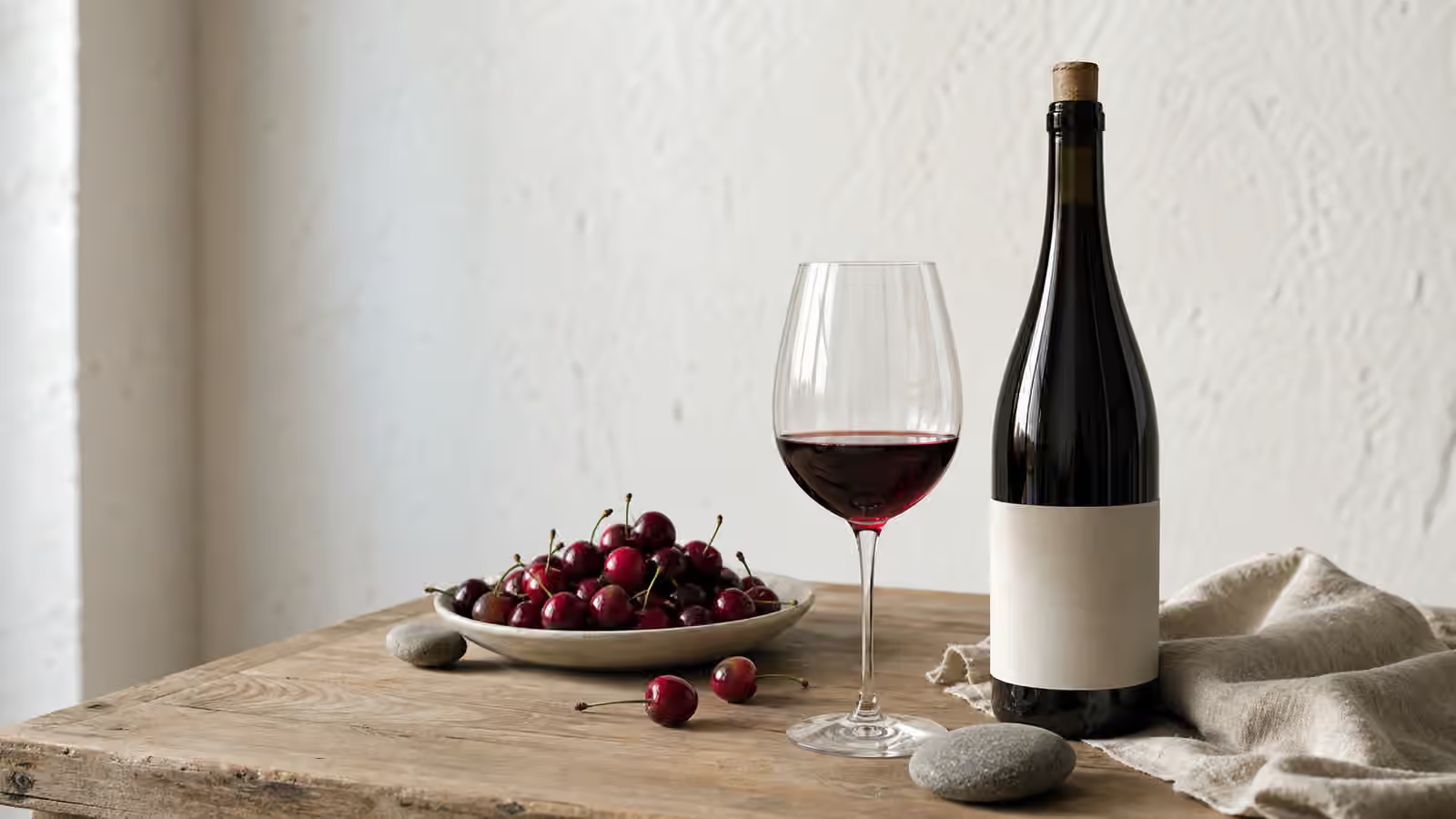
The grape behind most Beaujolais is Gamay, and Gamay is worth learning by feel. It often smells of cherry, raspberry, cranberry, violet, peony, pepper, wet stone, or a faint earthy note. The body is usually light to medium. Tannin tends to be gentle, though some bottlings have more grip than people expect. Acidity is the engine. If Wine Structure teaches you how acidity, tannin, body, alcohol, and finish interact, Beaujolais gives you an easy red-wine classroom.
Start With Lightness, Not Simplicity
Lightness in wine is often mistaken for lack of ambition. Beaujolais corrects that mistake quickly. A good bottle can be transparent in color and still precise. It can feel juicy at first and then finish with spice, stones, flowers, or a fine dusting of tannin. The trick is to stop measuring it against bigger reds and notice what it does better than they do. It refreshes. It makes another bite of food appealing. It carries fruit without syrup. It invites a slight chill without collapsing.
That last point matters. Beaujolais is one of the easiest red wines to serve a little cooler than room temperature. Too warm, it can seem loose or candy-like. Slightly cool, the fruit tightens, the acidity becomes clearer, and the wine feels more focused. The practical habits in Serving Temperature and Decanting apply here, but the setup is simple: cool the bottle briefly, pour, then let the glass warm naturally as you eat. If the wine becomes more fragrant and less sharp after ten minutes, you have found the right zone.
Nouveau Is A Party, Not The Whole Region
Many drinkers first meet Beaujolais through Beaujolais Nouveau, the young wine released shortly after harvest. Nouveau can be fun when it is treated as what it is: fresh, immediate, unserious in the best sense, and built around fruit rather than depth. It may smell like banana, bubblegum, strawberry, or fresh grapes because of the fermentation choices used for many early-release styles. That does not make it bad, but it does mean Nouveau is a poor definition of the whole region.
Regular Beaujolais and Beaujolais-Villages usually offer more structure and a little more quiet. They can still be inexpensive, especially compared with better-known French red regions, but they often taste more like wine for dinner than wine for a seasonal celebration. They are useful for roast chicken, charcuterie, grilled sausages, lentils, mushroom dishes, burgers, pizza, and casual weeknight cooking. If Pairing with Modern Foods is about flexible food logic, Beaujolais is one of the bottles that proves the logic works.
The Crus Add Place Without Making Things Stiff
The northern part of Beaujolais contains ten named crus, which are village areas known for more distinctive wines. The names can seem like another memory test, but they are better treated as style clues. Fleurie often suggests perfume, softness, and flowers. Saint-Amour can be charming and red-fruited. Chiroubles tends to be lively and high-toned. Morgon and Moulin-a-Vent are usually more structured and can age longer. Brouilly and Cote de Brouilly often sit between generosity and mineral snap. Julienas, Chenas, and Regnie each have their own producers and moods, but the main lesson is enough: cru Beaujolais is where Gamay can move from easy drinking toward real architecture.
Cru does not automatically mean formal. Many bottles remain cheerful and food-friendly. The difference is that the fruit has more frame around it. You may notice firmer tannin, deeper color, darker fruit, spice, or a more persistent finish. Some producers make cru Beaujolais in a fresh, early-drinking style. Others make wines that need air and can improve for several years. The label alone will not tell you everything, so Reading Wine Labels Without Panic still matters. Producer, vintage, alcohol, importer notes, and shop context all help.
Carbonic Fermentation Explains Some Of The Aroma
Beaujolais is closely associated with carbonic or semi-carbonic fermentation. In broad terms, whole grape clusters ferment in a low-oxygen environment, creating vivid fruit aromas and a softer extraction of tannin. You do not need to turn this into cellar science, but it explains why many Gamay wines smell so immediate and feel so gentle. Red fruit, flowers, candy-like notes, and a silky first impression often come from this style of fermentation.
Not all Beaujolais tastes the same, though. Some wines are made with more traditional extraction, longer maceration, oak aging, or a style meant for structure. That is why one bottle may seem like chilled cherry juice with a serious finish while another feels closer to Burgundy in shape. The guide to Oak, Steel, Lees, and Skin Contact is useful because winemaking choices can make the same grape speak in very different registers.
What To Look For In The Glass
A practical tasting method starts with color. Many Beaujolais wines are ruby rather than opaque. That is normal. Smell for fresh red fruit first, then flowers, pepper, earth, or stone. Taste for acidity before you chase individual flavor notes. If your mouth waters and the wine feels alive, you have found the core of the style. Tannin should usually be present but not punishing. Alcohol should not dominate. The finish may be short in simple bottles and more persistent in cru examples.
Food makes the category easier to understand. With a plate of roast chicken, the wine’s acidity lifts the skin and juices. With mushrooms or lentils, the earthy side comes forward. With sausage, charcuterie, or a burger, the red fruit and light tannin keep the meal from feeling heavy. With tomato-based pizza, Beaujolais can be friendlier than a more tannic red because the acidity meets acidity instead of fighting it.
How To Buy Beaujolais Well
When shopping, decide the role first. For an easy chilled red, ask for Beaujolais or Beaujolais-Villages from a producer the shop trusts. For a dinner bottle with more depth, ask about cru Beaujolais and describe the meal. If you want perfume and softness, say that. If you want structure, ask about Morgon, Moulin-a-Vent, or firmer producers. If you want something that behaves like Pinot Noir without tasting like an imitation, Gamay is a good direction.
The best Beaujolais lesson is restraint with confidence. It is not trying to be Bordeaux, Napa Cabernet, or Syrah. It is a red wine built around movement, appetite, and transparency. Once you know that, the category becomes more than a seasonal novelty. It becomes one of the most reliable ways to put a bright, graceful red wine on the table without asking the meal to become formal.