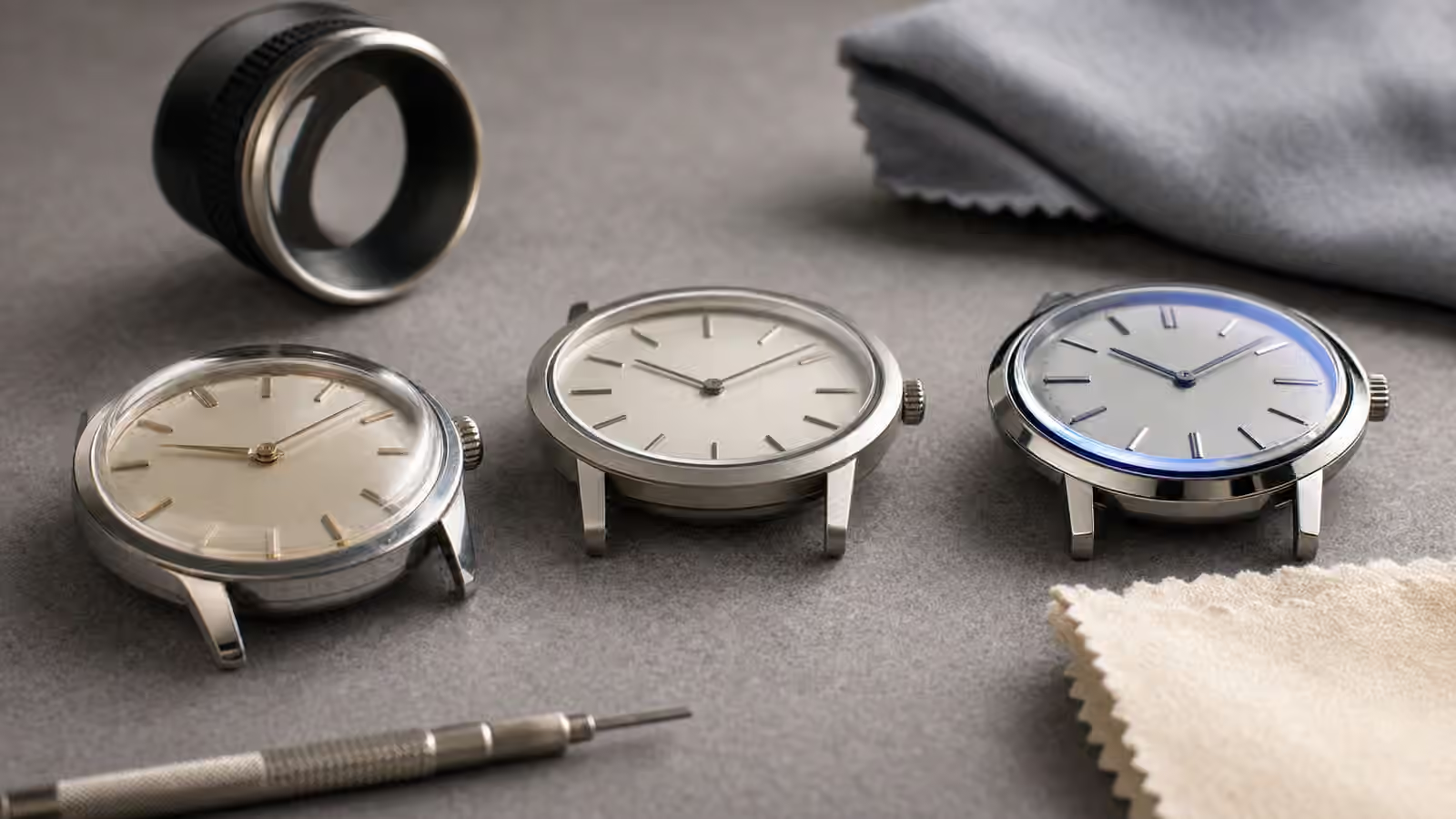
A watch crystal looks like a simple transparent cover until you live with a few different ones. Then it becomes part of the personality of the watch. Acrylic can make a dial feel warm and soft at the edges. Sapphire can make the same dial look crisp and modern. Mineral glass often sits between those worlds, neither romantic nor especially luxurious, but common for good reasons. The material changes how the watch catches light, how it ages, what kind of damage worries you, and how expensive a repair may be if something goes wrong.
The crystal is also one of the few watch parts you see constantly but rarely think about directly. It is the window between your eye and the dial. A beautiful dial under a poor crystal can look flat, hazy, or overly reflective. A plain dial under the right crystal can feel more expensive than it is. When people talk about case size, movement type, or bracelet quality, they sometimes skip the crystal because it sounds like a specification line. In daily wear, it is much more tactile than that.
The crystal is part of the design, not just protection
The practical job of a crystal is obvious: it keeps dust, moisture, and fingers away from the dial and hands. The less obvious job is optical. Every crystal bends light. A flat crystal behaves differently from a domed one. A thick box crystal creates different edge distortion from a low, slightly curved crystal. Even the color of reflections matters. A sapphire crystal with blue anti-reflective coating may make a watch look technical and bright, while an untreated dome may give the dial a warmer, more vintage feeling.
This is why two watches with similar dials can feel different on the wrist. A dress watch with a thin flat sapphire crystal can look precise and restrained. A field watch with a domed acrylic crystal can look relaxed and old-school, even if the dial layout is simple. A diver with a tall box sapphire may borrow vintage shape while keeping modern scratch resistance. The crystal is not only a shield. It is a lens, and lenses have opinions.
If you are still learning how watch proportions work, read this alongside Watch Sizing . Thickness is not only the metal case. The crystal can add height, change how a cuff catches, and affect whether a watch feels sleek or tall.
Acrylic has warmth because it is plastic
Acrylic is the oldest-feeling common watch crystal material because it is a form of plastic. That sounds like an insult until you handle a good acrylic crystal. It can be light, warm, and visually forgiving. It often takes a dome beautifully, giving the dial a soft distortion at the edge and a gentle glow in angled light. Many vintage watches used acrylic, and many modern vintage-inspired watches still use it because no other material feels quite the same.
The trade-off is that acrylic scratches easily. Desk edges, sleeves with grit, keys, and ordinary daily contact can leave marks. The important detail is that most acrylic scratches are not permanent in the same way sapphire damage can be. Fine marks can often be polished out with an appropriate plastic polish and a little care. That does not mean every owner should attack a cherished watch with a cloth on day one, but it does mean acrylic ages with a kind of recoverable honesty. It gathers evidence of use, and much of that evidence can be softened later.
Acrylic also behaves differently under impact. It is less scratch resistant, but it can be more forgiving than glass in certain knocks because it has some give. That is one reason older tool watches could live hard lives with acrylic crystals. The downside is vulnerability to chemicals, heat, and careless polishing. A badly polished acrylic crystal can look smeary or rounded in the wrong places, and a cracked one should be replaced rather than romanticized.
For vintage watches, acrylic deserves special respect. Replacing a crystal may be simple mechanically, but originality, fit, tension, and water resistance all matter. A crystal that is merely “close enough” can change the look of the case or compromise sealing. If the watch has sentimental or collector value, treat the crystal as part of the watch’s character, not as a disposable clear cap.
Mineral glass is the practical middle
Mineral glass is common on affordable and mid-priced watches because it is inexpensive, reasonably clear, and more scratch resistant than acrylic. It is glass, usually treated or hardened in some way depending on the manufacturer. In ordinary use, it can serve perfectly well. Plenty of durable everyday watches have mineral crystals and never cause their owners a problem.
The frustration with mineral glass is that it often occupies an awkward middle ground. It scratches less easily than acrylic, but once scratched, it is not as easy to polish cleanly. It is less scratch resistant than sapphire, so it can pick up marks that a sapphire crystal would ignore. It also lacks the emotional appeal of acrylic and the premium feel associated with sapphire. That makes it easy for enthusiasts to dismiss.
Still, dismissal is too simple. Mineral glass makes sense when cost, replacement, and toughness are part of the design brief. On a modest field watch, a casual quartz watch, or a watch meant to be worn without anxiety, mineral can be completely appropriate. The question is not whether mineral is “bad.” The question is whether it matches the price, the intended use, and your tolerance for visible wear.
If you are comparing watches before purchase, keep this in mind with Buying Guide . A sapphire crystal can be a meaningful upgrade, but it should not distract from poor fit, an uncomfortable bracelet, a weak clasp, or a design you do not actually want to wear. The crystal is one part of the ownership experience, not a magic certificate of quality.
Sapphire is scratch resistant, not invincible
Sapphire crystal is synthetic sapphire, valued because it is extremely hard and highly scratch resistant. For many modern buyers, it is the default premium expectation. A sapphire crystal can stay clear after years of sleeve rub, desk work, and ordinary daily contact. That clarity is satisfying. The watch may collect marks on the bezel and bracelet while the dial window still looks fresh.
The common mistake is translating scratch resistance into invulnerability. Sapphire can chip, crack, or shatter under the wrong impact. A sharp hit against a hard surface may damage an edge or create a fracture. The crystal may look flawless for years and then fail dramatically in an accident that acrylic might have absorbed differently. Hardness is not the same as toughness.
Sapphire also creates reflection problems if it is not treated well. A flat sapphire crystal without effective anti-reflective coating can become a mirror in bright light. Sometimes that is a mild annoyance; sometimes it makes the dial difficult to read. Anti-reflective coating helps, but coatings introduce their own trade-offs. An underside coating is protected by the crystal and usually ages quietly. An outside coating can reduce glare beautifully but may scratch or wear in ways that look worse than the crystal itself.
This is why a specification that simply says “sapphire” does not tell the whole story. The shape, thickness, coating, edge finishing, and relationship to the dial all matter. A well-executed sapphire crystal can disappear. A poorly executed one can make a good watch look shiny in the wrong way.
Domes, boxes, and distortion
Crystal profile is where material and style meet. A low flat crystal reads modern and controlled. A gentle dome adds softness without much drama. A tall box crystal rises above the bezel and creates a side wall, often echoing older acrylic designs. That box shape can be beautiful, but it may add visual height and catch more knocks.
Distortion is not always a flaw. On many vintage-inspired watches, the slight warping near the edge of a domed crystal is part of the charm. It makes the markers bend and shimmer as the wrist moves. On a precision-looking dress watch, the same distortion might feel wrong. On a timing-focused tool watch, too much distortion near the minute track can work against legibility.
The best profile depends on the watch’s purpose. A formal watch benefits from clarity and thinness. A casual vintage-style diver can carry more dome and more reflection because the look is part of the appeal. A travel watch should remain readable quickly, especially if it already has extra hands or scales. For style context, Complete Watch Styles Guide helps explain why a crystal that feels natural on one category may feel theatrical on another.
Scratches, chips, and the repair question
The first crystal scratch feels personal because it sits over the dial. Case scratches blend into the life of the watch more easily, but a mark across the window can interrupt every glance. How you respond depends on the material. Acrylic invites patience because fine marks can often be polished. Mineral usually invites either acceptance or replacement. Sapphire invites inspection, because what looks like a scratch may sometimes be residue from a softer material dragged across the surface, but a chip at the edge is a real concern.
Do not treat every mark as an emergency. A daily watch will age. The question is whether the damage affects legibility, sealing, or your enjoyment. A faint acrylic swirl may be harmless. A crack, deep chip, loose crystal, or sign of moisture is different. Moisture under the crystal belongs in the same category described in Watch Water Resistance in Everyday Life : it is a warning that the sealed system has been compromised.
Crystal replacement is also not just a cosmetic decision. The crystal interacts with the gasket, bezel, case tension, and water resistance. After replacement, a watch intended for water should be pressure tested. This is especially important on watches with sentimental value, older cases, or any watch you actually plan to swim with. The crystal may be transparent, but the work around it is structural.
How to choose without turning it into a purity test
There is no single best crystal material. Acrylic is best when you want warmth, vintage character, easy polishing, and a softer relationship with wear. Mineral is best when the watch is honest about cost and use, and when replacement would not be a major event. Sapphire is best when you want long-term clarity, strong scratch resistance, and a modern premium feel.
The right choice depends on the watch’s job. A rugged daily watch can justify sapphire because the clear window will stay clear through ordinary life. A vintage dress watch may feel wrong with a flat modern sapphire if it originally lived under a domed acrylic crystal. A modest quartz watch with mineral glass may be exactly right if the rest of the design is comfortable and the price leaves room for real use rather than anxiety.
Care follows the same logic. Wipe dust and grit before rubbing the crystal. Do not polish sapphire as if it were acrylic. Do not use harsh chemicals around acrylic. Do not assume a new crystal means water resistance unless the seals and pressure test support that assumption. Watch Care Guide covers the broader habits, but the crystal-specific habit is simple: keep the window clean, respect the material, and take cracks or moisture seriously.
Once you notice crystals, you will see watches more clearly. You will understand why one dial looks warm and another looks clinical, why some reflections feel charming and others feel cheap, why a scratch can be either a five-minute polish or a replacement decision. The crystal is not the soul of the watch, but it is the surface through which you meet it. That makes it worth choosing carefully.