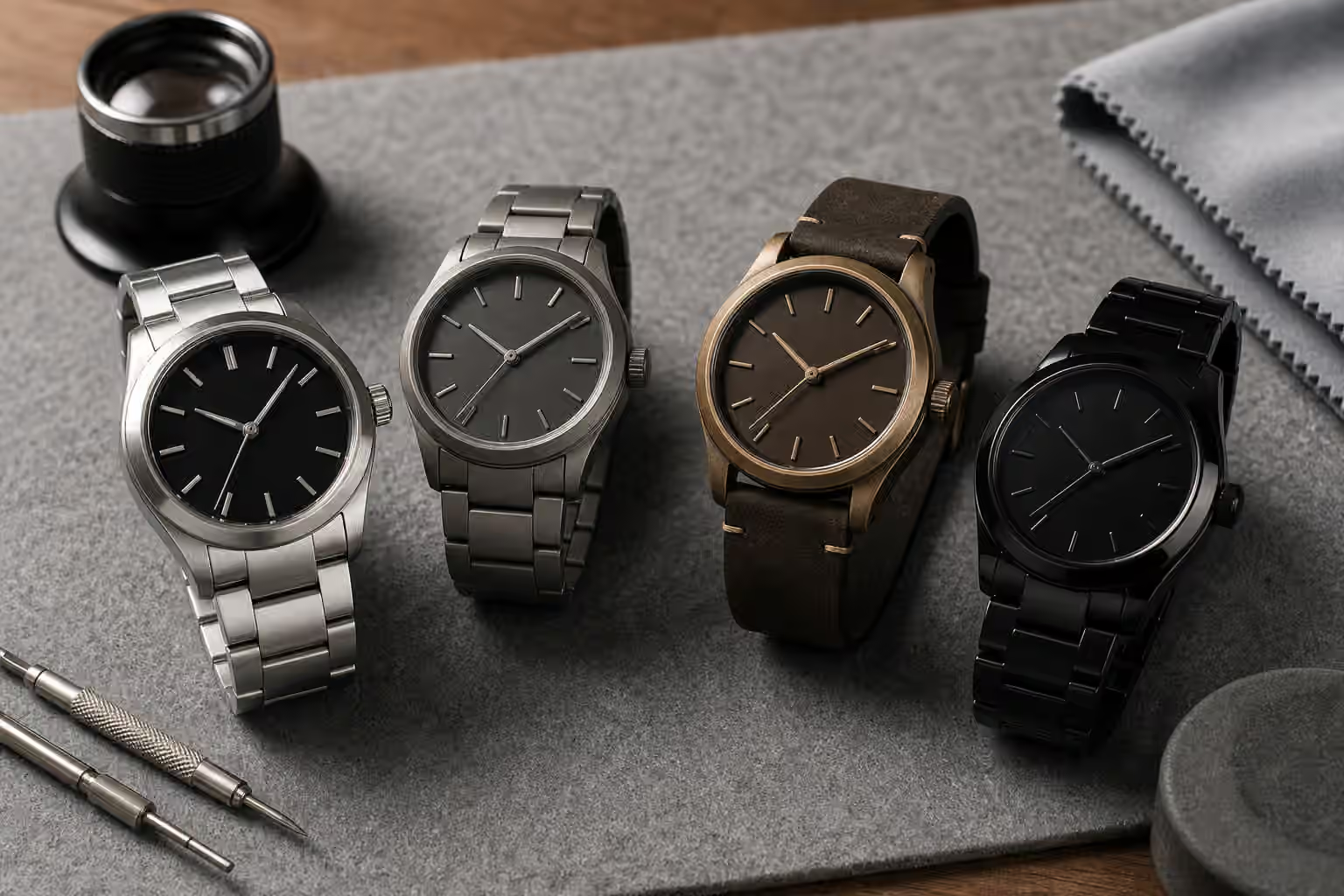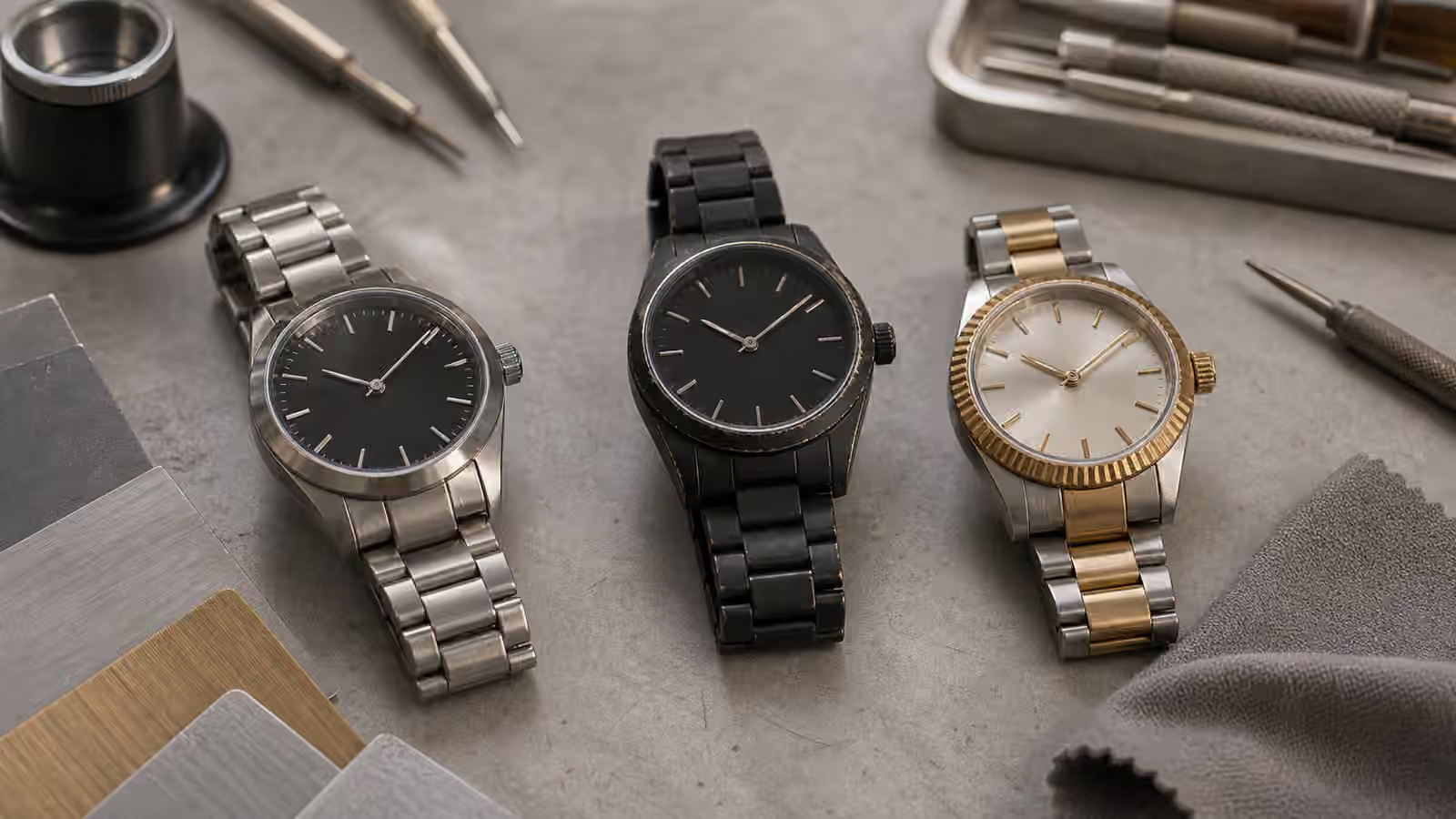
The surface of a watch is not only color. It is the part of the object that meets sleeves, desks, cuffs, door frames, salt, sweat, straps, and polishing cloths. Steel, titanium, gold, plating, PVD, DLC, ceramic, and two-tone construction all age differently. The watch may look perfect in a product photograph, but ownership happens at the edges.
That is why coatings and plated finishes deserve a slower read than they usually receive. A black case can make a familiar shape feel sharper. A gold bezel can warm up a steel watch. A two-tone bracelet can look either relaxed or formal depending on the dial. None of those choices is wrong. The question is how the finish was made, how it will wear, and whether the aging will bother you.
Start with the base material
Before thinking about the visible finish, ask what sits underneath it. Stainless steel is common because it is strong, corrosion resistant in normal watch use, relatively serviceable, and familiar to refinishers. Titanium is lighter and has a different gray tone, but it can show marks in its own way. Precious metal cases bring warmth and softness, along with different repair and polishing concerns. Watch Case Materials and Finishing gives the broader material vocabulary.
A coating changes the surface, not the whole identity of the case. If a coated steel watch is scratched deeply enough, the underlying metal may show through. If a plated part wears at a high-contact edge, the base color may appear. A solid material can usually be refinished more directly than a thin applied layer, although refinishing still removes metal and should not be treated casually.
This is the first ownership lesson: surface treatments are promises with limits. They can improve hardness, color, contrast, or style, but they do not suspend physics. The clasp will still meet desks. The case flank will still brush against door frames. Bracelet links will still rub one another. A finish should be judged by how it supports the watch’s life, not by how flawless it looks before anyone wears it.
Dark coatings make wear more visible
Black and dark gray coated watches can look purposeful because they reduce shine and make the case feel compact. They suit tool watches, military-inspired designs, modern chronographs, and some minimalist dials. They can also make scratches more obvious when the mark cuts through to brighter metal underneath. A small silver line on a black lug can be more visible than the same mark on brushed steel.
Different coating processes have different properties, and brands use terms with varying precision. PVD is often used broadly for vapor-deposited coatings. DLC, short for diamond-like carbon, is usually discussed as a harder dark coating, though real-world performance still depends on preparation, thickness, geometry, and use. The buyer does not need to become a materials engineer, but vague finish language should not be treated as magic.
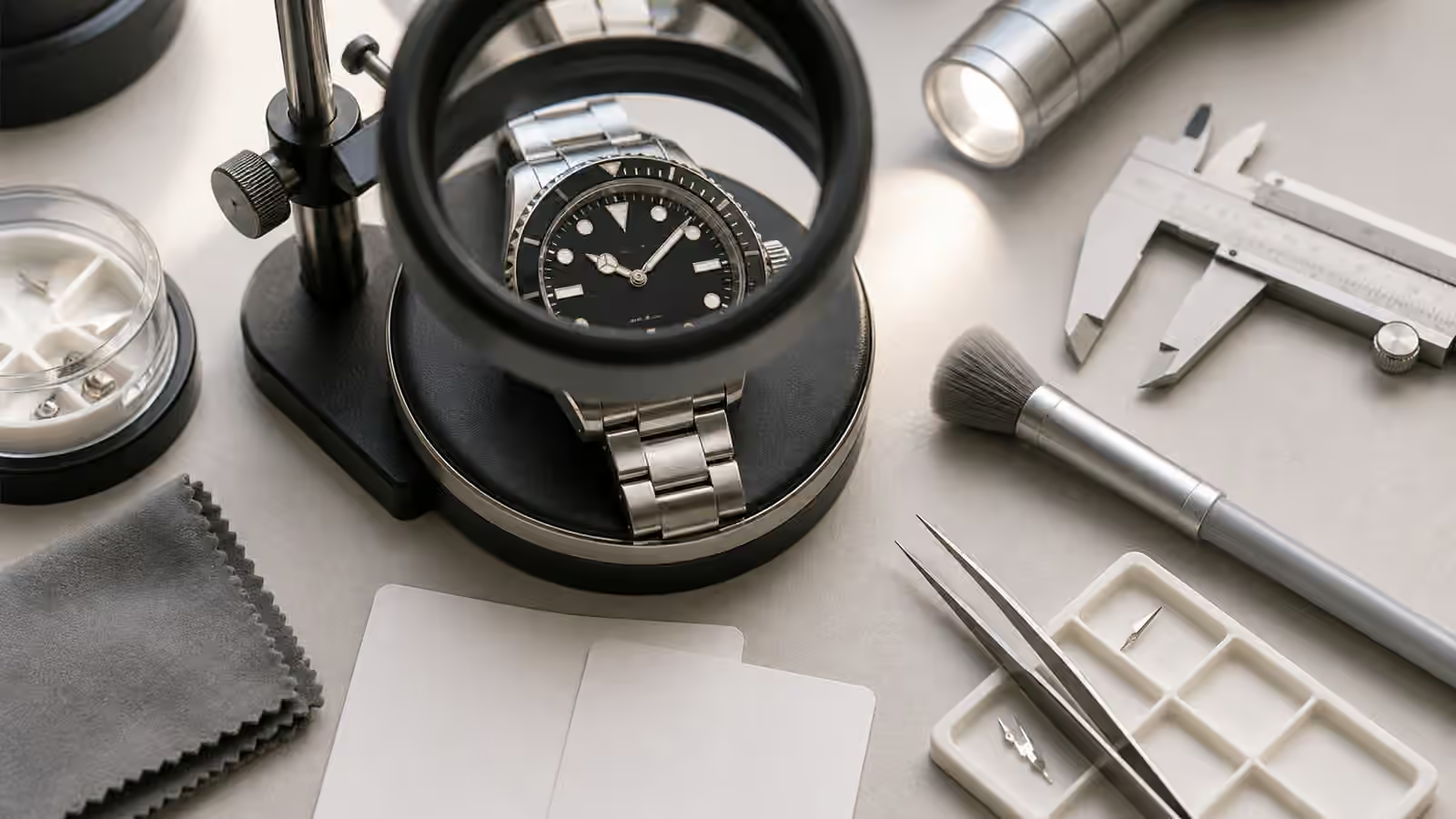
Edges are the important places to inspect. Lugs, clasp corners, bezel teeth, crown guards, and bracelet edges receive more contact than flat case surfaces. On a dark watch, those contact points tell the aging story first. This is especially relevant when buying secondhand from photos. Online Watch Listing Photos is useful because flattering light can hide small bright breaks in a coating.
Plating and gold-tone finishes need honest expectations
Gold-tone watches range from inexpensive fashion pieces to carefully made two-tone watches with substantial gold components. The language matters. Gold plating, gold PVD, gold cap, rolled gold, solid gold, and two-tone construction are not the same thing. Sellers may use warm phrases loosely, so the buyer should read specifications closely and ask what is actually present.
Thin plating can wear at edges and high-contact areas. That does not make every plated watch a bad watch. It simply means the owner should understand that the color layer may be part of the consumable life of the object. A dress watch worn gently may keep a plated finish attractive for a long time. A daily bracelet watch worn hard at a desk may reveal wear sooner.
Gold accents also change the design tone. A gold bezel or crown can make a steel watch feel warmer without turning the whole piece formal. Gold hands and markers can soften a dark dial. A full gold-tone case can be charming, dressy, or loud depending on the shape and finishing. The question is not whether gold tone is tasteful in the abstract. It is whether the color supports the watch’s purpose and your wardrobe.
Two-tone is a design language, not a compromise
Two-tone watches are sometimes misunderstood as indecisive: not fully steel, not fully gold. In practice, two-tone is its own language. It can make a sport watch feel more relaxed, a dress watch feel less severe, or an everyday watch feel warmer against skin and clothing. The best two-tone designs use contrast deliberately. The weaker ones scatter gold accents wherever a catalog thought they might help.
Bracelets reveal whether two-tone was planned carefully. Center links, bezel rings, crowns, hands, markers, and clasp details need to agree. If the bracelet has warm center links but the dial hardware is cold, the watch may look assembled rather than designed. If the gold tone appears on surfaces that are constantly rubbed, the owner should understand how those parts will age.
Watch Bracelet End Links and Taper helps here because two-tone often lives on the bracelet as much as the case. A bracelet that fits poorly will make any finish feel cheaper. A bracelet with good articulation, consistent brushing, and a clasp that wears comfortably can make two-tone feel natural rather than decorative.
Refinishing options are not equal
Polishing and refinishing are easier to imagine than to do well. Brushed steel can sometimes be refreshed by a skilled professional, although edges, bevels, and original geometry still need respect. A coated case is harder because the surface color may not be repairable in a local spot. A plated case may not tolerate aggressive polishing at all. Ceramic can resist many scratches but may chip or require part replacement if damaged.
Watch Scratches, Polishing, and Refinishing explains why removing marks is not always the right goal. The same lesson applies more strongly to coated and plated watches. A scratch on plain steel may become part of normal wear. A scratch through coating may be visually sharper, but trying to erase it can create a bigger problem if the finish cannot be blended.
This should influence buying behavior. If you know every visible mark will bother you, a dark coated daily watch may not be the calmest choice. If you enjoy watches that show honest use, the patina of a coating or plated finish may not trouble you. The watch is not only how it looks new. It is how you feel about it after the first real mark.
Care should fit the surface
Most finish care is gentle care. Rinse watches that are built and maintained for water exposure after salt or sweat. Wipe cases with a soft cloth. Avoid abrasive polishing cloths unless you understand what they do. Keep coated and plated parts away from aggressive compounds. Be especially cautious with bracelets, because grime between links can turn daily motion into a slow abrasive paste.
Watch Care Guide covers the general habit, but surface-treated watches add one rule: do not treat every shiny problem as a polishing problem. Sometimes the correct response is cleaning, not refinishing. Sometimes the correct response is acceptance. Sometimes the correct response is a professional opinion before the owner makes the damage worse.
Straps can help preserve finishes too. A leather or rubber strap may spare a coated bracelet from desk wear. A bracelet may spread weight better and keep a heavier watch stable, reducing case movement on the wrist. Watch Straps and Bracelets gives the comfort side of that decision. Finish care and wearing comfort are linked more often than people expect.
Read the surface as part of the watch’s future
Coatings, plating, and two-tone finishes are not shortcuts around good design. They are design choices with maintenance stories attached. A dark case can be excellent if you accept edge wear. A plated dress watch can be lovely if worn gently and understood honestly. A two-tone bracelet can be more expressive than steel if the whole watch supports the warmth.
The right surface is the one whose aging you can live with. Imagine the watch after a year of your actual habits, not a year of careful display. Think about your desk, your sleeves, your climate, your tolerance for marks, and your likelihood of buying secondhand. Then read the specification with that future in mind.
A finish is successful when it keeps making sense after the first scratch. If the watch still looks like itself after normal life begins, the surface was not merely decorative. It was part of the design.