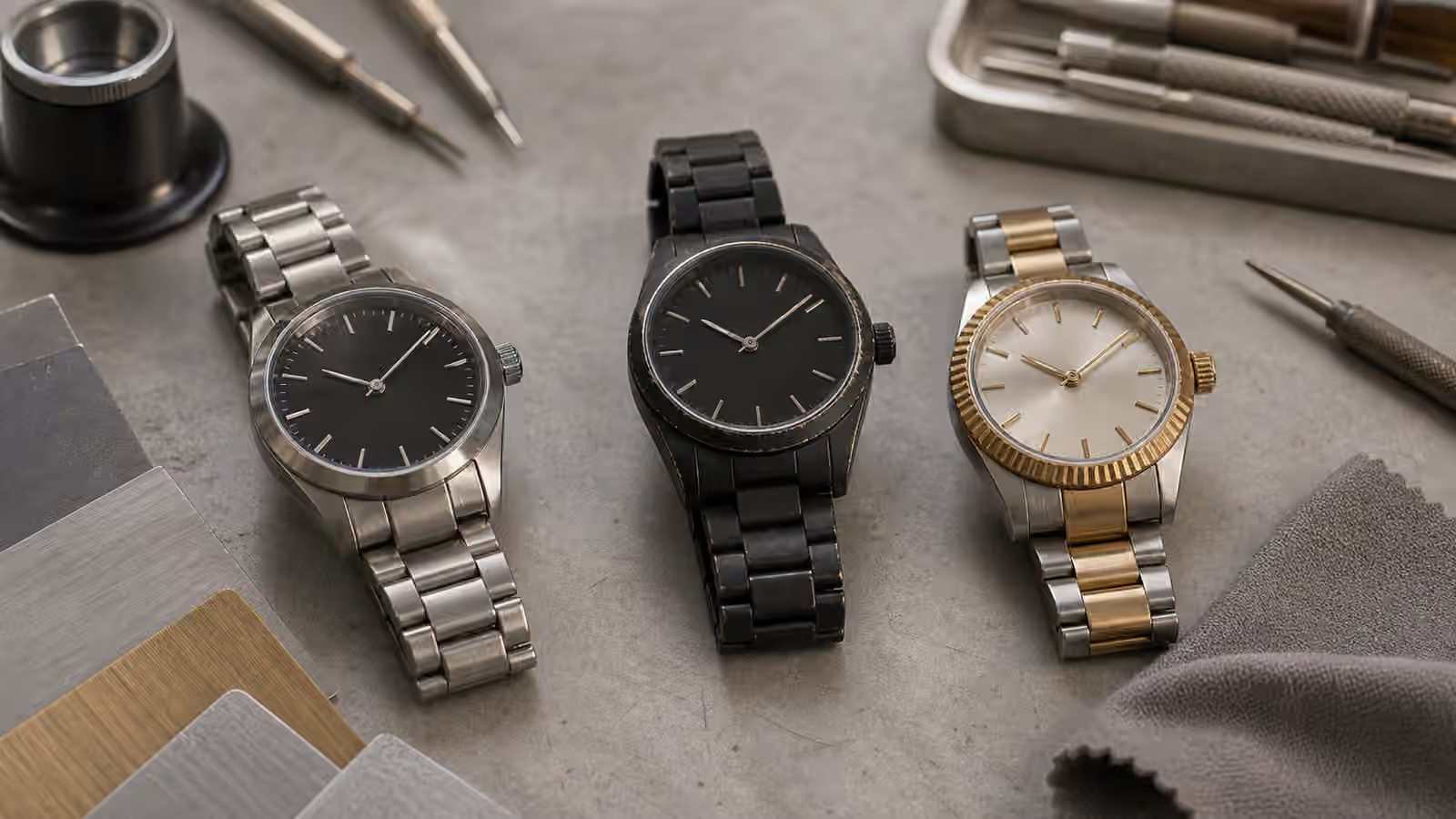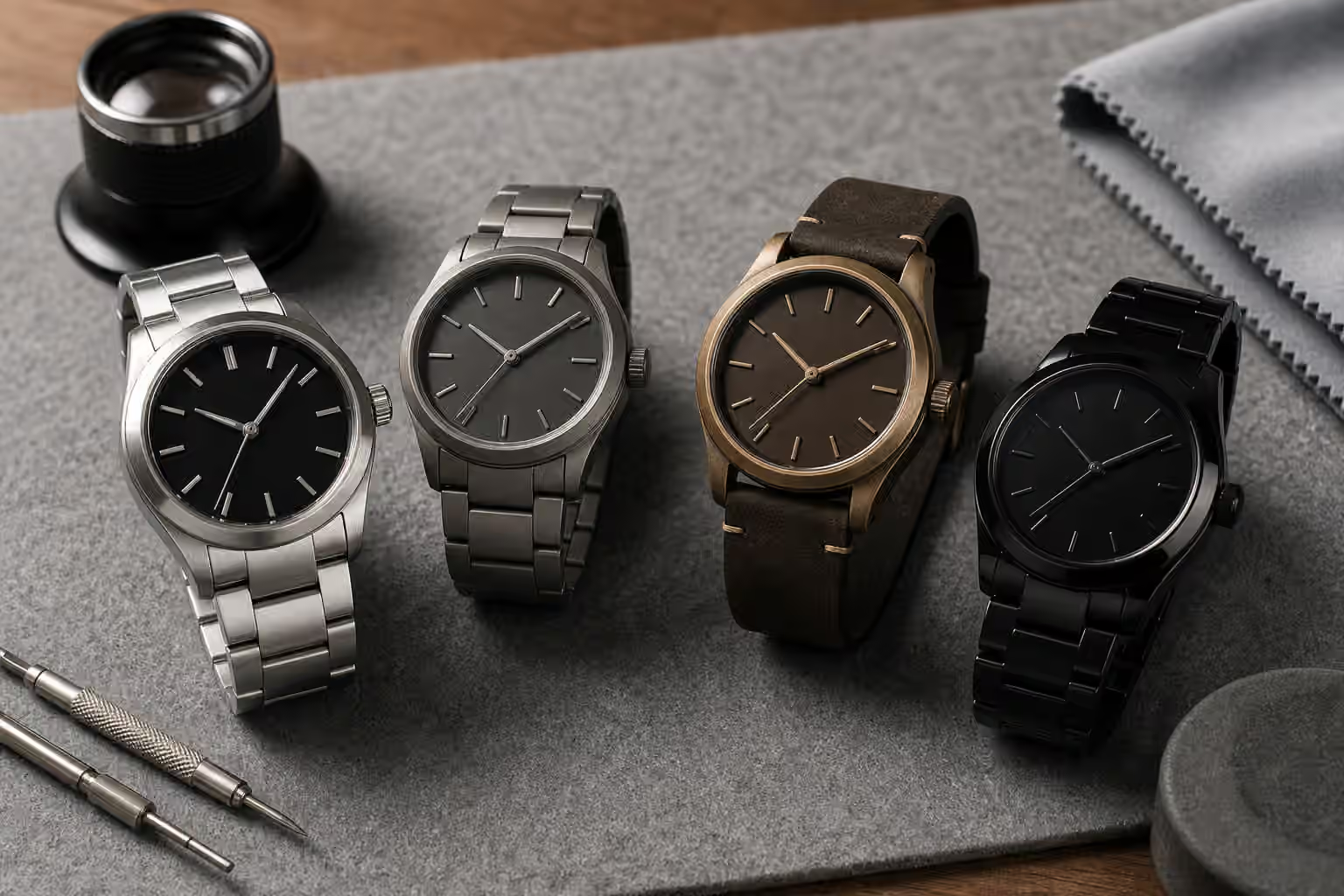
A watch case is easy to treat as the shell around the interesting parts. The dial gets the attention, the movement gets the romance, and the strap gets blamed when the watch feels wrong. The case sits between all of them. It decides how the watch catches light, how it carries weight, how scratches show, how heat moves from wrist to metal, and how long the design keeps its shape after years of wear.
This is why two watches with similar diameters can feel unrelated. One stainless steel sports watch feels dense and crisp. A titanium watch of the same size may feel almost suspiciously light. A bronze case starts bright, then darkens into a surface that belongs only to its owner. Ceramic can look clean for years, but a hard impact changes the conversation. Gold can feel warm and formal, yet it asks for a different kind of care than a steel daily watch. Materials are not just specifications. They are the physical personality of the watch.
The case is the watch you actually touch
The movement matters, but you rarely touch it. The case is different. You feel it every time the watch slides under a cuff, warms against the wrist, knocks a desk edge, or catches sunlight along a polished bevel. Its material affects comfort before it affects prestige. Its finishing affects the way size is perceived before a caliper ever enters the discussion.
If fit is still the main question, pair this with Watch Sizing . Diameter, thickness, lug-to-lug, and case shape decide the footprint, but material changes how that footprint feels. A thick steel diver may feel reassuring or tiring depending on the bracelet and wrist. A similarly thick titanium watch can feel easier because mass has been reduced. A polished gold dress watch may seem smaller than its dimensions because it is visually simple, while a faceted steel sports watch can wear larger because every bevel throws a line of light.
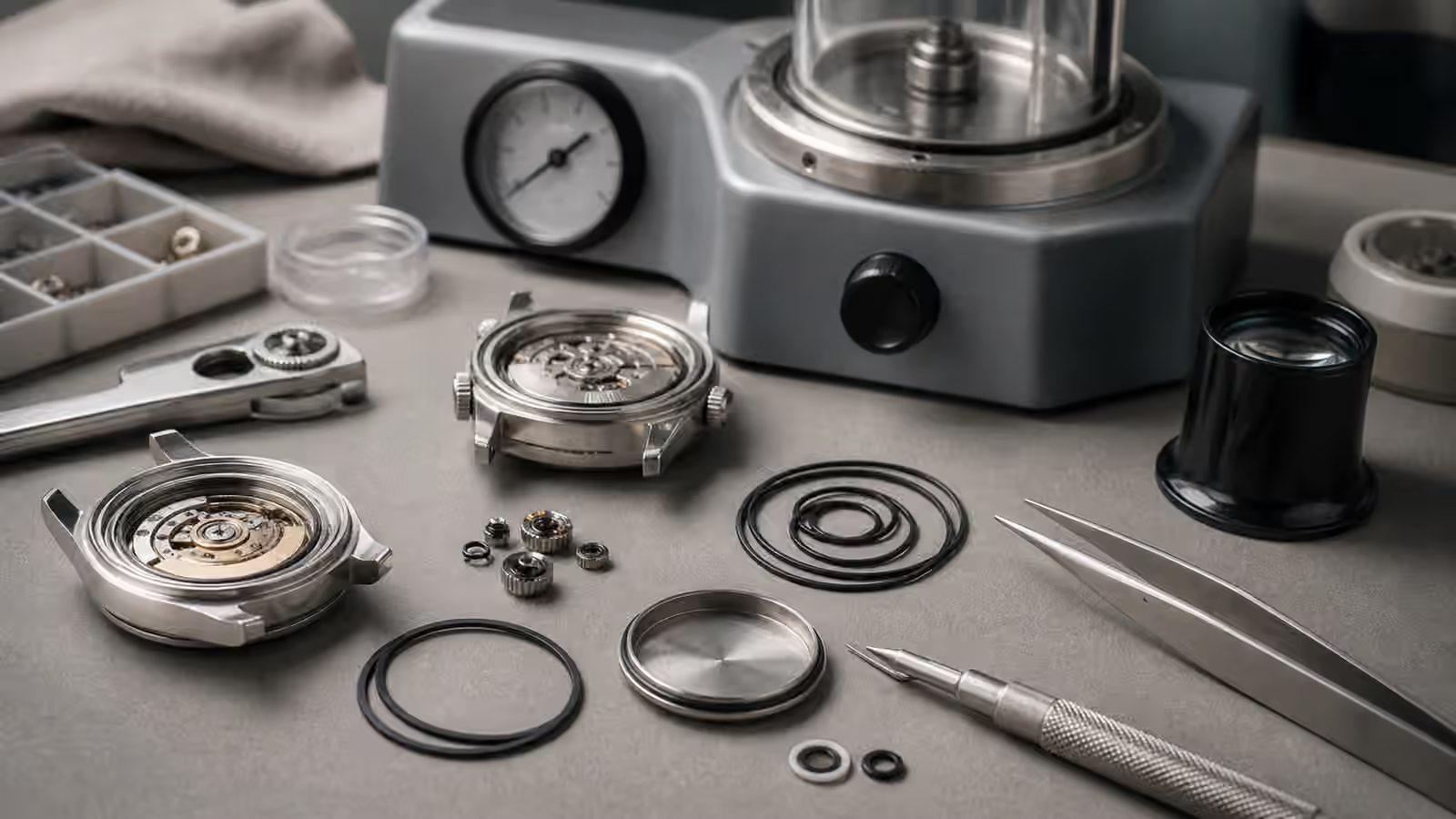
The case also protects the things you notice less often until they fail. It supports the crystal, holds gaskets in place, frames the crown and pushers, and gives the strap or bracelet a stable anchor. Watch Crystal Materials explains the window over the dial, and Watch Water Resistance in Everyday Life explains the sealed system. The case is the structure both depend on.
Stainless steel is common because it solves many problems
Stainless steel is the default modern watch case material for good reasons. It is strong, familiar, relatively workable, corrosion resistant in ordinary use, and capable of taking many finishes. It can be brushed into a practical tool-watch surface, polished into a dressier shine, bead-blasted into a matte field-watch look, or combined into the alternating surfaces that make a luxury sports watch feel more sculpted.
The word “steel” still hides variation. Many watches use 316L stainless steel because it balances corrosion resistance, machining, cost, and skin comfort well. Some brands use other alloys for specific reasons, but the larger ownership lesson is simpler than the metallurgy: steel is a good daily material because it tolerates life. It scratches, but it rarely turns one scratch into a crisis. It has enough weight to feel substantial without becoming precious. It can be refinished by a skilled hand, though refinishing is never the same as erasing time.
Steel also teaches the difference between wear and damage. Fine hairlines on a brushed clasp are normal. A polished case flank will show sleeve rub and desk contact quickly. A deep dent in a lug is more serious because it changes geometry. The better question is not whether steel will mark. It will. The question is whether the watch still reads the way it should after ordinary marks appear.
This matters when shopping with the Complete Watch Buying Guide . A steel watch can look excellent in a controlled photo and very different after six months of regular wear. That is not a warning against steel. It is a reminder to buy a finish you can live with, not only a finish that looks perfect on a product page.
Titanium changes the weight and the mood
Titanium is often described as lightweight steel, but that undersells how different it feels. A titanium watch can make a large case easier to wear because the mass drops immediately. On a bracelet, the effect is even clearer. The watch may have the visual presence of a tool watch while carrying like something more casual.
The material also feels different against skin. It warms quickly and often has a softer, grayer tone than stainless steel. That muted color can make a watch feel technical, understated, or slightly utilitarian. On some designs, titanium is the reason a large case avoids looking loud. On others, it can make the watch feel less jewel-like than a polished steel equivalent. Neither reaction is universal. It depends on the design language around it.
Titanium does scratch, and the scratches can look different from steel scratches. Some titanium finishes develop a soft, lived-in haze. Hardened or treated titanium surfaces can resist marks better, but treatment details vary by maker. The owner should not assume that titanium is magically immune to visible wear. Its advantage is comfort and corrosion resistance, not perfection.
It is also worth thinking about the strap. Watch Straps and Bracelets matters more when the case is light because the balance changes. A titanium head on a heavy steel bracelet would feel strange, but a titanium bracelet, rubber strap, or fabric strap can make the whole watch feel coherent. The best titanium watches feel intentionally light rather than merely less heavy.
Bronze and brass make age visible
Bronze and brass cases attract people who like change. They begin with warmth, then react to air, moisture, skin chemistry, and environment. Over time, the case darkens, browns, dulls, or develops uneven tones. That surface change is patina, and it can make the watch feel personal in a way stainless steel usually does not.
That personality is the attraction and the risk. Patina is not fully controllable. Two owners can buy the same bronze watch and end up with different case color because their lives are different. One watch may become a soft chocolate brown. Another may spot and streak. Some owners clean the case back toward brightness, then let it age again. Others leave it alone. The material invites a relationship rather than a fixed finish.
Bronze is not always ideal against skin, so many watches use a different caseback material. That is a practical choice. The caseback touches sweat and skin all day, while the visible case can carry the patina. Crowns, buckles, and bronze hardware can also behave differently from the case because they are handled more often.
The important point is expectation. Do not buy bronze if you want the watch to look new forever. Buy it because the changing surface is part of the appeal. For some collectors, that makes bronze a wonderful occasional watch. For others, the unpredictability becomes annoying. Both reactions are honest.
Gold is softer than its reputation
Gold gives a watch warmth, density, and a sense of ceremony. It also scratches more readily than steel in ordinary life. That does not mean gold is fragile in the dramatic sense, but it does mean the owner has to understand what kind of object it is. A gold dress watch is not pretending to be a steel field watch. It can last generations, but it records contact easily.
Different gold alloys change color and behavior. Yellow gold reads traditional. Rose or pink gold feels warmer and often more contemporary. White gold can look restrained until you notice the weight and tone. The alloy affects hardness, but the daily lesson stays the same: gold rewards careful wearing and punishes careless polishing.
Polishing gold deserves restraint. Every polish removes material. On a simple case, that may not seem alarming, but lugs, bevels, hallmarks, and case lines can soften over time. The same is true for steel, but gold can make the loss feel more consequential because the material itself is part of the value. If a gold watch is vintage or sentimental, the best finish may be the one it already has.
This is where Watch Care Guide is more than cleaning advice. A soft cloth, sensible storage, and avoiding abrasive contact preserve case shape better than repeated cosmetic rescue. Gold looks best when it is allowed to be worn respectfully rather than restored anxiously after every mark.
Ceramic and coatings resist one kind of damage
Ceramic cases and black-coated metal cases often appeal to people who dislike scratches. They can keep a clean surface through kinds of wear that would mark steel quickly. A dark ceramic watch can look sharp and modern for a long time, especially when the design uses simple surfaces and strong contrast.
The trade-off is that scratch resistance is not the same as impact forgiveness. Ceramic can chip or crack under the wrong hit. Coatings can wear through at edges, corners, clasp points, or places that rub often. Once a coating is breached, the contrast between the exposed base metal and the dark surface can be more visible than an ordinary steel scratch would have been.
This does not make ceramic or coatings bad choices. It makes them specific choices. A coated field watch can look purposeful. A ceramic sports watch can feel sleek and almost permanently fresh in the right conditions. The owner simply needs to know what kind of risk has been reduced and what kind remains. A material that laughs at sleeve rub may still dislike a tile floor.
Ceramic also changes visual weight. A black case can make a large watch appear smaller from across the room, while a glossy ceramic surface can catch light in a way that feels more formal than a matte tool watch. As with every material, the case does not act alone. Dial color, crystal reflection, strap texture, and case finishing all decide the final impression.
Finishing is where the case becomes legible
Material sets the boundaries. Finishing gives the case its language. Brushing creates direction and restraint. Polishing creates brightness and contrast. Bead blasting removes shine and gives the surface a practical, even texture. Sharp bevels define edges. Soft, rounded cases feel friendlier and often more vintage. A watch can be made from ordinary steel and still feel expensive if the surfaces are controlled, aligned, and thoughtfully contrasted.
Finishing also affects how wear appears. A broad polished surface shows hairlines quickly because reflections reveal every interruption. A fine brushed surface hides small marks better, but a scratch across the grain can stand out. Bead-blasted cases can look wonderfully even, though touch-ups may be harder to make invisible. Mixed finishing is beautiful because it gives the eye structure, but it also makes careless refinishing dangerous. A polishing wheel can blur the boundary between brushed and polished surfaces if the person using it does not respect the original geometry.
This is one reason seasoned buyers inspect lugs, crown guards, bevels, and casebacks on pre-owned watches. A heavily polished case may still shine, but it can lose the crispness that made the design work. Rounded lug tips, softened chamfers, shallow engravings, or distorted brushing can tell a quieter story than a seller’s description. The watch may be wearable and attractive, but it is no longer exactly the case it once was.
Finishing belongs with style, too. Complete Watch Styles Guide explains why divers, field watches, dress watches, pilot watches, and luxury sports watches use different visual codes. Case finishing is part of those codes. A mirror-polished field watch can feel confused. A fully matte dress watch can feel severe. A luxury sports watch often lives in the tension between brushed planes and polished bevels, where the case architecture becomes the design.
Refinishing should be a decision, not a reflex
Sooner or later, a case gets marked. The first instinct may be to make it look new again. Sometimes that is reasonable. A bracelet clasp with ordinary surface scratches can often be cleaned up nicely. A modern watch with no collector sensitivity may benefit from thoughtful refinishing during service. A badly scratched watch can regain some dignity when handled by someone who understands the original finish.
The danger is treating refinishing like wiping a screen. A case is a three-dimensional object with edges, planes, holes, engravings, and tolerances. Removing metal changes it. The change may be tiny once, then obvious after several rounds. Vintage watches are especially vulnerable because original case shape is part of their character and value. A case with honest wear can be preferable to one that has been polished into softness.
Before approving refinishing, ask what problem is being solved. If the watch is a daily wearer and the marks will return in a month, leaving them may be wiser. If a deep scratch bothers you every time you look at the watch, a skilled repair may be worth it. If the watch is inherited, rare, or historically interesting, restraint usually protects more than shine does.
Choose the material that matches the life
The best case material is not the most expensive one. It is the one that suits the watch’s job and your tolerance for wear. Stainless steel is the practical center because it does almost everything well. Titanium is for comfort, lightness, and a quieter technical feel. Bronze is for visible aging and owner-specific character. Gold is for warmth, weight, and ceremony, with the understanding that softness is part of the deal. Ceramic and coatings are for clean surfaces and strong visual identity, with impact and edge wear kept in mind.
Once you think this way, specifications become more useful. You stop reading case material as a status line and start reading it as an ownership clue. How will it feel at the end of a long day? How will it look after a year of cuffs, desks, door frames, and travel trays? Will a scratch bother you, or will it make the watch feel more yours? Does the finish match the style, or is it fighting the rest of the design?
A watch case is not just the container for the movement. It is the part of the watch that negotiates with the world. It touches skin, catches light, absorbs mistakes, protects seals, frames the dial, and slowly records how the watch was used. Choose it with the same care you give the movement and the dial, and the whole watch becomes easier to understand.