Clothing is one of the fastest ways for a generated image to become specific. Fabric carries class signals, cultural signals, profession signals, weather cues, body assumptions, and brand memory. A plain jacket, scarf, apron, or sneaker can help a scene feel grounded. The same object can also drift into a fake uniform, a brand lookalike, a body claim, or an outfit that does not make physical sense.
Good textile prompting treats clothing as material in use. The prompt should say what the fabric is doing, how it hangs, how it moves, how close the camera is, and why the garment appears. It should not depend on a famous logo, a designer’s recognizable signature, or a vague request for expensive fashion energy.
Name The Material Before The Mood
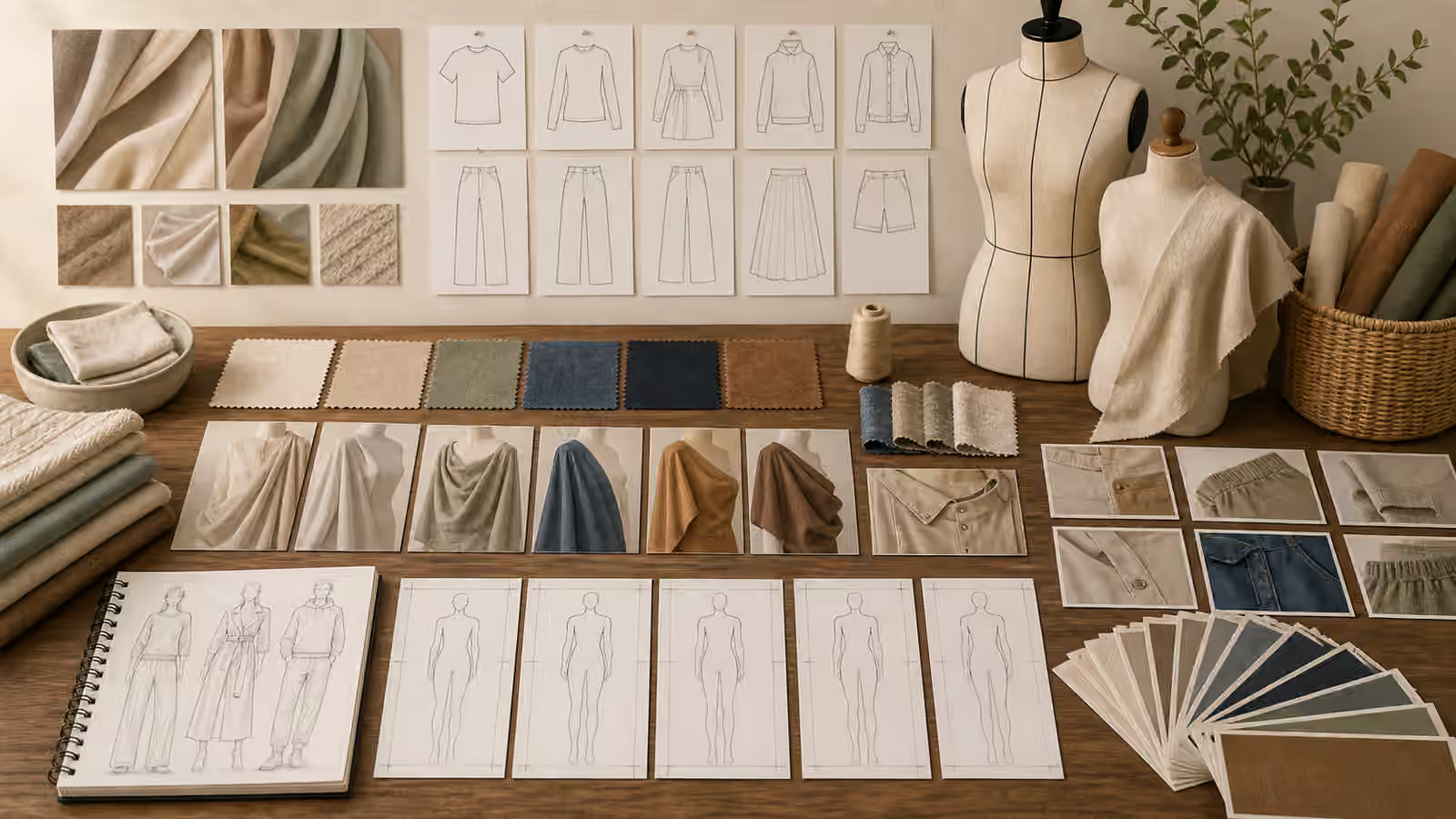
Fabric words matter because different textiles behave differently. Linen wrinkles and softens. Denim holds shape. Silk catches light and collapses into fluid folds. Wool can look dense, brushed, or structured. A thick canvas tote does not drape like jersey. If the prompt says only stylish outfit, the model may solve the image with decorative excess: too many folds, glossy surfaces, fake labels, impossible fasteners, or a silhouette that changes from sleeve to sleeve.
Start with material, weight, and surface. A useful prompt might describe a matte cotton overshirt with visible relaxed folds, a quilted vest with soft volume, or a lightweight scarf moving in a mild breeze. The Color, Material, and Texture Prompts guide applies directly here. Apparel prompts become stronger when color and texture serve the subject rather than borrowing glamour from brand memory.
Material also helps review. If you asked for structured wool, the final image should not look like plastic. If you asked for breathable mesh, the surface should not become lace. If you asked for a plain apron in a kitchen guide, it should not acquire a logo, slogan, or fake restaurant name. The image does not need perfect tailoring knowledge, but it should respect the basic behavior of the fabric it claims to show.
Describe Fit Without Making Body Claims
Fit is useful visual information, but it can slide into unsupported claims. A guide about a travel jacket may need to show a relaxed layer over a shirt, pockets that do not bulge, and sleeves that allow movement. It does not need to imply slimming, body transformation, medical support, injury prevention, or athletic performance. Those claims belong to tested products and careful copy, not decorative generated images.
Use neutral body language. Instead of asking for a flawless model body, ask for a neutral figure or mannequin form wearing an unbranded garment in a simple pose. Instead of asking for flattering compression, ask for smooth fabric across the shoulder, a loose waist, or a clear hem length. The People, Pose, and Gesture Prompts guide is useful because apparel visuals often depend on stance, arm position, and the direction of attention.
When possible, separate garment studies from human identity. A flat lay, dress form, coat hook, folded textile stack, or close crop of cuffs and pockets can show construction without turning the image into a body evaluation. This is especially useful for educational pages, repair guides, sustainability articles, craft posts, and product-neutral explainers.
Keep Branding Out Of The Picture
Fashion images often pick up brand-like marks by accident. A blank label becomes a badge. A stripe arrangement begins to resemble a known athletic design. A handbag clasp, shoe side panel, or monogram-like motif can pull the image toward a real brand even when the prompt never named one. The safest apparel prompt says unbranded, blank labels, no logos, no monograms, no recognizable designer motifs, and no official uniforms.
This boundary is close to Product Mockups Without Fake Brands and Copyright, Trademarks, and Brand-Like Outputs . Clothing can become brand-confusing faster than a box on a desk because viewers are used to reading identity from stitching, color placement, and silhouette. If the page discusses a real brand, use approved product images or licensed photography. Do not ask a model to generate a near substitute.
Uniforms need special care. A generic safety vest, lab coat, school blazer, military-style jacket, airline scarf, or security shirt can imply role and authority. If that authority matters, use real, sourced visuals. If the image is illustrative, keep the forms generic and avoid badges, patches, rank marks, official colors, readable name tags, and realistic insignia.
Show Motion With Restraint
Fabric in motion can make an image feel alive. A scarf lifting slightly in wind, a sleeve bending at the elbow, a skirt settling as someone sits, or a tote strap under weight can tell the viewer how the object is used. The prompt should name one motion cue and keep the rest stable. If everything flutters, folds, twists, and shines at once, the garment becomes noise.
Use the same discipline described in Motion and Action Scene Prompts . Freeze one understandable moment. A cycling jacket can show a forward lean and lightly tensioned fabric at the shoulder. A cooking apron can show a person reaching for a mixing bowl while the apron hangs straight. A repair guide can show a close-up of a sleeve cuff under a sewing needle without readable labels or brand tags.
Motion also needs physics. Watch for sleeves merging into hands, scarves wrapping through hair, straps that attach nowhere, buttons that float, and seams that change direction. These are not just aesthetic flaws. They can make an instructional page confusing because the object no longer behaves like a real object.
Build Apparel Images For The Page
Textile prompts work best when the use case is clear. A hero image for a guidebook needs readable shapes and quiet margins. An inline explainer may need a tighter crop of fabric weight, pocket placement, or stitch direction. A social cover may need a stronger silhouette and simpler background. The Aspect Ratio, Cropping, and Responsive Reuse guide helps because clothing details often sit at edges where crops can damage the subject.
If the page uses real typography, leave generated text out of the image. Blank labels, blank hang tags, and empty packaging surfaces are easier to publish than pseudo-writing. If a garment needs a size, fiber content, or care instruction, add that information in authored text or a design tool where it can be checked. Generated labels are rarely dependable and can imply claims the page does not make.
Review the final image with a practical eye. Does the fabric match the material? Does the garment fit the setting? Are closures and seams plausible? Is the image unbranded? Does the pose respect the person wearing it? Does the image avoid claims about identity, health, performance, or authenticity that the page cannot support? A strong apparel visual does not need to look expensive. It needs to make the garment, material, and use legible without borrowing trust it has not earned.