Animal images look simple until the prompt asks the model to invent behavior, emotion, setting, and evidence at the same time. A dog on a sofa, a horse in a field, or a bird near a window can be a useful illustrative subject. The risk starts when the picture begins to imply rescue, neglect, veterinary treatment, rare wildlife access, or a real event that never happened.
Visual Prompt Lab handles animal scenes as composed fiction unless there is verified source material behind them. The prompt should describe visible pose, setting, scale, light, and purpose. It should not borrow trust from documentary cues. A generated image can support an article about pet routines, animal-friendly design, outdoor observation, or fictional storytelling without pretending to be proof.
Begin With Behavior, Not Drama
The most reliable animal prompt starts with ordinary behavior. A cat stretches on a window ledge. A dog waits beside a water bowl. A rabbit sits in a quiet indoor pen. A horse lowers its head near a fence. These are useful visual assignments because they give the model a pose and a relationship to the setting. They also give a human reviewer something concrete to inspect.
Drama makes animal images less stable. A prompt that asks for a frightened stray, a heroic rescue, a sick pet, or a rare animal encounter invites the image to behave like evidence. It may add bandages, official-looking forms, cages, rescue vests, dramatic weather, or human gestures that imply a real emergency. If the page is about humane care or animal welfare, that kind of image can feel emotionally forceful while weakening trust.
Write the prompt around what the viewer needs to understand. For a guide about pet-safe rooms, describe a calm living room, clear floor space, chew-safe storage, and a relaxed animal resting away from cords. For a guide about outdoor observation, describe a distant animal in a neutral landscape without implying that the viewer approached, touched, or disturbed it. This mirrors the habit in Describe the Shot, Not the Vibe : turn feeling words into visible details.
Use Scale And Camera Height
Animal scenes often fail because the camera height feels wrong. A pet photographed from adult standing height can look tiny, while an unrealistically low viewpoint can make a small animal look oversized. Name the camera level that suits the scene. Paw-level, eye-level with the dog, tabletop height beside a carrier, or distant observer height in a field are more useful than simply asking for a cute pet scene.
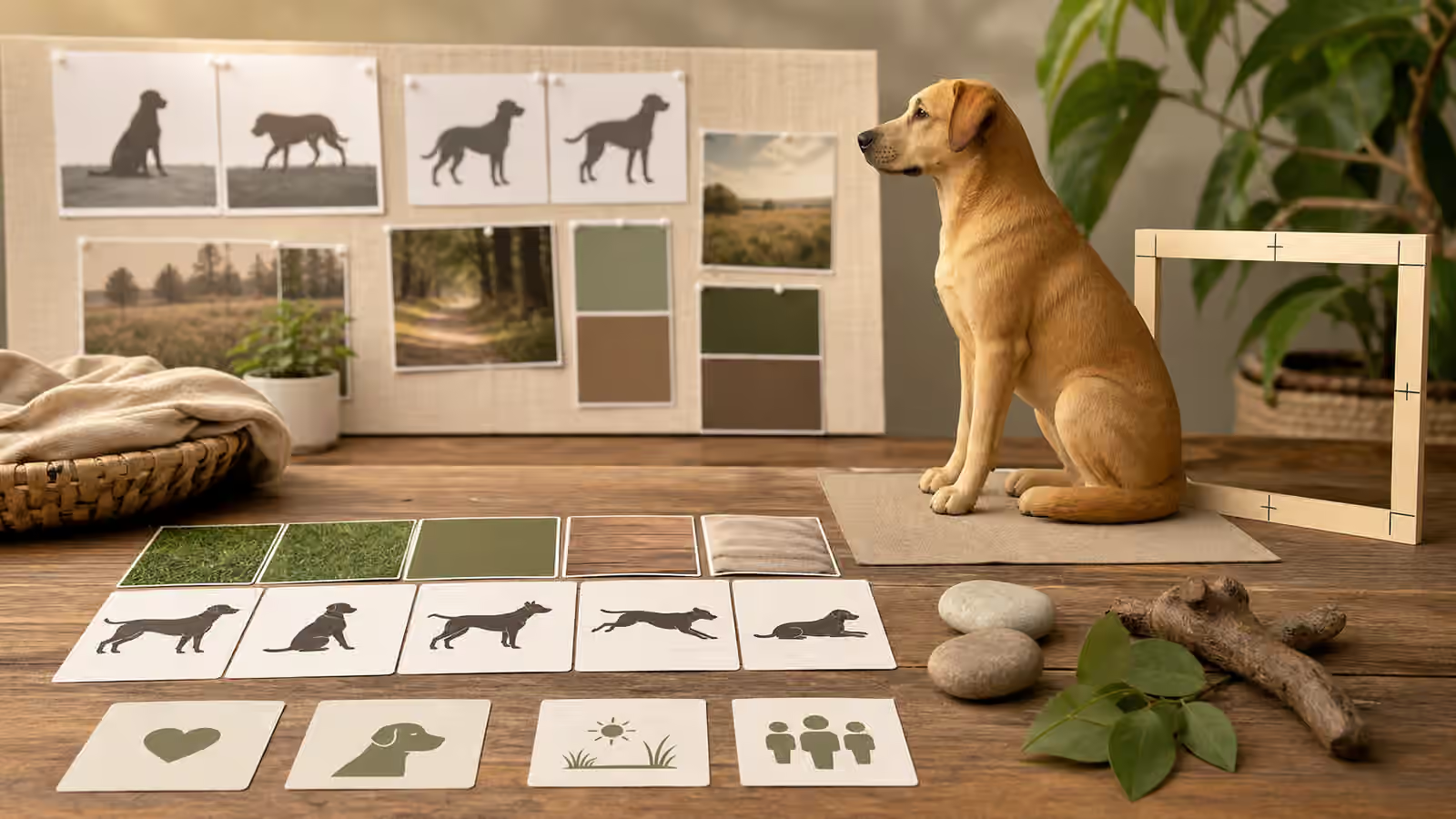
Scale cues matter too. Bowls, blankets, doors, harnesses, carriers, fence rails, and hands can help the animal read at the right size. They should be restrained and safe. A prompt for a small dog can include a plain water bowl and a folded towel. A prompt for a classroom-style animal illustration can include neutral silhouette cards and measuring blocks rather than real tags or owner information. The Scale, Props, and Context Clues guide is useful here because the supporting objects should clarify size without becoming the subject.
Be careful with hands. A hand holding a kitten, bird, reptile, or tiny mammal can create anatomy and welfare problems quickly. If touch is not essential, keep the animal supported by a surface rather than gripped by a person. If a person must appear, describe the gesture as calm, gentle, and non-identifying, then review fingers, pressure, support, and the animal’s posture. The same attention to contact points appears in Object-in-Use Prompts , where believable support matters more than decorative detail.
Keep Welfare Cues Plain
A humane animal image does not need to lecture the viewer. It needs to avoid visual choices that suggest stress, unsafe handling, or spectacle. A relaxed posture, adequate space, shade, clean water, stable footing, and distance from hazards are often enough. These cues should feel ordinary, not staged as a rescue poster.
Avoid prompts that ask animals to perform unnatural gestures for cuteness. Smiling dogs, praying cats, human-like table manners, wild animals in domestic spaces, or exotic animals cuddled by children can create images that look charming while normalizing bad handling. If the project is fictional, the caption and surrounding page can make that clear. If the project is educational, keep the image grounded in plausible behavior.
The same restraint applies to wildlife. A generated fox near a campsite, owl near a classroom window, or sea turtle on a beach can be illustrative, but the prompt should not imply close contact, feeding, capture, tagging, or a private location. Use distant observation language and neutral settings. If the real subject is conservation, do not let the image pretend to document a specific animal, rescue group, or protected site.
Do Not Invent Rescue Or Medical Evidence
Animal welfare topics can tempt creators into before-and-after images, adoption scenes, clinic tables, and sad close-ups. Those visuals carry a documentary charge. If they are generated, they should not be used as proof that an animal was harmed, healed, adopted, abandoned, or treated. The Before-and-After Comparisons guide covers the broader problem: a comparison image can imply a factual claim even when the creator intended an illustration.
For a shelter-adjacent article, use safer visual language. Show a generic unbranded care station with blank forms, folded towels, empty carriers, and calm lighting. Show a person preparing supplies without any readable rescue name or animal identity. Show a fictional pet resting in a neutral space, not a distressed animal behind bars. The goal is to support the article without manufacturing social proof.
Veterinary imagery needs even more care. Avoid fake charts, x-rays, medical labels, treatment scenes, or clinical results unless the image is clearly conceptual and the page explains its limits. A generated picture cannot verify a diagnosis, document an injury, or demonstrate an approved treatment. If the page needs exact medical information, use authored text, verified diagrams, or licensed source material instead of an invented clinic scene.
Review The Image Like A Handler And An Editor
Animal image review is both visual and ethical. Look at anatomy first. Count legs, check joints, inspect eyes and ears, and make sure the pose could exist. Look at contact next. The animal should not float, sink into furniture, be held by impossible hands, or balance on an unsafe surface. Then review the story implied by the setting. Tags, cages, medical objects, official-looking paperwork, crowd barriers, or dramatic lighting can shift a harmless image into a claim.
Also review whether the image matches the page promise. A pet-friendly interior article does not need a heroic rescue mood. A wildlife observation guide does not need a close encounter. A children’s craft page does not need a hyper-real animal that looks like a private pet. Strong animal prompts tend to be quiet because the subject itself already carries emotion.
When the final image is generated or AI-assisted, describe it honestly in the surrounding workflow when disclosure is expected. A simple fictional animal scene can be useful, attractive, and safe when it stays in its lane. The reader should understand the idea without being asked to believe in an animal, event, clinic, or rescue story that never existed.