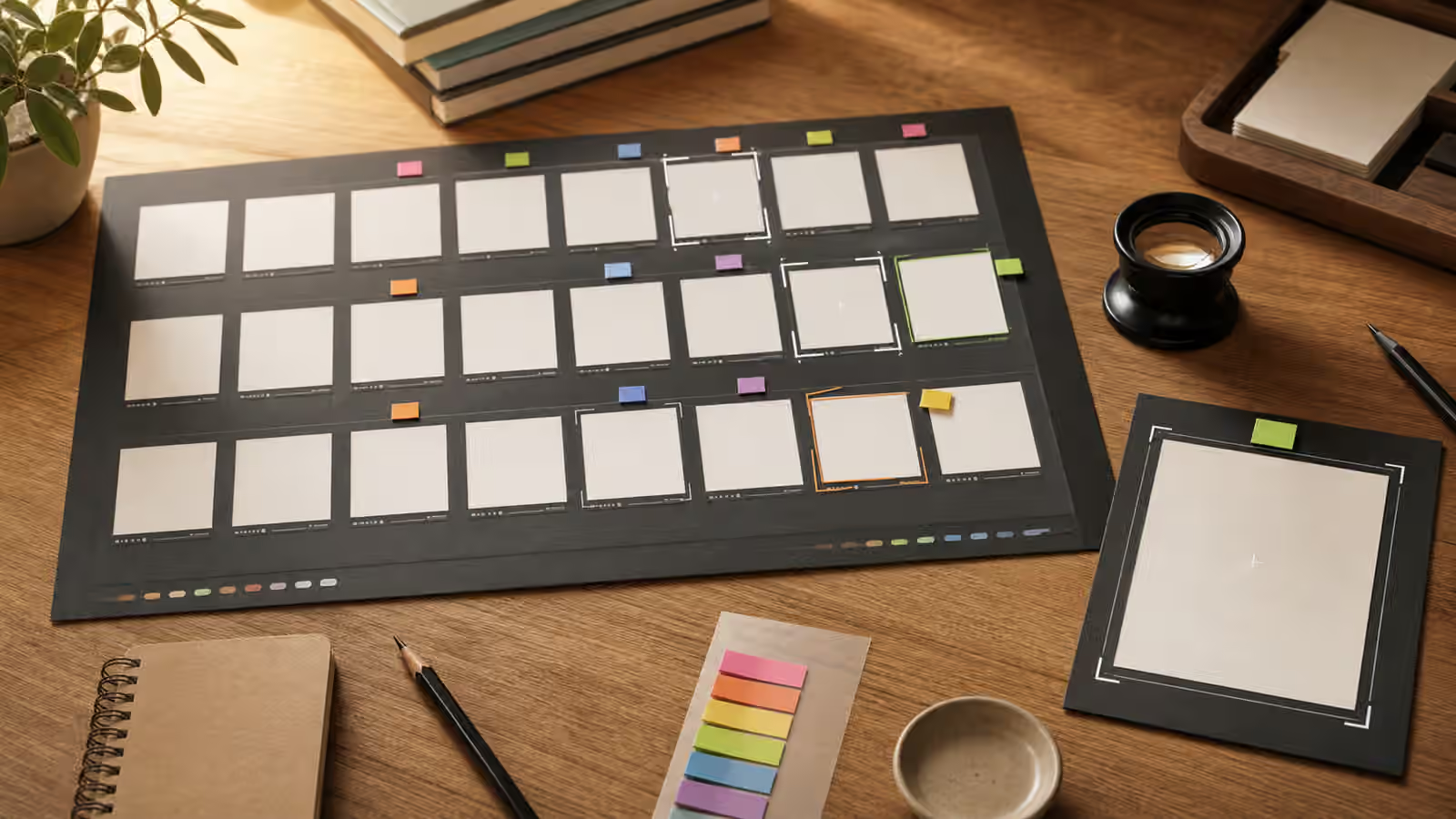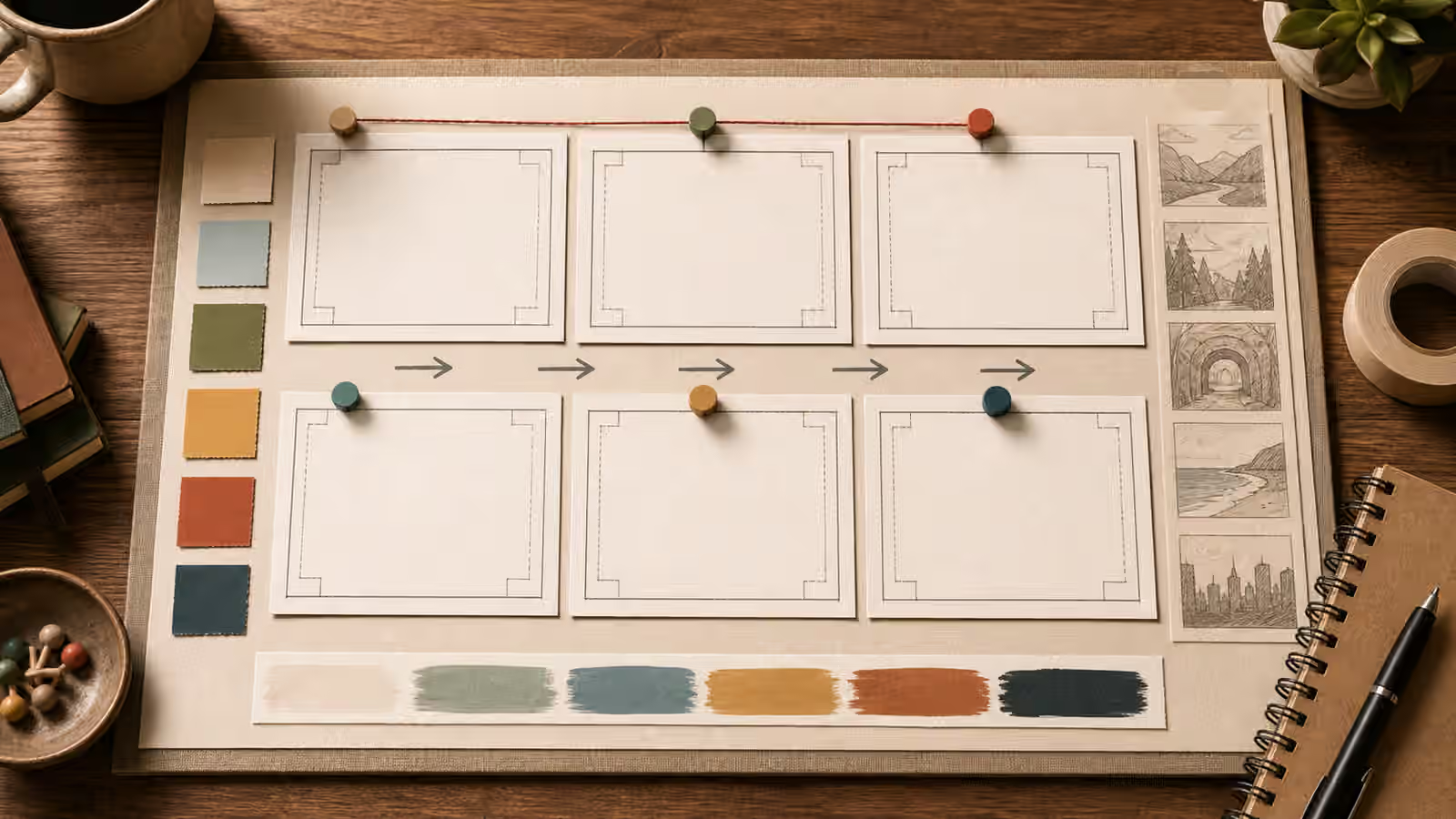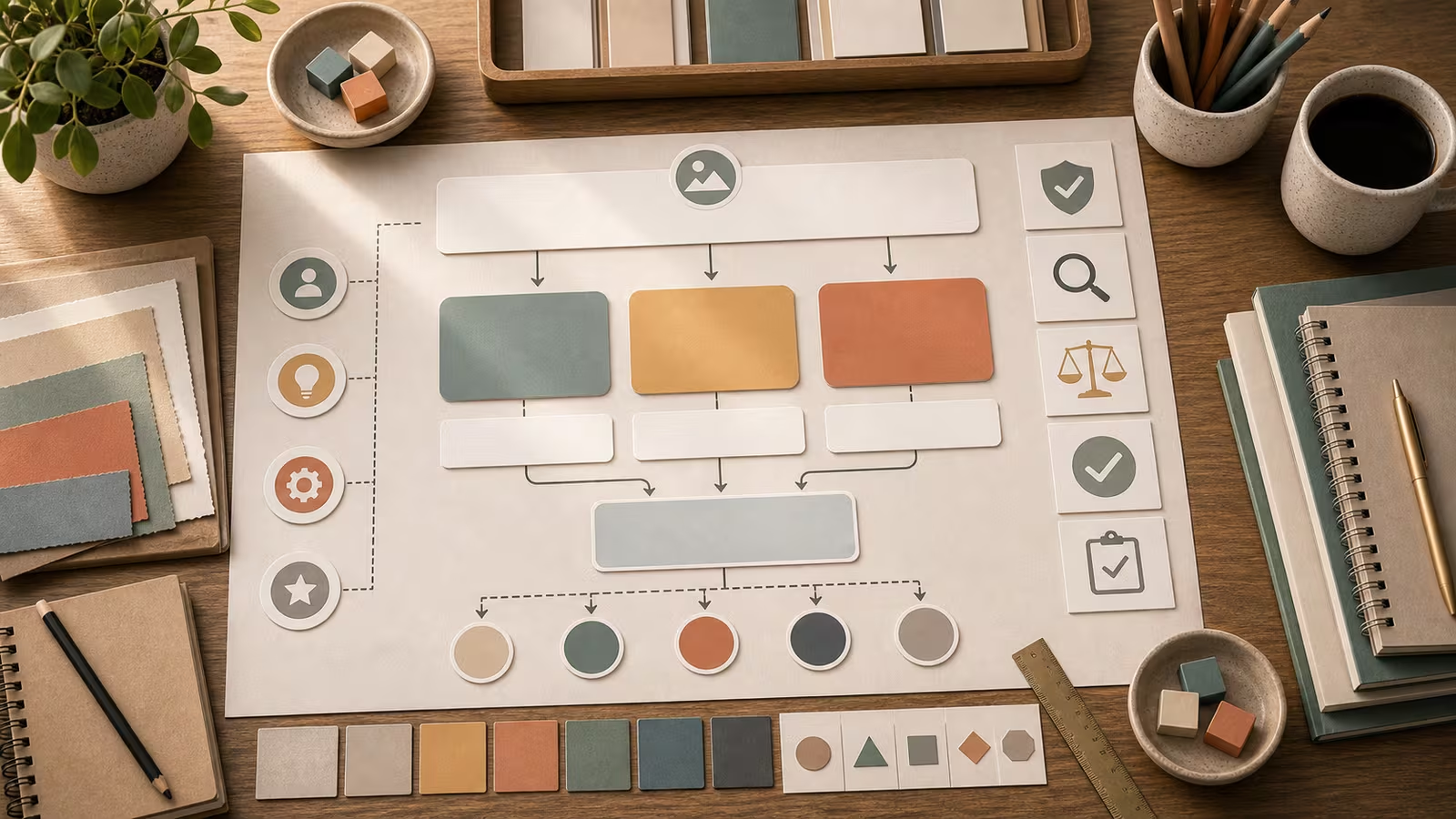
An infographic can look authoritative even when the labels are wrong. That makes diagrams higher-stakes than decorative heroes.
Visual Prompt Lab treats image generation as a briefing and review skill. A generated picture is useful only when it helps the reader, respects the audience, and survives a calm quality check. The goal is not to produce more images. The goal is to produce clearer, safer images that match the page.
The useful move
Use AI for structure, icons, relationship sketches, and visual hierarchy. Keep labels blank or add them manually after source checking. For scientific, medical, legal, or safety topics, verify before publishing. This is also where constraints belong. If the image should be unbranded, say so. If it should avoid readable text, say so. If disclosure is expected, plan that before the image reaches the page.
Use this guide beside Visual Prompt Lab when you are building a reusable image habit. For verification, deepfakes, and suspicious media, use Reality Check Desk instead; this topic is about responsible creation, not proving whether a viral image is real.
What to practice
Draft a diagram brief with three parts: what the picture should show, which labels must stay blank, and what source you will use to check the facts. Keep the exercise small enough that you can compare versions. If you change subject, style, lighting, crop, and safety boundary at once, you will not know which change helped.
For repeatable work, keep a short note using the Startable Life Lab habit: what you tried, what worked, what failed, and what you will reuse. That small record is often more valuable than a giant prompt library.
Quality check
Check arrow direction, part placement, scale, sequence, label space, and whether every factual claim has been reviewed outside the image model. Also inspect hands or small details when people appear, fake text, accidental logos, impossible shadows, odd object counts, and whether the final image still matches the article or guidebook promise.
When the stakes are high, this check is only the first pass. It can reduce risk, but it does not make an output legally safe, factually verified, or platform-approved.
Safety and disclosure note
Do not publish AI-generated diagrams as authoritative instructions for health, wiring, legal steps, weapons, or emergency procedures without expert review. Use safer language such as original, fictional, unbranded, product-neutral, no readable text, no logos, broad genre traits, and editorial illustration. Avoid requests that would create fake evidence, impersonation, scam assets, political persuasion imagery, non-consensual likeness use, or brand confusion.
Try this
Write one prompt using this pattern:
Create an educational diagram layout about [topic] with [parts shown as shapes], blank label zones, verified facts supplied separately, and no generated readable text.
Then write a one-sentence review: what should stay, what should change, and whether the image needs disclosure before use.
Related guidebooks
- AI Image Quality Checks: Hands, Text, Logos, Physics, and Context
- Disclosure and Content Credentials for AI Images
- Image SEO for Generated Visuals
- AI Agents for review workflows and human approval habits.
- Reality Check Desk for checking suspicious AI images, provenance, and deepfake claims.