
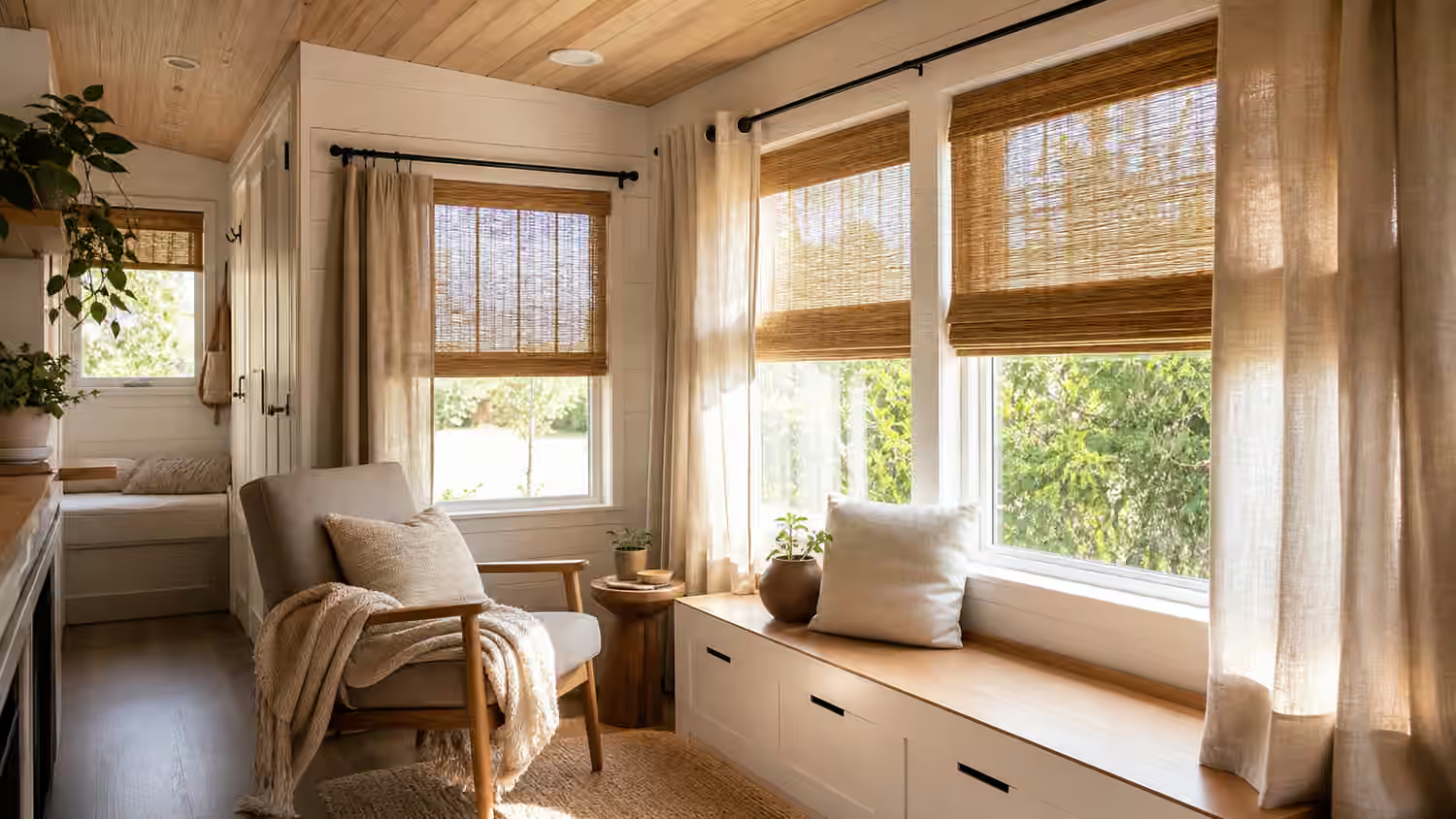
Windows Need a Second Layer
Tiny homes often use windows to make small rooms feel generous. Good daylight can lift the whole interior, and a well-placed view can make a compact sitting area feel connected to the site. But the window itself is only half the decision. The covering, shade, curtain, blind, or exterior screen decides how that window behaves when the sun is low, the neighbor is close, the loft is too bright, or the room needs to cool down.
Window coverings sit between several existing tiny-home decisions. Tiny Home Window and Daylight Planning explains where glass belongs. Tiny Home Privacy and Security Planning looks at sightlines from the site. Tiny Home Heating and Cooling and Tiny Home Insulation and Air Sealing explain why glass affects comfort. This page focuses on the movable layer the resident touches every day.
Privacy Changes by Time of Day
Privacy is not a single condition. A window that feels private at noon may become a lit display case at night. A high window may protect the bed from outside views but still show movement near the ceiling. A window facing trees may feel secluded in summer and exposed after leaves fall. Tiny homes make these changes more personal because the bed, desk, kitchen, and bathroom are close to the glass.
Good coverings let the resident adjust without making the home feel sealed all day. A sheer curtain can soften a view while keeping daylight. A top-down shade can block eye-level views while leaving sky visible. A simple roller shade can make a sleeping area dark without collecting much dust. Layered treatments can work well when there is room for them, but layers should not crowd a narrow walkway or interfere with window operation.
The site matters as much as the room. A tiny home parked near a driveway, shared path, host house, or neighboring porch needs different privacy than a cabin facing woods. Before choosing hardware, stand outside at the times people will pass by. Then stand inside after dark with lights on. That exercise is more useful than guessing from a floor plan because privacy is created by angles, distance, light, and habit.
Glare Is Different From Brightness
A bright room can feel cheerful. A glaring room feels unusable. Low sun through a kitchen window can hit the cook’s eyes. Afternoon light can wash across a laptop screen. A loft window can wake someone too early in summer. A reflective counter can bounce light into the face even when the window is not directly in view.
Window coverings should be chosen for the tasks near the window. A workspace may need glare control without full darkness. A sleeping loft may need better blackout than the main room. A kitchen may need a washable shade that can handle occasional steam and splatter. A bathroom may need privacy while still allowing airflow and light. Tiny Home Lighting Design covers artificial light, but daylight control is the daytime version of the same problem: put the right light where people use the room.
Material affects glare. Woven shades scatter light and add texture, but they may not provide full privacy at night. White roller shades can brighten a room while reducing direct sun. Dark blackout fabrics can help sleep but may feel heavy in a very small space. Slatted blinds offer angle control, but they collect dust and can rattle if the home travels. The best choice is the one the resident will actually adjust, clean, and live with.
Heat Gain Belongs in the Covering Conversation
Windows can add welcome warmth in cool seasons and uncomfortable heat in warm seasons. A tiny home has less air volume to buffer that swing, so a sunny afternoon can change the interior quickly. Coverings are not a replacement for good window selection, roof overhangs, insulation, ventilation, or cooling equipment, but they are part of the comfort system.
Interior shades can reduce direct sunlight on surfaces. Exterior shading can be even more powerful because it stops some sun before it reaches the glass. Awnings, shade sails, porch roofs, deciduous trees, shutters, and removable screens all have roles in the right setting. A mobile tiny home may need shading that can be removed or secured before travel. A fixed tiny home may use more permanent details. Tiny Home Outdoor Living: Porches and Decks is useful here because the outdoor room often becomes the shade structure for the indoor room.
Thermal coverings deserve realistic expectations. Cellular shades, lined curtains, and snug shades can improve comfort near glass, especially at night, but they must be used with attention to moisture. A tight covering over a cold window can create a still air pocket where condensation forms. That does not mean every insulating shade is a mistake. It means the home needs a ventilation and moisture plan that fits the climate and window behavior.
Condensation Needs Air, Not Just Fabric
Tiny homes produce moisture through cooking, showers, breathing, drying clothes, pets, and wet gear. Windows often show the first visible signs because glass and frames can be cooler than walls. A curtain can hide that moisture until it dampens fabric, stains trim, or creates a musty smell. A shade mounted too close to the glass can trap still humid air. A heavy curtain in a loft can make a cold corner feel cozy while quietly reducing drying.
The Ventilation and Moisture Control guide explains the larger system. For coverings, the practical point is to let air reach the window when it needs to dry. Leave enough clearance for movement. Choose washable or moisture-tolerant materials near sinks and showers. Avoid storing fabric hard against cold glass. Check hidden corners during the first winter or first humid season instead of assuming the covering is behaving.
Bathroom coverings are especially important. A wood blind may look warm and natural, but a wet bathroom can be hard on materials. A simple privacy film, a moisture-tolerant shade, or a high window may serve better than fabric beside the shower. The answer depends on the room, but the covering should not become a damp sponge in the smallest room of the house.
Hardware Should Survive Tiny Home Use
Window hardware in a tiny home gets touched often. Shades go up and down because the same room changes function through the day. Curtains get brushed by shoulders. Blinds may rattle if the home is on wheels. A shade mounted in a tight passage can become a handhold by accident. Cheap or fussy hardware can make a good design feel irritating.
Mounting depth matters. Inside-mount shades look clean but need enough frame depth and clearances around handles. Outside-mount coverings can block more light and hide irregular trim, but they project into the room. Curtain rods need solid backing, not only thin finish boards. If the home travels, coverings should have a secure travel position so they do not swing, slap, or break during vibration. Tiny Home Travel Day Readiness applies to soft furnishings too.
Cleaning is part of hardware choice. Dust gathers quickly in small spaces, especially near cooking and pets. A beautiful layered treatment that cannot be removed or washed may become one more neglected surface. A modest shade that wipes clean and works every day can be the better design.
Let the Window Keep Its Purpose
A window covering should improve the window, not erase why it was installed. If the main view is always covered because privacy was not considered, the window may be in the wrong place or need a different exterior strategy. If the loft is always too bright, the sleeping layout may need a stronger shade. If the kitchen shade is always splattered, the covering may need to move farther from the sink or become easier to clean.
Tiny home coverings work best when they are specific. The bed gets darkness. The desk gets glare control. The bathroom gets privacy and moisture tolerance. The front window gets a daytime view and a nighttime boundary. The hot side of the house gets shade before the cooling system has to work too hard. The resident gets adjustment without fuss.
The result is not a decorated window. It is a room that changes gracefully across the day. Morning light can enter without waking everyone too early. Midday glare can soften without closing the home off from the site. Evening privacy can arrive with one simple movement. In a tiny home, that small daily control makes the room feel larger because the resident is no longer at the mercy of the glass.


