Water Is Where Tiny Living Gets Practical
Tiny homes can make water feel simple because the fixtures are close together. The kitchen sink may be only a few steps from the shower, the toilet, the pump, and the water heater. That closeness helps with pipe runs and material cost, but it also means one weak decision can affect the whole house. A noisy pump under the bed, a drain that cannot be reached, a fresh tank that freezes, or a hidden fitting that weeps into the subfloor will not stay isolated in a small building.
A good water system is not the most elaborate one. It is the one that matches how the home will be used, can be serviced without demolition, and behaves predictably in bad weather. It should deliver enough pressure for a comfortable shower, keep drinking water protected, route waste water legally and sanely, and give the owner a quick way to shut things down when something sounds wrong. The goal is not to make plumbing disappear. The goal is to make it quiet, reachable, and dull in the best possible sense.
This guide fits between Sustainable Systems , Site Prep and Setup , Tiny Home Bathroom Design , and Tiny Home Kitchen Design . Those pages cover the broader site, fixtures, and daily rooms. Here the focus is the water path itself: where water comes from, how it moves through the house, where it leaves, and how you reach the parts that will eventually need attention.
Choose the Water Pattern Before the Floor Plan Hardens
The first plumbing decision is not pipe material or faucet style. It is the water pattern. A tiny home connected to a permanent water supply and approved drain system behaves differently from a tiny house on wheels with onboard tanks. A seasonal cabin that gets drained each winter has different needs from a year-round home in a cold climate. A parked THOW with a garden hose and a portable greywater solution has a different maintenance rhythm from a foundation build tied into normal residential utilities.
Grid-connected water is the easiest day to day when the site supports it. Pressure is usually stable, storage may not be needed, and draining fixtures can tie into a planned sewer or septic route. That convenience still needs careful detailing. Hose bibs, shutoffs, pressure regulation, backflow protection, freeze protection, and cleanouts all belong in the design. A tiny home can be small, but the utility connection should not feel temporary if the home is meant to stay.
Onboard storage gives more flexibility, especially for mobile or off-grid setups, but it shifts responsibility to the owner. Fresh water has to be filled, protected from contamination, pumped, filtered when needed, and drained or winterized when conditions demand it. Greywater and blackwater have to be managed in a way that fits the site and local rules. A tank-based system can work beautifully, but it should be designed as a normal operating condition, not as camping hardware borrowed for a house.
Hybrid systems are common because real life is mixed. A home may have a city-water inlet for long parking periods and a fresh tank for travel, outages, or sites without hookups. That can be practical, but only when valves make the modes obvious. If switching from tank water to pressurized supply requires crawling into a dark cabinet and guessing which valve does what, the system is asking for mistakes.
Fresh Water Starts With Storage You Can Reach
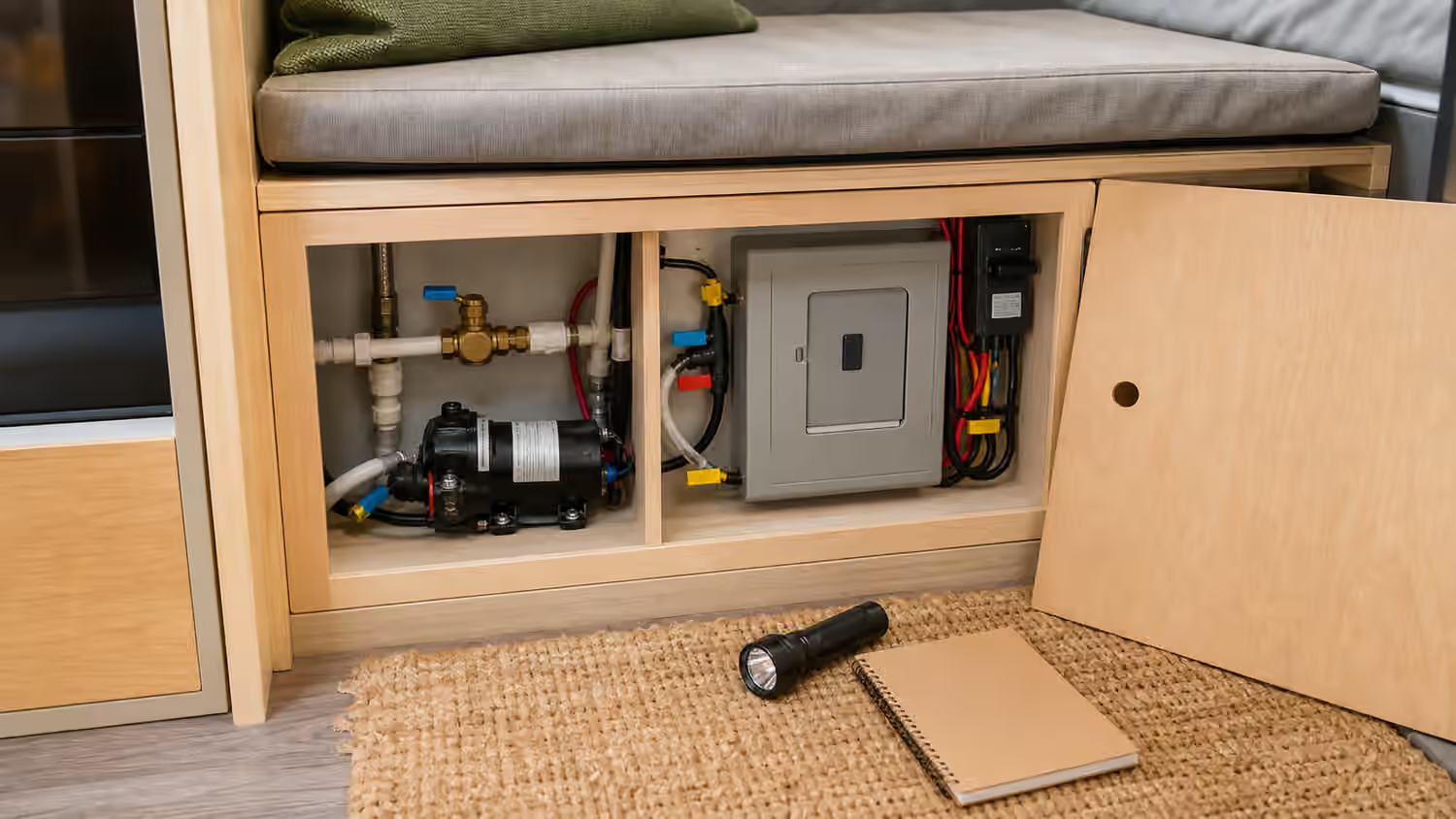
Fresh-water tanks should be treated as heavy, important equipment. Water adds weight quickly, so tanks should be placed low and supported properly. In a mobile build, their location also affects handling and balance. In a stationary build, their location affects freeze risk, pump noise, and service access. Hiding a tank under a built-in bed may use space well, but only if the fill, vent, drain, pump connection, and inspection access are all still reachable.
The fill path deserves as much attention as the tank. A clean fill port, a screened vent, a drain point, and a route that does not splash into finished storage make ordinary use easier. If water is hauled, the owner needs a place to set containers, connect a hose, or use a transfer pump without dragging wet gear across the living area. If water comes from a hose, the connection should be protected from dirt, freezing, kinks, and accidental pulls.
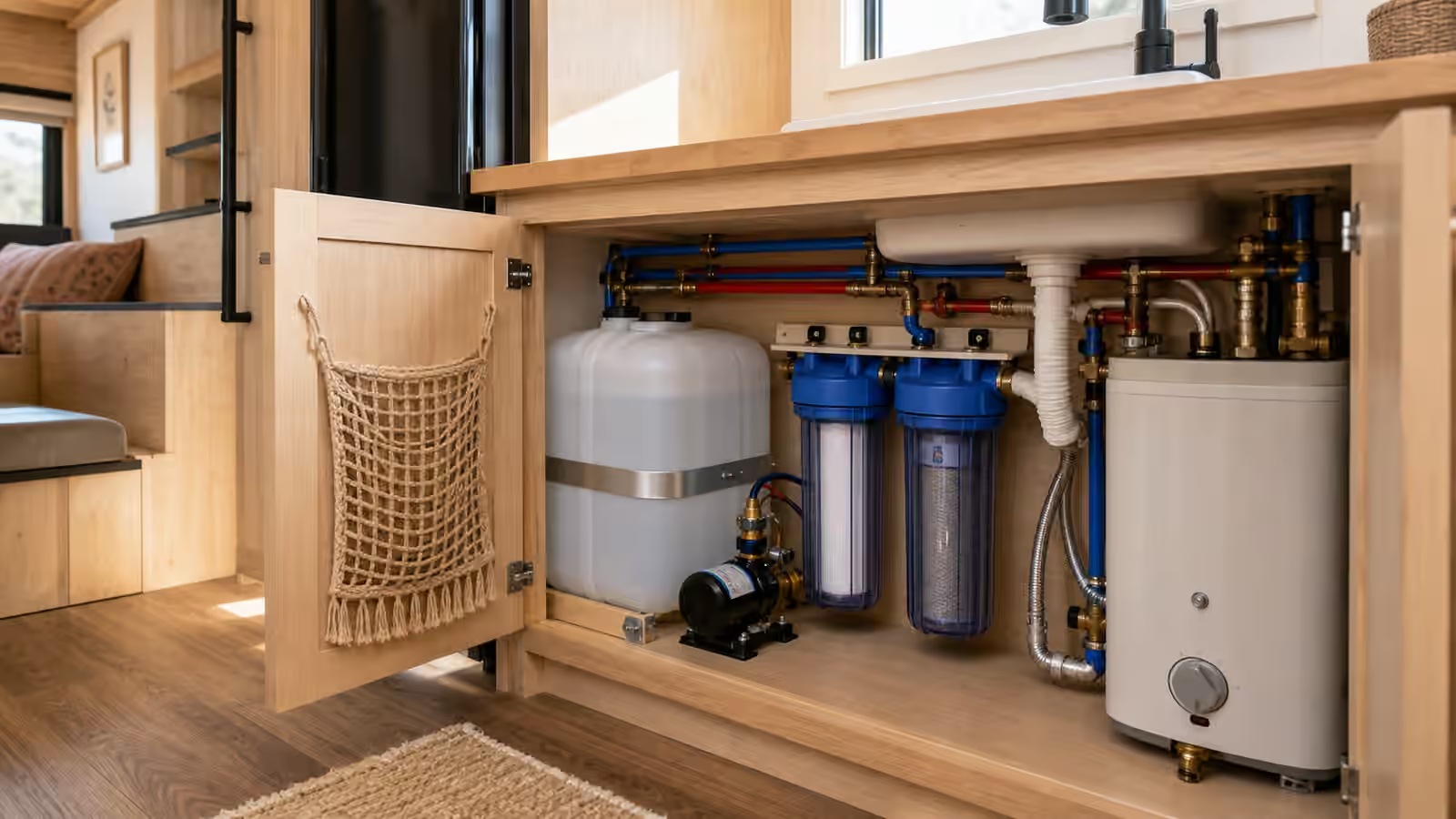
Filtration depends on the source and the intended use. Sediment protection is often useful because it protects pumps, valves, faucets, and water heaters from grit. Carbon filtration can improve taste and odor, but it is not a universal safety solution. Drinking-water treatment should be matched to the actual source, and questionable sources deserve testing and professional guidance. The evergreen principle is simple: do not let a pretty filter housing substitute for knowing what is in the water.
Pumps Should Be Quiet, Accessible, and Protected
Most tank-based tiny homes use a pressure pump to make fixtures feel normal. The pump is small, but its placement has a large effect on daily comfort. A pump mounted directly to a thin cabinet wall can turn every hand wash into a vibration alarm. Flexible connections, proper mounting, and a location away from sleeping areas help. Some systems also benefit from an accumulator tank, which smooths pressure and reduces short pump cycling.
The pump should be close enough to the tank to prime reliably and close enough to service that it can be cleaned, replaced, or checked for leaks. A strainer before the pump is common, and that strainer has to be reachable because it exists to collect debris. If cleaning it requires unloading half the house, it will not be cleaned often enough. The same is true for shutoff valves. A valve that is technically present but hidden behind stored cookware is not a useful emergency valve.
Pressure should feel steady without abusing the plumbing. Oversized pumps can make a small system noisy and harsh. Undersized pumps make showers disappointing and can struggle when two fixtures run. The right answer depends on the number of fixtures, pipe length, water heater requirements, and the owner’s tolerance for pump sound. What matters most is designing the pump as part of the home rather than treating it as a loose accessory added after cabinets are finished.
Hot Water Is an Energy Decision Too
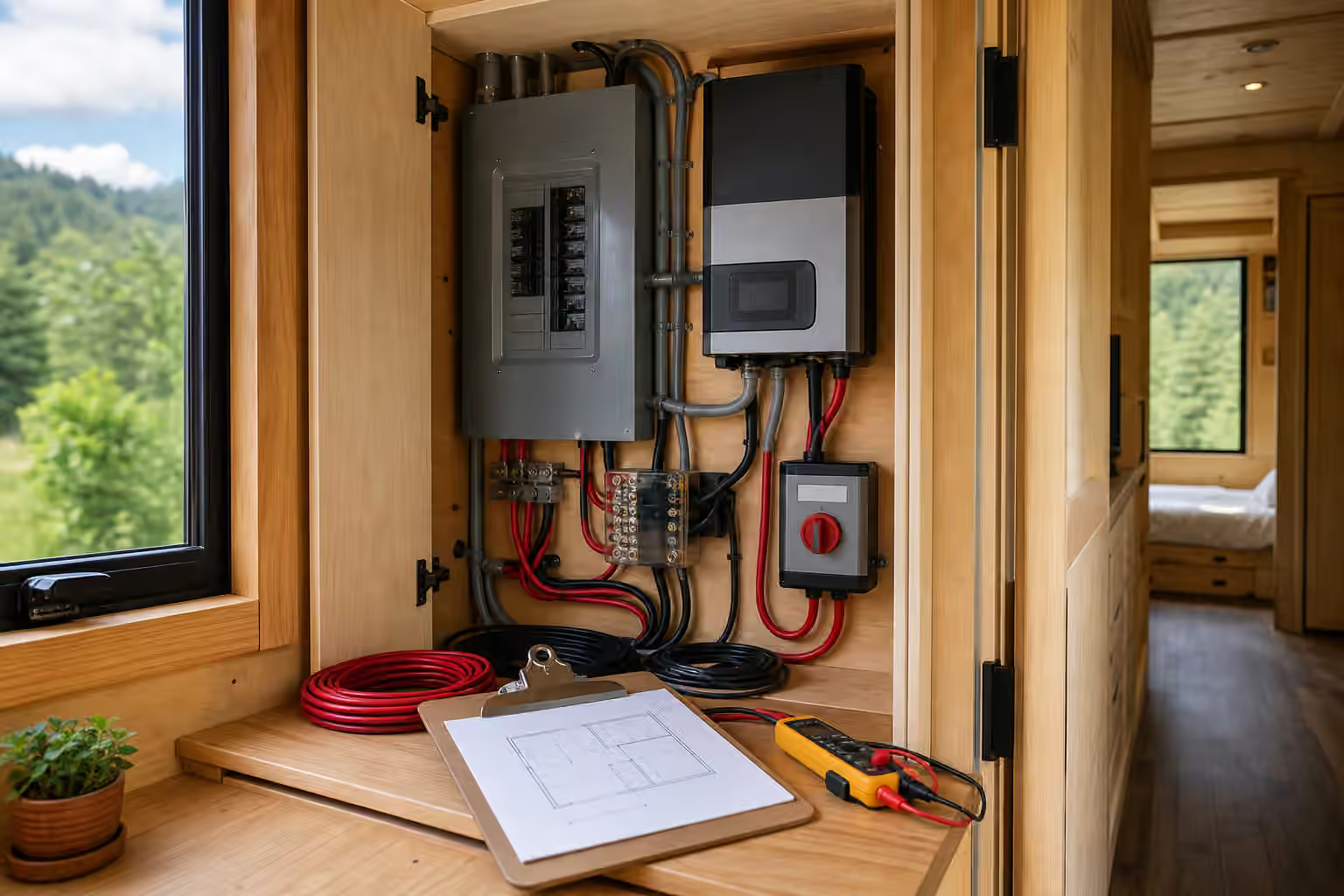
Hot water in a tiny home is where plumbing meets power, fuel, ventilation, and routine. A small electric tank can be simple and quiet, but it draws steady energy while it recovers. An electric tankless heater saves space but can demand more instantaneous power than an off-grid or modest electrical system can comfortably provide. A propane tankless unit can work well when installed correctly, but combustion air, exhaust routing, clearances, freeze protection, and professional installation matter.
Point-of-use heaters are attractive because pipe runs are short. In some layouts, a heater near the kitchen and bathroom reduces water waste because hot water arrives quickly. In other layouts, one central heater is easier to maintain and protect. The decision should be made with the electrical or fuel plan open beside the floor plan. If the home is solar leaning, pair this conversation with Solar Power Sizing before assuming electric hot water will be effortless.
The water heater also needs ordinary access. Elements, filters, anode rods where relevant, pressure relief routing, winter drains, and service clearances are not decorative details. They are the parts that decide whether a maintenance task takes minutes or requires removing trim. In a tiny home, the best mechanical location is often the one that gives up a little cabinet volume so the system can be inspected without turning a repair into carpentry.
Drains Need Slope, Venting, and a Legal Destination
Supply plumbing gets attention because pressure is visible at the faucet. Drainage is easier to ignore until it smells, gurgles, freezes, or backs up. Tiny homes still need properly sloped drains, traps that hold water, venting that prevents siphoning, and cleanout access where clogs are likely. Short pipe runs help, but they do not remove the need for basic plumbing logic.
Greywater handling varies by place and by setup, so it should be planned with local rules rather than folklore. A shower and sink may seem harmless compared with toilet waste, but greywater can still contain soap, grease, food residue, hair, and bacteria. Some sites allow specific greywater uses under specific conditions. Others require approved routing to sewer, septic, a holding tank, or a designated treatment system. The practical design move is to keep greywater routes visible enough to inspect and simple enough to maintain.
If the tiny home uses holding tanks, think about the service route. Where does the grey tank drain? Can the hose connect without crawling under the house in mud? Is the outlet protected from freezing and road debris? Does the tank have enough slope to empty well? If the home uses a flush toilet and blackwater tank, the service routine becomes even more important. The bathroom may look finished inside, but the waste path outside determines whether the system feels civilized.
Freeze Protection Belongs in the Original Design
Cold weather plumbing problems often come from routing decisions made months earlier. A water line tucked into an exterior wall, a pump mounted in an unconditioned box, a low drain crossing exposed air, or a hose lying on frozen ground can turn a mild freeze into a no-water morning. The strongest protection is to keep vulnerable plumbing inside the conditioned envelope whenever possible. When that is not possible, insulation, heat tape, skirting, drained lines, and seasonal operating habits have to be planned together.
Winterization should be designed, not improvised. A tiny home that may sit unoccupied in freezing weather needs drain points, bypasses, and access that make draining the system realistic. Traps may need antifreeze appropriate to the system. Pumps and filters may need to be removed or protected. Exterior hoses should not be treated as permanent plumbing in freezing climates unless they are part of a protected setup. The First Winter in a Tiny Home guide covers the lived experience of cold-weather water problems; the plumbing lesson is to make the safe routine easy enough that you will actually do it.
Moisture control is part of this too. Water systems do not only fail by freezing or leaking. They also create humidity through showers, cooking, drying towels, and small hidden drips. The best plumbing plan works with Ventilation and Moisture Control so wet rooms dry quickly and cabinets around plumbing do not become stale, cold cavities.
Service Access Is a Design Feature
Every water system needs valves, unions, removable panels, and enough working room for hands and tools. That sounds obvious until a beautiful interior swallows the plumbing. A shutoff behind a screwed-down wall, a trap buried below a drawer stack, or a filter housing with no room to unscrew the bowl is not a clever space save. It is delayed frustration.
The main shutoff should be obvious. Fixture shutoffs should be reachable. Filters should have clearance below them. Pumps should have a path out. Water heaters should be removable without cutting finished work. Drains should have cleanouts or accessible traps where clogs are likely. In a very small home, a removable cabinet back, magnetic service panel, or hinged toe-kick can preserve the clean interior while still respecting the system behind it.
It also helps to make the system legible. Pipe colors, simple routing, and a small owner map stored with maintenance notes can prevent confusion later. The map does not need to be displayed on the wall. It just needs to exist when someone is cold, tired, and trying to figure out why the pump will not stop cycling.
Test the Whole Path Before You Move In
The first real test should happen before the home is packed with belongings. Fill the tank or pressurize the supply, run every fixture, let the pump cycle, check each visible fitting with dry hands or a paper towel, watch the drains, and look again after an hour. Run the shower long enough to test hot-water behavior and drainage. Fill the sink and release it so the drain sees real volume. Listen for pump chatter, gurgling traps, and water hammer. Then open the service panels and look where leaks would actually appear.
This test is not a ceremonial final walkthrough. It is the moment when plumbing becomes a lived system. Small adjustments are easy before storage is full and trim is final. A slightly relocated valve, a better pump mount, a corrected drain slope, a labeled bypass, or a wider access panel can save years of annoyance.
Water should become ordinary. You turn on the sink, take a shower, drain the basin, change a filter, shut off the system for travel or winter, and understand where the water went. When a tiny home water system reaches that level of ordinariness, it has done its job. It supports the daily life people came for, without asking to become the center of it.