Wastewater Is a Design Subject, Not an Afterthought
Tiny home water conversations often begin with fresh water. People think about how many gallons they can carry, whether a pump will be loud, how long a shower can last, and what kind of water heater fits the electrical plan. Wastewater gets less attention because it is less pleasant to picture. That is exactly why it deserves a guide of its own. In a tiny home, drains, traps, tanks, venting, cleanouts, and legal disposal are not background plumbing. They shape where the bathroom can sit, how the kitchen works, how often service is needed, and whether daily routines feel civilized.
Wastewater planning is not about finding a loophole. It is about choosing a lawful, maintainable destination for water after it leaves the sink, shower, washer, or toilet. Local rules vary widely, and site conditions matter. Some places allow certain graywater uses under specific conditions. Some require sewer or septic connections. Some parked setups rely on approved holding tanks and periodic service. A tiny home can be small and flexible, but wastewater still needs a real path.
Read this guide with Tiny Home Water Systems , Tiny Home Bathroom Design , Tiny Home Laundry Planning , and Site Prep and Setup open nearby. Those guides cover fixtures, water supply, washing routines, and the site. This one follows the water after it leaves the fixture.
Graywater Is Still Wastewater
Graywater sounds gentle because it does not usually include toilet waste. In practice, it can contain soap, grease, hair, skin cells, food residue, detergent, toothpaste, cleaning products, and bacteria. Kitchen sink water is often more troublesome than people expect because food particles and grease create odors and clogs. Shower water may seem clean, but hair and soap scum build up quickly in small pipes. Laundry water can carry lint, detergent, soil, and fibers. Treating graywater as harmless because it came from a small home is a common planning mistake.
The first question is not what you would like graywater to do. The first question is what is allowed and appropriate where the home will sit. A rural site, an urban backyard, a campground, a private driveway, and a tiny home village may all have different expectations. Soil type, slope, groundwater, wells, neighbors, vegetation, and freezing weather can change the answer. The safest planning posture is to assume graywater needs an approved destination until you have confirmed otherwise.
A good graywater plan also acknowledges daily behavior. If the system only works when everyone uses special soap, scrapes every dish perfectly, never cooks with grease, and remembers a seasonal valve routine, it may be fragile. People get tired. Guests visit. Weather changes. Design the system for ordinary use rather than ideal use.
Drains Need Slope, Vents, and Cleanouts
Small buildings tempt people into casual drain layouts because the fixtures are close together. A short run still needs slope. A trap still needs to hold water. A vent or approved air admittance strategy still needs to protect the trap from siphoning. A cleanout still needs to be reachable. A drain line that is only six feet long can smell, gurgle, freeze, or clog if the basic plumbing logic is ignored.
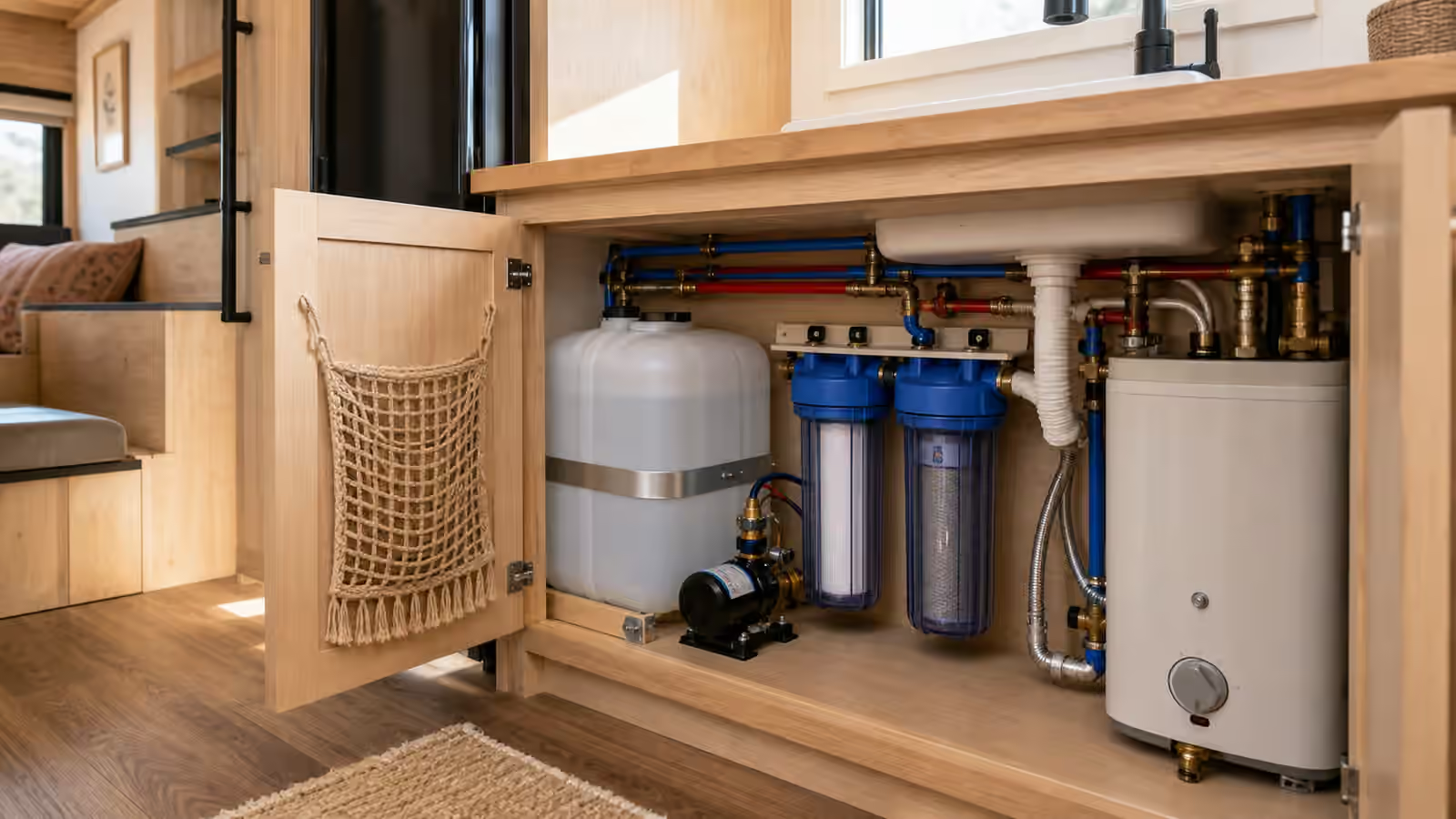
The kitchen sink deserves particular care. Food particles, oil, and coffee grounds do not become less troublesome because the kitchen is tiny. A shallow cabinet under a small sink can make trap access awkward, so the cabinet should be planned around the plumbing instead of forcing the plumbing to occupy leftover space. If the home has a dishwasher or compact washer, those drain connections should be considered early, because they introduce bursts of water and lint that can expose weak routing.
Bathroom drains have their own rhythm. A shower sends steady volume, hair, soap, and warm humid air into the same small wet room. The drain should clear quickly, the trap should be reachable, and the route should not pass through an unprotected cold zone without a freeze plan. If the home uses a wet bath, cleaning routines matter because the whole room becomes part of the drain environment.
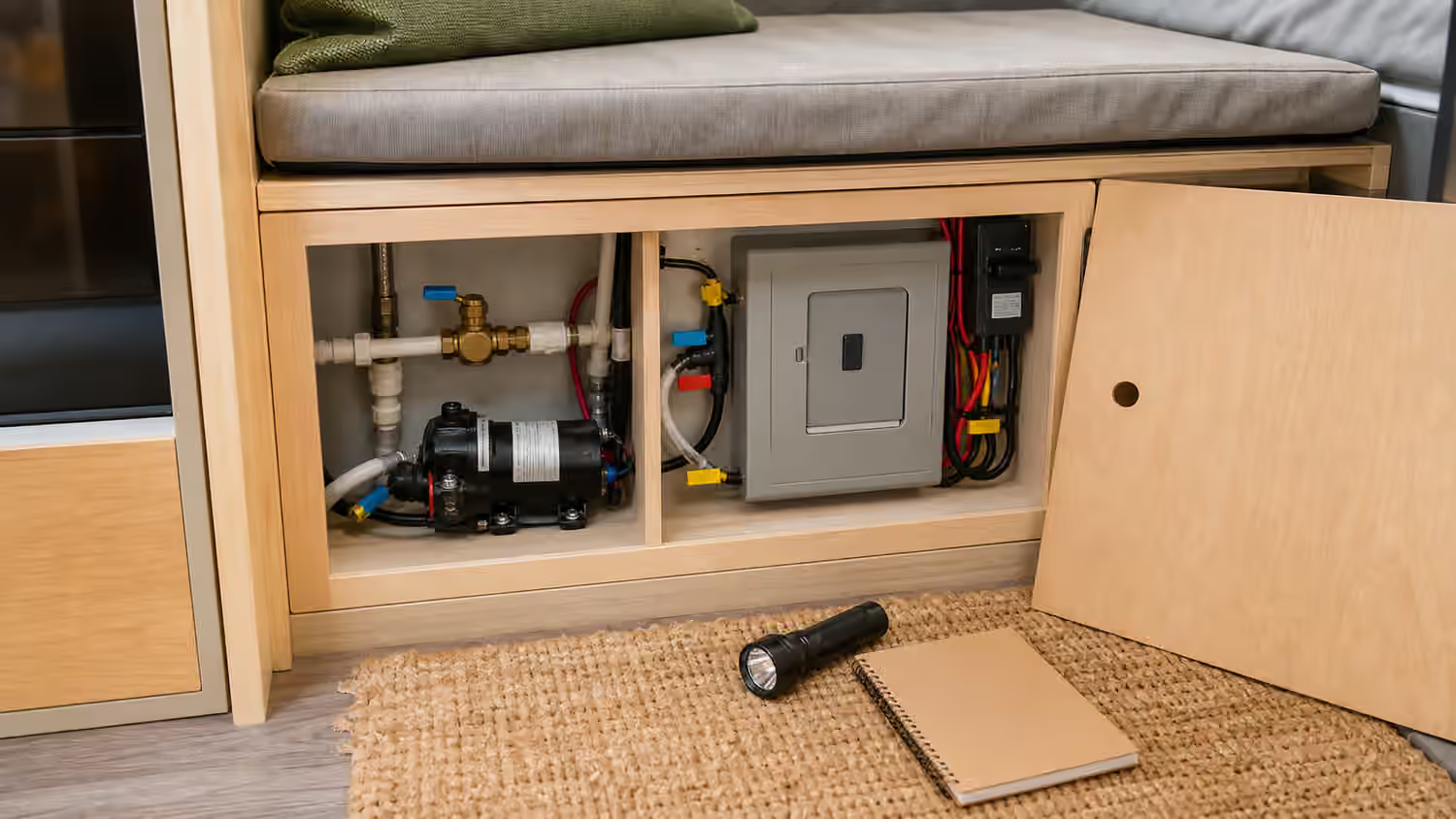
Cleanouts feel boring during design and essential during a clog. A cleanout buried behind a finished panel, under a fixed cabinet, or behind skirting that requires tools in bad weather is barely better than no cleanout. Tiny home plumbing should be compact, but it should not be secret.
Holding Tanks Change the Maintenance Rhythm
Holding tanks can make a tiny home more flexible, especially when it moves or parks where permanent drains are unavailable. They also create a maintenance schedule. A gray tank needs enough capacity for the real water routine. A black tank, where used, needs careful venting, service access, and a disposal method that is legal and hygienic. Tank size, location, insulation, drain slope, outlet height, and service hose routing all affect whether the system feels practical.
Capacity should be based on behavior rather than optimism. A person who cooks daily, showers inside, washes dishes by hand, and does laundry onboard will produce very different wastewater than someone who uses shared facilities and cooks lightly. A tank that seems large on paper may feel small when guests visit or winter weather makes service unpleasant. The point is not to oversize everything. It is to understand the service interval before the home is occupied.
Tank placement affects weight and access. Water is heavy, and wastewater weight changes as the tank fills. In a tiny house on wheels, this can affect balance and towing readiness, so connect the decision to Tiny Home Weight, Balance, and Towing Readiness . Even in a stationary build, the tank should be supported properly and reachable for inspection. A tank hidden in a cold underfloor space with no access panel can turn a simple leak into a flooring problem.
The drain outlet should make service realistic. The person emptying or connecting the system should not have to crawl under the home, drag a hose through the entry path, or fight a fitting hidden behind a deck. Wastewater service is one of those routines where dignity comes from good design.
Odor Control Is Mostly About Water Seals and Air Paths
Odor problems often get blamed on small living itself, but many come from ordinary plumbing issues. A dry trap lets air move where it should not. A siphoned trap loses its water seal. A venting problem pushes odors into the room. A graywater tank without sensible venting can smell worse than expected. A drain line with poor slope can leave residue sitting in the pipe. None of these problems are unique to tiny homes, but the small interior volume makes them noticeable fast.
The fix is usually not perfume or a stronger fan. The fix is to make the drain system behave. Traps need water. Vents need a path. Tanks need appropriate air movement. Fixture drains need slope and access. If a home sits unused, traps can dry out. If the home moves, a trap or fitting can loosen. If freezing weather changes the vent or drain path, odors can show up as the first clue.
Composting toilets change the wastewater picture but do not remove all waste planning. Urine diversion, solids handling, ventilation, cleaning, storage, and local rules still matter. The story guide on Composting Toilet Realities covers the lived side. From a systems perspective, the lesson is to design for the routine, not the product photo.
Freeze Protection Starts With Routing
Wastewater can freeze just like fresh water. A drain line with a shallow slope, a low belly, or a long exposed run can hold enough water to block during cold weather. A tank outlet can freeze shut. A hose left outside can become a rigid problem. Graywater solutions that work in mild seasons may fail during a cold snap unless the design accounts for it.
The strongest cold-weather move is to keep vulnerable plumbing inside the protected envelope or inside a planned underfloor zone. When drains or tanks must be outside conditioned space, insulation, heat, skirting, drainage, and seasonal operating habits need to work together. The Tiny Home Skirting and Underfloor Protection guide is useful here because it treats the underside as a managed space rather than a forgotten cavity.
Winter routines should be simple enough to follow. If the home will be unoccupied, drains may need to be cleared or protected. If the home is occupied, service points need access after snow or ice. If a portable tank or hose is part of the system, its storage and cleaning routine should be planned before the first cold week.
The Site Has to Receive the System
Wastewater is where the tiny home and the site become one project. A perfect interior drain layout does not help if the outlet is on the wrong side for the site connection. A legal septic tie-in may still be inconvenient if the slope is wrong. A holding tank may be manageable until a deck blocks the service route. A graywater plan may look reasonable until the home is parked near a well, low spot, or neighbor’s path.
During site planning, walk the water path from fixture to destination. Stand where the hose, pipe, tank, cleanout, valve, or service truck will be. Imagine rain, darkness, winter, and a tired owner. If the route still makes sense, the system is closer to ready. If it only works in a dry sketch, change it before finishes and landscaping make the change expensive.
The goal is a wastewater system that becomes unremarkable. Sinks drain. Showers clear. Tanks are serviced before they become urgent. Odors do not enter the living space. Valves can be reached. Local rules are respected. The owner understands what leaves the home and where it goes. In a small home, that kind of quiet competence is not a luxury. It is part of what makes the space livable.