The Move Begins Before the Hitch
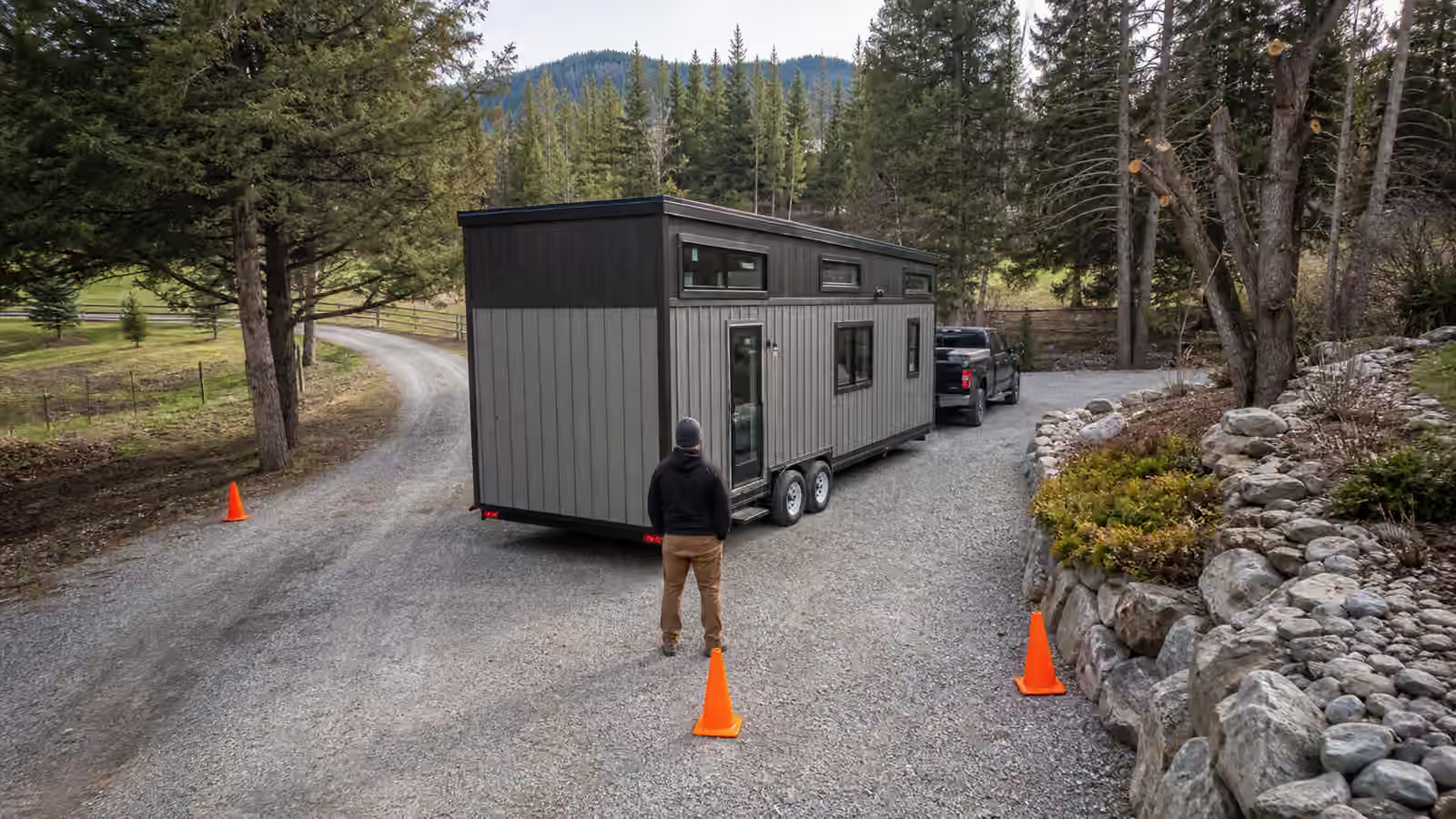
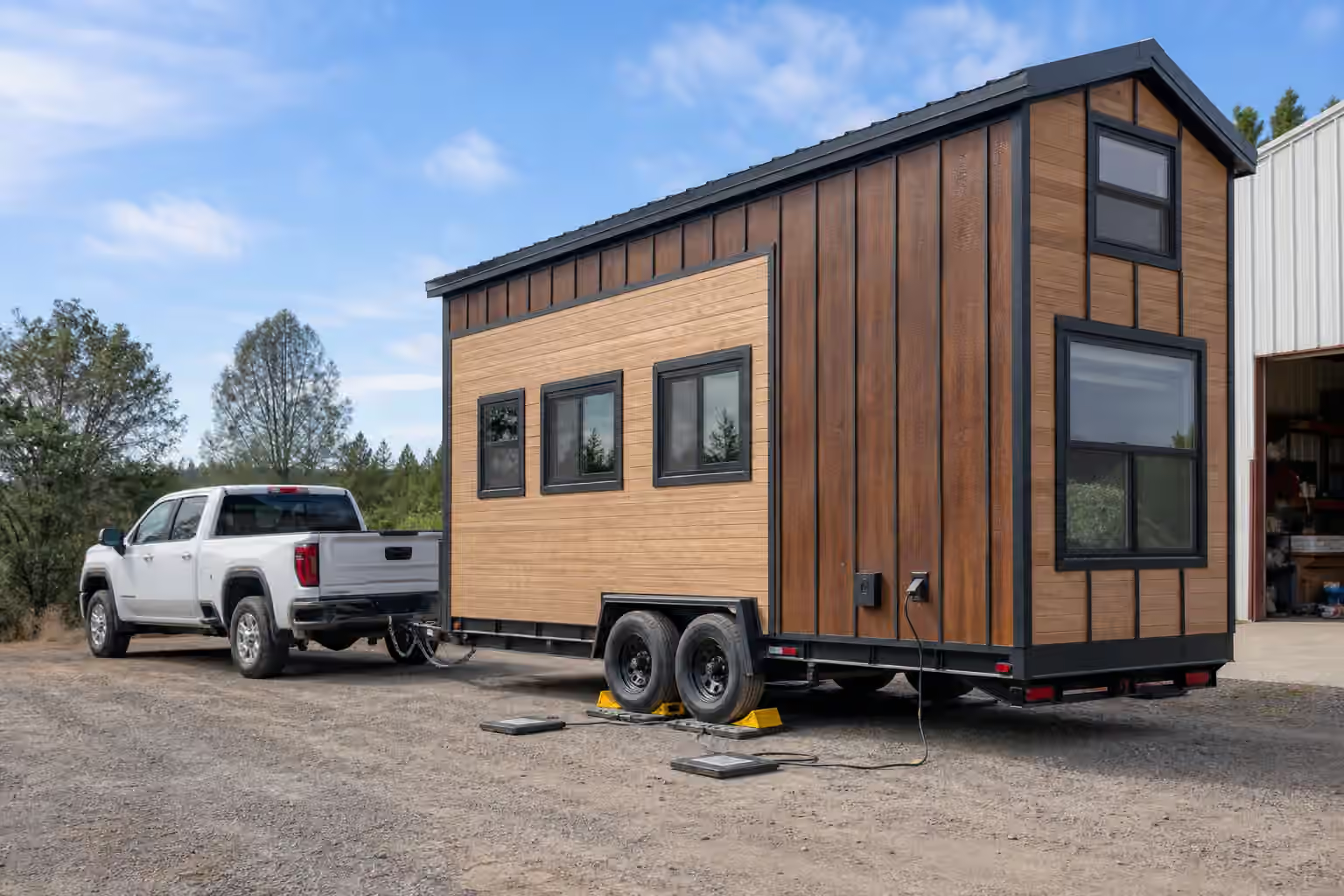
A tiny house on wheels may sit for months or years, but the option to move remains part of its design. Travel day exposes every soft assumption. A hose that was meant to be temporary has become buried under gravel. A deck box blocks the stabilizer. The loft shelf looks harmless until the house starts vibrating. A drawer latch that worked for daily living may not work for road motion. The move itself may take only a few hours, yet the quality of that move is decided by the small habits that came before it.
This guide belongs beside Tiny Home Weight, Balance, and Towing Readiness , Site Prep and Setup , Tiny Home Repair Kit and Spare Parts , and Tiny Home Outdoor Living . Those pages explain the trailer, the destination, the tools, and the outdoor pieces. Travel day readiness is the bridge between them. It asks whether the home can leave one place, travel as a loaded structure, and settle into the next place without relying on memory and luck.
Separate Parked Life From Travel Life
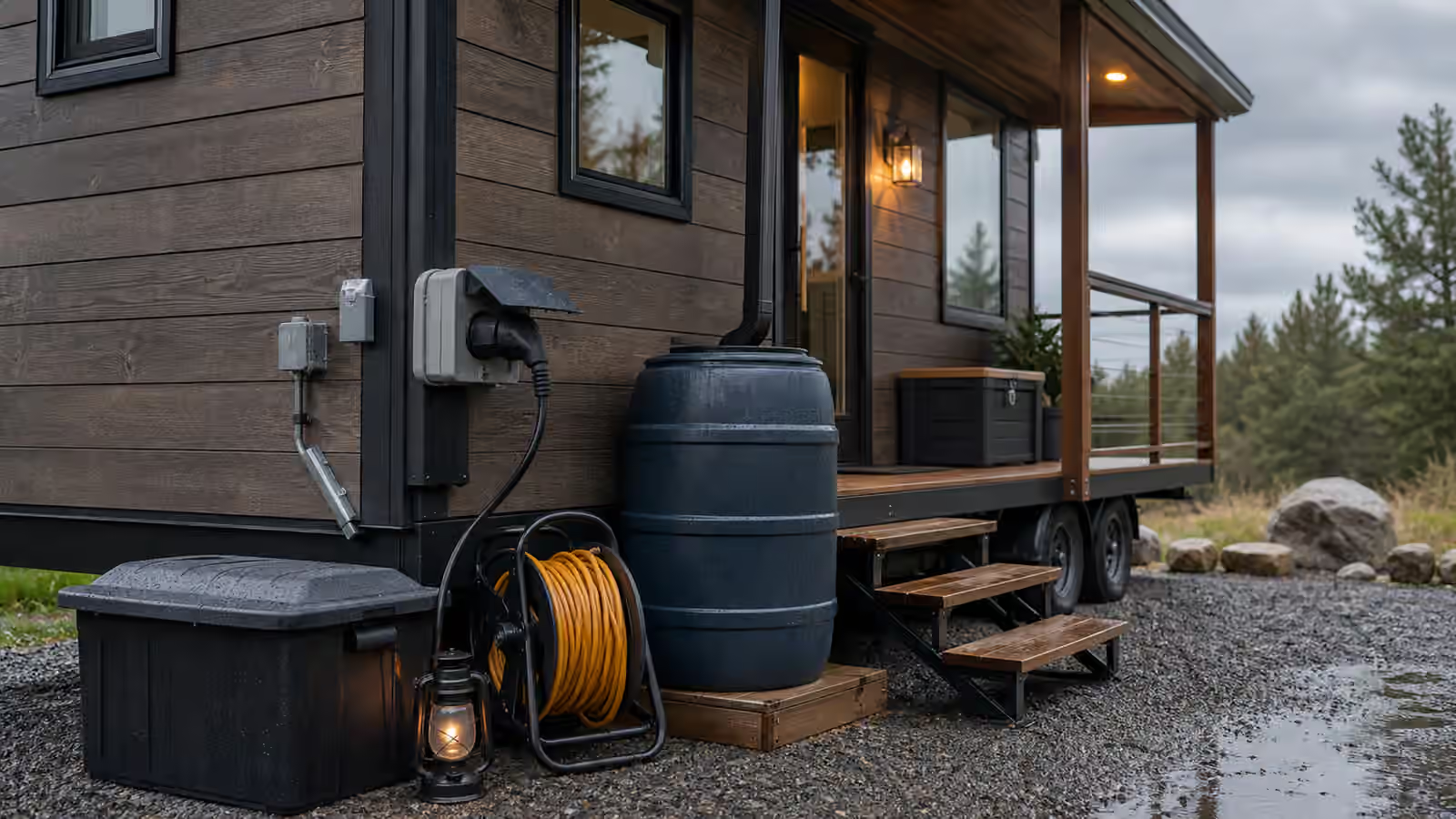
The parked tiny home grows roots. Steps become normal. A porch rug stays down. Planters gather near the door. The water hose finds a route that is convenient rather than towable. The power cord runs where nobody trips over it anymore because everyone has learned its shape. None of those details are wrong while the home is stationary, but they should not be confused with road readiness.
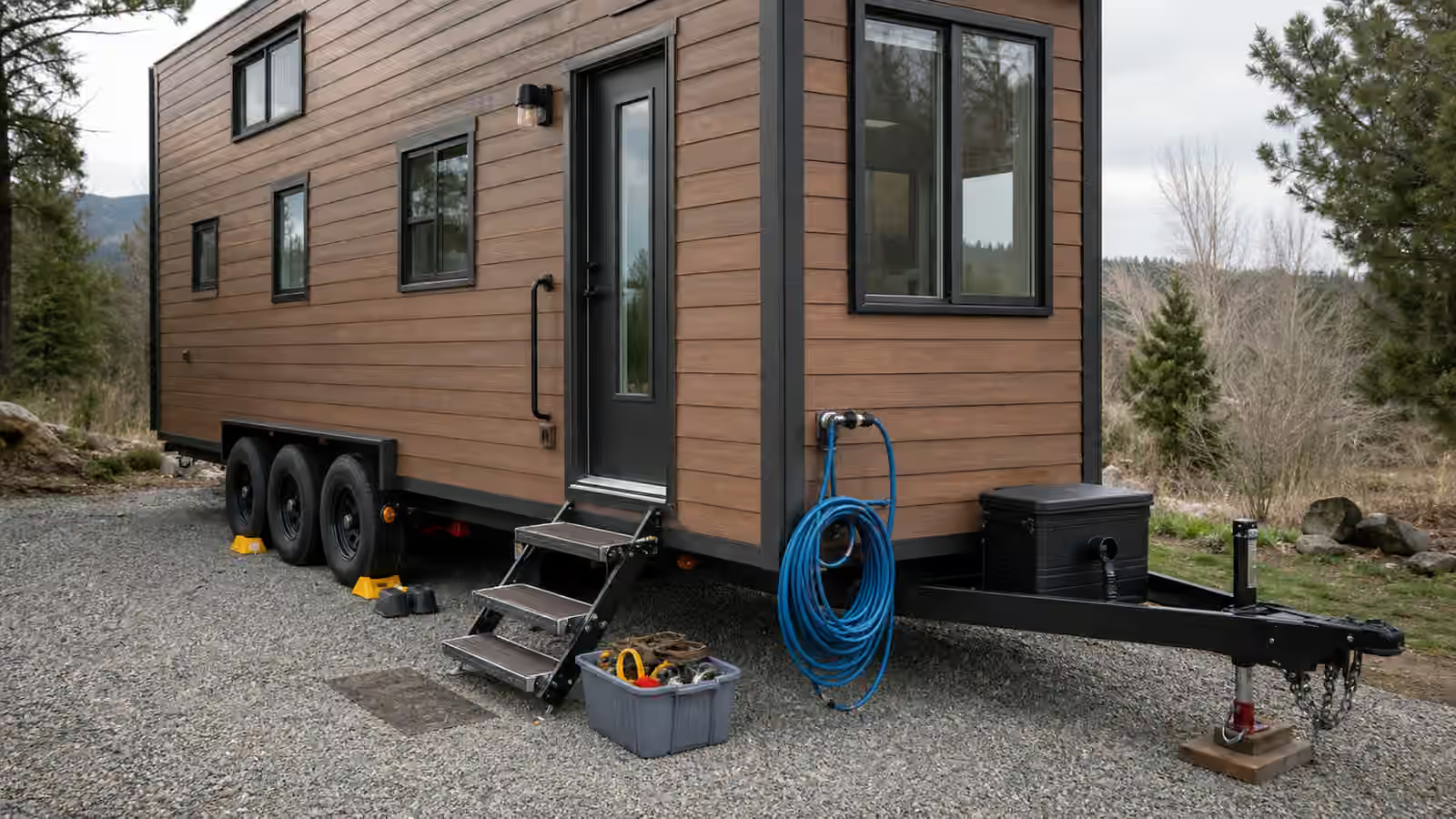
A useful travel routine starts by naming the parked elements that must be removed, folded, drained, latched, or carried separately. The category includes obvious items like stairs, skirting panels, hoses, cords, outdoor chairs, and leveling blocks. It also includes quieter items like door mats that can blow away, loose solar accessories, porch hooks, shade hardware, exterior lights, and anything stored under the trailer. If a deck or step was designed as a modular piece, travel day becomes easier. If it was improvised around the home, the first move may reveal that the attachment is more permanent than anyone intended.
This is why travel readiness should influence outdoor design from the beginning. A tiny home that never moves can accept different compromises than a THOW that may relocate seasonally or when a lease changes. The question is not whether the house must always look like it is about to leave. The better question is whether every parked addition has a known way to separate from the home without damaging the shell, blocking the frame, or consuming an entire day of confusion.
Utilities Need a Quiet Shutdown Path
Utilities are often the most stressful part of a move because they connect the house to the site in ways that become invisible. Power, water, wastewater, propane where used, internet gear, exterior pumps, heat-trace cables, and temporary lighting may all have pieces outside the walls. If those pieces have been added one at a time, nobody may have a full picture of what has to be shut down before the wheels turn.
Start with power. The electrical inlet, shore cord, adapters, battery system, inverter, charge controller, exterior cable path, and any portable generator setup should be understood as one system. Disconnecting should follow the equipment instructions and the design of the installation. The practical planning move is to keep cords clean, dry, reachable, and stored in one place. If the cord is always dragged through mud, wrapped around a post, or trapped behind storage, the routine will be harder exactly when the schedule is tight. Pair this thinking with Tiny Home Electrical Planning before changing any equipment.
Water deserves the same discipline. A fresh-water hose should drain, coil, and store without soaking the entry. A fill port should have a cap. A pump should not be surprised by air in the line because someone forgot the tank state. Wastewater routes should be closed, drained, capped, and cleaned in a way that matches the actual system and local rules. The guides to Tiny Home Water Systems and Tiny Home Wastewater and Graywater Planning cover the systems themselves. Travel readiness adds the habit of leaving no mystery at the connection point.
Inside the Home, Everything Becomes Cargo
The interior of a parked tiny home is a room. The interior of a moving tiny home is cargo space. That change is easy to underestimate because the objects are familiar. A cutting board on the counter, a plant in the window, a kettle on the stove, a basket on a shelf, or a lamp beside the bed may feel settled until braking, turning, vibration, and road shock ask different questions.
Good travel stowage is not only about preventing broken dishes. It protects cabinets, plumbing, walls, appliances, and the trailer balance. Heavy objects should travel low and secured. Loose tools should not share a cabinet with fragile plumbing. The refrigerator should be latched according to its design. Drawers should not open into the aisle. Pocket doors, ladder hooks, fold-down tables, wall beds, and under-stair storage need a road position, not just a daily position.
The most reliable interior routine is the one that is easy to repeat. If every move requires inventing storage locations, the owner will miss something. Give travel hardware a home. Keep the most awkward loose items together. Store fragile items in containers that fit their actual cabinet space. Avoid turning the tow vehicle into a random overflow zone because that creates its own weight, visibility, and access problems. Tiny Home Storage Planning is useful here because a calm storage plan makes the road version of the house much easier to prepare.
The Exterior Needs a Slow Walk
Before a move, walk the exterior as if seeing it for the first time. Look at the roof line, vents, windows, doors, utility covers, trim, lights, stabilizers, tires, frame, hitch area, safety chains, breakaway cable, license plate or required identification where applicable, and anything attached after the original build. The goal is not to perform professional inspection without training. The goal is to notice ordinary problems before the road magnifies them.
Pay attention to the parts that have been still for a long time. Tires age while parked. Fasteners loosen. Skirting hides damp corners. Steps settle. A porch roof or awning may have changed how water moves near the wall. A branch may now touch the roof. A storage bin may have crept into a clearance zone. The Tiny Home Maintenance guide covers seasonal rhythm; travel day turns that rhythm into a focused departure check.
Weather matters too. A move after heavy rain may involve soft ground, slick steps, and muddy utility hardware. A move after freezing weather may involve brittle hoses or trapped ice. A move in hot weather may put extra stress on tires and people. The safest answer to every condition is not always to continue with the plan. Sometimes the mature travel decision is to slow down, call the hauler, adjust the schedule, or solve the site problem before asking the home to move.
Arrival Is Part of the Same Routine
Travel readiness does not end when the tiny home reaches the next site. Arrival is where rushed departures become visible. If the leveling blocks are buried under bedding, setup slows down. If the water hose was packed wet into a closed bin, the first utility connection feels unpleasant. If the power cord was coiled carelessly, the inlet becomes a wrestling match. If the destination pad was not ready, the home may sit in the wrong place while everyone argues about slope and access.
A good arrival routine starts before departure. Confirm the route into the site, the turning space, the pad, the drainage, the utility side, the step or temporary landing, and the place where removed travel gear will live. Site Prep and Setup is the stronger guide for that work. The travel-day lesson is to make departure and arrival part of one story. The house should not be fully packed for the road in a way that hides the first things needed after the road.
Once placed, give the home time before assuming everything is normal. Open the doors and windows. Look at cabinet latches. Check visible plumbing and exterior connections. Listen for new rattles. Inspect the hitch and frame area after the move. Confirm that steps are stable before daily traffic resumes. The first evening in a new spot should not depend on pretending the trip had no effect.
Keep the Record With the House
Every move teaches something. A tight turn, a low branch, a hose that was too short, a cabinet that opened, a tire that needed attention, a pad that drained poorly, or a setup tool that went missing should become part of the home record. That record does not need to be elaborate. A few photos, notes, weights where available, hauler contact information, and a list of travel hardware can make the next move calmer.
This connects to Tiny Home Insurance and Documentation Readiness because a mobile tiny home depends on evidence as much as memory. The owner who can explain the trailer, show maintenance records, identify utility routes, and describe the last successful move is in a better position to plan the next one. A tiny home on wheels stays more useful when road readiness is not treated as an emergency project. It becomes an ordinary part of ownership: quiet, documented, and ready enough that moving day can be careful instead of frantic.