Waste Takes Space Before It Leaves
Tiny home waste planning sounds unglamorous until the first week of living proves how visible it is. A single takeout container can occupy the whole sink edge. A small trash can can fill before dinner is over. Cardboard from deliveries can block the entry. Food scraps can smell faster because the air volume is small and the bin is close to the bed, desk, and sofa. The waste is not larger than in another home. The room available to ignore it is smaller.
This guide belongs near Tiny Home Kitchen Design , Tiny Home Storage Planning , Tiny Home Pantry and Grocery Planning , and Tiny Home Pest Prevention and Sealing . The kitchen creates much of the waste. Storage decides where it pauses. Grocery habits decide how much packaging enters. Pest prevention reminds us that scraps and gaps are connected.
The goal is not to make waste beautiful. It is to make it short-lived, contained, and easy to remove. A tiny home should not require constant tidying to avoid smelling like yesterday’s dinner. It should give waste a route that fits the actual household.
Start With the Waste You Actually Make
The right waste system depends on behavior. A person who cooks dry goods from bulk jars creates different waste than a household that receives frequent packages. A pet-friendly tiny home has litter, food bags, hair, and waste bags. A remote worker may produce shipping materials and printer supplies. A family may generate snack wrappers and school papers. A gardener may want compost. A frequent traveler may need a system that can be emptied quickly before leaving the home closed for a while.
Many tiny home designs pretend that one little cabinet bin solves everything. It rarely does. Waste has categories, and each category behaves differently. Wet food scraps smell and leak. Dry recycling is bulky. Glass is heavy and noisy. Cardboard is flat only after someone breaks it down. Compost wants air, temperature awareness, and a destination. Bathroom waste needs privacy and regular removal. Hazardous or special waste, such as batteries or certain cleaners, needs separate handling according to local guidance.
Before building cabinets, watch a normal week. Notice where waste appears first. Coffee grounds may start at the counter. Vegetable scraps start at the cutting board. Packaging starts at the entry. Lint starts near laundry. Pet waste starts wherever the pet routine lives. The bin should be close enough to the routine that the clean choice is the easy choice.
Small Bins Work Only With Short Intervals
Tiny homes often use small bins because large bins are hard to hide. That can work well if the emptying interval is short and realistic. A small lidded kitchen bin emptied daily may be cleaner and calmer than a larger bin that sits for a week. A narrow recycling container may be enough if cardboard is flattened immediately and taken outside often. The problem comes when a small bin is chosen for appearance while the service routine still behaves like a full-size house.
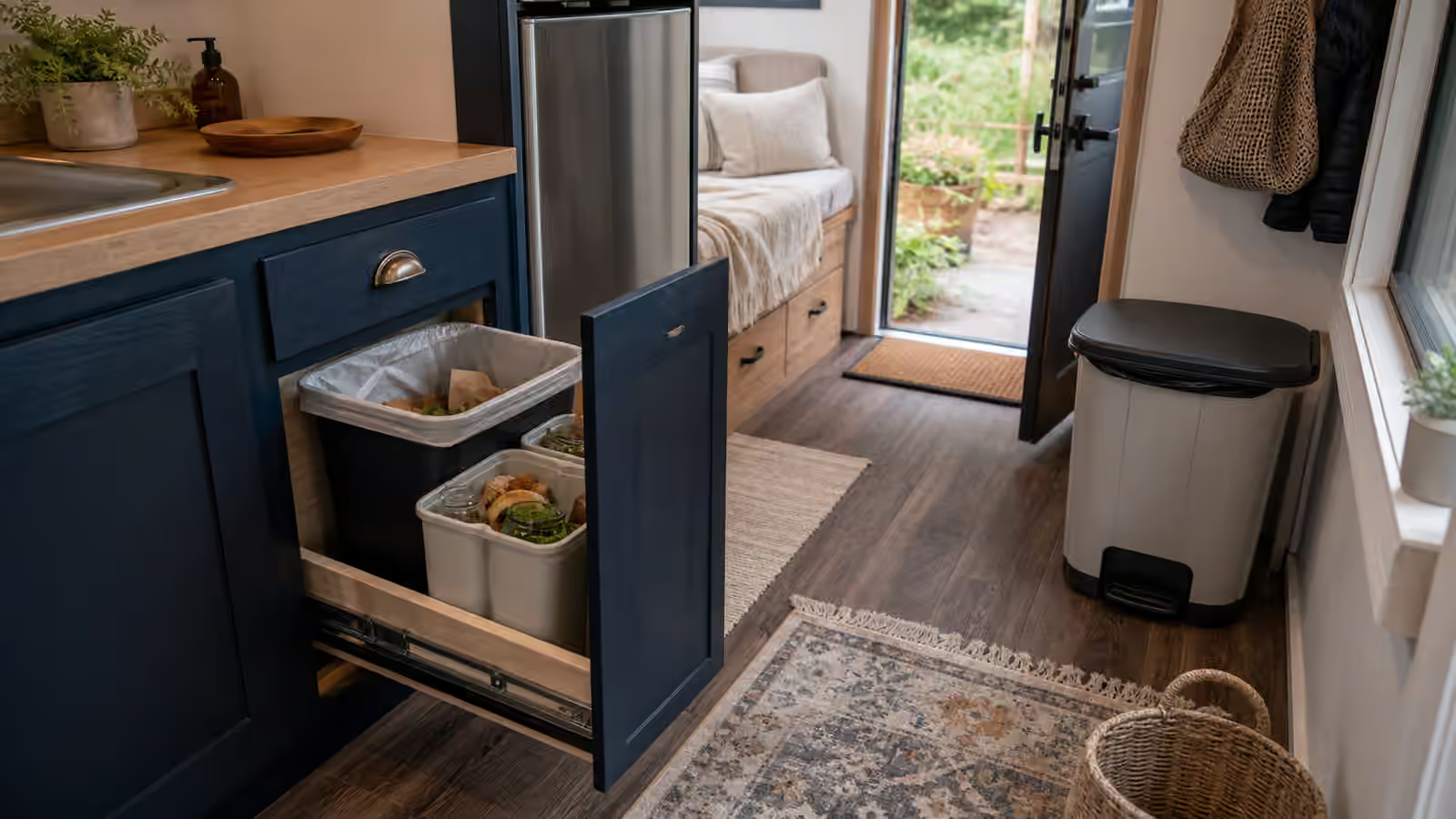
Think of bin size and removal frequency as one decision. A two-gallon food-scrap container near the prep area is not a failure if it is emptied often and cleaned easily. A hidden pull-out bin is not a success if it overflows behind a cabinet door and makes the whole kitchen smell stale. In a tiny home, the most honest system is usually visible in use and easy to reset.
The container itself matters. Smooth washable surfaces beat fussy baskets for wet waste. Lids help with smell and pets, but they should not be so awkward that people leave scraps beside the bin. A liner may make sense for some waste streams and not others. If a bin sits inside cabinetry, the cabinet should tolerate occasional leaks, cleaning, and airflow. A pretty wood box around damp trash can become a problem if it traps moisture.
Packaging Starts at the Door
Deliveries, groceries, and bulk purchases can overwhelm a tiny home before anything is consumed. The entry is where packaging either gets controlled or spreads. If boxes come inside and land on the kitchen counter, the counter becomes a recycling station. If mail and packing paper sit on the dining bench, the bench stops being seating. If grocery bags have no landing place, food sorting blocks the only aisle.
A small entry routine helps. There should be a place to set a package while opening the door, a place to break down or flatten clean cardboard, and a path to the recycling destination that does not cross the whole home dripping rain or dirt. This connects to Tiny Home Entry Mudroom and Drop Zone Design and Tiny Home Mail and Delivery Planning . The threshold is not only about coats and keys. It is where outside materials become indoor clutter.
Grocery planning also changes waste. Buying oversized packages may save trips, but it can create storage pressure and extra packaging volume. Buying loose produce may reduce packaging but increase food-scrap handling. Prepared foods may reduce cooking cleanup while adding containers. None of these choices is morally simple in every household. The useful question is practical: can the home store, use, and remove the waste created by the shopping pattern?
Odor Control Is Mostly Source Control
Odor in a tiny home moves quickly because the kitchen, bed, work area, and entry are close. The first solution is not fragrance. It is reducing the time wet waste sits indoors, keeping bins clean, separating problem materials, and making ventilation part of cooking and cleanup. Perfume over a dirty bin only creates a more complicated smell.
Food scraps deserve special attention. Coffee grounds, onion skins, fish packaging, meat trays, melon rinds, and damp paper can change the air quickly. If composting is part of the household, the indoor container should be sized for the actual emptying routine and the outdoor or shared compost destination should be legitimate for the site. If composting is not available, a sealed short-term container and frequent removal may be better than pretending a countertop pail will solve the problem.
Bathroom and pet waste need equal honesty. Small homes make privacy and odor overlap. A lidded bathroom bin, a pet waste station near the actual exit route, and cleaning supplies stored close to the routine can prevent small messes from becoming household events. Tiny Home Pet-Friendly Design is relevant because pet routines need storage, washing, and disposal paths just like human routines do.
Outdoor Storage Should Not Invite Problems
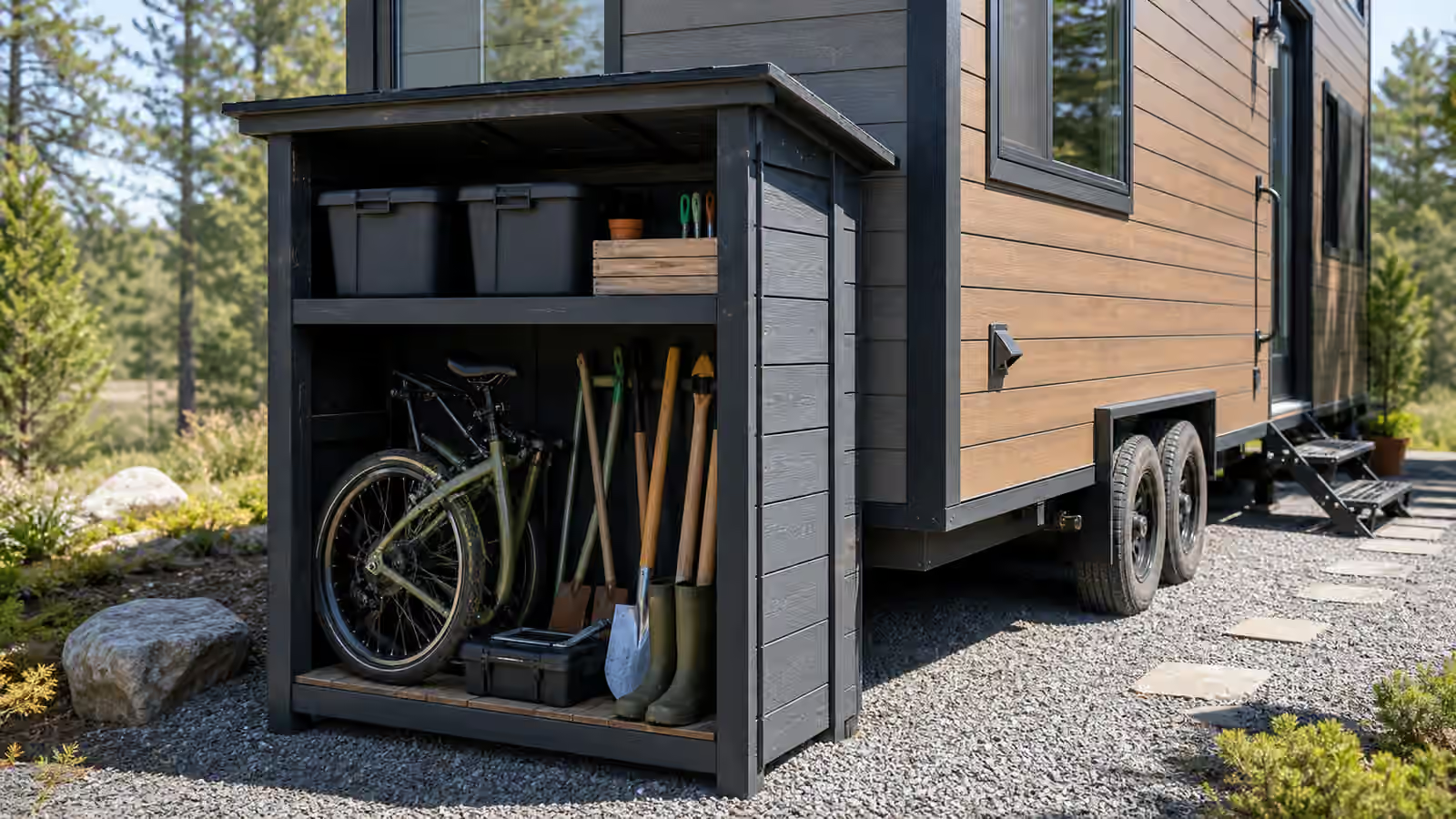
Moving waste outside is not the same as solving it. Outdoor bins need a location that is reachable, protected enough for the climate, compatible with local collection or hauling, and not pressed against the tiny home shell. A bin tucked under a window can bring smell and insects back inside. A bin beside the only step can make every arrival unpleasant. A bin stored under a deck can hide leaks, pests, or windblown debris.
The outdoor location should respect drainage, wildlife pressure, neighbors, service access, and visibility. In some places, waste must be secured against animals. In others, the bigger issue is wind, heat, snow, or a long carry to a shared dumpster. The Tiny Home Outdoor Living guide covers outdoor rooms; waste storage is one of the working edges that should be planned before the deck and plantings make it awkward.
If the home is on wheels, waste hardware should not block travel prep. Bins, compost buckets, recycling crates, and cleaning gear need a parked position and a moving position. A deck box full of recycling that sits in front of the hitch will become a problem on the day the house needs to leave.
Make the Reset Easier Than the Mess
A tiny home waste routine succeeds when the reset is short. After cooking, scraps move once. Recycling has a dry place. The trash bin can be wiped. The entry can absorb a package without surrendering the floor. Outdoor bins can be reached in bad weather. Special waste has a temporary home that does not become permanent clutter.
This is less about minimalism than about rhythm. The household may still cook, host, keep pets, receive packages, garden, repair things, and live a full life. The difference is that the waste path is designed instead of improvised. In a small home, anything without a path becomes visible quickly. Give waste a path that is short, cleanable, and honest, and the whole interior feels calmer after ordinary days.