Readiness Starts With the Site
A tiny home concentrates ordinary house problems into a smaller shell. Wind pushes on a tall light structure. Rain reaches the same few thresholds again and again. A power outage affects heat, cooling, pumps, internet, lighting, and cooking in the same compact interior. The answer is not to treat every storm as a catastrophe. The better approach is to make the house and site easier to understand before bad weather turns small frictions into urgent problems.
This guide is general planning, not a substitute for local emergency guidance, building codes, professional engineering, or evacuation orders. Weather risks vary by region. A wooded wet site, a high desert pad, a coastal lot, a snowy valley, and a hot rural property all ask different questions. The evergreen work is to know the exposure, keep the shell inspectable, protect utility routines, and avoid relying on improvised fixes when the home is already under stress.
Use this guide with Site Prep and Setup , Tiny Home Foundations and Anchoring , Tiny Home Exterior Envelope , and Tiny Home Electrical Planning . Those pages handle ground, attachment, water shedding, and power design. Storm readiness ties them together as a lived routine.
Water Should Have a Planned Path
Rain is often the first test because it is ordinary. A small roof can still deliver a lot of water to the same drip lines. A short wall can still rot if splash, leaf buildup, or a deck traps moisture against it. A tiny home on wheels may sit above grade, but the pad below it can still hold puddles that feed damp skirting, soft ground, musty storage, and awkward utility access.
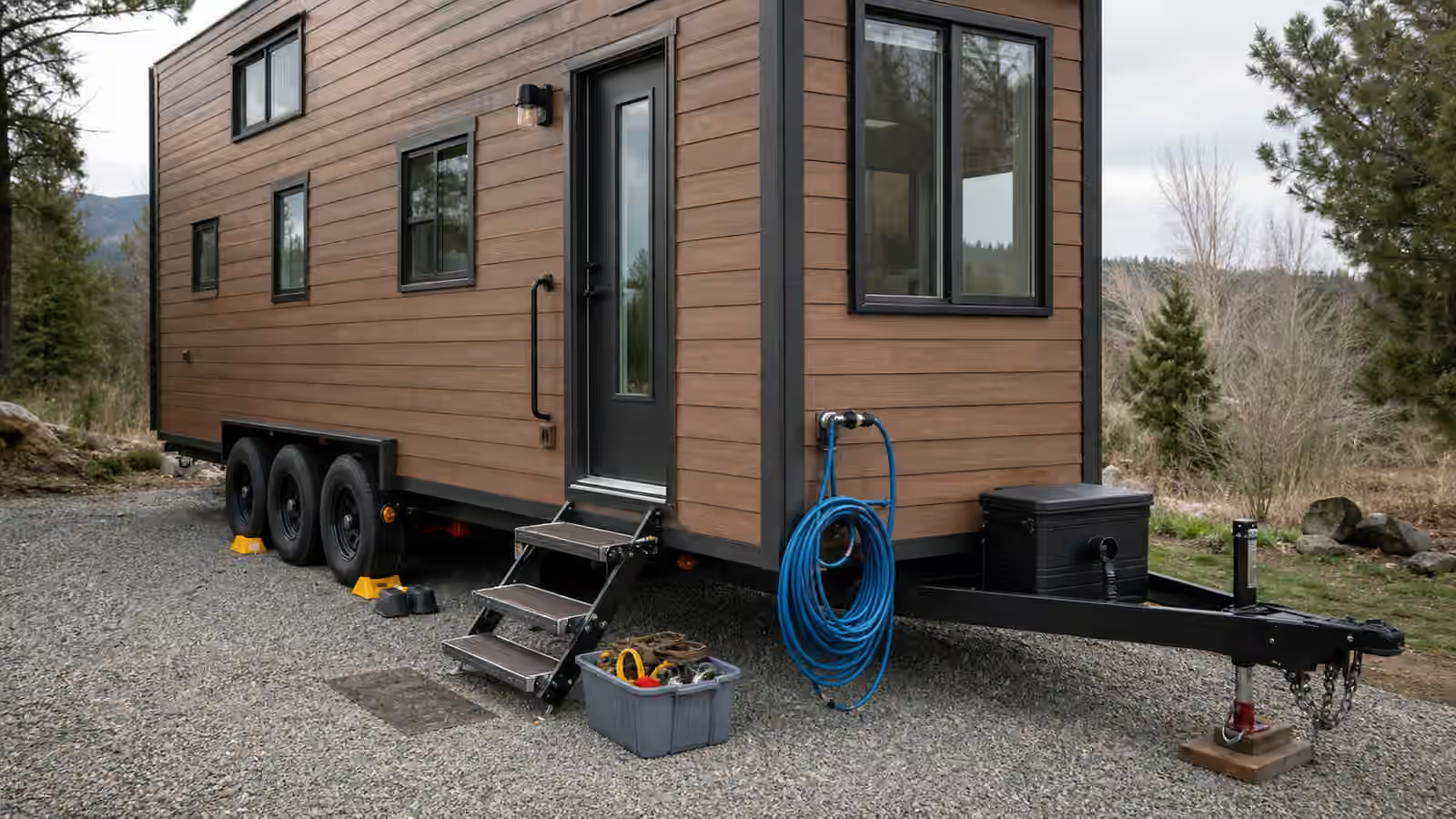
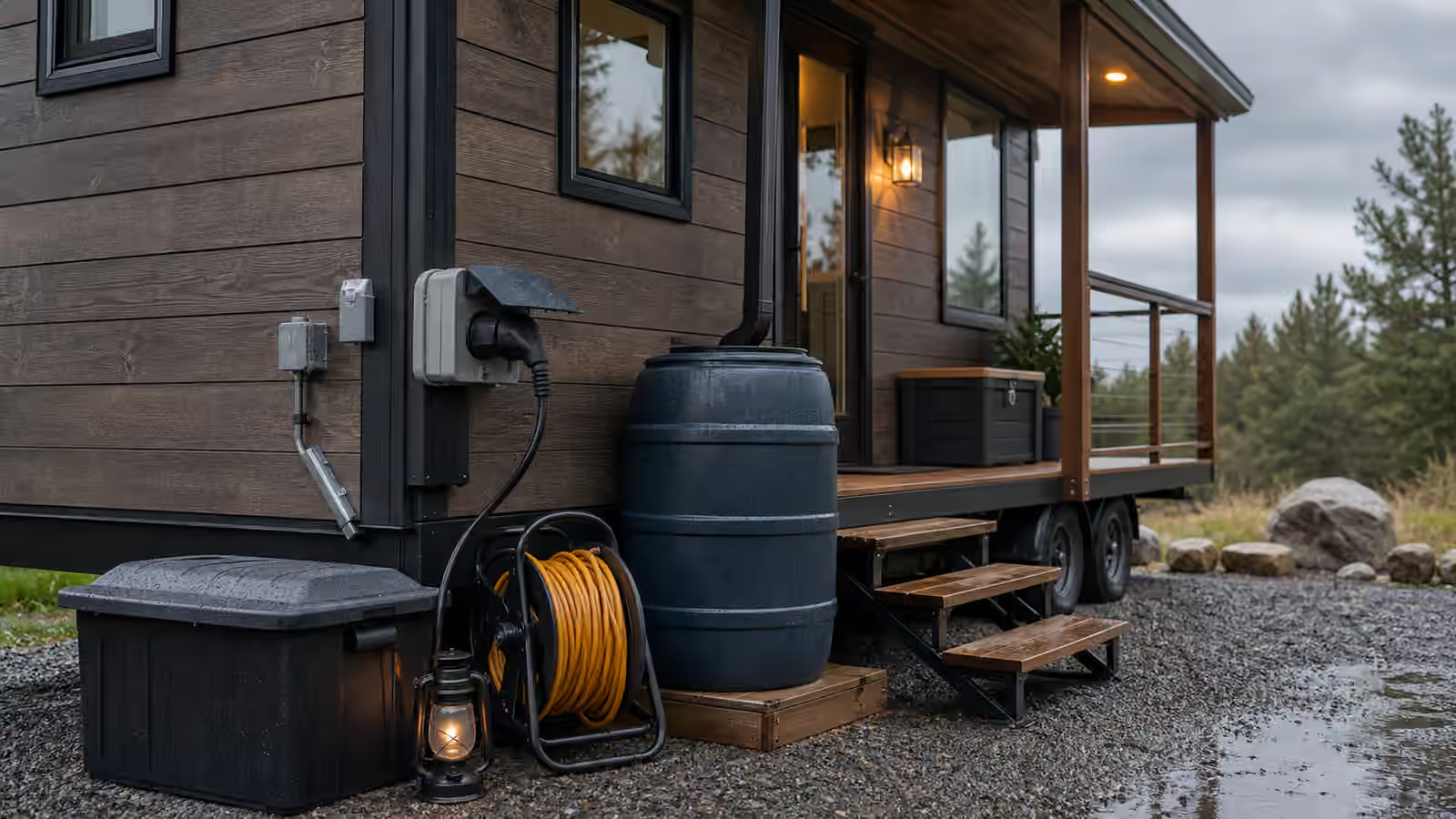
Walk the site during or just after rain if you can do so safely. Watch where roof water lands. Look at the base of steps, deck posts, skirting edges, stabilizers, wheel wells, utility pedestals, and the path to parking. Notice whether water flows away from the home or collects under the exact place someone needs to stand while connecting a hose. The drainage lesson from site prep becomes more concrete during a storm because every low spot announces itself.
Gutters, splash blocks, gravel edges, swales, rain chains, or other water-handling details may help when they are compatible with the home and site. The right answer depends on climate, mobility, maintenance, and local expectations. What matters is that water is not left to find its own hidden path through siding joints, door sills, skirting seams, or underfloor cavities. The exterior guide explains why water logic beats decorative confidence. Storm readiness makes that logic part of the owner’s routine.
Wind Exposure Is About Attachments and Loose Things
Wind does not only test the home. It tests everything attached to it and stored around it. A shade sail, awning, porch curtain, loose step, deck umbrella, storage lid, lightweight planter, exterior mat, or temporary skirting panel can become the weak part of the system. A tiny home may be well anchored while the objects around it still create damage or block access.
Start with the items that can move. Outdoor furniture needs a storage plan. Awnings need a clear rule for when they are retracted or removed. Lightweight covers should not depend on wishful tie-downs. Deck boxes should latch. Propane cylinders, if present, should be stored and secured according to the equipment requirements and local rules. Tools should not live on the ground because they were used yesterday.
The larger structural conversation belongs with qualified local professionals and the guide to Tiny Home Foundations and Anchoring . A THOW, a foundation tiny home, and a tiny home in a community may all have different requirements. From the owner’s perspective, the useful habit is to keep attachment points visible, records findable, and exterior changes honest. Adding a porch roof, solar rack, storage box, or shade system changes how wind and water meet the home. Treat those additions as part of the house, not accessories floating outside responsibility.
Outages Reveal Hidden Dependencies
Power loss can feel larger in a tiny home because systems overlap. A pump may need electricity for water. A fan may be part of moisture control. A refrigerator may hold most of the food because pantry space is limited. Internet may support remote work, security devices, weather updates, and communication. Heating or cooling equipment may depend on power even when the fuel source is separate.
The readiness question is not simply whether there is a backup device. It is what the home can still do without its normal power path. Can the resident see the steps and entry? Can the door lock be operated without a smart feature? Can essential devices charge? Can the water system be shut off if a pump behaves strangely? Can the refrigerator stay closed and still leave enough no-cook food for the first stretch? Can ventilation be managed safely within the limits of the equipment and weather?
Backup power should be planned through the lens of loads, ventilation, fuel handling, noise, theft risk, and manufacturer instructions. Portable generators and fuel-burning devices require special care because small homes are unforgiving when exhaust, fumes, or heat are handled casually. The electrical guide and Solar Power Sizing can help frame the load conversation. Storm readiness adds the operational layer: know what is essential, know how to disconnect or shut down equipment, and avoid testing the plan for the first time during a real outage.
Water, Food, and Waste Need Short Routines
A tiny home does not have much spare room for emergency supplies, so the best plan is usually modest, specific, and maintained. Water storage should match the actual household, climate, and system. Food should fit normal eating patterns enough that it gets rotated instead of forgotten. Waste handling should not assume that service, travel, or outdoor access will be pleasant during bad weather.
Fresh water planning depends on whether the home uses a grid connection, hauled water, tanks, a well, or a shared site supply. A little stored water may make sense in many homes, but it should be clean, dated where useful, and kept where it will not freeze, leak, or overload a weak cabinet. The guide to Tiny Home Water Systems is the place to understand tanks, pumps, and service access. Readiness asks what happens when the normal refill or pressure path is interrupted.
Waste also needs realism. Trash, recycling, compost, wastewater, pet waste, and hygiene supplies do not pause because the weather is poor. If the only trash plan requires a long muddy walk, waste may accumulate inside. If greywater service depends on a hose that freezes or floods, the system needs a different routine for that season. Tiny Home Wastewater and Graywater Planning covers legal and practical routing. Storm readiness keeps the service route visible and usable.
The Interior Should Be Calm in Low Light
Many storm problems inside a tiny home are not dramatic. They are small collisions in low light. A step is hard to see. A loft ladder blocks the path. A flashlight is buried under a bench. Shoes pile at the only exit. A dog leash, charging cable, or laundry basket creates a trip point. When the home is compact, one blocked aisle can affect the whole night.
Place basic lighting where people actually move: the entry, the bed route, the bathroom route, and the place where utility controls are reached. Battery lanterns, headlamps, or flashlights can be useful when they are charged and findable. Candles may look comforting, but open flames in a small interior near fabrics, wood trim, and tired people require caution. Safer lighting habits usually serve tiny homes better.
This connects directly to Tiny Home Fire and Life Safety Planning and Tiny Home Lighting Design . The goal is not to create fear. It is to make the home legible when conditions are imperfect. A calm interior is one where the exit is clear, the shoes are not in the path, the utility shutoffs are reachable, and the resident does not have to empty three cabinets to find the one thing needed in the dark.
Recovery Is an Inspection Habit
After a storm or outage, do not let relief skip inspection. Look at the roof edges, gutters where present, siding joints, window sills, door thresholds, skirting, underfloor space, utility connections, deck attachments, steps, path surfaces, and any exterior equipment. Inside, check for water stains, musty smells, unusual pump behavior, tripped protection devices, warm cords, damp storage, and items that shifted.
Document what changed. Photos and notes help future repairs and future planning. If the same corner splashes every storm, improve the water path. If a storage lid opens every windy week, replace or move it. If the power routine depends on a cord nobody can reach without kneeling in mud, redesign the route. Tiny Home Maintenance is built around this kind of seasonal awareness.
Storm and outage readiness is not one heroic purchase. It is a set of boring habits that make the tiny home easier to read under pressure. Keep water moving away. Keep loose exterior items controlled. Know the utility shutoffs. Give essential supplies real homes. Let paths stay clear in low light. Then the home has a better chance of feeling understandable when the weather is not cooperating.