The Underside Is Not Empty Space
The space below a tiny home can look like leftover volume, especially when the living area above is the part everyone photographs. It is not leftover. It is where wind attacks the floor, where plumbing is most exposed, where ground moisture tries to linger, where pests look for shelter, and where support points reveal whether the home is still sitting the way it should. If that space is ignored, the finished rooms above can feel drafty, damp, noisy, or fragile even when the interior design is careful.
Skirting is the visible part of a larger underfloor strategy. It can reduce wind washing, make the home look settled, protect pipes from direct weather, and keep debris from collecting under the trailer or foundation. But skirting can also create problems if it traps water, blocks needed airflow, hides settling, or makes service access miserable. A skirted base should not turn the underside into a sealed mystery box. It should make the underfloor zone calmer while keeping it inspectable.
This guide belongs beside Site Prep and Setup , Tiny Home Insulation and Air Sealing , Tiny Home Water Systems , and Tiny Home Maintenance . Those pages cover the ground, the shell, the plumbing path, and seasonal care. Here the focus is the lower edge where all of those decisions meet: the band between the floor and the site.
Start With Water Before You Choose Panels
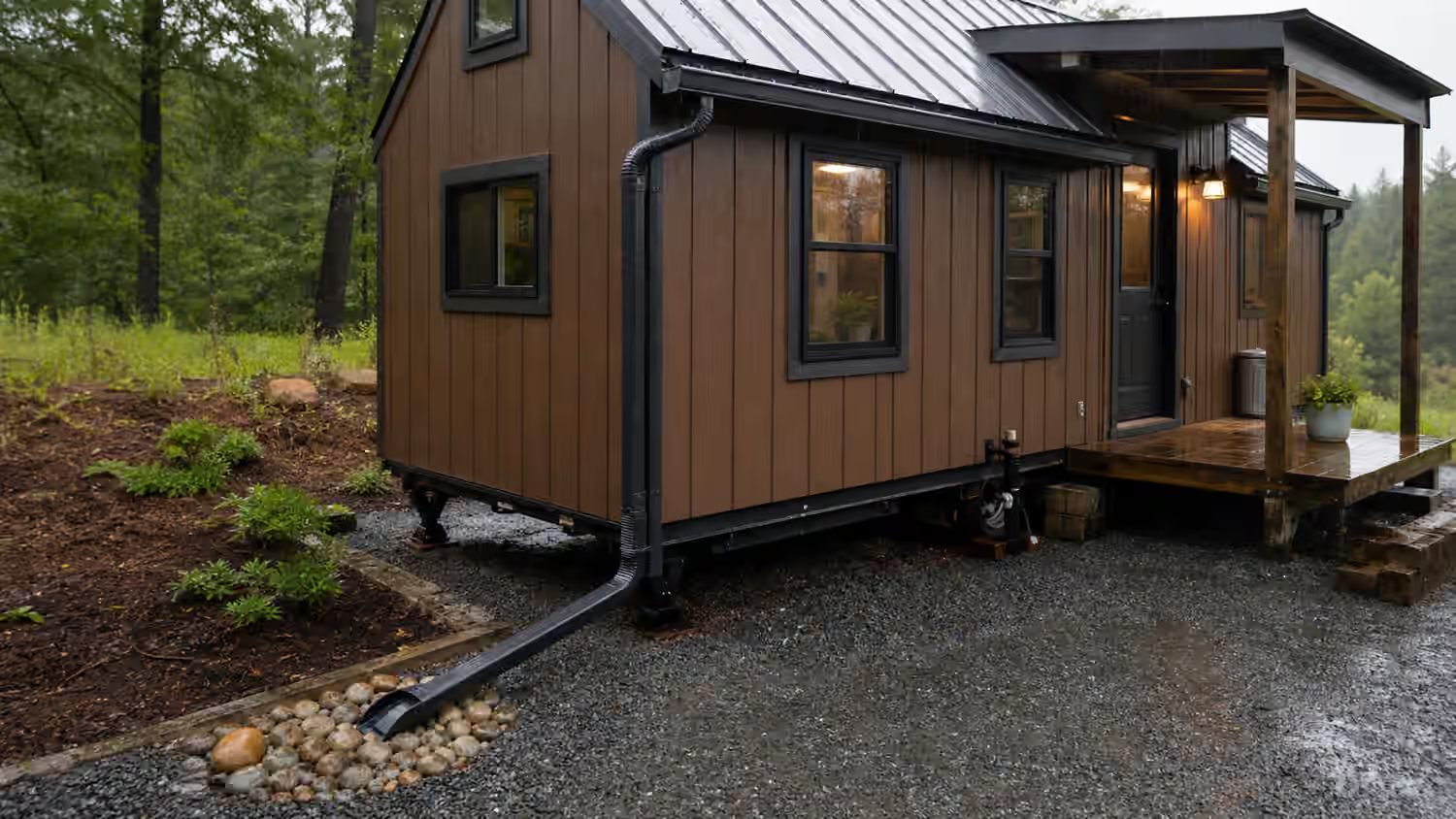
The first skirting decision is drainage. A dry underfloor area is more important than a clean visual line. If the tiny home sits on a pad that drains toward the center, skirting can hide the problem while making it worse. Roof runoff, splashback, hose leaks, snowmelt, and uphill sheet flow all need a path away from the home before panels go on. Otherwise the skirt becomes a wind break around a damp pocket.
Good site preparation gives skirting a fair chance. Gravel, a slight crown or planned slope, downspout extensions, and clear drainage routes matter more than the panel material itself. A beautiful skirt installed over muddy soil will still smell damp, encourage corrosion, and make every inspection unpleasant. A plain removable skirt over a dry, stable pad often performs better than a polished skirt that traps water against the base.
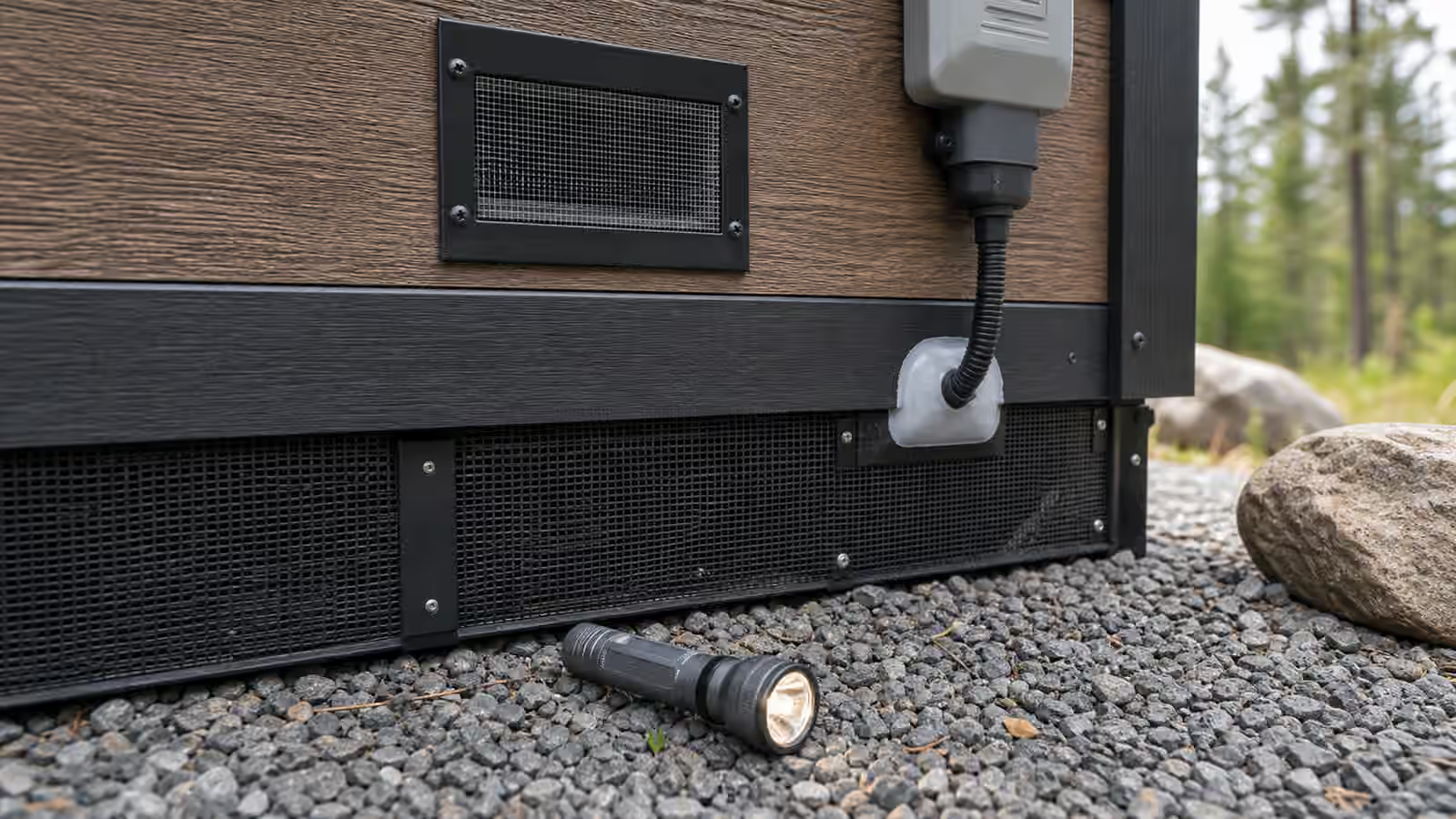
The bottom edge deserves special attention. Some skirting systems sit directly on the ground. Others stop slightly above grade and use a separate trim, flashing, or flexible closure. The right detail depends on climate, pests, snow, movement, and whether the home may be relocated. What matters is that the bottom edge does not wick water, rot where it touches soil, or block drainage. In wet climates, a small gap with a durable pest screen or a drained lower track may be wiser than a hard seal against the ground. In cold climates, snow and wind may push the design toward a tighter seasonal closure, but even then the ground must not become a hidden sump.
Wind Control Is Different From Airtightness
People often install skirting because the floor feels cold. That can be a useful response, but it helps to name the problem accurately. Wind moving under a tiny home can strip heat from the floor assembly and reduce the performance of fibrous insulation if the underside is leaky. Skirting calms that wind. It does not replace a good floor air barrier, proper insulation, or protected plumbing.
A tiny house on wheels is especially exposed because the trailer frame lifts the floor into moving air. If the underbelly is open, torn, or patched loosely around pipes and wiring, cold air can reach places the interior heater cannot help. Skirting may reduce the speed of that air, but the floor assembly still needs its own logic. The Tiny Home Insulation and Air Sealing guide covers that shell work in more detail. Skirting should support the shell, not serve as the only shell.
This distinction matters in summer too. A skirt that blocks every breeze under a humid home can slow drying. A skirt that is full of uncontrolled gaps may do little in winter. The practical answer is usually controlled openings rather than random leakage. Vents, screened gaps, removable panels, and seasonal adjustments can let the underfloor area breathe when it needs to dry and stay calmer when cold wind is the main problem.
Ventilation Needs a Reason, Not a Guess
Underfloor ventilation advice can sound contradictory because different homes sit in different climates and on different foundations. A foundation crawlspace, a skirted tiny house on wheels, a seasonal cabin, and a park model with insulated panels do not behave exactly the same way. The useful question is not whether vents are always good or always bad. The useful question is what moisture source the underfloor area faces and where that moisture can go.
Ground moisture is one source. Even when the surface looks dry, soil can release vapor into a covered space. A ground vapor barrier may help in some installations, especially when paired with drainage and a durable surface above it, but it should not be used to hide standing water or poor grading. Plumbing leaks are another source. A slow drip behind skirting can feed a damp cavity for weeks if nobody can see it. Condensation is a third source, especially where cold metal, cold pipes, or cold floor sheathing meet humid air.
Vents and openings should be placed so air can actually move, not merely so the skirting looks technically vented. One small grille blocked by stored lumber will not dry a long underfloor run. Cross ventilation helps in mild and humid seasons, while cold seasons may call for closing or reducing some openings to protect pipes and comfort. Removable covers can be useful if the owner remembers to use them. If the home will be unoccupied for long periods, the default setting should be conservative for the climate and plumbing risk rather than dependent on daily adjustment.
This is where skirting connects with Ventilation and Moisture Control . Indoor moisture problems and underfloor moisture problems are different, but they often share causes: blocked drying paths, hidden cold surfaces, and systems that rely on hope instead of inspection.
Keep Plumbing Reachable and Boring
Many tiny home water problems happen near the underside because that is where lines leave the warm interior, pass through the floor, or connect to site utilities. The skirting plan should be drawn around those service points. Fresh-water inlets, drains, valves, filters, heat tape connections, pressure regulators, hose routes, and tank fittings should not disappear behind a fixed panel that requires tools, crawling, and guesswork.
Good access panels are large enough for a real repair, not just a glance. A person should be able to reach a valve, inspect a fitting, wrap a pipe, replace a short section, or dry a spill without dismantling half the base. If the home is used in freezing weather, the access panel near water service becomes more important, not less. That is the place someone will open when water stops flowing or a connection starts weeping on the coldest evening of the year.
Protection should be layered. Plumbing should stay inside the conditioned envelope whenever possible. Where it must pass through exposed areas, insulation, air sealing, heat tracing where appropriate, drain points, and clear shutoffs all matter. Skirting reduces exposure but should not be treated as a guaranteed warm room. A skirted underfloor area can still freeze during deep cold, especially if wind finds gaps, the home is unoccupied, or heat does not reach the space. The water systems page covers the plumbing side; the skirting page adds the simple rule that any vulnerable part should be visible enough to check before it fails.
Choose Materials for Abuse, Not Just Appearance
Skirting lives a hard life. It gets hit by gravel, wet leaves, string trimmers, road spray, snow shovels, animals, storage bins, and the occasional foot looking for a shortcut. Thin decorative material may look tidy for a month and then warp, crack, or stain. Heavy permanent material may be durable but difficult to remove when the trailer frame, blocking, plumbing, or leveling points need inspection. The best choice usually balances weather resistance, repairability, weight, and access.
Rigid panels can look clean and resist wind when they are properly supported. Metal panels can shed water and tolerate abuse, but sharp edges, corrosion points, and condensation deserve attention. Treated plywood or composite panels can be workable if edges are sealed and ground contact is controlled. Insulated panels can help in cold climates, but only if they are protected from water and pests and do not cover problems that should remain visible. Fabric or flexible vinyl skirting can be useful for temporary or mobile situations, though it needs secure fastening and periodic checking after storms.
For a tiny house on wheels, weight and removability matter. A skirt that makes the home feel permanent may still need to come off for towing, inspection, tire work, or frame maintenance. Heavy masonry-style bases can conflict with the mobility and service needs of a THOW unless the home is truly being settled into a long-term site with a compatible foundation plan. For a foundation tiny home, the base detail may be closer to conventional construction, but access, drainage, pest control, and drying still deserve the same discipline.
Fasteners are part of the material choice. A panel held by a dozen mismatched screws will not be opened often. A panel with clear latches, labeled locations, or a simple repeated fastener pattern is more likely to be used. The easier the panel is to remove, the more honest the maintenance routine becomes.
Do Not Hide Supports From Yourself
Underfloor protection should never make leveling and support points invisible. Blocks, piers, jacks, stands, trailer components, axles, tires, and anchoring hardware all need periodic attention. Soil settles. Gravel shifts. Frost can move supports. Wood blocking can split or soften. Metal can rust. A tiny home is small enough that a small support change may show up as a sticky door, a shower that drains poorly, or a cabinet gap that slowly opens.
Skirting should allow inspection of the load path. That may mean removable sections at each support bay, a hinged panel near the tongue and utilities, or a base design that leaves critical hardware visible from a kneeling position. If the only way to check the supports is to remove a long fragile panel on a rainy day, the check will not happen often enough.
This is closely tied to Tiny Home Weight, Balance, and Towing Readiness for mobile builds and Site Prep and Setup for all builds. The home is not just sitting on the visible surface. It is sitting on a chain of decisions that starts with soil and ends at the finished floor. Skirting should protect that chain, not conceal it.
Plan the Seasonal Routine Before Winter
Skirting is most appreciated during bad weather, but it should be planned before bad weather arrives. In fall, panels should be checked for loose fasteners, gaps, cracked vents, missing pest screening, and places where leaves or mulch have piled against the base. Water lines should be inspected while hands still work comfortably outside. Heat tape, if used, should be checked according to manufacturer guidance and connected in a way that does not create a trip hazard or a hidden electrical problem.
Winter routines depend on the home. A lived-in tiny home with protected plumbing may need only periodic checks after storms and deep freezes. A seasonal home may need full plumbing winterization, open drain points, and a skirt setting that does not trap meltwater. A home in a windy place may need extra attention to corners and lower edges. A snowy site needs space to pile snow away from vents, access panels, and exhaust clearances.
Spring is the honesty test. Open the panels. Smell the underfloor area. Look for mud lines, rust streaks, chew marks, wet insulation, sagging belly material, shifted blocks, loose pipe supports, and standing water. None of these observations requires panic. They require attention while the problem is still small. The seasonal rhythm from Tiny Home Maintenance is especially useful here because the underside rewards repetition. A ten-minute look twice a year is better than a heroic repair after two seasons of hidden damp.
A Good Skirt Makes the Home Easier to Own
The best skirting does not call attention to itself. It makes the tiny home feel more settled, keeps the floor from being scoured by wind, discourages pests and debris, softens the visual jump between home and ground, and gives vulnerable systems a calmer environment. At the same time, it opens where it should open, dries where it should dry, and lets the owner see the parts that carry weight and water.
That balance is the whole point. Skirting should not be treated as trim added after the real work is finished. It is part of the site, the shell, the plumbing plan, and the maintenance plan. Start with dry ground. Control wind without pretending the underfloor area is automatically conditioned space. Vent with a reason. Keep service points reachable. Choose materials that can be repaired. Leave supports inspectable. Then make the seasonal routine simple enough that it will actually happen.
A tiny home succeeds when its compactness makes care easier rather than harder. The underside can support that goal if it is designed as a working layer of the house. When the base is dry, calm, protected, and understandable, the rooms above get to feel steadier without asking the owner to remember what might be happening out of sight.