The Site Is Part of the Relationship
A tiny home on shared land is not only a small building. It is a neighbor, a guest, a utility user, a parking pattern, a light source, a noise source, and a set of daily habits visible to other people. The house may be beautifully designed, but shared-land living succeeds when the resident understands that the site itself is part of the relationship.
This guide is general etiquette and practical planning, not legal advice. Local rules, leases, campground agreements, community covenants, and landowner expectations vary. Use it beside Legal Requirements and Zoning , Site Prep and Setup , Tiny Home Mail and Delivery Planning , and Tiny Home Privacy and Security Planning . The legal page asks what is allowed. Shared-land etiquette asks what makes daily life workable after permission is granted.
Boundaries Should Be Visible Without Feeling Hostile
Shared land often fails at the edges. People know in theory where one area ends and another begins, but the ground does not show it. A path wanders too close to a window. A visitor parks in the wrong spot. A storage bin creeps toward a shared garden. A dog lead crosses the host’s walkway. None of these moments may be serious alone, but repeated boundary confusion makes the arrangement feel unstable.
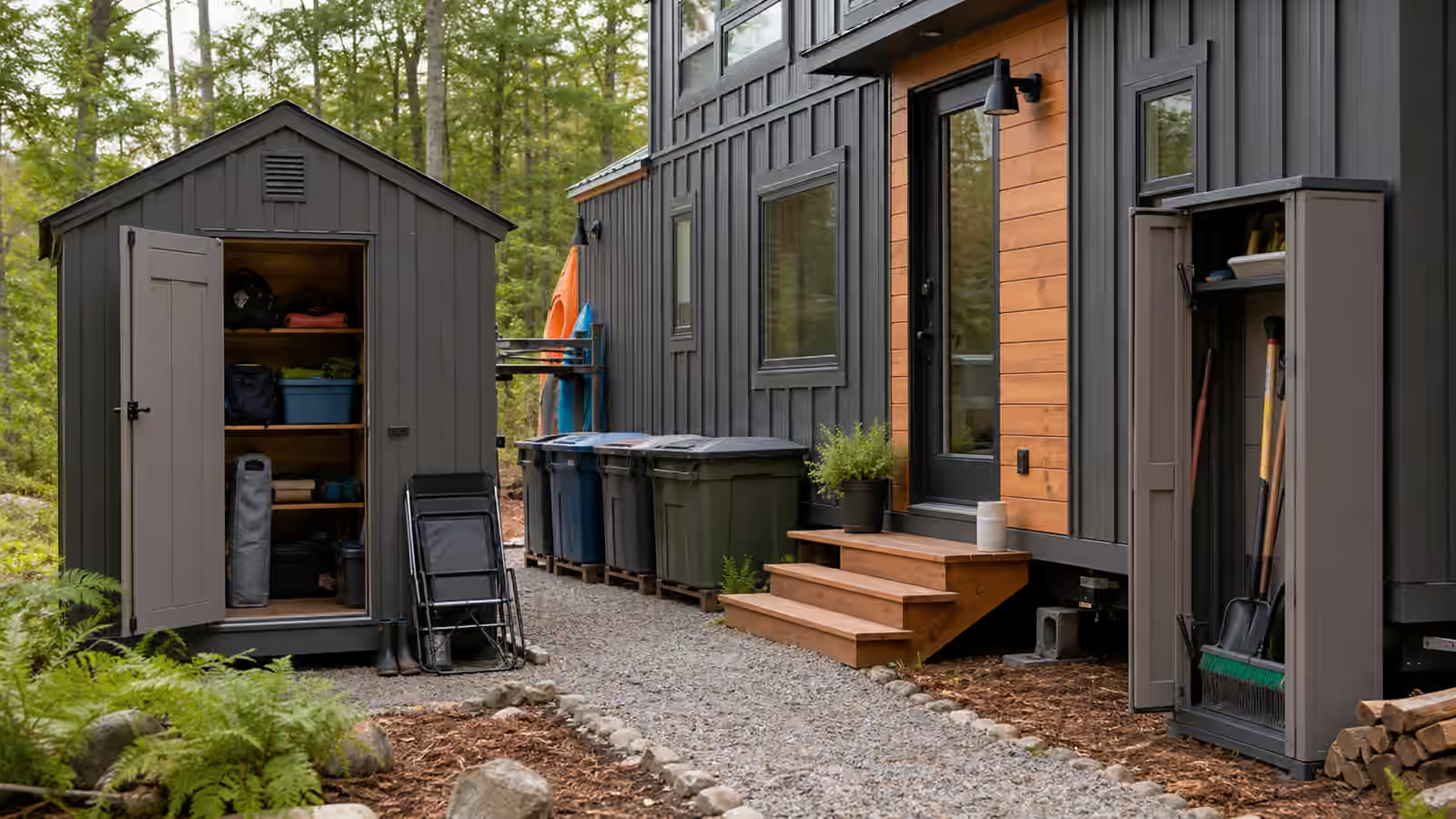
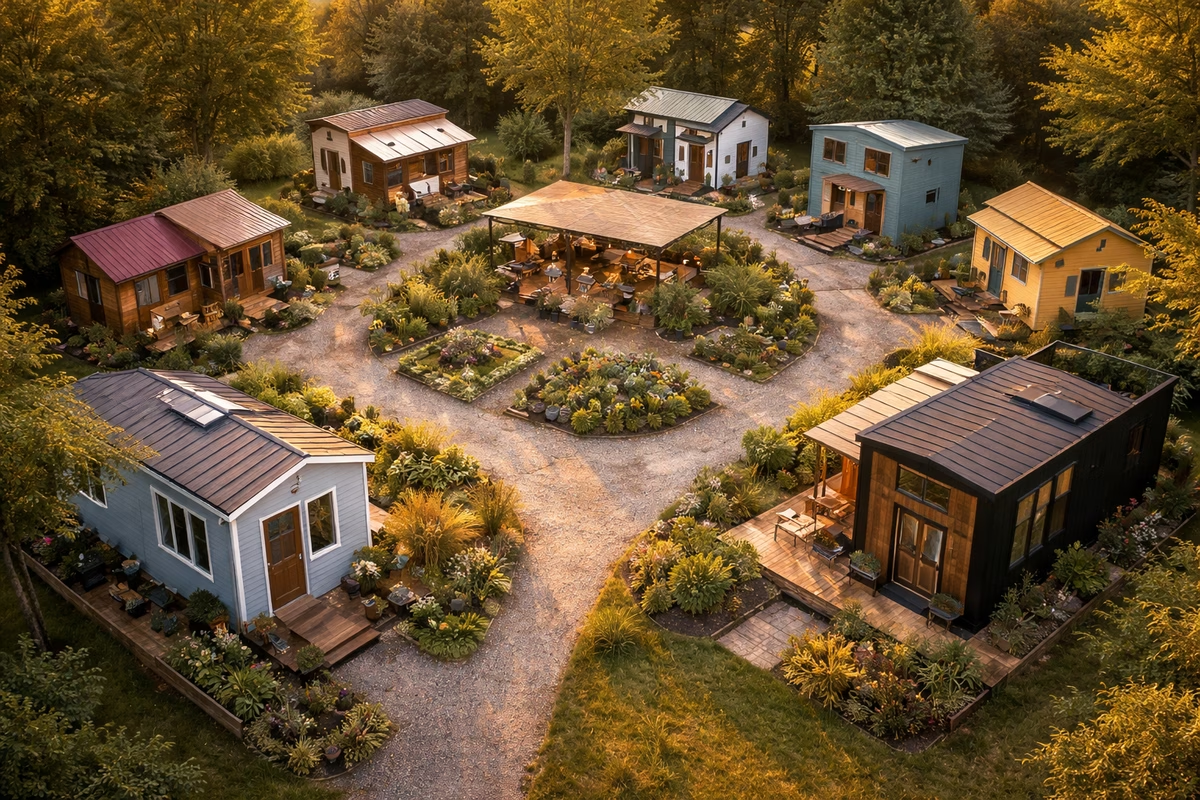
Boundaries do not have to be fences. Gravel paths, planting beds, porch orientation, lighting, mats, low edging, storage placement, and parking surfaces can all signal how the site is meant to work. The best boundaries are readable without shouting. They let guests know where to walk, where to knock, where to leave a delivery, and which area is private. They also protect the resident from feeling watched every time a neighbor crosses the property.
Windows matter here. A tiny home with large glass facing a shared path may need window coverings, planting, or a different angle. Tiny Home Window Coverings and Shading can help because privacy on shared land changes with light and time of day. A window that felt harmless during placement may feel exposed once people start using the path.
Utilities Need Clear Responsibility
Shared utilities are practical until responsibility becomes vague. Power cords, water hoses, sewer or graywater routes, internet equipment, trash pickup, propane storage where used, and exterior lighting all create questions. Who checks the connection after a storm? Who pays for damage? Who can access a shutoff? Who notices if a hose leaks? Who clears snow or mud from the utility path?
The answers should be plain before the home settles in. A tiny home resident does not need to make every conversation formal, but utility expectations deserve clarity. If power is metered, know how it is read. If water is shared, know the winter routine. If wastewater requires a service visit, know who schedules it and where the truck can reach. If internet depends on the host house, know what happens when equipment needs a reset.
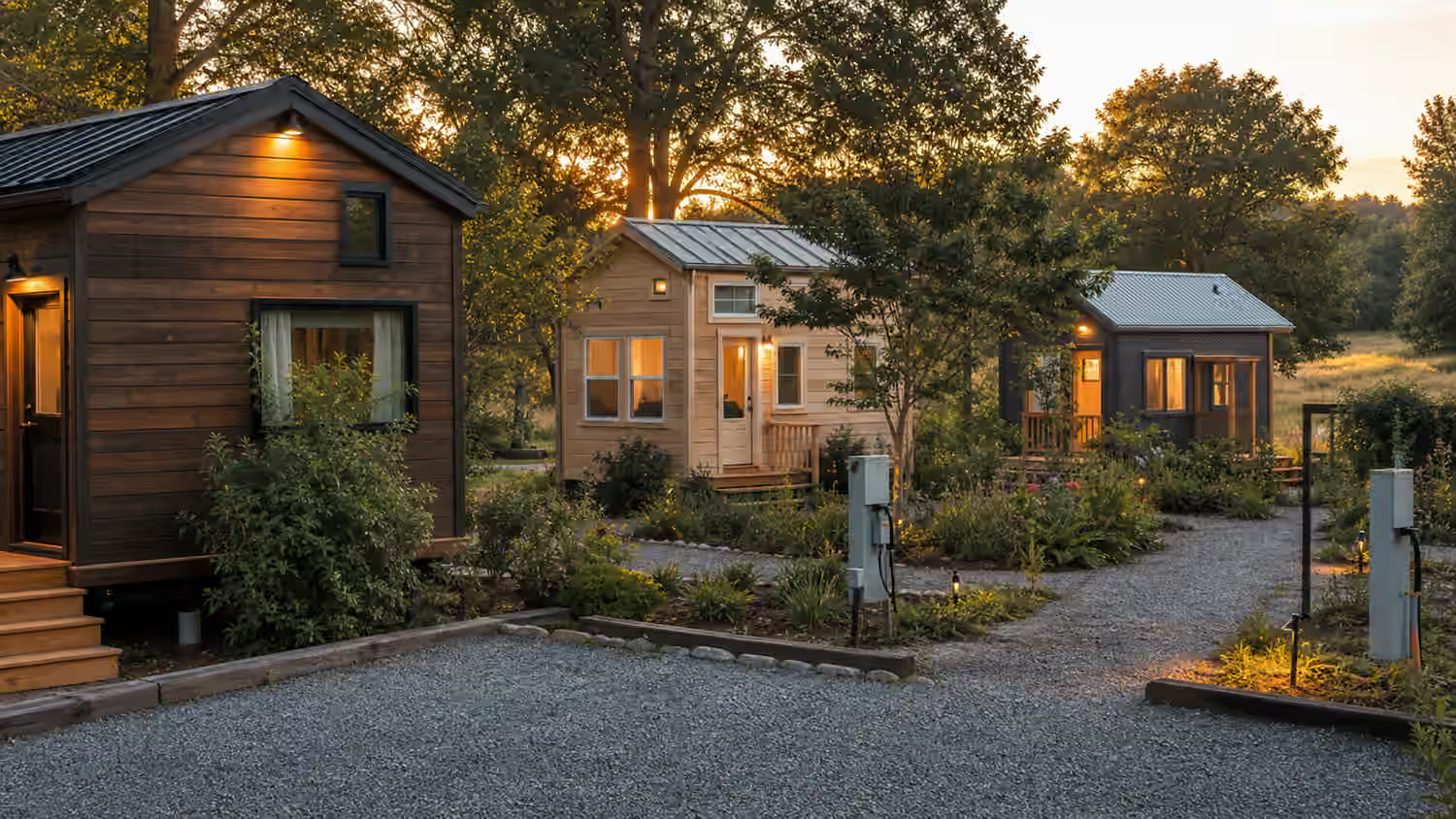
Physical layout should support the agreement. A cord running through a shared walkway invites irritation. A hose across a mowing route will be moved or damaged. A shutoff behind the resident’s locked storage may frustrate the landowner during a leak. The guides to Tiny Home Electrical Planning and Tiny Home Water Systems and Plumbing cover system design. Etiquette adds a social test: can the people sharing the land understand and reach what they are responsible for?
Parking and Deliveries Shape Daily Friction
Parking is often more emotional than people expect. A tiny home may use little interior space, but vehicles, visitor cars, delivery drivers, trailers, bikes, and service trucks still occupy land. A parking spot that blocks the host’s sightline, narrows a driveway, damages grass, or turns around near a garden can become a daily annoyance.
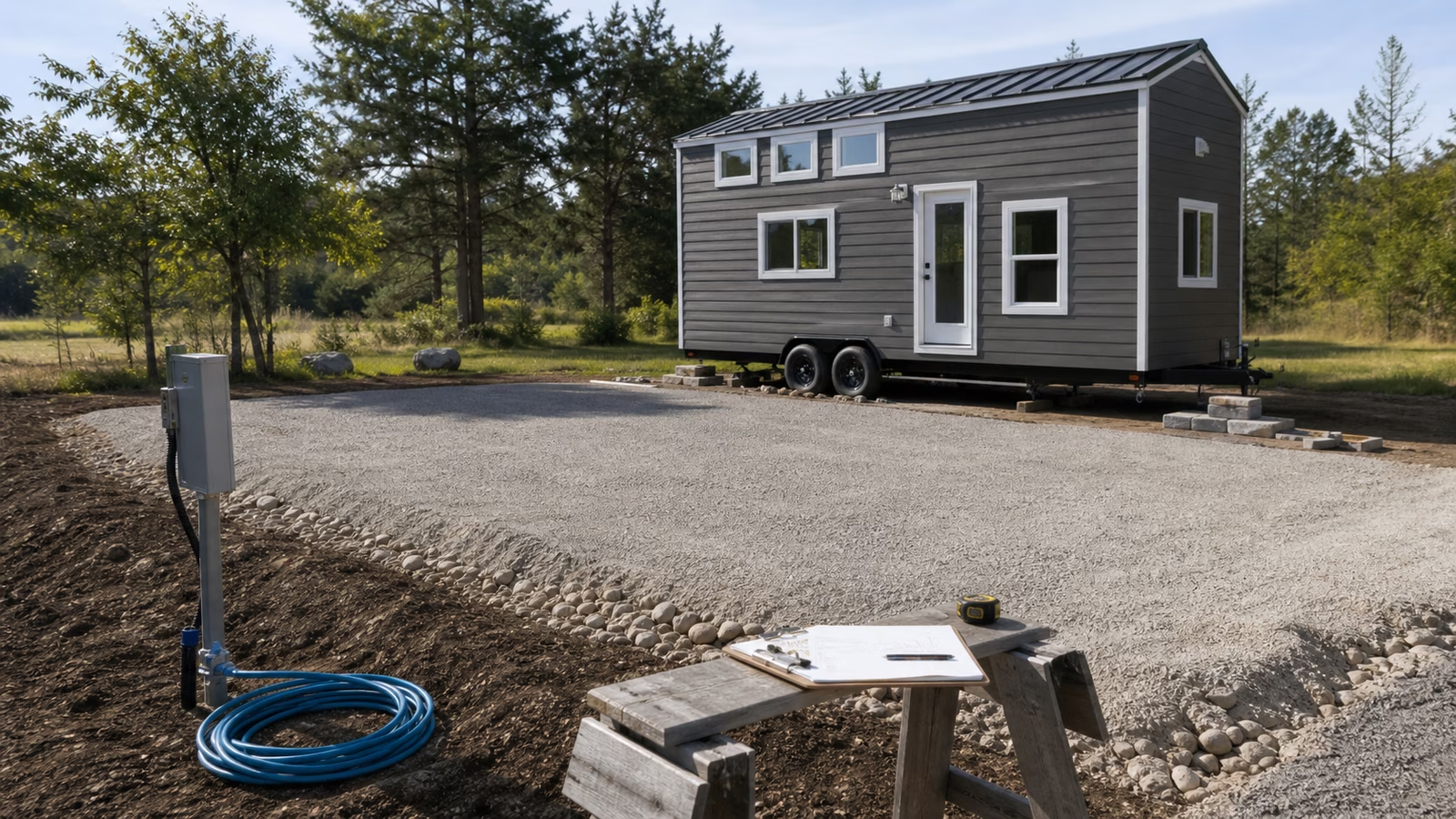
Plan parking as part of site prep. The resident should know where the usual vehicle goes, where guests stop, where a moving truck or service vehicle can reach, and where not to park after rain. A gravel pad, wheel stop, or simple edge can prevent gradual drift. If the tiny home may travel, the tow route should stay clear of permanent planters, fences, and storage. Tiny Home Travel Day Readiness is useful even for homes that rarely move because the exit path should not be forgotten.
Mail and deliveries need the same clarity. Shared addresses can confuse carriers. Packages left at a host door can create privacy and responsibility issues. A visible delivery location, weather-protected box, or agreed naming convention can reduce awkwardness. Tiny Home Mail and Delivery Planning covers the details, but shared land adds one more layer: the host should not become the resident’s accidental front desk unless that is the explicit agreement.
Noise, Light, and Smell Travel Farther Than Expected
Tiny homes encourage outdoor living because the interior is compact. That is one of the pleasures of the format. It also means ordinary life moves across the site. A heat pump, generator, porch conversation, gravel footsteps, barking pet, late door closure, outdoor speaker, or bright entry light can affect nearby people. The goal is not silence. It is awareness.
Exterior lights should aim at the ground and task area rather than into windows. A porch light that helps the resident find the lock should not become a bedroom light for the neighbor. Tiny Home Lighting Design makes the same point indoors and outdoors: light should serve the task without spilling everywhere.
Smell deserves attention too. Cooking, compost, trash, graywater, pet waste, smoke, fuel storage, and damp gear can travel. A tiny home resident may stop noticing a routine that others experience from the path. Tiny Home Trash and Recycling Routines and Tiny Home Wastewater and Graywater Planning help keep those systems from becoming social problems.
Maintenance Should Not Surprise Other People
Tiny homes need maintenance, and shared land means that maintenance may affect others. A ladder blocks a path. A contractor arrives early. A water line is shut off. A saw runs in the evening. A skirting panel comes off and exposes the underside for a weekend. A delivery of gravel changes access. These events are normal, but they are easier when people know what is happening.
Communicate before work reaches other people’s routines. If the project is noisy, name the likely window. If utility service may pause, say so early. If a contractor needs access, explain where they will park. If weather delays cleanup, acknowledge it rather than hoping nobody notices. The shared-land version of maintenance is part technical and part courtesy.
Records help. Keep contacts, equipment information, utility notes, and site agreements where they can be found. Tiny Home Service Access and Shutoff Mapping focuses on the house itself, but shared land benefits from a site map too. A simple note showing the water route, power connection, parking area, trash location, and emergency contact can prevent confusion when the resident is away.
Pets and Guests Need Their Own Etiquette
Pets can make a tiny home feel complete, but they also expand the household into the site. Leashes, waste routines, barking, scratching at doors, food storage, visiting dogs, and muddy paws all affect neighbors or hosts. A pet plan should include where the animal can be, where waste goes, where food is stored, and how the resident handles absences. Tiny Home Pet-Friendly Design covers the interior; shared land adds boundaries and neighbor comfort.
Guests create similar pressure. A friend may not know where to park, which path to use, whether to knock at the host house, or how quiet the site expects evenings to be. Give guests simple instructions before they arrive. That small courtesy protects the resident, the host, and the guest from awkward first moments.
Good shared-land etiquette is not about making tiny living invisible. It is about making it easy to share space without constant negotiation. Boundaries are readable. Utilities have owners. Parking is predictable. Light and noise are considerate. Trash and water routines are contained. Maintenance is communicated. When those habits are in place, the tiny home can feel settled without taking over the land around it.