Hidden Systems Still Need a Door
Tiny homes make clever use of furniture. A bench holds a water pump. A stair tread hides a filter. A cabinet back conceals wiring. A bed platform covers plumbing. The room looks clean because the systems disappear into built-ins. That can be elegant until something needs attention and the owner discovers that the most important parts of the home are behind stored shoes, screwed panels, heavy cushions, or trim that was never meant to come off.
Service access is the design of future maintenance. It belongs beside Tiny Home Repair Kit and Spare Parts Planning , Tiny Home Water Systems and Plumbing , Tiny Home Electrical Planning , and Tiny Home Resale and Future Flexibility . Those pages cover tools, systems, power, and ownership records. This guide focuses on reach: can someone find and work on the thing that matters without tearing the home apart?
Name the Parts Before You Hide Them
The first access mistake happens before the panel is built. A designer draws a beautiful storage wall and assumes the systems will fit somewhere behind it. Then the plumbing, electrical, batteries, valves, pump, filters, drains, heat equipment, internet gear, and monitoring devices compete for the same concealed volume. Access becomes whatever space is left.
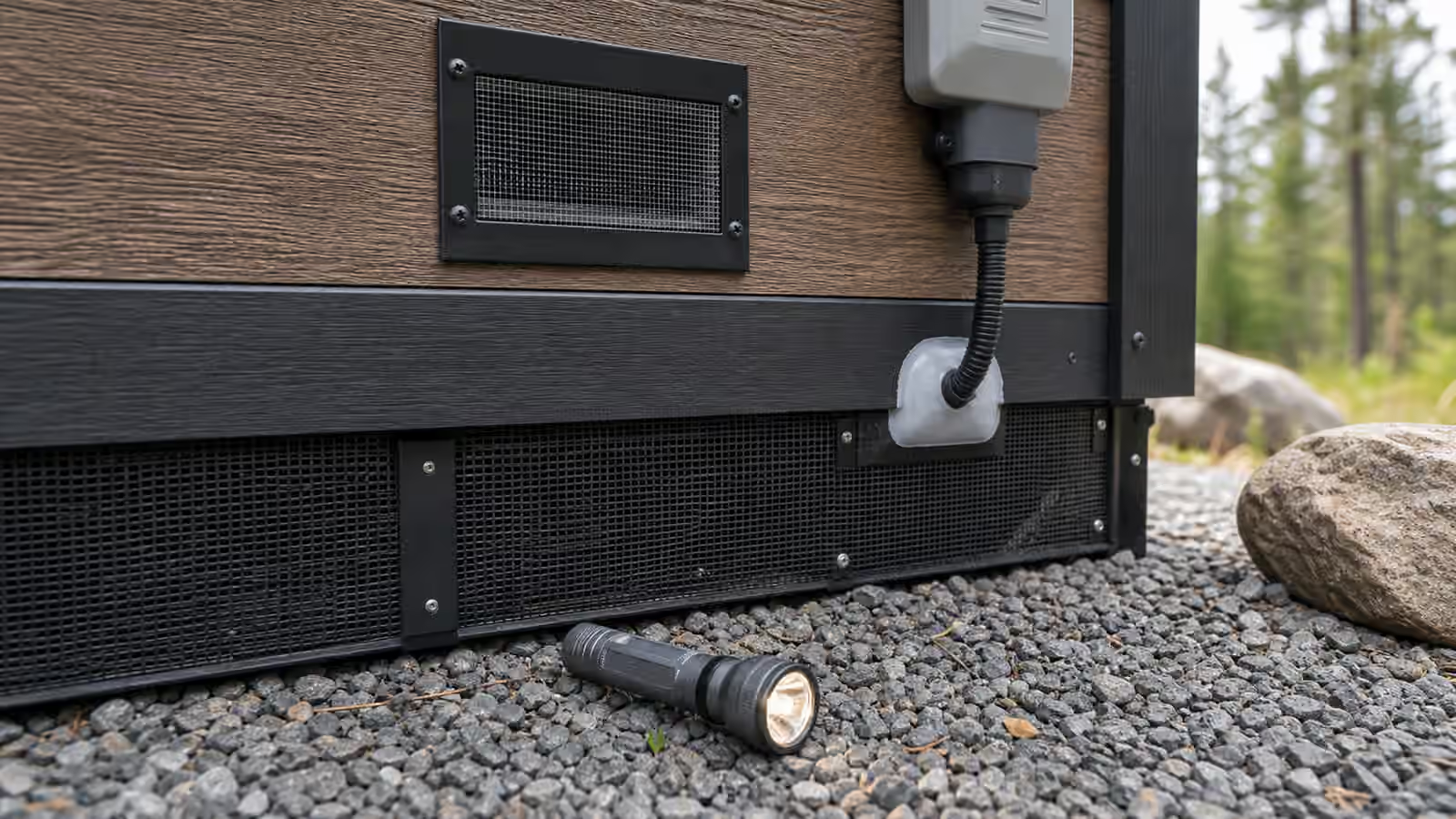
Reverse that order. Name the parts that need attention. Fresh-water shutoffs, water filters, pump strainers, drain traps, cleanouts where used, electrical panels, battery disconnects, inverter access, propane shutoffs where applicable, heat equipment filters, ventilation controls, internet equipment, and exterior utility connections all have service lives. Some need frequent attention. Some may be touched only during a problem. Both categories deserve known locations.
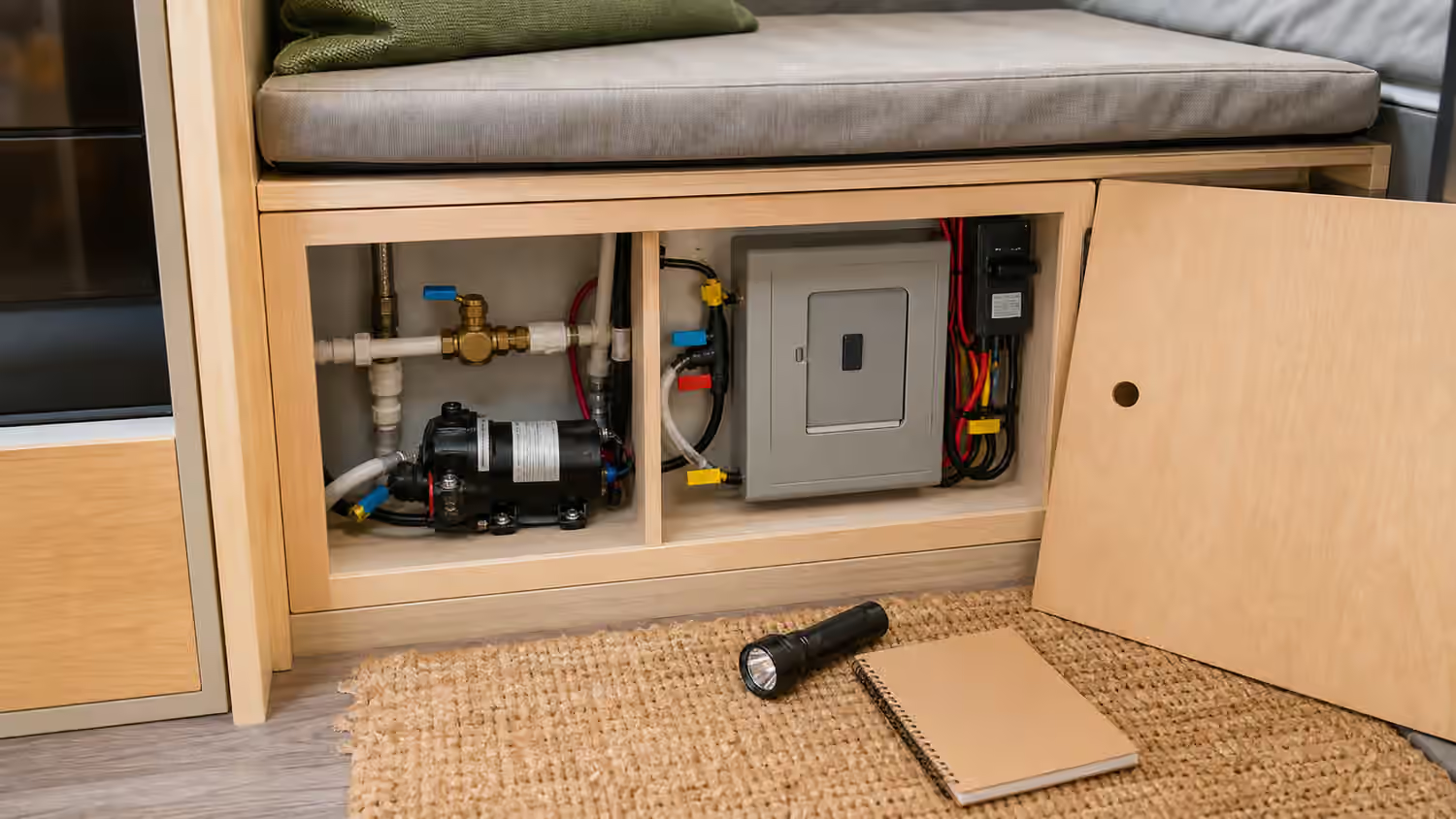
This does not mean every component must be exposed. Tiny homes need visual calm. But hidden is different from unreachable. A removable panel can be quiet and beautiful. A cabinet back can be designed to unscrew cleanly. A bench lid can open wide enough for hands and a flashlight. The goal is not to make the home look mechanical. It is to avoid treating maintenance as a surprise.
Shutoffs Should Be Reachable Under Stress
A water shutoff that requires emptying a packed storage stair is not really reachable. An electrical disconnect hidden behind a stack of winter bedding may be technically present but operationally weak. Shutoffs matter most when something is leaking, sparking, freezing, overheating, or behaving strangely. Those are not the moments when a resident should need to remember which cushion hides which valve.
The main water shutoff should be easy to explain to another person. So should important branch shutoffs, pump switches, exterior hose valves, tank valves, and equipment controls. Electrical panels and disconnects should follow applicable codes and professional installation requirements, but the owner-level principle is the same: do not bury them behind daily clutter. A tiny home can be tidy and still keep critical controls visible or quickly reachable.
Labeling helps, but labels should not become the only map. A tag can fall off. A marker can fade. A future owner may not understand abbreviations. Use plain language where possible, take photos, and keep a simple record with the home. The record does not need to be fancy. It needs to help a tired person find the right control quickly.
Access Needs Working Room
Finding a component is not the same as servicing it. A water filter may be visible but impossible to unscrew because the cabinet wall is too close. A pump may be reachable for inspection but not removable without cutting a pipe. An electrical panel may have the correct cover but sit behind a sliding drawer that blocks proper working clearance. A drain trap may be accessible only to a person with unusually small hands.
Working room is hard to protect in a tiny home because every inch feels valuable. Still, some inches are cheaper to reserve now than to create later with demolition. Think about the direction a filter unscrews, the arc of a tool handle, the place a towel goes under a leak, the hand room needed to tighten a fitting, and the lighting needed to see a small label. If an access panel opens into a narrow aisle, can someone kneel there without blocking the only exit? If a valve is under a bench, can the cushion move out of the way easily?
This connects to Tiny Home Circulation and Clearances because service work is a kind of movement. The home should allow not only daily living but occasional awkward maintenance. A plan that looks efficient while everything works may be fragile when one component needs five minutes of attention.
Built-Ins Should Open Like They Mean It
Built-ins often hide infrastructure because they offer deep, useful cavities. That is not a problem by itself. The problem is building them like sealed furniture when they are actually service enclosures. A bench over a pump should not require removing twelve decorative screws and prying trim. A stair tread over a filter should not depend on friction fit if it will be opened regularly. A wall panel behind a water heater should not be blocked by a permanent shelf.
Good access can be integrated into the design language. A flush panel with a finger pull can look intentional. A drawer can stop short of a valve cavity. A cabinet can have a removable back. A cushion can lift on hinges. A toe-kick can be held with clips instead of glue. The best details are calm because they are planned, not because they pretend the systems do not exist.
Noise and heat should also be considered. A pump inside a bench may need vibration isolation. Electrical equipment may need ventilation and clearance according to the equipment instructions. Batteries, inverters, heaters, and other systems have manufacturer requirements that should not be sacrificed for a cleaner cabinet face. Service access is not only about human hands. It is about giving equipment the conditions it needs to operate and be inspected.
Make a Simple Map While the Walls Are Open
The easiest time to document a tiny home is during construction or renovation, before finishes cover the routes. Photograph plumbing lines, wiring paths, framing, blocking, valves, drains, ducts, vents, and any unusual detail. Note what each access panel reaches. Keep manuals, model numbers, filter sizes, paint colors, spare fasteners, and installer information in one place. The Tiny Home Insurance and Documentation Readiness guide covers broader records; the service map is the practical version used on an ordinary Tuesday.
The map should match the way people search. A photo of a finished bench with an arrow to the pump access may be more useful than a technical drawing. A page that says the main water shutoff is below the kitchen sink, behind the left removable panel, may save real damage. A note that the porch outlet is on a specific circuit can prevent confusion. Keep the map with the repair kit, not only in a digital folder that requires internet or a charged phone.
If the home changes, update the record. A new filter, moved router, added heat tape, relocated hose, or changed battery setup can make the old map misleading. Tiny homes evolve because owners learn what they need. The records should evolve with them.
Do Not Let Storage Defeat Access
The first week after move-in, access panels are usually clear. Six months later, the pump cavity may be surrounded by cleaning supplies. The electrical panel may have a coat hook beside it. The shutoff may be under a bin of seasonal gear. Storage expands into any unclaimed space, and service zones are easy targets because they are hidden most of the time.
Protect the zones. A small sign inside a cabinet, a fixed divider, a shallow shelf that stops before a valve, or a habit of leaving a clear hand space can prevent accidental burial. Tiny Home Storage Planning talks about category protection. Service access is one of the categories worth protecting because the cost of failure is higher than the value of one more stuffed cabinet.
Service access succeeds when maintenance feels ordinary. The owner can find the shutoff, open the right panel, see the component, use both hands, and put the home back together without damage. That quiet competence is easy to overlook in a tour, but it is one of the details that makes a tiny home feel mature after the novelty wears off.