Small Homes Need Fast, Ordinary Fixes
A tiny home repair kit is not a bunker of supplies. It is a practical answer to the small failures that happen at inconvenient times. A faucet fitting drips on a Sunday evening. A cabinet hinge loosens after travel. A detector battery chirps at bedtime. A water filter needs changing before a trip. A skirting panel rattles in wind. A drawer catch fails and lets contents slide during a move. None of these events should require panic, a long drive, or unpacking half the house to find a screwdriver.
The right kit depends on the home’s actual systems. A tiny house on wheels needs different spares from a foundation-built cottage. A solar-heavy home needs different supplies from a grid-tied studio. A composting toilet changes the maintenance shelf. A mini-split, propane heater, water pump, or tankless heater each adds its own records and service parts. The goal is not to buy every possible tool. The goal is to keep the likely, small, time-sensitive fixes within reach.
This guide pairs with Tiny Home Maintenance , Tiny Home Water Systems , Tiny Home Electrical Planning , and Tiny Home Insurance and Documentation Readiness . Maintenance tells you what to inspect. Documentation tells you what the parts are. The repair kit gives you the first calm response.
Build the Kit From the Home, Not a Generic List
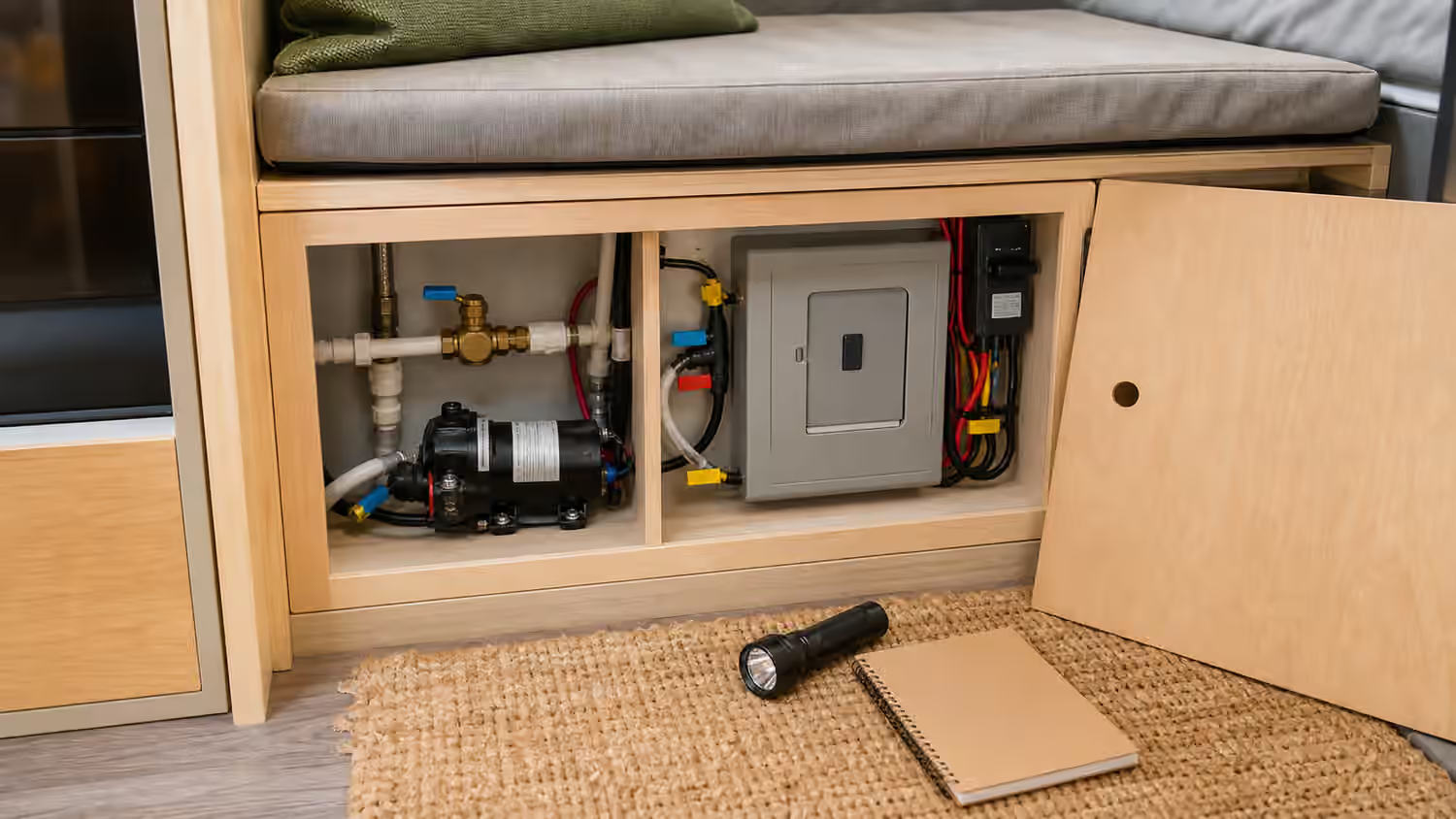
Generic tool lists are tempting, but tiny homes punish irrelevant storage. A repair kit should start with a walkthrough. Open every service panel. Look under sinks. Find the water pump, filter housings, electrical panel, detector models, HVAC filters, propane access where applicable, cabinet hardware, door hardware, window latches, trailer connections, skirting fasteners, and exterior sealant details. Write down what each area would require for a simple adjustment or emergency stop.
The main water shutoff suggests the need for a flashlight and the right access tool. A filter housing suggests the correct wrench or clearance. A pump strainer suggests towels and a small bowl. A removable skirting panel suggests matching fasteners and a driver bit. A loft railing, folding table, or stair drawer suggests spare screws and the right hand tool. The kit should answer the home in front of you.
This approach also prevents overbuying. A tiny home without propane does not need propane-specific supplies. A home with no onboard tanks does not need the same hose fittings as a mobile setup. A home with specialty fasteners should keep the exact matching bit. Specific beats impressive.
Keep Water Fixes Near the Top
Water problems deserve priority because small leaks become large in a compact structure. The repair kit should make it easy to respond quickly to a drip, loose fitting, clogged aerator, pump strainer issue, or winterization task. Towels, a small absorbent pad, a shallow container, spare washers, plumber’s tape, a basic adjustable wrench, the correct filter wrench, and replacement filters where used can keep a minor problem from spreading.
The exact consumables should match the system. If the home uses a particular cartridge, keep one. If the pump has a cleanable strainer, know how to open it. If the toilet, shower valve, or faucet uses a common seal, keep the matching part only if you can identify it correctly. A drawer full of almost-right washers is less useful than one small labeled bag with the part that fits.
Water repair supplies should be stored where they can be reached while the problem is happening. If a sink is dripping, the towel and wrench should not be buried behind seasonal gear. The Tiny Home Water Systems guide emphasizes service access for the same reason. A repair kit cannot compensate for plumbing that cannot be reached.
Electrical Supplies Should Stay Modest and Clear
Electrical work has real hazards, and many repairs belong with a qualified professional. A tiny home owner can still keep practical supplies for ordinary non-invasive tasks: replacement detector batteries, the correct light bulbs or LED modules where user-replaceable, spare fuses for low-voltage systems, a plug-in outlet tester where appropriate, a flashlight, and a clearly written panel map. The kit should encourage safe identification and basic upkeep, not improvisation inside live equipment.
Labeling matters. A spare fuse is only useful if it is the right type and rating. A breaker map is only useful if it reflects the current layout. A battery is only useful if it is not expired or corroded in storage. Tiny homes often combine shore power, batteries, inverters, solar controllers, DC circuits, and ordinary outlets in a small footprint. The more mixed the system, the more valuable clear records become.
The repair kit should also support safe stopping. Know how to shut off power to a circuit or the whole home where appropriate. Keep the access path to panels clear. Do not store loose metal tools inside electrical compartments. A calm fix often begins by making the situation safe, not by grabbing the nearest screwdriver.
Fasteners and Hardware Keep Daily Life Working
Tiny homes use a lot of moving parts. Drawers, folding tables, Murphy beds, loft ladders, stair storage, pocket doors, latches, hooks, hinges, access panels, skirting, and travel locks all experience daily use in a small area. A loose hinge can make a cabinet annoying. A missing latch can make travel unsafe. A stripped screw can turn a simple adjustment into a damaged panel.
Keep a small, organized selection of fasteners that match the home. This may include the screws used in cabinet hinges, drawer slides, wall hooks, removable panels, skirting, and exterior hardware. It may include a few matching cabinet pulls, felt pads, rubber bumpers, latch parts, and the exact bit types the home uses. Do not create a random jar of mystery hardware. Tiny storage should be searchable.
Hardware supplies also help preserve finishes. Using the wrong screw because it is the only one available can split trim, rust outside, or fail to hold in thin material. Keeping the right small parts reduces the temptation to make a sloppy fix that becomes permanent.
Sealants Need Freshness and Compatibility
Sealants are not forever, even in the tube. A tiny home repair kit may need exterior sealant, interior caulk, roof-compatible sealant, butyl tape, weatherstripping, or gasket material, depending on the build. These materials should be compatible with the surfaces and conditions where they will be used. A sealant meant for an interior joint should not be trusted on a roof penetration. A product that will not adhere to the existing material can create false confidence.
Freshness matters. Old tubes harden. Tape gets dirty. Weatherstripping compresses and loses spring. Review these supplies seasonally and replace what has aged out. Keep notes on what was used where, because future repairs are easier when you know the product family and date.
Sealant work also needs patience. A repair kit can provide the material, but surface cleaning, dry conditions, cure time, and joint movement still matter. When water entry is serious, stop the immediate leak if you can, then investigate the building detail rather than smearing material over a symptom. Tiny Home Exterior Envelope is the better companion for understanding why a joint failed.
Storage Should Make the Kit Easier to Use
A repair kit that is hard to reach will not be used early. Store it near the systems it serves or in one clearly marked service drawer. If the home is very small, one compact case plus a few system-specific spares near their equipment may work better than a single heavy toolbox. Water filters can live near the water system. Skirting fasteners can live near the exterior service area. Documentation can live in a binder or digital folder, with a short paper summary in the kit.
Organization should survive a move. A tiny house on wheels may shake, tilt, and stop suddenly. Loose tools can damage finishes or become hard to find. Small parts should be in lidded containers. Liquids should be sealed and protected from freezing or heat where relevant. Sharp tools should not be tossed into a drawer with delicate spare parts.
The kit also needs empty space. A completely packed box is hard to use because there is nowhere to sort parts during a repair. A little spare room lets the kit absorb a new fitting, a note, or a part removed for comparison.
Practice the First Five Minutes
The most useful repair habit is knowing what to do first. If water appears under the sink, where is the shutoff? If a detector chirps, where are the batteries? If the pump will not stop running, where is the switch and where is the strainer? If a storm loosens skirting, where are the fasteners? If a door starts binding, how do you check level before forcing the latch?
Walk through these first five minutes before a problem happens. You do not need to simulate disaster. Just open the panel, touch the shutoff, find the tool, and confirm the path is clear. This habit reveals missing items quickly. It also reveals design flaws. If you cannot reach the water pump without unloading the bed platform, the repair kit is not the only thing that needs attention.
The best tiny home repair kit is small, specific, and alive. It changes when the home changes. It is reviewed after seasonal maintenance. It is supported by photos and notes. It does not pretend the owner can fix everything, but it makes small fixes calmer and helps larger problems get explained clearly. In a tiny home, that calm matters because a small failure has very little distance to travel.