Prevention Is a Building Habit
Pest prevention in a tiny home is not a single product or a heroic weekend of sealing. It is a building habit. Small homes have many edges where indoor life meets the site: skirting, vents, utility penetrations, wheel wells, door thresholds, underfloor cavities, storage sheds, compost areas, and the kitchen. A tiny gap that would be annoying in a larger house can feel immediate in a tiny home because the sound, smell, and mess are close to everything.
This guide is about practical prevention, not extermination advice. Serious infestations, structural damage, termites, stinging insects, protected species, or health concerns call for qualified local help. The evergreen work is to reduce invitations, keep openings understandable, store food and waste well, and inspect the quiet places before they become mysteries.
Read this with Tiny Home Skirting and Underfloor Protection , Tiny Home Exterior Envelope , Tiny Home Storage Planning , and Tiny Home Trash and Recycling Routines . Pests do not respect room labels. They follow warmth, food, water, shelter, and gaps.
Food Pressure Starts Indoors
The kitchen is the first prevention system. Dry goods in thin bags, crumbs in toe-kick corners, pet food left open, sticky recycling, forgotten fruit, and damp trash can all attract attention. This does not mean the home has to become sterile. It means the food routine should fit the small space. If a cabinet is hard to reach, food will be left on the counter. If the trash path is inconvenient, scraps sit longer. If the pet food container is too large for its spot, the lid may stop closing well.
Food storage should be boring and repeatable. Flour, rice, oats, cereal, snacks, and pet food often do better in containers that close reliably and fit the pantry shelf without stacking into unstable towers. Transparent containers can help because they reveal quantity and spills, but the main requirement is that they are easy enough to use every day. A sealed container that lives behind four other objects will eventually lose to convenience.
Cleaning matters most at the edges. Under the refrigerator, beside the stove, around the trash pull-out, below the pet bowl, inside the pantry, and at the entry are more important than open floor space that already gets attention. Tiny kitchens make these edges close together. The guide to Tiny Home Kitchen Design covers layout and prep space. Pest prevention adds the question of whether crumbs, grease, and damp packaging have a place to hide.
Water and Damp Storage Invite Trouble
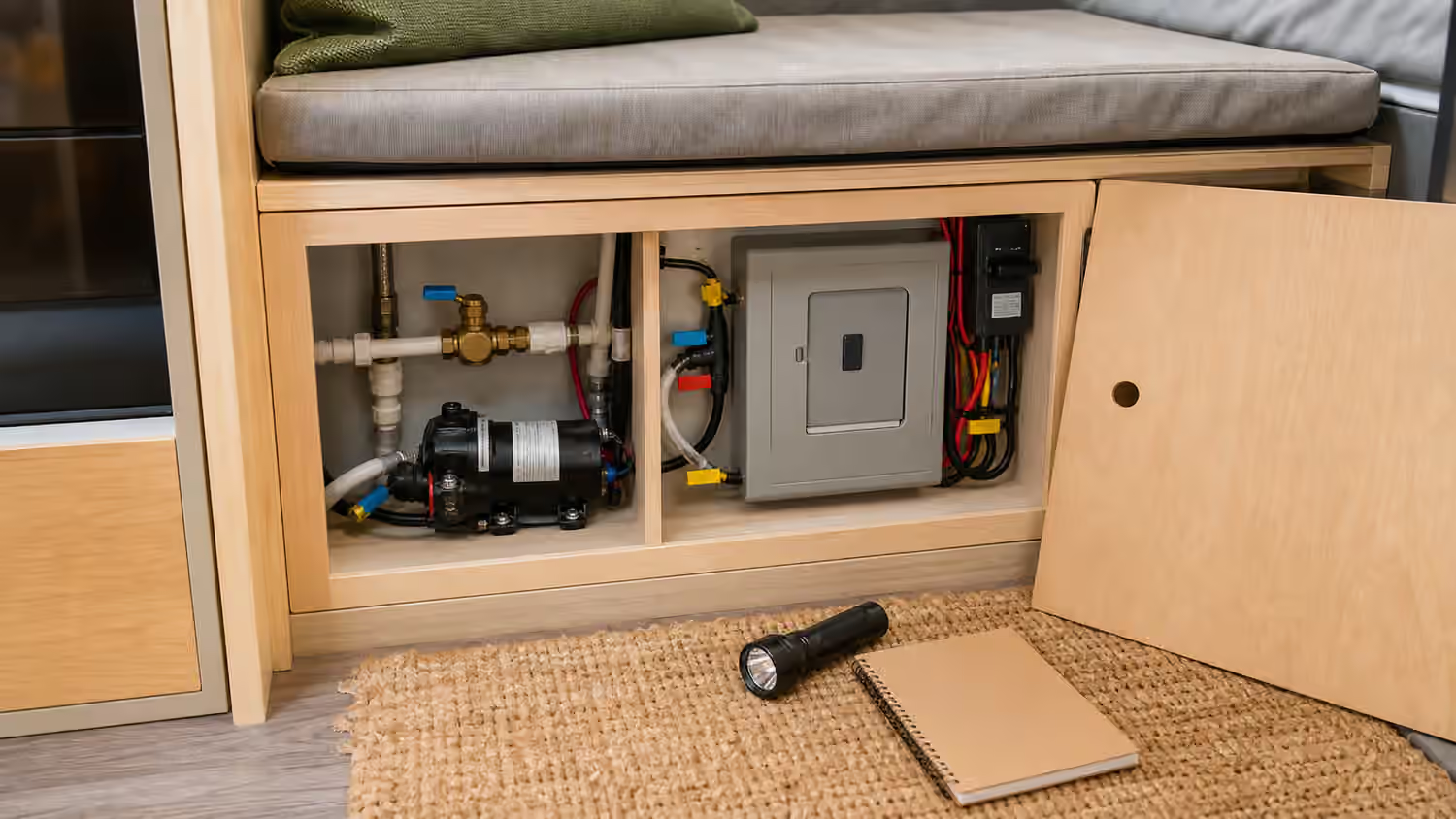
Many pests are drawn as much by moisture and shelter as by food. A slow plumbing leak, damp skirting cavity, wet shoe bench, musty under-bed storage, or condensation behind stored items can create a more attractive environment than the clean visible room suggests. Tiny homes often hide systems inside furniture, so a leak can sit behind a bench or cabinet until smell, staining, or insect activity makes it obvious.
Keep plumbing and damp-prone storage inspectable. The Tiny Home Water Systems guide emphasizes service access for pumps, tanks, drains, and shutoffs. Pest prevention uses the same access for a different reason. If you cannot see or reach a cavity, you cannot tell whether it is dry, clean, and sealed.
Ventilation and storage design also matter. A sealed bench full of wet boots, a laundry hamper in an unvented cabinet, or bedding pressed against a cold exterior wall can create stale pockets. Those pockets are unpleasant for people and useful for organisms that prefer damp quiet. Ventilation and Moisture Control explains the building science. The daily habit is simpler: dry wet things before storing them, leave air paths where moisture is likely, and investigate musty smells instead of covering them.
Utility Penetrations Deserve Careful Detailing
Every pipe, wire, vent, hose pass-through, drain, inlet, and exterior fixture is a possible weak point. The goal is not to seal the home into a suffocating box. Intentional vents and drainage paths still need to function. The goal is to make each opening do its job without becoming an unplanned doorway.
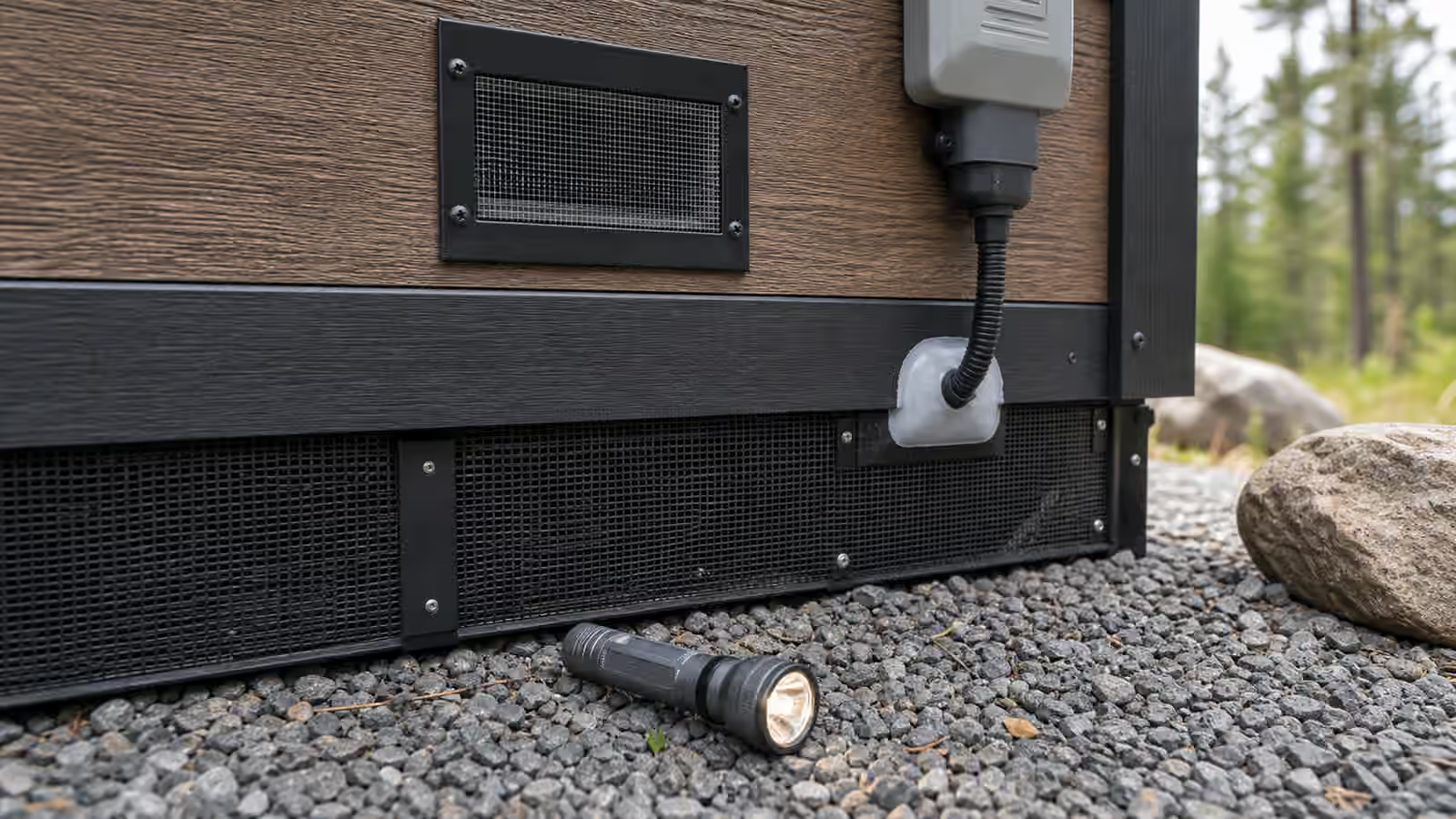
Look closely at the places where utilities cross the shell. A water inlet may need weather protection and a clean cap. An electrical conduit may need proper sealing around the exterior penetration. A drain outlet may need a cap or screen compatible with its function. Vents may need appropriate mesh that does not restrict required airflow. Gaps around mini-split lines, hose bibs, cable entries, and underfloor penetrations should not be left as rough foam sculptures that crack, absorb water, or hide damage.
Materials matter. Some foams are useful in the right assembly and poor in others. Caulk can bridge a small joint but is not a structural repair. Metal mesh can resist chewing better than fragile plastic in some locations, but it has to be detailed so it does not rust, cut into materials, or block needed drying. Local pests and climate influence the best detail, so treat this as a design conversation, not a shopping shortcut.
Skirting Should Protect Without Hiding
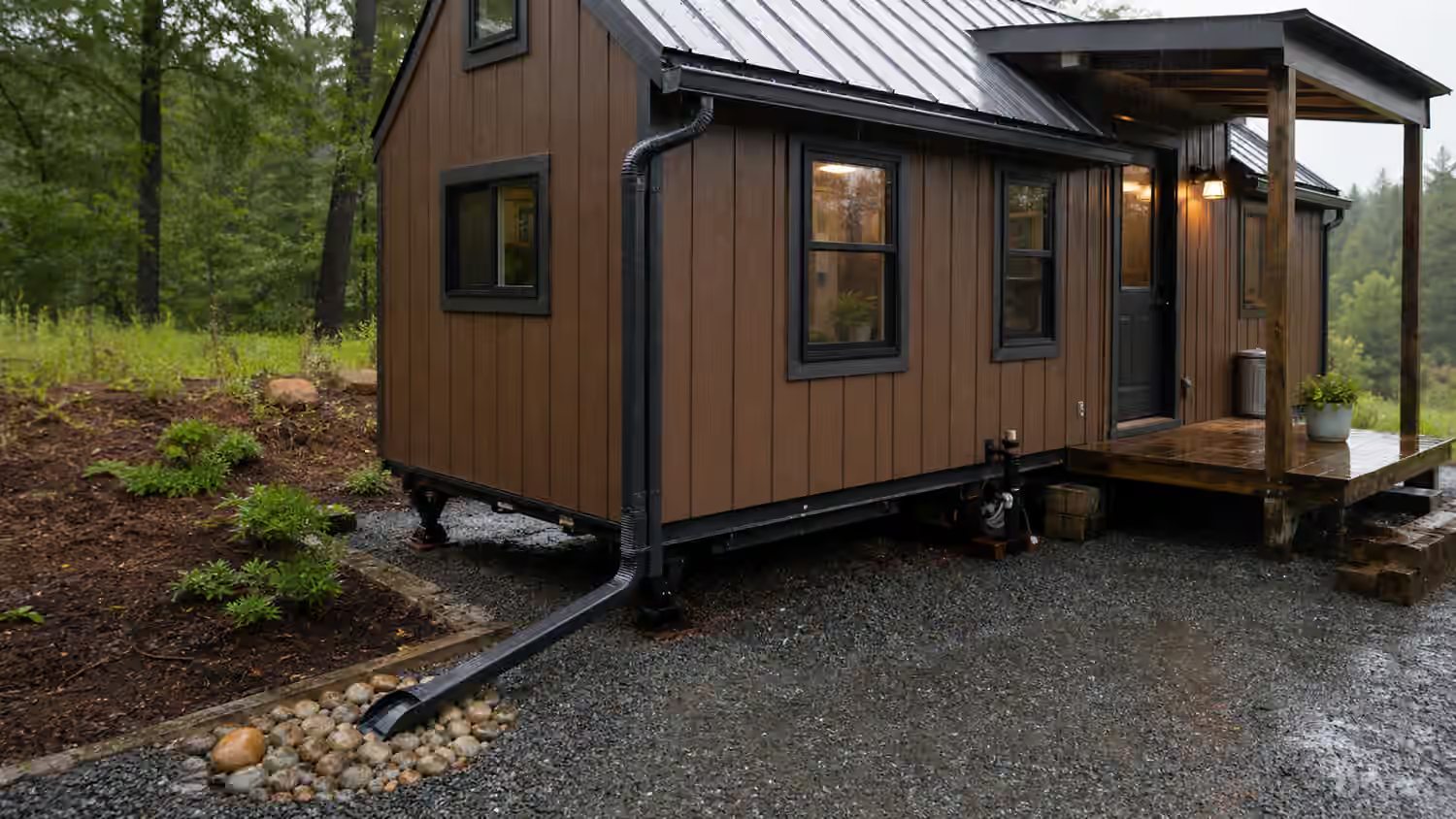
Skirting is one of the most important pest-prevention zones for a tiny house on wheels. It can block wind, improve comfort, protect plumbing, and reduce access under the home. It can also create a hidden protected corridor if it is poorly detailed. A skirt that looks clean from a distance may still leave gaps at corners, around tires, at the ground line, or where utilities pass through.
Good skirting balances closure and inspection. The bottom edge should handle drainage, splash, snow where relevant, and ground movement. Vents should be screened appropriately while preserving needed airflow. Panels should be removable where access is required for plumbing, frame inspection, tire work, or relocation. A pest-resistant skirt that prevents the owner from seeing leaks or maintaining the trailer is solving one problem by creating another.
The guide to Tiny Home Skirting and Underfloor Protection goes deeper on underfloor comfort and moisture. Pest prevention adds a simple test: could something enter, nest, or travel here without being noticed for weeks? If the answer is yes, improve the detail or the inspection habit.
Outdoor Storage Extends the Pest Boundary
Pest pressure often begins outside the walls. Firewood stacked against siding, birdseed in a loose bag, a compost bucket with a weak lid, recycling with sticky residue, pet food in a shed, garden tools in damp clutter, and leaf piles against skirting can all make the site more inviting. The tiny home may be well sealed while the storage beside it becomes the attractor.
Outdoor storage should be dry, cleanable, and separated from the building shell where possible. It should not cover vents, trap water, or block inspection. Compost and trash locations should fit local rules, wildlife conditions, and the actual removal routine. A beautiful porch that hides a damp pile of cardboard under the steps is not doing the home any favors.
This connects to Tiny Home Outdoor Living and Tiny Home Hobby and Outdoor Gear Storage . Outdoor rooms are part of the living system. They also become part of the pest boundary when they hold food, soil, fabric, tools, wood, or waste.
Inspection Should Be Calm and Frequent
The best inspection routine is short enough to repeat. Look at the entry threshold, pantry, trash area, pet feeding area, plumbing cabinets, under-sink space, skirting edges, utility penetrations, vents, exterior storage, and the ground line after weather changes. Notice droppings, gnaw marks, shredded insulation, unusual smells, dampness, tracks in dust, or new gaps. Act early, because small signs are easier to address than established problems.
Keep notes when you repair a gap or change a storage routine. A photo of a sealed penetration, the material used, and the date can help future maintenance. Tiny Home Insurance and Documentation Readiness makes the case for records across the home; pest prevention benefits from the same memory.
A tiny home does not need to be fragile around pests. It needs fewer invitations, clearer edges, and better access. Store food honestly. Move waste promptly. Keep damp pockets visible. Detail utility openings with care. Let skirting protect without concealing. Then prevention becomes a steady maintenance rhythm rather than a reaction to the first scratch inside the wall.