The Bed Is a Moisture System
A tiny home bed looks simple on a floor plan. It is a rectangle in a loft, a platform, a built-in nook, a sofa conversion, or a downstairs sleeping zone. In daily life, that rectangle becomes one of the home’s most important moisture systems. A sleeping person adds humidity for hours. Bedding traps warmth. A mattress blocks airflow. A loft may be warmer than the main room. A platform may sit against an exterior wall or above a cool storage cavity. When those conditions line up badly, the first sign may be a damp underside, a stale smell, or condensation nearby.
This guide pairs with Tiny Home Sleeping Layouts and Ventilation and Moisture Control . Sleeping layouts decide where the bed goes. Whole-house ventilation decides how moisture leaves. Mattress and bedding moisture control is the smaller daily layer between them. It is less dramatic than roof leaks or plumbing failures, but it affects comfort every morning.
The aim is practical, not medical. A tiny home sleeping area should dry predictably, smell neutral, and allow inspection without dismantling half the house. That usually comes from airflow, material choices, and habits that make damp conditions visible early.
Do Not Trap the Mattress Against a Cold Surface
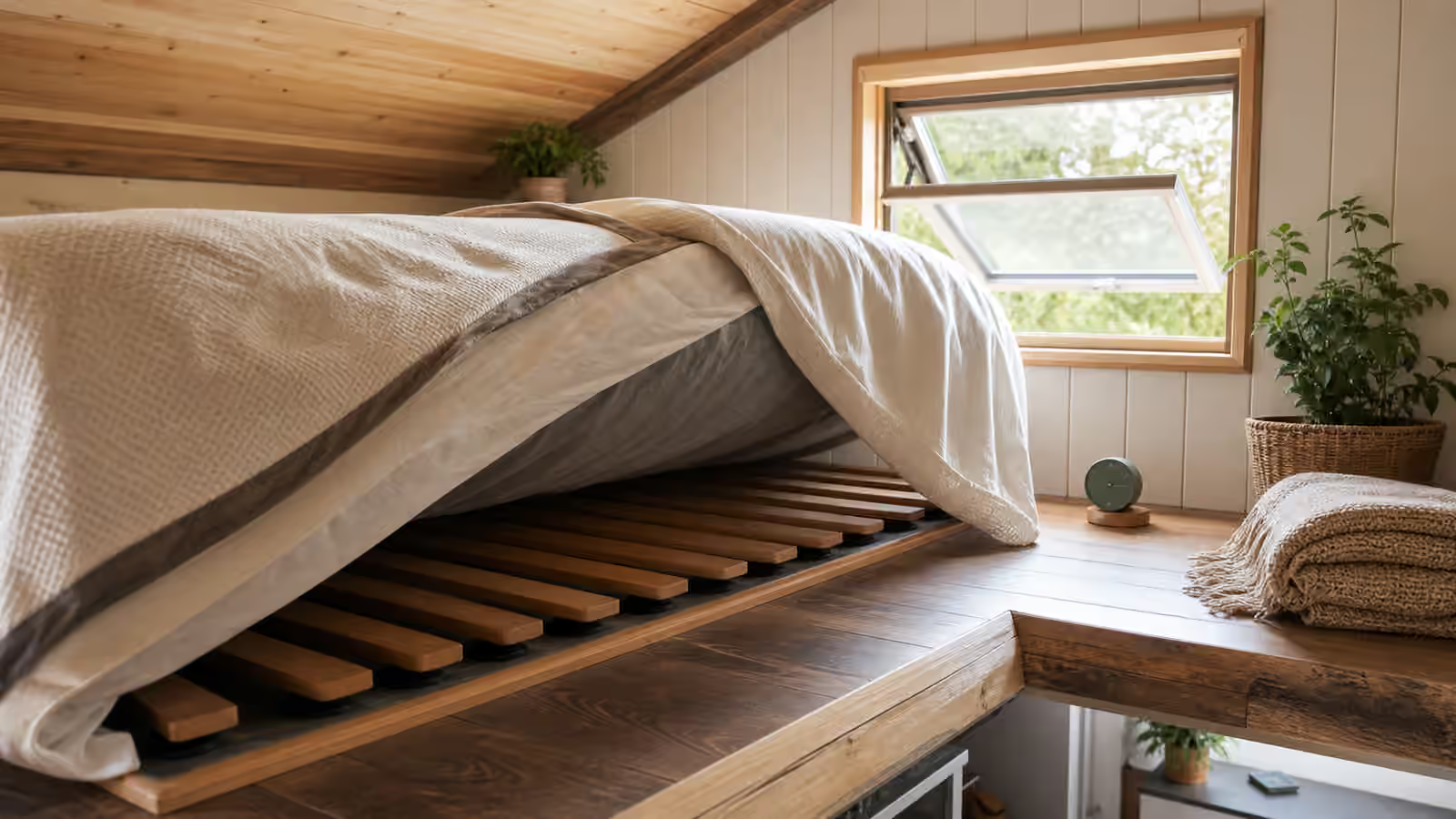
The underside of a mattress needs a way to dry. A mattress laid directly on plywood, a sealed platform, or a cold storage lid has very little air exchange. Warm moisture from the body can move downward, meet a cooler surface, and linger. The same thing can happen at the side of a mattress pressed tightly against an exterior wall, especially in cold or humid weather.
Slats, a breathable underlayment, or another ventilating support can help by creating a small air space. The exact product or detail matters less than the principle: air should be able to move under the mattress, and the support should not create hidden wet pockets. Wide solid boards with tiny gaps may not perform like true slats. A platform with storage below may need ventilation paths so the cavity does not become a cool, stagnant box.
Clearance should be maintainable. If the mattress fills a loft from wall to wall, lifting it for inspection may be so annoying that nobody does it. A tiny reveal at one side, a lighter mattress choice, or a hinged support detail can make checks more realistic. The best moisture plan is the one the household will actually use when tired.
Let the Bed Breathe Before Making It Perfect
Many people make the bed immediately because it makes a small home feel calmer. That visual reset is valuable, but tightly covering warm bedding can slow drying. A short airing period after waking can help, especially in lofts, cold seasons, or homes with limited overnight ventilation. Pulling back the covers, opening a shade, running the ventilation system, or cracking a window briefly when weather allows can let moisture leave the bedding before it is trapped for the day.
This does not require turning the home into a laundry ritual. It is a small timing change. Let the bed breathe while coffee is made, the bathroom fan runs, or the morning routine begins. If the sleeping area is in a loft, warm moist air may already be collecting there, so the airing period is more useful when it connects to actual airflow rather than just exposing the sheets to still air.
The same idea applies after washing bedding. Dry items fully before they return to a closed storage bench or loft cabinet. A slightly damp blanket stored in a tiny home can influence the whole sleeping zone. The Tiny Home Closet and Clothing Systems guide makes a similar point for clothing: dry storage begins before the item enters the cabinet.
Watch the Loft Microclimate
Lofts are compact, warm, and close to the roof. They can be wonderful sleeping spaces, but they often have a different microclimate from the main room. Heat rises. Exhaled moisture collects. Roof assemblies cool at night. A small window may be hard to reach. If the loft has little air movement, the mattress and bedding become the place where those conditions show up.
A loft window is useful only if it can be used easily and safely. A window that requires climbing over pillows or leaning awkwardly may stay closed. A small fan can help mix air, but it should not blow dust into bedding or create noise that makes sleep worse. If the home has a mini-split, ceiling fan, bath fan, or energy recovery ventilator, notice whether the sleeping zone actually participates in that airflow. A comfortable main room does not guarantee a dry loft.
Condensation near the loft is a clue. Look at window edges, roof corners, cold trim, and the underside of any shelf near the bed. Occasional condensation in unusual weather may simply show that conditions were challenging. Repeated moisture in the same place means the sleeping area needs attention. Tiny Home Window and Daylight Planning can help with window placement, but daily operation matters after the design is built.
Choose Bedding That Matches the Home
Bedding that feels luxurious in a large bedroom can behave differently in a tiny home. Thick toppers, dense foam, heavy comforters, and layered decorative pillows can hold warmth and moisture. That may be comfortable in winter, but it can slow drying when ventilation is marginal. Breathable sheets, washable blankets, and seasonal layers are often more forgiving than one heavy bedding system used all year.
The right bedding depends on climate, heat source, personal comfort, and laundry access. A person in a dry cold climate may want different layers from someone in a humid coastal setting. The evergreen principle is flexibility. Layers that can be aired, washed, and adjusted are easier to manage than a single bulky item that is hard to dry. If the bed is in a loft, lighter layers are also easier to move through a ladder or stair opening.
Storage matters too. Spare bedding should not be packed into an unvented exterior bench where temperature swings and damp air can reach it. If bedding must live under the bed, the compartment should be dry, inspectable, and not part of the same trapped air problem as the mattress. A sealed plastic bin may protect against one kind of moisture while trapping another if the bedding was not fully dry when stored.
Make Moisture Checks Ordinary
Moisture problems become expensive when they stay hidden. A tiny home bed should be easy to check in a casual way. Lift a corner of the mattress. Smell the platform. Look at the slats. Touch the wall beside the bedding during cold weather. Check behind pillows that sit against exterior surfaces. Notice whether sheets feel fresh or faintly stale after a normal night.
These checks do not need to become anxious inspections. Tie them to ordinary routines. Change the sheets and glance under the mattress. Do a seasonal cleaning and look at the platform. After the first cold week in the home, check again. After adding skirting, changing heat settings, or moving the bed, check again. Tiny Home Maintenance is built around this kind of small recurring attention.
If a damp spot appears, respond to the condition rather than covering it with scent. Dry the area, improve airflow, look for cold surfaces, check whether bedding is too dense, and consider whether whole-house humidity is running high. If there is evidence of a leak, plumbing issue, or persistent mold growth, that becomes a repair problem rather than a bedding habit. Small homes make causes feel connected, so it is worth tracing them carefully.
Keep the Sleeping Zone Separate From Wet Life
Tiny homes ask rooms to share work, but the bed should be protected from wet routines when possible. Do not let towels dry against bedding. Avoid storing damp coats in a loft. Keep plants, humidifiers, and wet laundry away from sleeping surfaces unless the ventilation plan can handle them. Cooking steam also matters, especially when a kitchen sits below a loft. The Tiny Home Cooking Odor and Grease Control guide focuses on smells and residue, but steam follows many of the same paths.
The sleeping zone benefits from a clear reset. Bedding airs, then closes. Pillows do not block window operation. The mattress can be lifted. The platform can be seen. Spare blankets have a dry home. Air can move enough that the bed does not become a sealed warm pocket inside a small shell.
A tiny home bed should feel like refuge, not like a hidden maintenance risk. When the mattress has airflow, bedding dries before it is tucked away, the loft participates in ventilation, and checks are easy, the sleeping area can stay comfortable through changing seasons. The details are humble, but they protect one of the most-used surfaces in the home.