A tiny home has every system a regular house has—plumbing, electrical, HVAC, roofing, structure—compressed into 100 to 400 square feet. That compression means two things: maintenance is faster (there’s less of everything), and neglect is more dangerous (one failure affects a larger percentage of your living space).
A roof leak in a 2,000-square-foot house is a problem in one room. A roof leak in a 200-square-foot tiny home is a problem everywhere.
This guide is the seasonal maintenance checklist that keeps a tiny home livable, efficient, and structurally sound. It’s organized by season because different threats peak at different times, but the underlying principle is constant: inspect early, fix small, prevent big.
The Tiny Home Maintenance Philosophy
Why Tiny Homes Need More Attention, Not Less
People assume tiny homes are low-maintenance. In some ways they are—less area to clean, fewer rooms to manage, smaller systems to service. But tiny homes face challenges that conventional houses don’t:
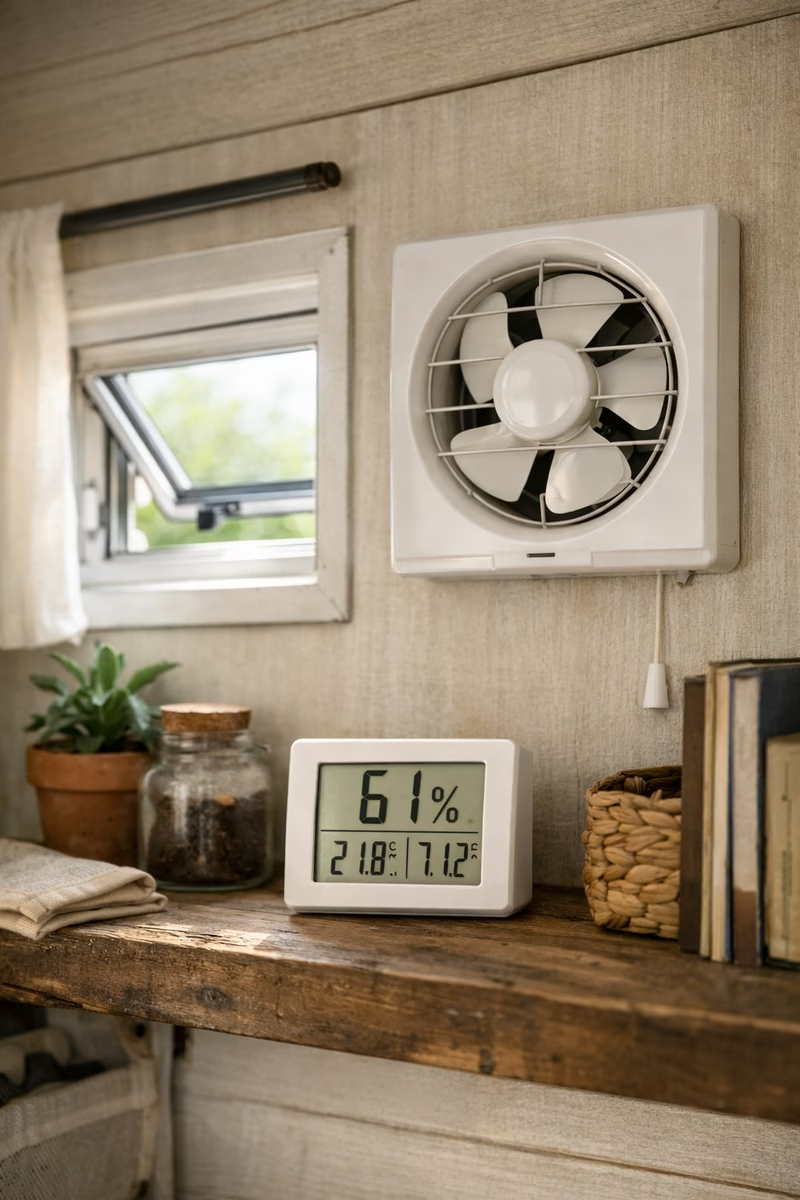
Moisture concentration is the biggest one. Cooking, showering, breathing, and sleeping in a small space generates a lot of humidity per cubic foot, and without aggressive ventilation that condensation starts damaging walls and framing quickly. Tiny homes also experience sharper thermal swings than larger houses, which means more expansion and contraction at seams, joints, and penetrations. If the home is on wheels, movement adds another layer of wear through vibration, settling, and frame flex. And because every system is packed so tightly, small failures do not stay isolated for long. A drip can reach wiring, a draft can chill the whole structure, and a minor exterior gap can become a full interior problem fast.
The good news: because everything is small and accessible, inspection is fast and repair is usually straightforward. A full seasonal check takes an afternoon, not a weekend.
For ventilation fundamentals, see the Ventilation and Moisture Control guide.
Spring Maintenance (March – May)
Spring is inspection season. Winter stresses are over; summer heat hasn’t started. This is when you find what winter did and fix it before it compounds.
Exterior Inspection
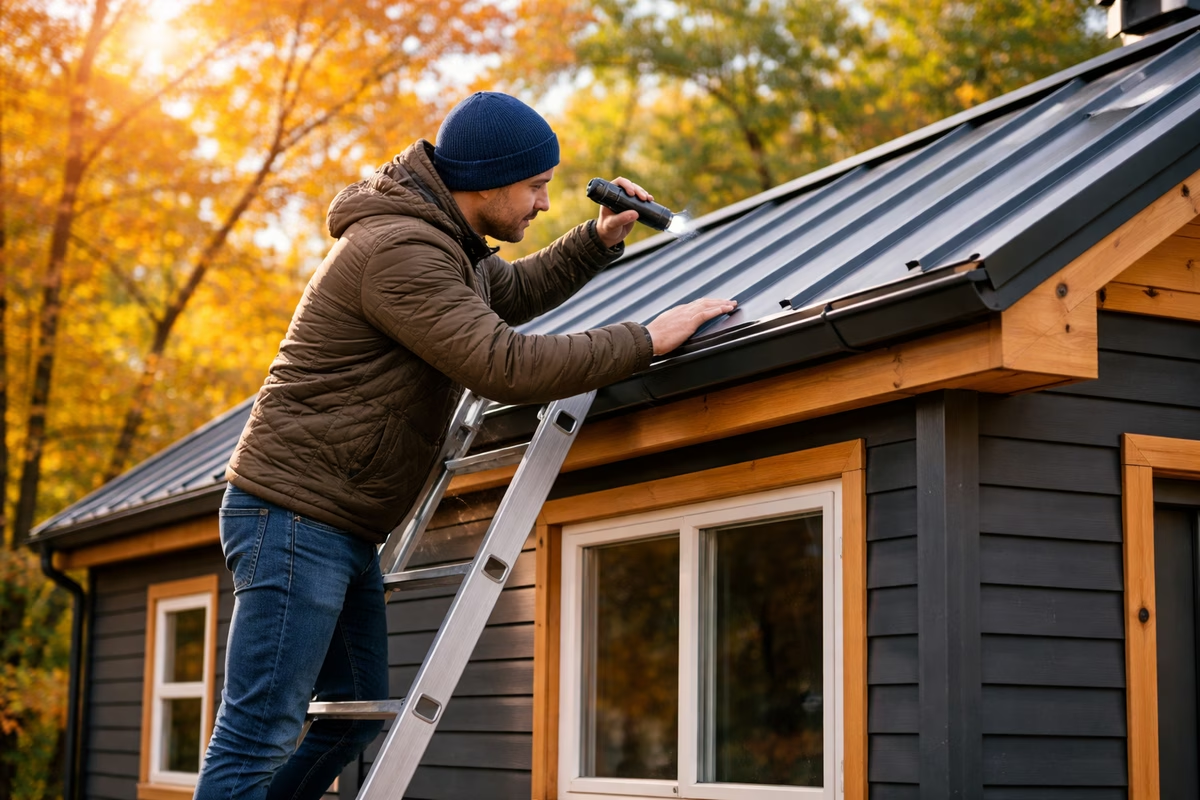
Roof and flashing. Walk around the exterior (and climb up if safe) to inspect every roof seam, flashing joint, and penetration point (vent pipes, skylights, chimney). Look for:
lifted or cracked sealant, rust spots on metal roofing, gaps at flashing transitions, and any place where water or debris is sitting longer than it should.
Reseal any suspect joints with appropriate roofing sealant. Small caulk repairs now prevent interior water damage later.
Siding and exterior walls. Check for:
cracks, gaps, or warping in siding, peeling paint or fading stain on the weather-facing sides, gaps around windows and doors, and any sign of insect activity. Tiny structures do not have much extra material to sacrifice, so a small pest problem is worth taking seriously immediately.
Touch up paint and caulk. If you see insect damage, investigate immediately—a small infestation in a tiny home becomes structural fast.
Windows and doors. Open and close every window and door. Check that:
weatherstripping is still compressing properly, locks and latches engage without force, insulated glass has not fogged between panes, and the frames are still square enough that nothing binds.
Replace worn weatherstripping. Adjust hinges if doors have shifted.
THOW-Specific: Trailer and Frame
If your tiny home is on wheels, spring is when you inspect the foundation beneath the foundation:
Check tire pressure, tread, and sidewalls first; parked tires age out even if they still look usable, so age matters almost as much as wear. Then inspect the trailer frame, especially the welds, for rust that needs to be brushed back and sealed. Lubricate the hitch and coupler, verify the safety chains, and confirm the house is still level after winter settling. Finally, walk the frame and connection points looking for any loose hardware. A THOW slowly shakes itself apart if nobody pays attention.
Interior Inspection
Moisture check. Inspect walls and ceilings for:
yellow-brown stains, soft spots, mold in corners or behind furniture, and the faint trails that repeated condensation leaves behind.
If you find moisture damage, trace it to the source and repair both the cause and the damage. For moisture management, see the Ventilation and Moisture Control guide.
Plumbing. Run all faucets and flush the toilet. Check under sinks for drips. Inspect exposed pipes for corrosion or mineral buildup. If you winterized the system (see Winter section), de-winterize now: flush antifreeze, check seals, and test the water heater.
Electrical. Test all GFCI outlets (press the test/reset buttons). Check that all outlets, switches, and lights function. Inspect any visible wiring for damage or rodent activity.
Summer Maintenance (June – August)
Summer is project season. The weather cooperates, so tackle anything that requires dry conditions, outdoor access, or extended work time.
Heat Management
Summer heat exposes inefficiency immediately. Clean or replace HVAC filters before they choke a small system, and test the air conditioner before the first brutal week rather than during it. If you have an exterior condenser, clean the coils and make sure nothing has grown up around it.
Ventilation fans deserve the same attention. Bathroom and kitchen exhaust should move air decisively, not just make noise, and window shades or reflective treatments on the hot sides of the home are often worth more than people think. In a tiny house, a few hours of direct sun can change the interior from comfortable to miserable very quickly.
For heating/cooling system details, see the Heating and Cooling guide.
Exterior Projects
Summer is also when you handle the weather-exposed projects that need dry days: repainting or restaining, sealing steps and decks, refreshing exterior caulk, and checking that gutters and drainage still move water away from the structure instead of toward it.
Solar System Maintenance
If you have solar panels: Clean the panels if dust, pollen, or bird droppings are cutting into output, inspect the wiring and mounting hardware for looseness or damage, and compare real production to what the season should be giving you. A sudden drop is rarely mysterious for long if you notice it early.
For solar system details, see the Solar Power Sizing guide.
Fall Maintenance (September – November)
Fall is preparation season. Everything you do now is insurance against winter.
Winterization Prep
Insulation check. Before cold weather arrives, verify that:
pipe insulation is still intact, the floor assembly has not been damaged underneath, weatherstripping is sealing properly, and any skirting around the base is still tight enough to block wind.
Heating system. Test your heating system while the weather is still mild:
Run the heater through a full cycle, listen for anything unusual, check propane fittings with soapy water if that is your fuel source, and replace detector batteries before winter settles in. This is not glamorous work, but it is the difference between a calm first freeze and a mid-January emergency.
Water system prep. If you’re in a freezing climate:
- Insulate or heat-tape all water lines that could freeze
- Know where your main water shutoff is
- If your home will be unoccupied in deep winter, plan to winterize the plumbing (drain lines, add RV antifreeze to traps)
Gutters and Drainage
Clean gutters and downspouts. Verify that water drains away from the home’s foundation or trailer. Standing water near the base of a tiny home in winter creates frost heave, ice damage, and moisture intrusion.
Roof Preparation
Inspect the roof again (same protocol as spring). Reseal anything questionable. If your area gets snow, ensure the roof can handle the snow load—tiny home roofs are sometimes lighter-built than conventional roofs and may need snow removal after heavy accumulation.
Winter Maintenance (December – February)
Winter is monitoring season. Major outdoor work isn’t practical, but vigilance prevents emergencies.
Moisture and Condensation
Winter is the highest-risk season for moisture. Cold exterior walls + warm interior air = condensation. In a tiny home, this can be severe.
Run ventilation fans during and after showers and cooking, crack a window when you can stand it, use a dehumidifier if moisture keeps winning, and do not ignore water collecting on the glass. Condensation on sills is not cosmetic in a tiny home; it is early notice.
Heating Efficiency
Do not let furniture block vents or heater output, monitor fuel levels closely if you are off-grid, and hunt down drafts as soon as you feel them. A tiny home loses comfort fast once heat and air sealing start working against each other.
Snow and Ice
Remove snow if it approaches the roof’s structural limit, clear ice from stairs and access points, and keep drainage paths open so frozen gutters or ice dams do not push meltwater back toward the shell.
THOW Winter Watch
Tire pressure will drop in cold weather, so check it monthly. If you do not have skirting, winter is where that omission becomes expensive because the heat loss and plumbing exposure are immediate. And even if the underside is protected, keep enough trailer frame visible that you can still spot shifting or frost heave before it becomes a leveling problem.
Monthly Quick Checks (All Year)
Regardless of season, a monthly 15-minute walkthrough catches problems early:
| Check | What to look for | Time |
|---|---|---|
| Interior walls & ceiling | Water stains, soft spots, mold | 3 min |
| Under-sink plumbing | Drips, moisture, odor | 2 min |
| Smoke & CO detectors | Test buttons, battery status | 1 min |
| HVAC filter | Dirty or clogged | 2 min |
| Exterior quick scan | Obvious damage, lifted sealant, pest activity | 3 min |
| Windows & doors | Open/close smoothly, seals intact | 2 min |
| Water heater | Leaks, unusual sounds, pilot light | 2 min |
The Maintenance Mindset
Living in a tiny home means living closer to your home’s systems. In a conventional house, you can ignore a small leak for months before it becomes visible. In a tiny home, that timeline compresses to weeks or days.
This proximity is actually an advantage. You notice things faster. You fix things sooner. You understand your home—its sounds, its smells, its seasonal rhythms—in a way that’s impossible in a larger space.
The tiny-home maintenance philosophy isn’t “more work.” It’s “smaller work, more often.” An afternoon per season, fifteen minutes per month, and the habit of paying attention to what your home is telling you. That’s the entire system.
Next Steps
For the deeper system-specific versions of this checklist, read Ventilation and Moisture Control, Heating and Cooling, and Solar Power Sizing. If you want the broader off-grid picture, continue into Sustainable Systems, and for the lived experience side, read The First Winter.