Laundry Is a Small Routine With Large Consequences
Laundry rarely gets the first sketch. The bed, kitchen, bathroom, windows, and storage stairs all feel more urgent, so laundry becomes a late question: can a machine fit somewhere, or will the laundromat handle it? That order is understandable, but it misses how much daily life is shaped by wet fabric. Clothes need sorting, washing, drying, folding, storing, and sometimes waiting. Towels need to dry between showers. Sheets need a place to go on wash day. A muddy sweatshirt should not become a design crisis because the home has no threshold, hamper, or drying zone.
In a tiny home, laundry is not only an appliance decision. It is a water decision, an electrical decision, a ventilation decision, a storage decision, and a behavior decision. The most beautiful washer cabinet can still fail if it shakes the whole house, blocks a service panel, overloads the electrical plan, or creates damp air with nowhere to go. A tiny home without a washer can work beautifully too, but only if the off-site routine is honest and supported by enough clothes storage and transport space.
This page sits beside Tiny Home Water Systems , Tiny Home Electrical Planning , Ventilation and Moisture Control , and Interior Design . Those guides cover the supporting systems. Here the focus is the laundry routine itself: what happens to clothes before, during, and after washing, and how to keep that routine from taking over the home.
Decide Whether Laundry Belongs Inside the Home
The first laundry question is not which compact washer to buy. It is whether laundry belongs inside the home at all. A built-in machine can be convenient, private, and useful for people who work outdoors, exercise often, care for children, or dislike carrying laundry away from home. It can also consume space, water, power, weight margin, and mechanical attention. In a very small home, those tradeoffs are real.
Shared laundry can be the better design choice when the home is parked near reliable facilities, when water and power are limited, or when the owner prefers to batch the chore outside the home. That choice does not make the home incomplete. It simply moves the system boundary. The home still needs a lidded hamper, a way to keep dirty and clean laundry separate during transport, and enough clothing storage to avoid emergency wash cycles every few days.
Onboard laundry makes the most sense when the routine is frequent and the supporting systems are already sized for it. A washer uses water, drains a meaningful volume, may draw a noticeable electrical load, and often asks for nearby storage and drying space. A dryer adds a larger energy and ventilation question. If the home leans off-grid, the laundry conversation should happen with Sustainable Systems and Solar Power Sizing open, because laundry is one of the first comfort routines that can expose an undersized energy plan.
Machines Should Match the Home, Not the Other Way Around
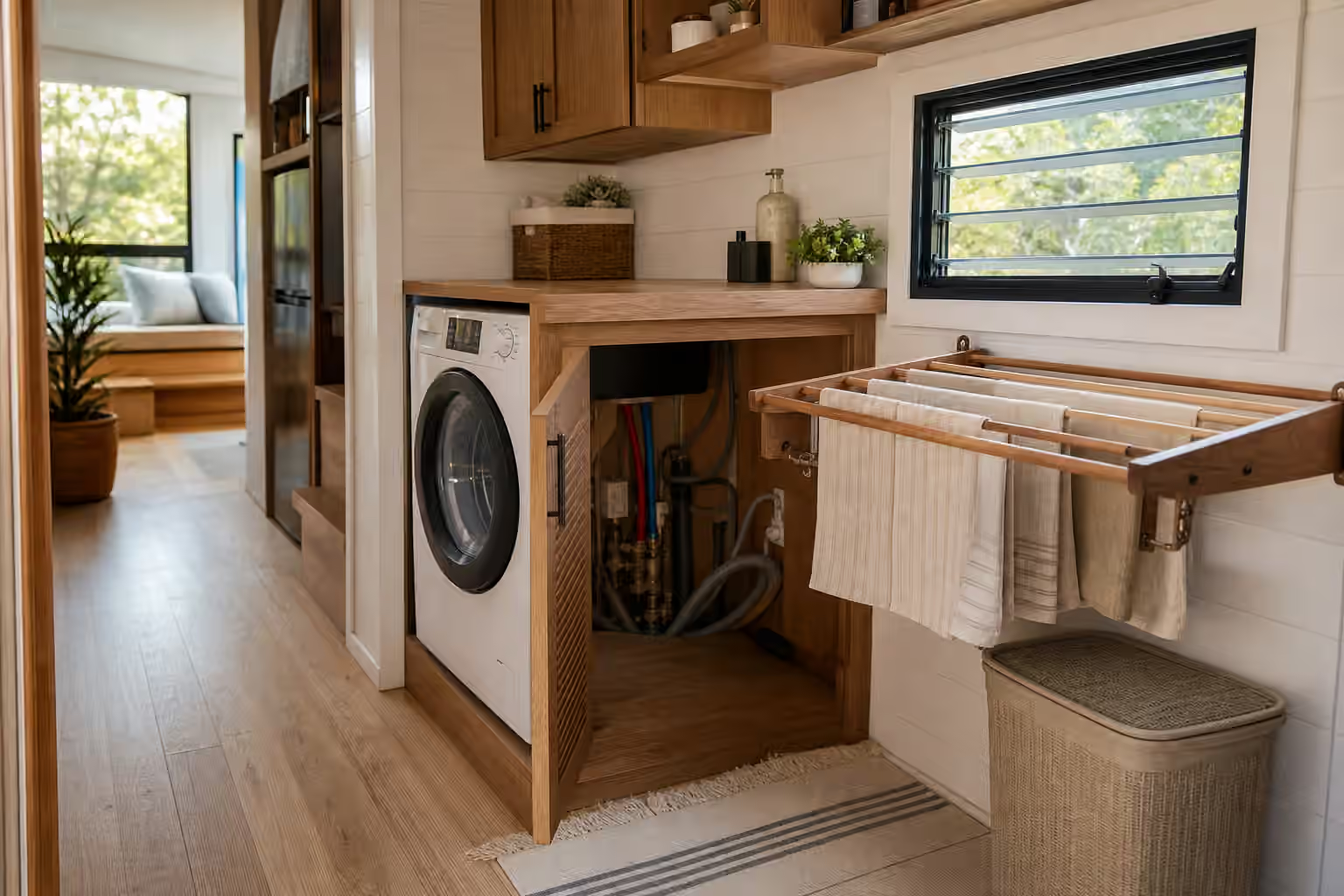
Compact washers, washer-dryer combos, portable washers, and shared machines all solve different problems. A small front-loading washer built into cabinetry can feel closest to a conventional home, but it needs a stable floor, water supply, drain, electrical service, and enough access to reach hoses and filters. A washer-dryer combo saves space by using one cabinet opening, but its drying performance and cycle length may not match what people expect from separate machines. Portable washers can work for seasonal or very minimal setups, but they are not invisible. They still need storage, filling, draining, and a place to sit while operating.
The machine should be chosen after the routine is named. Someone who washes small loads twice a week has different needs from someone who washes bulky work clothes, towels, or bedding. A person who can line-dry outside most of the year may be happy with a washer only. A person in a damp climate may need a much more deliberate drying plan. The mistake is buying the most compact appliance as if volume alone decides success. Tiny homes punish hidden friction. If every wash requires moving a table, dragging hoses across the floor, and hanging clothes over every chair, the appliance is technically present but poorly integrated.
Noise and vibration deserve special respect. A washer mounted beside a sleeping area or on a light floor assembly can make the whole home feel like it is participating in the spin cycle. The solution begins with location and structure, not with wishful thinking. Place heavy appliances low, support them properly, and keep them near the plumbing and electrical core when the layout allows. For a tiny house on wheels, appliance weight also belongs in the broader conversation about Tiny Home Weight, Balance, and Towing Readiness , especially when the machine, water heater, batteries, and storage are all competing for the same side of the trailer.
Drying Is Usually the Harder Half
Washing gets attention because it requires a machine. Drying causes more daily annoyance because wet fabric occupies air, time, and surface area. A load that washes quietly can still turn the home into a damp obstacle course if there is no drying plan.
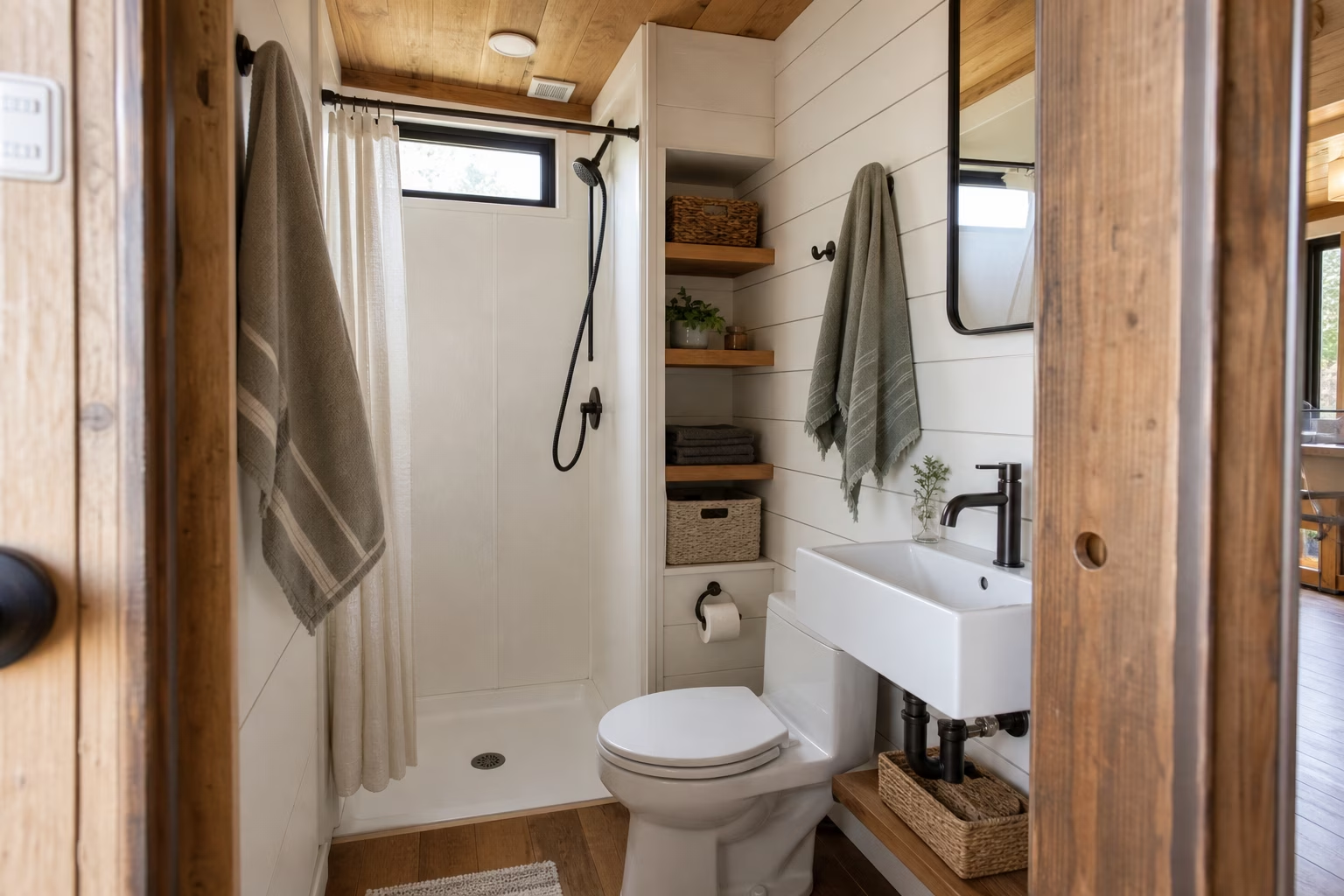
Line drying is efficient and gentle on clothing, but it needs air movement and clear territory. A fold-down rack near a window can work when the climate cooperates and the home has enough ventilation. A ceiling-mounted rack can save floor space, but it should not hang wet clothes over the bed, stove, electrical equipment, or a narrow path where people will brush against damp fabric. A rack in the bathroom may seem logical, but the bathroom is already the wettest room in the house. Without strong exhaust and enough warmth, it can become a place where towels and laundry both remain damp too long.
A vented dryer can remove moisture directly, but it requires an exterior path and careful detailing. A duct should not dump humid air into a wall, underbelly, loft cavity, or storage bay. A ventless dryer avoids an exterior vent but still releases heat and may require drain handling or a water reservoir. It also draws power and takes time. None of these approaches is universally best. The practical answer is the one that matches the climate, power source, user patience, and floor plan.
Drying also changes the closet. If clothes are line-dried, the home needs enough hanging space for items to finish drying without turning the main room into a temporary closet. If bedding is washed at home, there must be a plan for sheets and blankets. If towels are used daily, they need airflow after every shower, not just on laundry day. The Tiny Home Bathroom Design guide makes the same point about wet and dry storage: fabric needs air, and air needs a path.
Place Laundry Where Leaks and Repairs Stay Boring
Laundry equipment belongs where leaks can be noticed early and repairs can be made without dismantling the home. Hoses, valves, pump filters, drain connections, lint access, and electrical disconnects are not decorative details, but they decide whether a small problem stays small. A washer hidden behind a perfect cabinet face may look calm, yet the design is unfinished if a person cannot shut off the water quickly or inspect the floor below it.
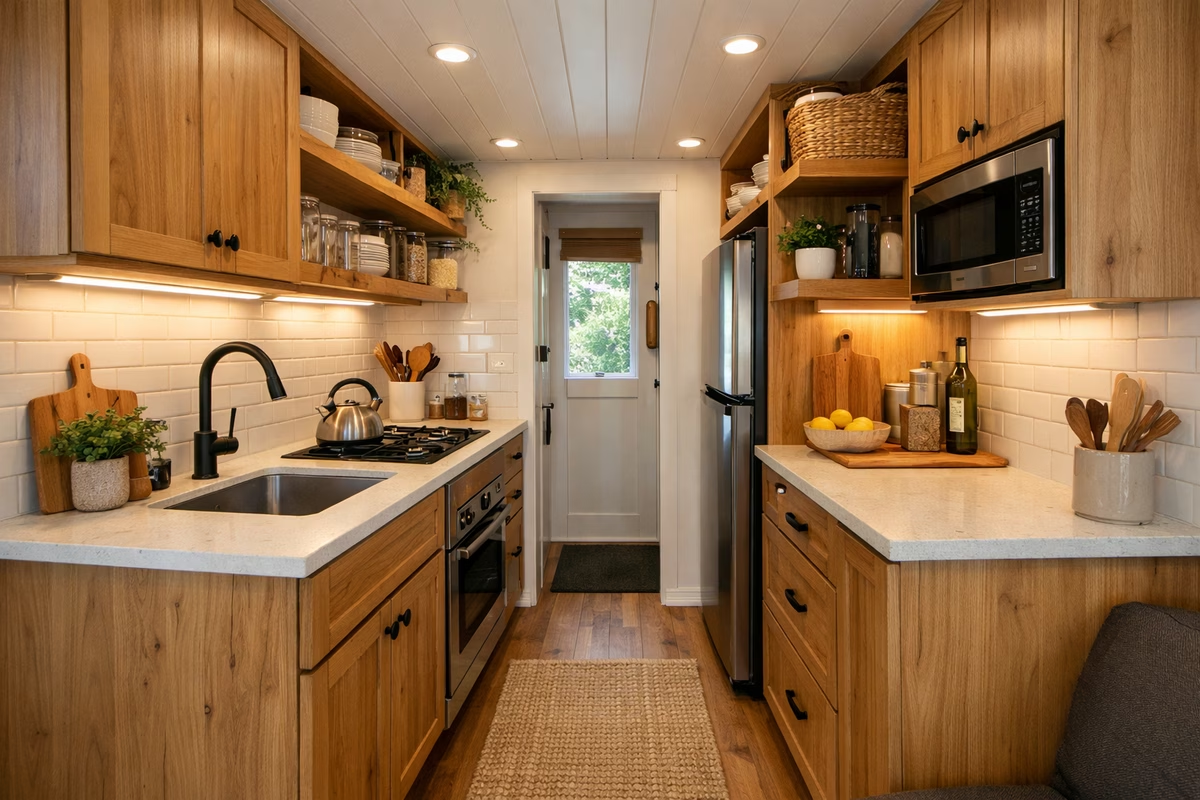
The strongest location is often near the bathroom or utility zone because supply and drain runs are shorter. That does not mean the washer should be forced into the bathroom at any cost. The bathroom may already be carrying the shower, toilet, sink, towel storage, fan, and plumbing access. Adding laundry can make sense when the room is long enough and the moisture plan is strong. In a tighter home, a hallway cabinet, kitchen-adjacent utility bay, or entry storage wall may handle laundry better.
Drainage deserves the same care as supply. The drain route should be properly planned, vented as required, and connected to an approved destination for the site and home type. Greywater rules vary, and laundry water can contain detergent, lint, soil, and other residues, so it should not be treated casually. The evergreen design principle is simple: make the water path legal, visible enough to inspect, and easy enough to maintain.
Laundry Storage Starts Before the Hamper
A good laundry plan begins before anything is washed. Dirty clothes need a place to wait that does not borrow the shower floor, the loft ladder, or the dining bench. In a tiny home, a lidded hamper can do more than hide clutter. It can contain odor, keep the floor clear, and make the wash routine visible before it becomes urgent. For couples or families, two small hampers may work better than one large bin because sorting happens gradually instead of taking over the room.
Clean laundry needs an equally honest landing place. Folding on the bed works occasionally, but it becomes irritating if every load interrupts sleep or requires clearing another surface. A counter above a washer, a fold-down table, or a section of the main work surface can serve if it is available at the right time. The important detail is not the furniture category. It is whether clean laundry can move from dry to folded to stored without lingering in piles.
Clothing quantity matters too. The Downsizing Story captures the emotional side of reducing possessions, but laundry gives the practical version. Too few clothes creates constant washing. Too many clothes consumes the storage that makes a tiny home livable. The comfortable middle depends on climate, work, exercise, children, pets, and access to laundry facilities. Design the storage around that real rhythm rather than an idealized capsule wardrobe that does not survive mud season.
Moisture Management Is Part of the Laundry Routine
Wet laundry adds moisture to the same small volume that already handles showers, cooking, breathing, and changing weather. If drying happens indoors, the ventilation plan has to include it. A cracked window may be enough on a dry mild day. In cold, rainy, or humid conditions, exhaust, balanced ventilation, heat, or dehumidification may matter more. A hygrometer is useful because it turns a vague feeling of dampness into a visible pattern.
The warning signs are ordinary: towels that stay sour, condensation after laundry days, musty smells near closets, damp bedding in a loft, or mildew on items stored against cold exterior walls. These are not moral failures. They are feedback from the building. The fix may be a better drying location, more airflow, smaller loads, a different machine, or a shift to outdoor or shared drying during difficult seasons.
Laundry should never make ventilation optional. If a tiny home has no reliable way to remove moisture, indoor line drying can overwhelm it. If the only drying zone blocks the entry path or crowds the sleeping area, the routine will be abandoned or resented. Good laundry design protects the home from dampness while protecting the person from chores that feel larger than the house.
Make the Routine Ordinary Before You Commit
Before the layout hardens, rehearse one normal wash day in the finished home. Imagine where dirty clothes collect, where the hamper is lifted, where the washer door opens, where detergent lives, where wet clothes go, where dripping is allowed, where clean clothes are folded, and where the machine can be serviced. Then imagine the same routine during rain, winter, a busy workweek, or a move day.
That rehearsal will reveal the design more clearly than an appliance spec sheet. It may show that a washer belongs under a counter near the bathroom. It may show that shared laundry is better and the home needs smarter hampers instead. It may show that the drying rack needs a window, a fan, and a clear wall more than the home needs another decorative shelf.
Laundry planning succeeds when it becomes uneventful. Clothes get dirty, then clean, then dry, then put away. Water enters and leaves where it should. The air recovers. The machine can be reached. The home does not become a laundry room for two days after every wash. In a tiny home, that quiet ordinariness is the whole point.