Tiny Living Still Needs Real Interests
Tiny home plans often make room for sleeping, cooking, bathing, and working, then quietly hope the rest of life becomes smaller. Hobbies expose that hope. A bike, sewing machine, fishing rods, climbing gear, garden tools, art supplies, musical instruments, camera cases, board games, winter sports equipment, or a box of repair parts can overwhelm a floor plan that only counted clothing and cookware. People do not become blank minimalists because the house is small. They still make, fix, ride, plant, play, and learn.
This guide fits beside Tiny Home Storage Planning , Tiny Home Outdoor Living , Tiny Home Entry Mudroom and Drop Zone Design , and Tiny Home Weight, Balance, and Towing Readiness . General storage gives the framework. Outdoor living gives the site edge. The entry manages dirty transitions. Towing reminds us that gear has weight and travel consequences.
The purpose is not to give every hobby a dedicated room. It is to keep the interests that make life feel like life from becoming permanent clutter or hidden damage.
Start With the Messiest Version of the Hobby
A hobby should be planned around its ordinary mess, not its clean photograph. Cycling includes helmets, locks, pumps, chain lube, wet tires, spare tubes, and the moment when the bike comes home muddy. Gardening includes soil, gloves, pots, pruners, hose pieces, damp boots, and seed packets. Art includes drying time, solvents or water cups where applicable, paper storage, lighting, and the need to leave a project out without eating dinner around it. Music includes instrument cases, humidity concerns, sound, and practice time. Repair work includes tools, parts, fasteners, and a surface that can tolerate scratches.
If the plan only stores the finished object, it will fail during use. A guitar may fit under the bed, but the case may block the aisle when practice begins. A sewing machine may fit in a cabinet, but fabric cutting may require the entire table. Camping gear may compress neatly after a trip, but it needs a drying route before it can be packed. The right question is not simply where the object goes. It is how the activity starts, spreads, pauses, dries, cleans up, and returns to storage.
This is where tiny homes reward honesty. If a hobby matters, give it prime enough storage that it can be used. If it only fits in the most awkward compartment, it may become guilt storage rather than an active part of life.
Divide Clean, Dirty, Wet, and Valuable
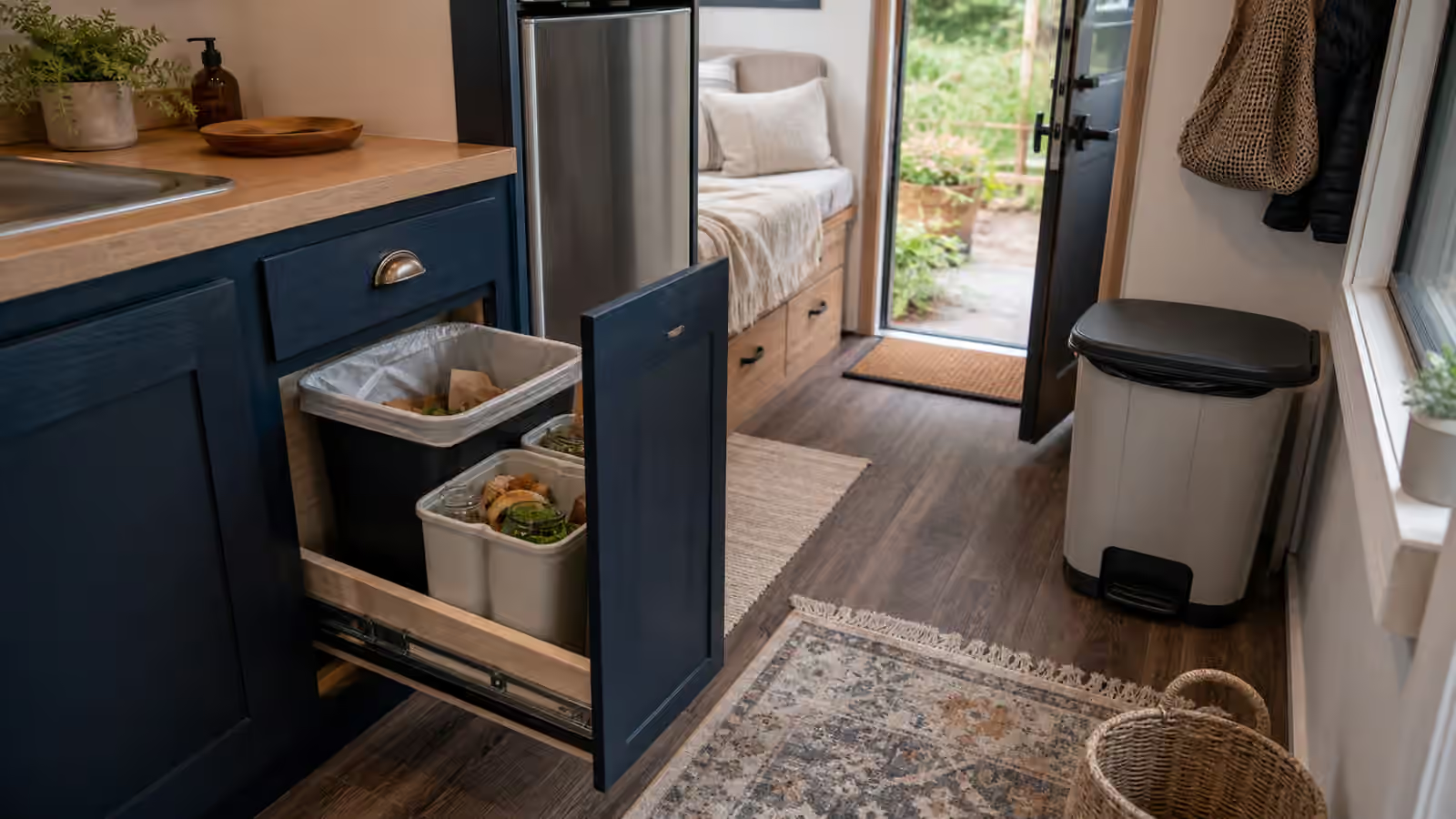
Not all gear belongs together. Clean fabric should not share a bin with oily tools. Electronics should not live under damp boots. Pet supplies should not mix with food storage. A bike helmet does not belong under a leaking hose. Tiny homes compress categories, so separation matters more, not less.
Think in terms of condition. Some items are clean and indoor-friendly. Some are dirty but dry. Some arrive wet. Some are sharp or oily. Some are fragile or expensive. Some are heavy. A good storage plan gives each condition a place that matches its behavior. Wet items need airflow before they enter closed storage. Heavy items belong low. Sharp tools need a safe position. Valuable items may need interior storage or a locked exterior cabinet depending on the site and risk.
Tiny Home Closet and Clothing Systems makes a similar point about seasonal clothing and wet gear. Hobby storage extends it beyond clothing. The mud from a garden trowel, the smell of a wetsuit, or the metal filings from a repair kit can affect the whole home if they are treated like ordinary drawer contents.
Use Outdoor Storage Without Abandoning Control
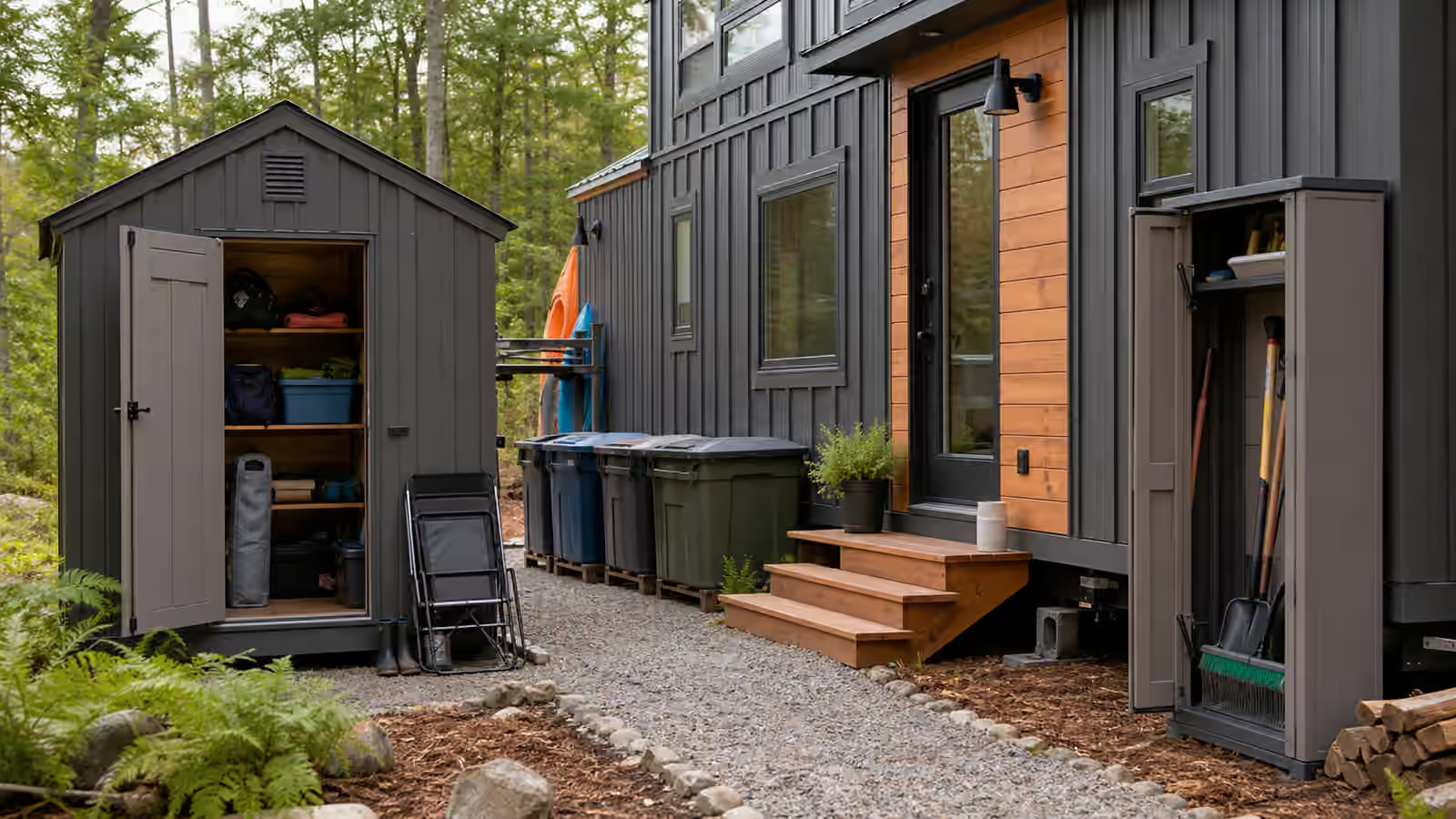
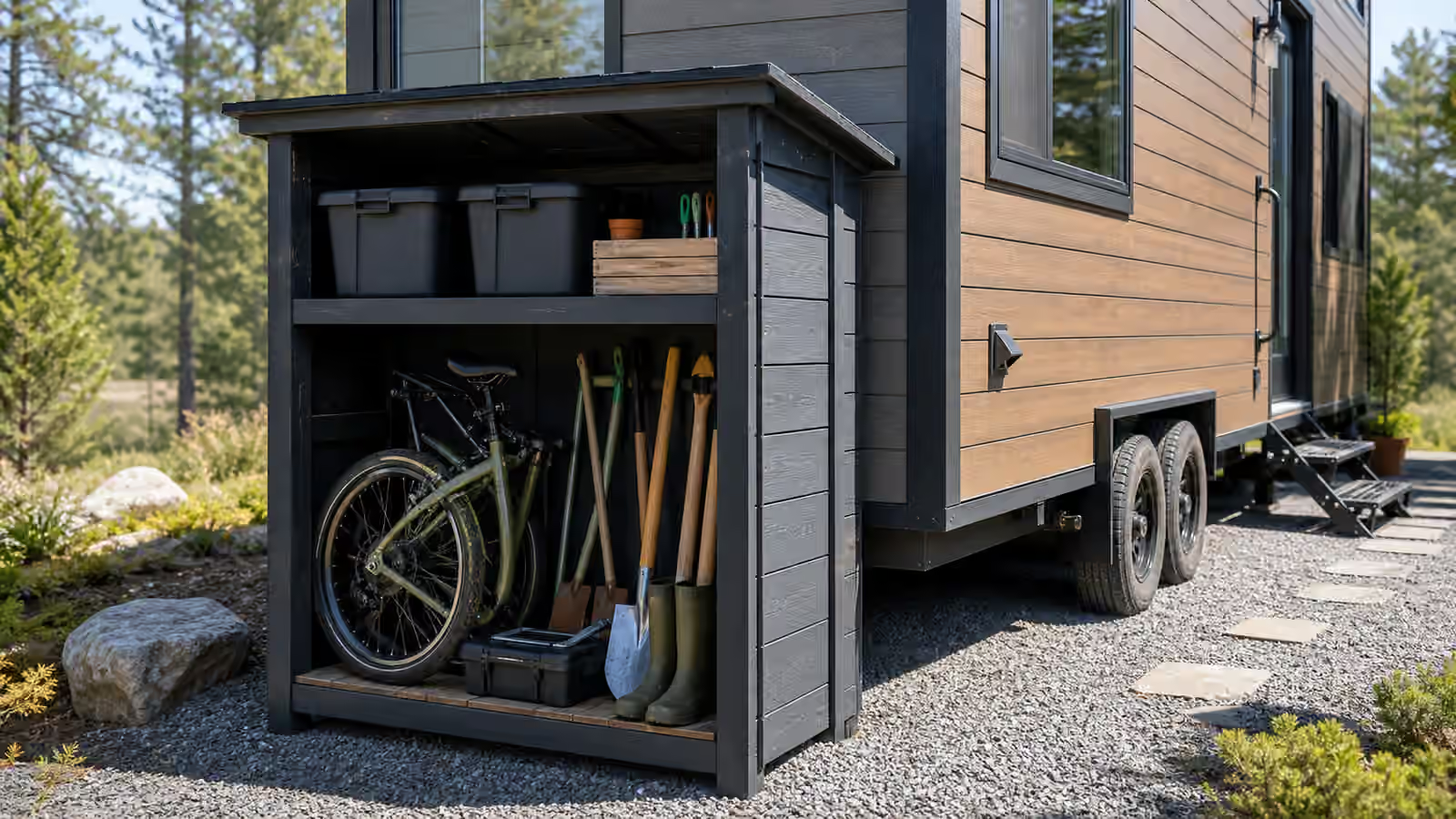
Outdoor storage can make tiny living more generous. A small shed, covered rack, utility cabinet, bench, or weatherproof box may protect the interior from bulky gear. It can also create new problems if it blocks windows, traps moisture, attracts pests, or becomes a place where objects go to be forgotten. The outdoor solution should be as deliberate as an indoor cabinet.
Place outdoor storage near the routine it serves. Garden tools belong near the garden or hose, not across the site. Cycling gear should be close enough to leave without dragging a dirty tire through the doorway. Firewood, where appropriate and permitted, should not lean against the siding. Repair tools should not block the panel they are meant to access. A storage shed that makes service harder is only moving the clutter from inside to outside.
Climate shapes the answer. In wet regions, airflow and roof cover matter. In hot regions, plastic bins and adhesives may degrade faster. In snowy places, a shed door needs room to open after accumulation. In windy places, lids and doors need secure latches. Tiny Home Outdoor Living covers the deck and threshold; hobby storage is one of the working reasons the outdoor room exists.
Weight and Balance Still Count
Hobby gear can be deceptively heavy. Tools, batteries, books, art materials, climbing hardware, canned garden supplies, and spare parts can add serious weight in a compact area. For a tiny house on wheels, that weight affects towing even if the items are not part of the original build. A beautiful under-bed drawer full of tools may be convenient while parked and unhelpful when every dense object sits behind the axles.
The towing guide explains the larger weight and balance problem. Hobby storage adds the daily layer: people keep acquiring useful things. A home that was weighed empty may not represent the lived home. If the THOW moves, review where heavy gear rides. Low, secured, and balanced storage is usually better than high shelves or rear corners. If the home is stationary, heavy gear still affects shelves, floors, access, and lifting strain.
For foundation tiny homes, the concern shifts from towing to structure, moisture, and access. A stack of heavy bins in a loft may be awkward and unsafe to retrieve. A tool chest on a weak deck may not belong there. A shed on soft soil may settle. The point is the same: hobbies are part of the load the home must support.
Create a Temporary Work Surface
Many hobbies need a surface more than a room. A fold-down table, removable plywood panel, outdoor workbench, covered porch bench, or dining table with a protective mat can make a hobby usable without claiming permanent space. The surface should fit the task. Painting, sewing, sharpening tools, tying fishing flies, repairing a bike tube, sorting seeds, or cleaning camera lenses all ask different things from light, height, mess tolerance, and storage nearby.
The key is to plan the pause. A project often cannot be finished in one sitting. If the only surface is also the dinner table, the resident needs a way to pause without turning every meal into cleanup. A shallow project tray, a lidded bin, a wall rail, or a protected shelf can hold the current state. Tiny Home Convertible Furniture and Built-Ins is useful here because flexible furniture succeeds only when the objects that live on the surface have somewhere to go.
Lighting and noise matter too. A hobby that requires concentration should not be placed under the only harsh overhead light. A noisy tool may not belong against a sleeping wall. A messy task may belong outside, but only if there is shade, power where appropriate, and a clean route back to storage.
Repair Gear Deserves Its Own Category
Some gear is not recreational. It keeps the tiny home working. Spare filters, fuses, sealant, screws, tape, hose washers, tire-pressure tools, a compact tool kit, touch-up finish, and appliance manuals may look like clutter until something fails. They should not be mixed randomly with hobby supplies because they need to be found under stress.
Tiny Home Repair Kit and Spare Parts covers this directly. The storage lesson is to separate repair readiness from hobby abundance. A box of art supplies can wait while someone searches. A water shutoff tool should not. If a service panel requires a special bit, that bit belongs near the repair kit, not at the bottom of a craft drawer.
This distinction also helps prevent over-storage. Not every spare board, leftover tile, half-used finish, old hinge, and mystery bracket needs to stay forever. Keep what is specific, useful, documented, and hard to replace. Let the rest leave before the tiny home becomes a warehouse for projects that no longer exist.
Let the Home Reflect the Life, Not the Fantasy
Hobby and outdoor gear storage succeeds when it protects active life without letting every object claim equal importance. The home should make room for the interests that are truly used. It should also be honest about the hobbies that belong elsewhere, need shared facilities, or require downsizing before move-in. That honesty is not a failure of tiny living. It is what keeps tiny living humane.
Walk through a week with the gear included. Where does the wet jacket dry after a hike? Where does the bike go when rain is coming? Where does the sewing project pause? Where do tools live after a repair? Where does the garden soil stay out of the kitchen? If the answers are clear, the home can hold more life than its size suggests. If the answers depend on piles, the floor plan is not finished. Real interests deserve real routes.