Electricity Is a Layout Decision
Tiny home electrical planning is often treated as a late-stage technical layer, something that happens after the floor plan, cabinet design, appliances, and lighting mood are already settled. That order creates trouble. In a small house, the electrical system is not tucked away in a distant garage or basement. It runs through the same walls that need insulation, the same cabinets that need storage, the same wet rooms that need drying, and the same utility spaces that may also hold plumbing, batteries, inverters, water heaters, and ventilation equipment.
The best tiny home electrical systems feel quiet and ordinary. Lights turn on without flicker, the fridge does not trip an inverter, the water pump has power when someone is showering, and the owner can find the shutoff without unloading half the house. That ordinariness comes from planning the electrical system as part of the home, not as a collection of devices bought after the build is mostly finished.
This page sits between Solar Power Sizing , Sustainable Systems , Site Prep and Setup , Design Principles , and Tiny Home Maintenance . Those guides cover energy production, off-grid choices, site conditions, layout, and long-term care. Here the focus is the electrical plan itself: what must be powered, where the system lives, how the home receives power, and how to keep service access from being sacrificed to a pretty interior.
This is not a wiring manual. Electrical work can create fire, shock, and equipment hazards when it is designed or installed poorly. Codes, permitted methods, voltage standards, grounding rules, overcurrent protection, and inspection requirements vary by place and by building type. A qualified electrician or other appropriate professional should handle the final design and installation. The useful work for the owner, designer, or builder is to understand the decisions early enough that the professional is solving the right problem.
Decide How the Home Will Receive Power
The first question is not where the outlets go. It is how the home will receive power on an ordinary day. A tiny house on wheels parked at a developed site may rely on shore power through an exterior inlet. A foundation tiny home may be served more like a small conventional house. A remote cabin may lean on solar, batteries, and a generator. Many real homes are hybrids, with shore power available at some sites and battery power needed at others.
Each pattern changes the design. Shore power makes daily use easier when the site is prepared, but it still requires a safe inlet, proper cord management, suitable overcurrent protection, and a clear relationship between the house panel and the supply. Off-grid power shifts attention to batteries, inverter capacity, charging sources, and load discipline. A hybrid system needs especially clear controls so the owner is never guessing which source is feeding the home.
The mistake is designing for an imagined lifestyle rather than the real parking pattern. If the home will spend most of its life connected to a pedestal or building supply, plan that interface carefully and make it durable. If it will move between sites, think about cord storage, weather exposure, inlet location, and what happens when the available supply is weaker than expected. If it will spend long stretches off-grid, read the electrical plan alongside Solar Power Sizing before choosing electric cooking, electric hot water, or resistance heat.
Load Planning Comes Before Equipment Choices
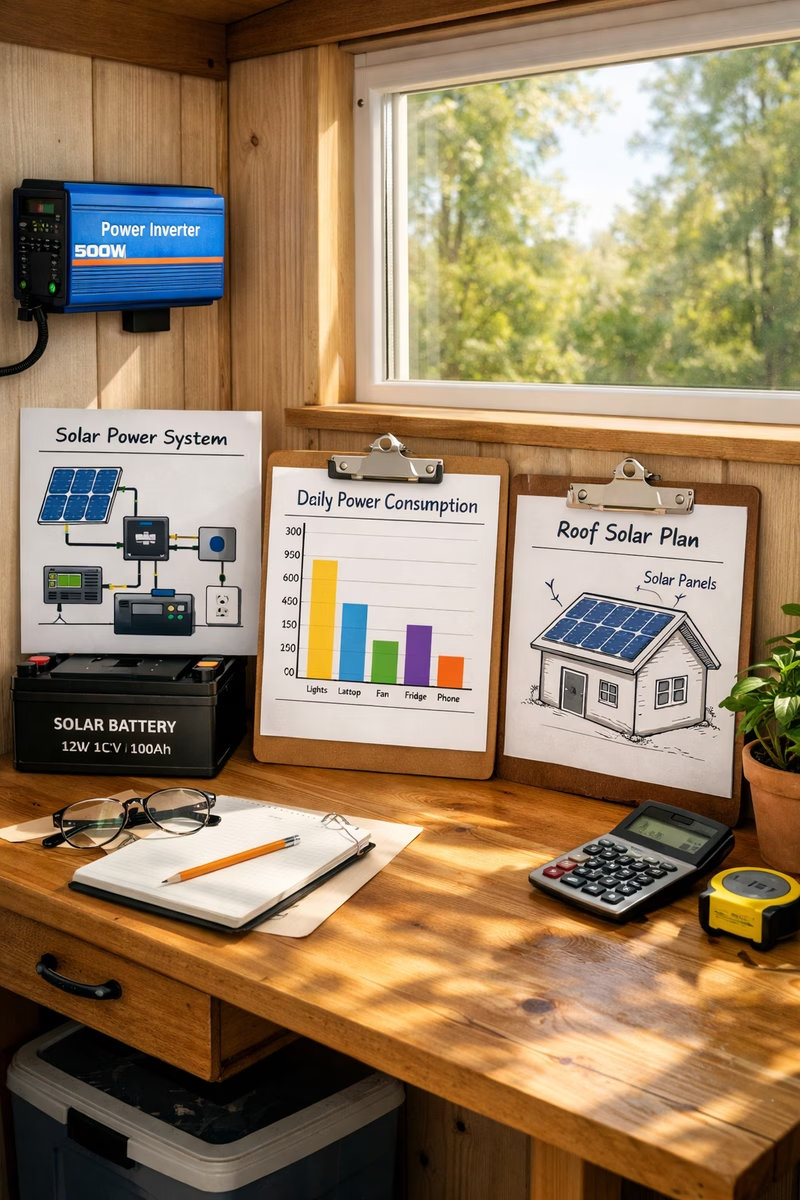
A load plan is simply an honest picture of what the home needs to run. In a tiny home, that includes obvious items such as lights, outlets, refrigerator, cooktop, water pump, ventilation fan, heater controls, air conditioner, water heater, internet equipment, laptop chargers, and exterior lights. It also includes the less obvious standby loads that quietly draw power whenever the system is awake.
The important distinction is between energy over time and power in the moment. A laptop may use modest energy across a day, while a microwave may demand a large burst for a short time. A fridge may not look powerful, but because it cycles day and night it becomes a meaningful daily load. A water pump may run only briefly, yet its startup can matter to a small inverter. The electrical plan should account for both the daily energy budget and the worst realistic combination of simultaneous loads.
This is where tiny homes reward restraint. Every high-draw electric appliance shapes the rest of the system. Induction cooking, tankless electric water heating, electric space heat, air conditioning, laundry equipment, power tools, and hair dryers can all be reasonable in the right setting, but they are not neutral decisions. They affect service size, inverter size, battery capacity, wire runs, ventilation, and operating habits. Choosing one large electric comfort load may be manageable. Stacking several of them into a small off-grid home can make the system expensive, cramped, noisy, and fussy.
A better approach is to make the load conversation visible while the layout is still flexible. If the owner wants an induction cooktop, the kitchen electrical plan should say so early. If the water heater will be electric, it belongs in the energy plan as much as in the plumbing plan. If a mini-split will provide heating and cooling, its electrical requirements should be coordinated with the HVAC location described in Tiny Home Heating and Cooling . The plan does not need to be perfect at the sketch stage, but it needs to name the large loads before cabinet depths and wall cavities are locked.
Keep AC, DC, and Control Wiring Legible
Many tiny homes contain more than one electrical world. There may be household alternating-current circuits for normal outlets and appliances. There may be low-voltage direct-current circuits for batteries, lights, pumps, fans, controls, or solar equipment. There may be signal wiring for thermostats, battery monitors, tank sensors, internet hardware, security devices, or future controls. The home may be physically small, but the electrical categories still need to be separated and understood.
Legibility matters because future maintenance often happens under stress. If a pump stops, an inverter alarms, or a breaker trips during bad weather, the owner needs to know which part of the system is involved. A cabinet full of unlabeled wires, mismatched colors, and hidden junctions turns a small fault into a long investigation. Clean routing, accessible junctions, durable labels, and a simple owner diagram make the system less mysterious.
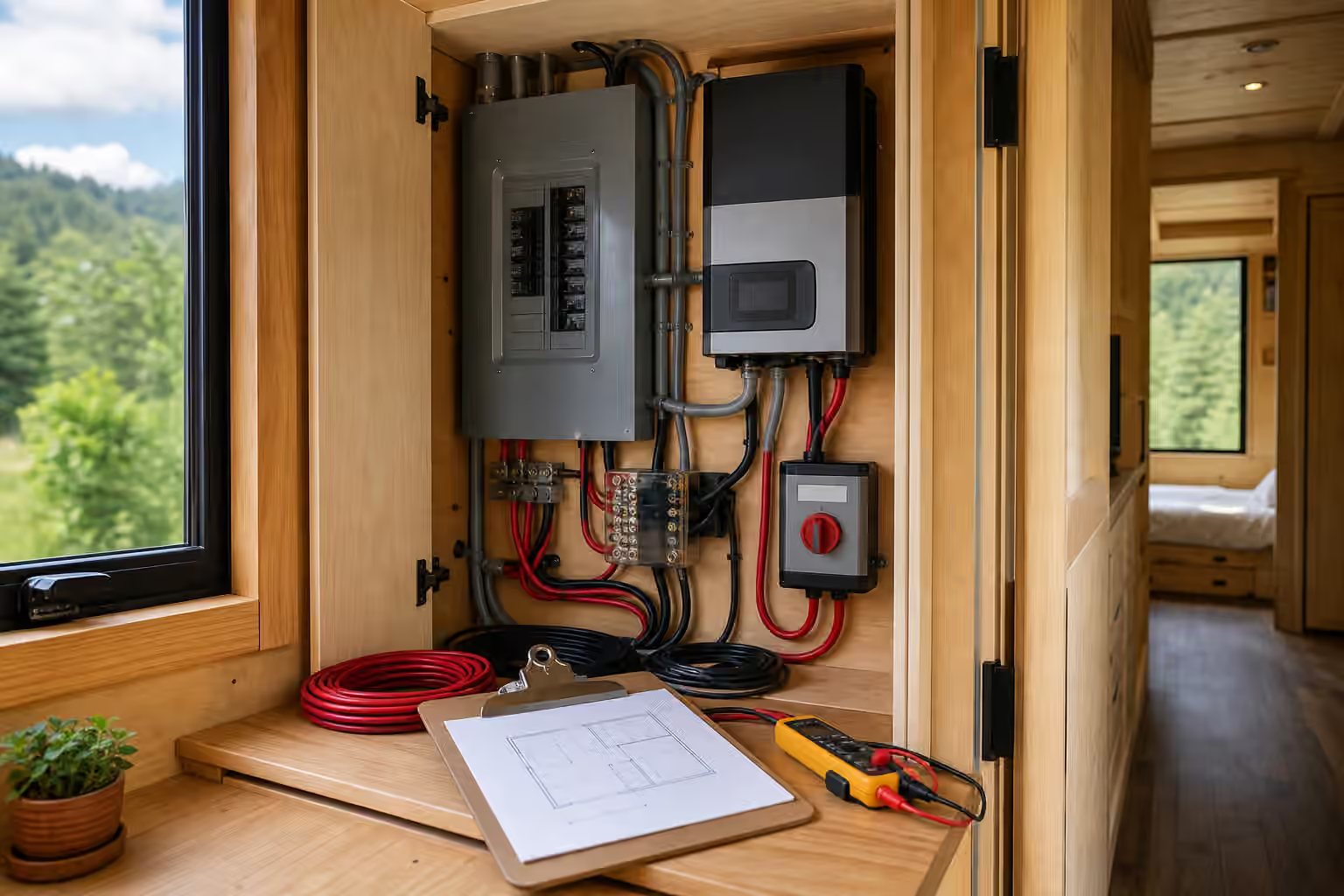
The boundary between battery equipment and household circuits deserves particular care. Inverters, chargers, transfer equipment, disconnects, fuses, breakers, and grounding or bonding details are not decorative accessories. They decide how the system behaves during normal use, charging, faults, maintenance, and source changes. That is why this part belongs with a professional design, especially in homes that move between shore power and battery power.
Give the Electrical Core a Real Home
Tiny homes often hide their mechanical systems under stairs, inside benches, behind closet panels, or below built-in beds. That can be efficient, but the electrical core should not be buried as if it will never need attention. Panels, inverters, battery switches, fuses, chargers, monitors, and major junctions all need access. They also need protection from stored objects, spilled water, dust, vibration, heat buildup, and accidental damage.
The best utility location is usually boring: dry, reachable, ventilated as needed, structurally supported, and close enough to the relevant equipment that wire runs remain sensible. It should allow a person to open the panel or service cover without kneeling in a puddle, removing a mattress, or emptying a pantry. It should have enough working space for a professional to inspect and maintain the system. In a tiny home, giving up a little storage volume for a calm utility bay is often the difference between routine maintenance and destructive troubleshooting.
Batteries add another layer. Different battery chemistries and equipment packages have different requirements for temperature, ventilation, orientation, clearances, protection, and monitoring. Batteries are also heavy, so their location affects structure and, in a house on wheels, weight distribution. The guide to Tiny Home Weight, Balance, and Towing Readiness is relevant here because an electrical decision can become a towing decision when heavy components are placed far from the axle group or high in the home.
Design Circuits Around Rooms and Habits
Outlet placement in a tiny home should follow routines rather than habit copied from a larger house. The kitchen may need power for a fridge, cooking appliance, range hood, water filter, under-cabinet lighting, small appliances, and charging. The bathroom may need protected outlets, ventilation, lighting, and power for whatever toilet or water system the home uses. The sleeping area may need reading lights, device charging, and a fan that can run without an extension cord. The exterior may need lighting, a utility outlet, heat tape provisions in cold climates, or power for setup tasks.
The small footprint makes extension cords tempting, but relying on them for normal living is usually a sign that the circuit plan missed the routine. A better plan asks where objects will sit when the home is occupied. Where does the kettle live while it is hot? Where does the laptop charge while someone cooks? Where does the vacuum or small heater plug in without crossing the walking path? Where does the dehumidifier sit during a damp week? These questions sound mundane, which is exactly why they matter. Tiny homes become tiring when ordinary gestures require improvisation.
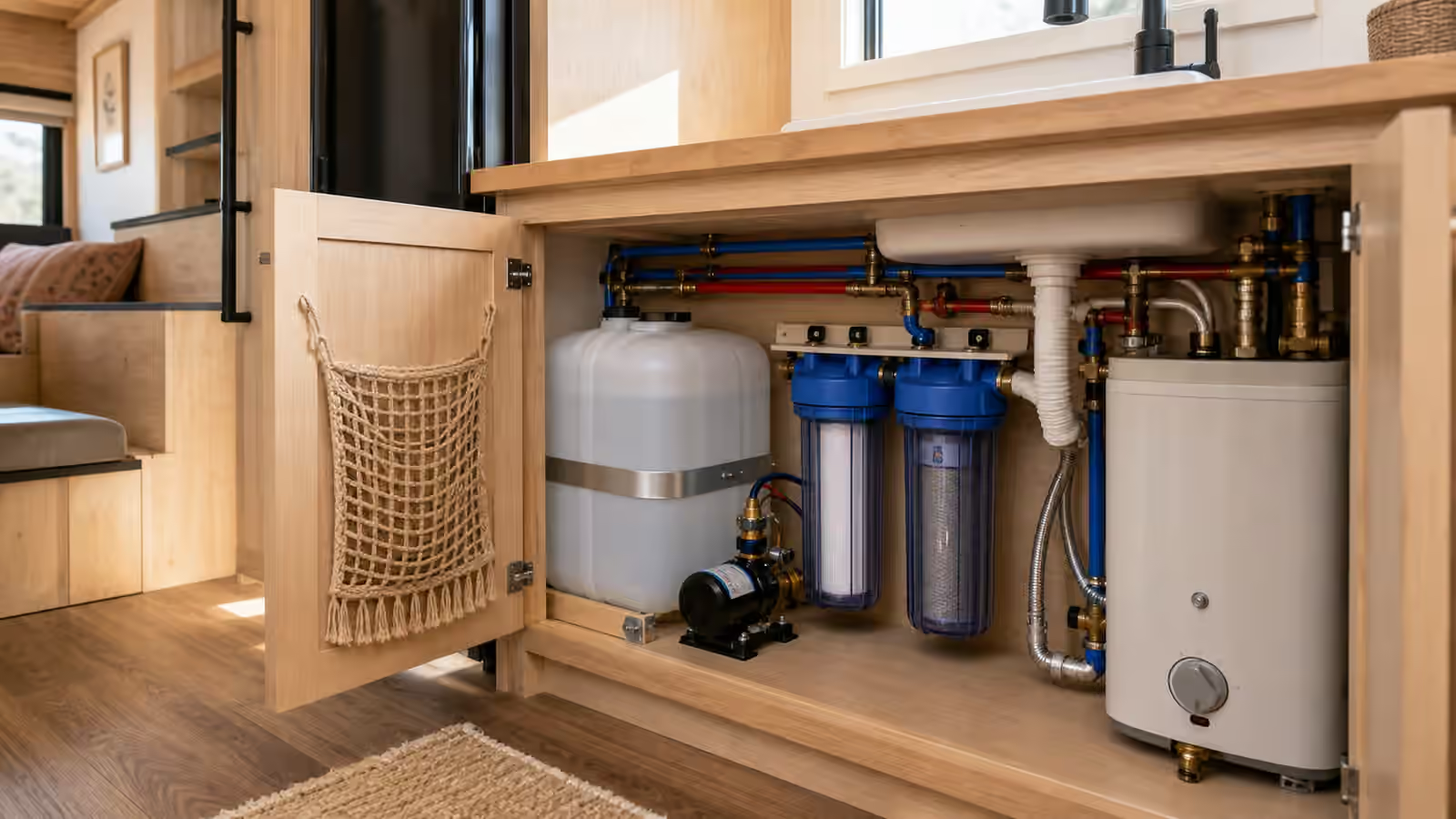
Wet and damp areas need extra care. Kitchens, bathrooms, utility compartments, exterior outlets, and under-sink spaces all bring electricity close to water. The exact protective devices and installation methods should follow the applicable code and professional design, but the planning principle is stable: keep electrical components away from predictable splash, condensation, leaks, and standing water. The plumbing plan in Tiny Home Water Systems should be read alongside the electrical plan so pumps, heaters, valves, filters, and service panels do not fight for the same cramped space.
Shore Power Is Part of the Site Plan
For a movable tiny home, the power inlet is both an electrical detail and a site detail. It needs to be reachable from the place a cord will actually run. It should be protected from road spray, impact, standing water, and casual damage. It should not require a cord to cross a doorway, sit under a tire path, or stretch tight across a gravel pad. The route from supply to home should make sense in bad weather and in the dark, because that is when awkward setup details become memorable.
The supply at the site matters too. A home designed around generous shore power may behave differently when plugged into a smaller or shared supply. Owners sometimes discover that the combination of cooking, heating, hot water, and charging pushes past what a temporary hookup can support. Load management then becomes part of daily life. That does not mean the home is poorly designed; it means the owner needs to understand the limits of each power source and avoid stacking large loads when the supply is modest.
Site Prep and Setup covers pads, access, drainage, and hookups more broadly. Electrical planning should join that conversation early. A beautiful parking spot with poor utility access can create daily frustration. A slightly less picturesque placement with a dry cord route, stable supply, and enough room to reach the utility side of the house may live much better.
Solar and Batteries Need an Operating Plan
Solar equipment is not just a collection of panels and batteries. It changes how the owner uses the home. When batteries are full and the sun is strong, running a larger load may be sensible. When the weather is dark and the battery monitor is dropping, the same load may be a poor choice. A good electrical plan makes this visible through clear monitoring, understandable controls, and appliance choices that fit the intended lifestyle.
The solar sizing page explains the math of daily energy, battery capacity, panel output, and inverter surge. The electrical planning layer asks how that system will be used once installed. Can the owner see battery state without opening a utility cabinet? Is there a simple way to turn off nonessential loads? Are critical loads grouped so the fridge, pump, ventilation, and basic lighting can remain available during conservative operation? Does the home have a backup charging strategy for long storms, shaded parking, or seasonal low sun?
This is also where electric heating and hot water deserve skepticism. They may be perfectly reasonable on reliable shore power, but they can dominate a battery system. The choice is not moral; it is arithmetic. If the home is meant to be off-grid for meaningful periods, the energy plan should decide whether heat, cooking, and hot water belong on electricity, fuel, or a mixed approach. Sustainable Systems gives the broader context, but the electrical cabinet is where those choices become real hardware.
Plan for Heat, Moisture, and Movement
Electrical components do not like being treated as background clutter. Inverters and chargers can produce heat. Batteries may have temperature limits. Panels and junctions need dry conditions. Exterior inlets and underbody wiring may face vibration, dust, water, and road debris. A foundation tiny home has its own concerns, but a tiny house on wheels adds movement and exposure that should be respected from the start.
Moisture is a recurring tiny home theme because small interiors concentrate cooking, showering, breathing, wet coats, and seasonal temperature swings. Electrical planning should support the moisture plan rather than fight it. Fans need power. Dehumidifiers may need a practical outlet and drain strategy. Utility bays should not become cold, unvented pockets where condensation forms behind a removable panel. The Ventilation and Moisture Control guide is not separate from the electrical system; it depends on it.
Movement matters for homes on wheels. Wires need protection where they pass through framing, cabinets, floors, or metal. Equipment should be mounted for travel vibration, not just for a still photo after installation. Cords and detachable parts need places to live during a move. The electrical plan should imagine the home being driven, parked, leveled, connected, disconnected, and inspected many times, even if moves are rare.
Leave Room for the Future Without Making the Present Fragile
Tiny homes change after move-in. Owners add a router, a better fan, a freezer, a desk setup, a heated hose, an exterior light, a tool charger, or a different cooking appliance. It is sensible to leave some room for future circuits, conduit paths, access panels, and monitoring upgrades. It is less sensible to overbuild an elaborate system for every possible future fantasy.
The balanced approach is to protect the hard-to-change paths. If a wall will be closed forever, think carefully about conduit, junction access, and likely future outlets. If a utility cabinet will hold the electrical core, leave physical space and panel capacity where appropriate. If solar may be added later, think about roof penetrations, wire chases, controller location, and battery space before the interior is finished. These quiet preparations cost far less during construction than after cabinetry and siding are complete.
At the same time, keep the system understandable. A tiny home does not benefit from a maze of unused features that no one can explain. The owner should be able to describe the power sources, main disconnects, essential loads, high-draw loads, and service points in plain language. If the system requires a binder to operate the lights and cook dinner, it may be clever on paper but poor in daily life.
Walk the System Before the Walls Close
The most useful electrical review happens before the system disappears behind finished surfaces. Walk the home slowly with the floor plan, appliance list, and site assumptions in hand. Stand where someone will cook and imagine the actual appliances. Sit where someone will work and find the outlets. Open the utility cabinet and look for service space. Trace the route from exterior power inlet to panel, from batteries to inverter, from solar entry to controller, and from wet rooms to protected circuits. Ask what happens during a storm, a move, a tripped breaker, a dead battery, or a leaking sink.
This walkthrough is not about second-guessing the professional installation. It is about catching mismatches between design intent and daily use. The electrician may have made a clean, code-compliant installation exactly where the drawings said it should go, while the owner later discovers that the only good desk outlet is behind a drawer or the main shutoff is hidden by stored linens. Those are planning failures, not craftsmanship failures.
Good tiny home electrical design is practical before it is impressive. It gives power to the routines that matter, refuses unnecessary load drama, keeps wet and hot areas in mind, leaves service access visible, and makes the source of power understandable. When it works, the system mostly disappears. That disappearance is earned through early decisions: a realistic load plan, a durable shore-power strategy, a sensible battery and solar conversation, and a utility layout that respects the person who will eventually have to open the panel and solve a problem.