The Sink Is a Daily Traffic Center
In a tiny home, dishes do not stay in the kitchen. They affect the view from the bed, the smell of the room, the humidity level, the usable counter, and the mood of the person trying to make coffee the next morning. A few plates in a large house can disappear into the background. In a tiny home, a small pile beside the sink can make the whole main room feel unfinished.
This guide is not about perfection. It is about giving washing, drying, and putting away a route that fits the space. Read it with Tiny Home Kitchen Design , Tiny Home Pantry and Grocery Planning , Tiny Home Water Systems and Plumbing , and Ventilation and Moisture Control . Dishes sit at the meeting point of food, water, storage, airflow, and daily reset.
Choose the Sink for the Routine, Not the Drawing
A tiny sink can make a drawing look generous because it leaves more counter. That trade can backfire if the resident cooks often, uses real pans, or has no dishwasher. A sink that cannot hold a skillet creates splashing, soaking improvisations, and a habit of leaving awkward items on the counter. A slightly larger sink may protect the whole kitchen by containing the mess until it is handled.
The sink does not need to be oversized. It needs to match the routine. Someone who mostly rinses mugs and bowls may be happy with a compact basin. Someone who cooks dinner nightly may need depth more than width. A home with a compact dishwasher may use the sink differently from a home where every item is washed by hand. The Tiny Home Appliance Planning guide can help if a dishwasher is under consideration, but the sink still has to carry ordinary tasks.
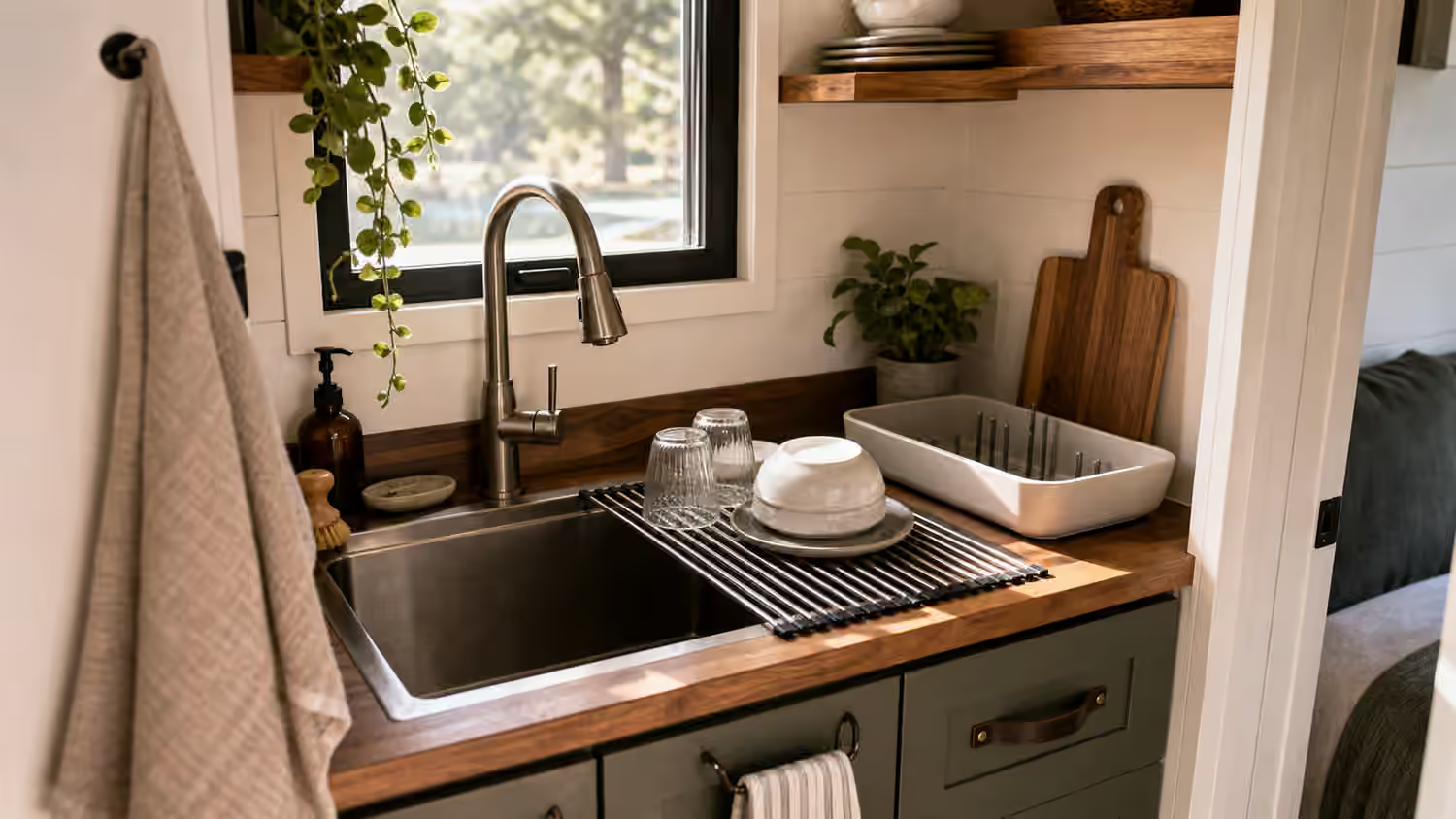
Faucet choice matters too. A pull-down sprayer can make a small sink more flexible. A faucet that splashes against a shallow basin can make the counter wet after every meal. A tall faucet may hit a shelf or window detail. A low faucet may make bottle filling and pot washing annoying. The faucet, basin, and surrounding counter should be considered together, not as separate products.
Drying Space Is Real Counter Space
Many tiny kitchens reserve counter for prep and forget that clean dishes need somewhere to dry. The result is a rack that lives permanently on the most useful surface. That may be acceptable if the rack is small and the household washes often, but it should be a deliberate choice. Otherwise the home begins every meal with the counter already occupied.
Drying can happen in several ways. A roll-up rack over part of the sink can work when the sink is wide enough and the items are modest. A shallow tray can move to a shelf after washing. A wall-mounted rack can keep plates vertical if it drains safely and does not crowd the room. A dish towel can handle a small breakfast but fails when dinner creates pots, lids, and cutting boards. The best system is not the prettiest one. It is the one that lets dishes finish drying and return to storage without becoming a display.
Air is part of drying. A rack tucked into a closed cabinet may look clean but can trap moisture. A towel under dishes may protect the counter but can sour if it never dries. Wood counters need special attention around wet zones because standing water will find seams, scratches, and edges. Tiny Home Interior Finish Materials is useful because the dish station is one of the hardest-working finish areas in the home.
The Put-Away Path Should Be Short
Washing dishes is only half the routine. The kitchen feels calm when clean items can return to their homes without a second sorting project. If the plates live across the aisle, glasses live above a bed platform, pans live under a bench, and utensils live in a drawer blocked by the drying rack, clean dishes will linger. The rack becomes storage because storage is too hard.
The strongest dish stations place everyday items close to where they are washed and used. Plates, bowls, mugs, utensils, cutting boards, and frequently used pans do not need elaborate homes, but they need reachable ones. Open shelves can work when the items are few and used often. Closed cabinets can keep the room calmer. Drawers can make small stacks easier to reach. The storage plan should support the wash cycle, not just the move-in photo.
This is where pantry planning and dish planning overlap. If the mug shelf is also the tea shelf, the morning routine becomes smoother. If the cutting board slot is beside the prep area and the sink, cleanup is faster. If the pan storage is low and close to the cooktop, heavy items are less likely to live on the counter. A tiny kitchen works when repeated motions are short.
Water Use Changes the Habit
Some tiny homes have standard water and sewer connections. Others use tanks, pumps, hauled water, graywater containers, campground hookups, or off-grid systems. Dishwashing feels different in each one. A person with limited water may wash in batches, wipe pans before washing, or use a basin method. A person on full hookups may prioritize speed and sanitation. A person managing graywater may think carefully about food scraps, grease, and where water goes after the sink.
The point is not to invent one universal dish method. It is to let the water system shape the station. If water is limited, a basin needs a place to live. If the pump is loud, late-night washing may disturb sleep. If hot water is slow, dishes may pile up while the resident waits. If graywater handling is sensitive, strainers and food waste routines matter. Tiny Home Wastewater and Graywater Planning should be read before assuming that a normal kitchen sink can behave normally on every site.
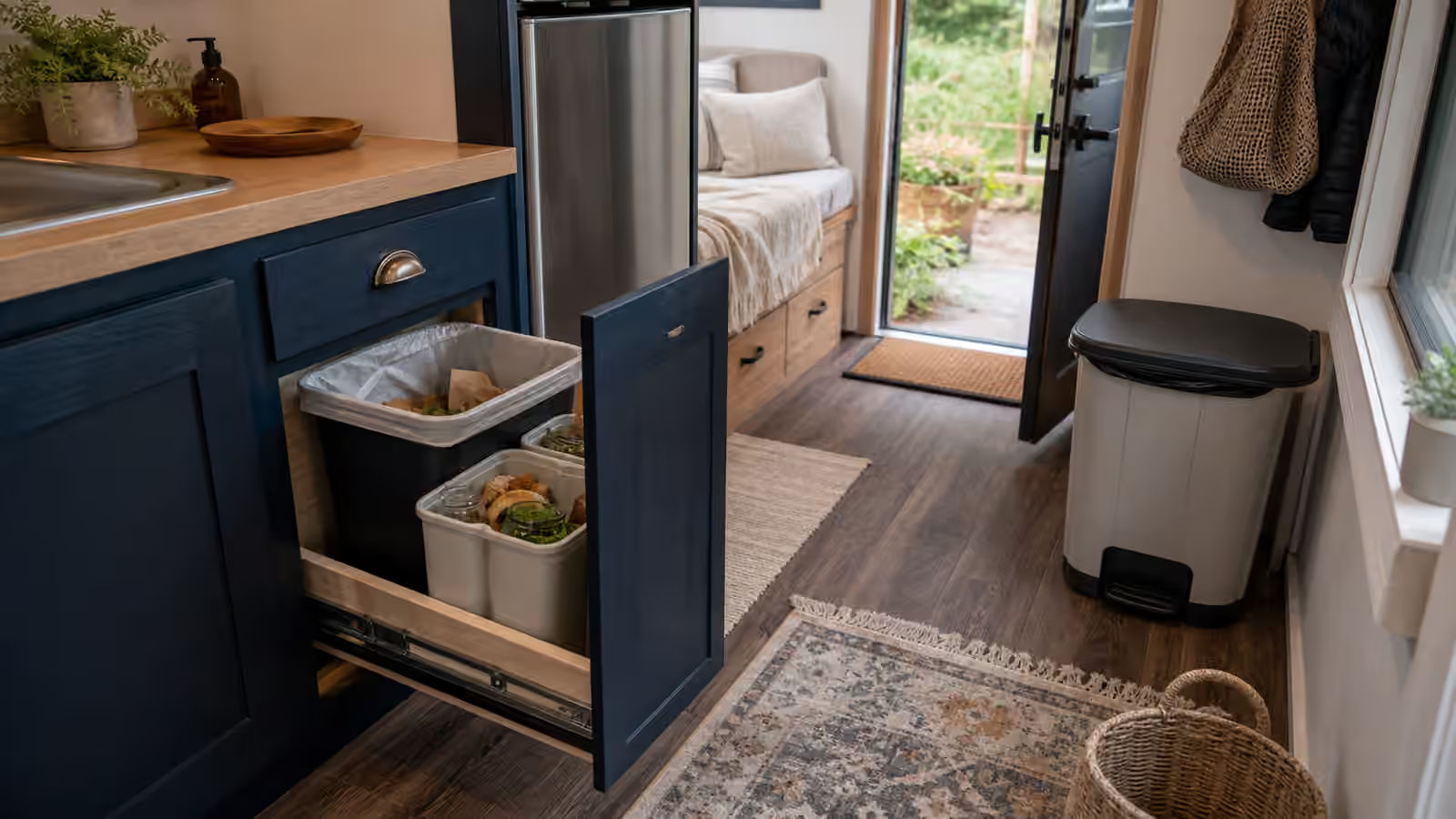
Food scraps also need a route. A tiny trash bin hidden under the sink may be convenient, but it can smell if damp waste sits too long. Compost may be useful in some settings and impractical in others. A sink strainer, small scrap bowl, and quick disposal routine can protect plumbing and reduce odors without turning the kitchen into a sorting station.
Towels, Brushes, and Soap Need Homes
The smallest objects often make the dish area look messy. A sponge, brush, soap pump, scrubber, towel, bottle brush, drying mat, and sink stopper can crowd a narrow counter. If they have no homes, they stay in view even when the dishes are gone. That is why the dish station needs micro-storage.
The storage should allow drying. A wet brush in a sealed drawer is not a solution. A sponge trapped in a dark corner becomes unpleasant. A towel hung where it brushes the floor or blocks a drawer will not stay there for long. Small rails, hooks, ventilated caddies, magnetic holders, and shallow trays can all work when placed where the hand naturally reaches. The exact hardware matters less than the habit it supports.
Cleaning supplies should stay distinct from food and dishes. A tiny under-sink cabinet can become crowded with plumbing, trash, filters, soap refills, rags, and chemicals. Keep the area serviceable. Tiny Home Service Access and Shutoff Mapping is a useful companion because the under-sink zone is often both storage and infrastructure. Do not pack it so tightly that a leak, valve, or filter becomes unreachable.
Ventilation Finishes the Reset
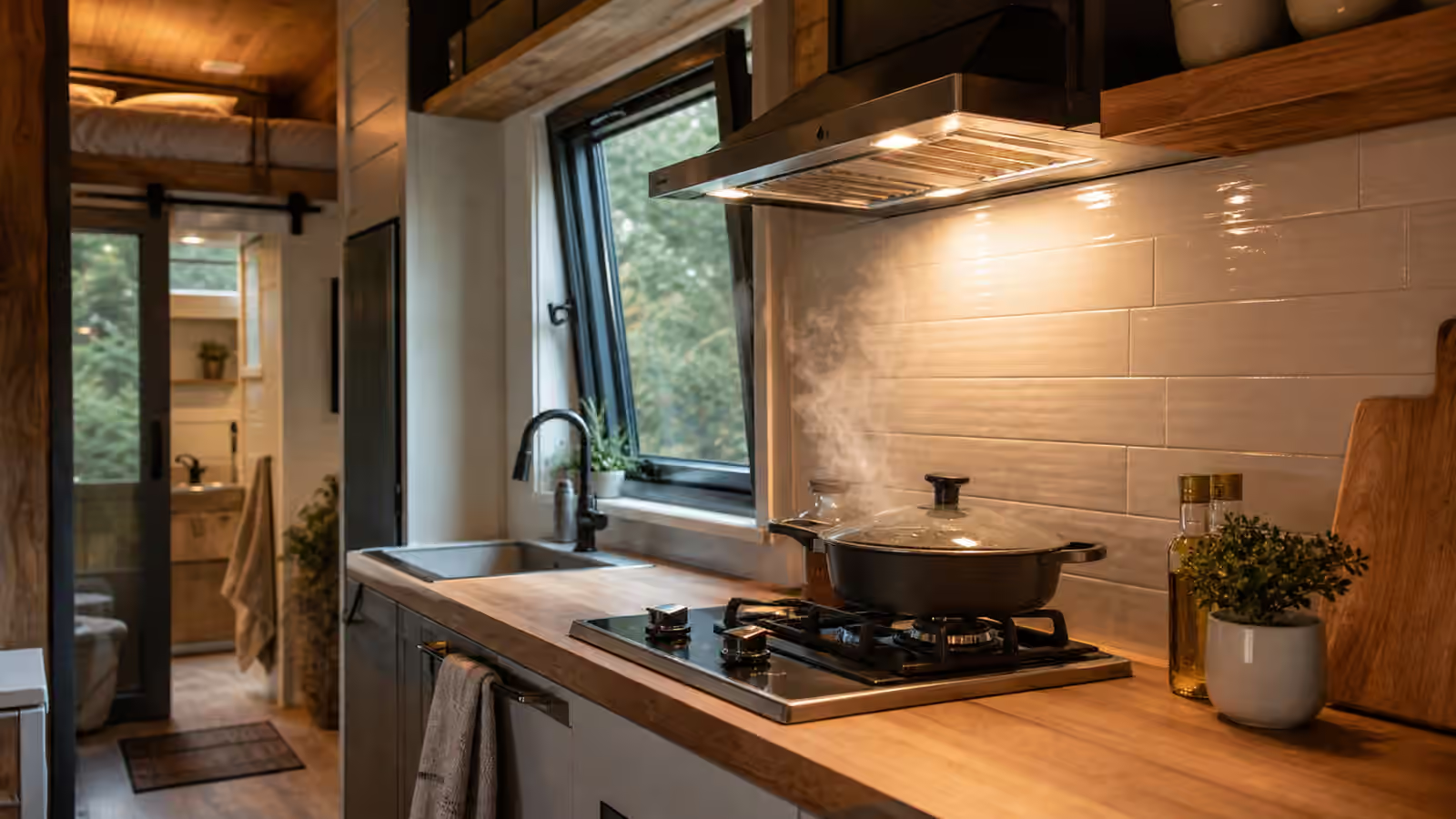
Dishwashing adds moisture to the smallest room in the house, which is often the main room. Hot water, drying towels, wet counters, and open racks all raise humidity for a while. In dry weather this may be minor. In cold or humid weather, it can contribute to window condensation, musty towels, and damp cabinets. The dish routine should include air movement when needed.
That may mean running a range hood, opening a window briefly, using a bathroom fan strategy, or letting a small fan move air across a wet zone. It also means avoiding permanent damp piles. A dish towel that never dries is not only a towel problem; it is a ventilation clue. A cabinet that smells stale after dishes are put away may need more air, different materials, or a better drying sequence.
A good dish station lets the kitchen return to service. The sink can hold the mess for a short time, the rack can dry what was washed, the storage is close enough that clean items leave the rack, and the wet tools can dry without spreading across the counter. In a tiny home, that reset has emotional weight. When the sink is calm, the whole room feels more available.