
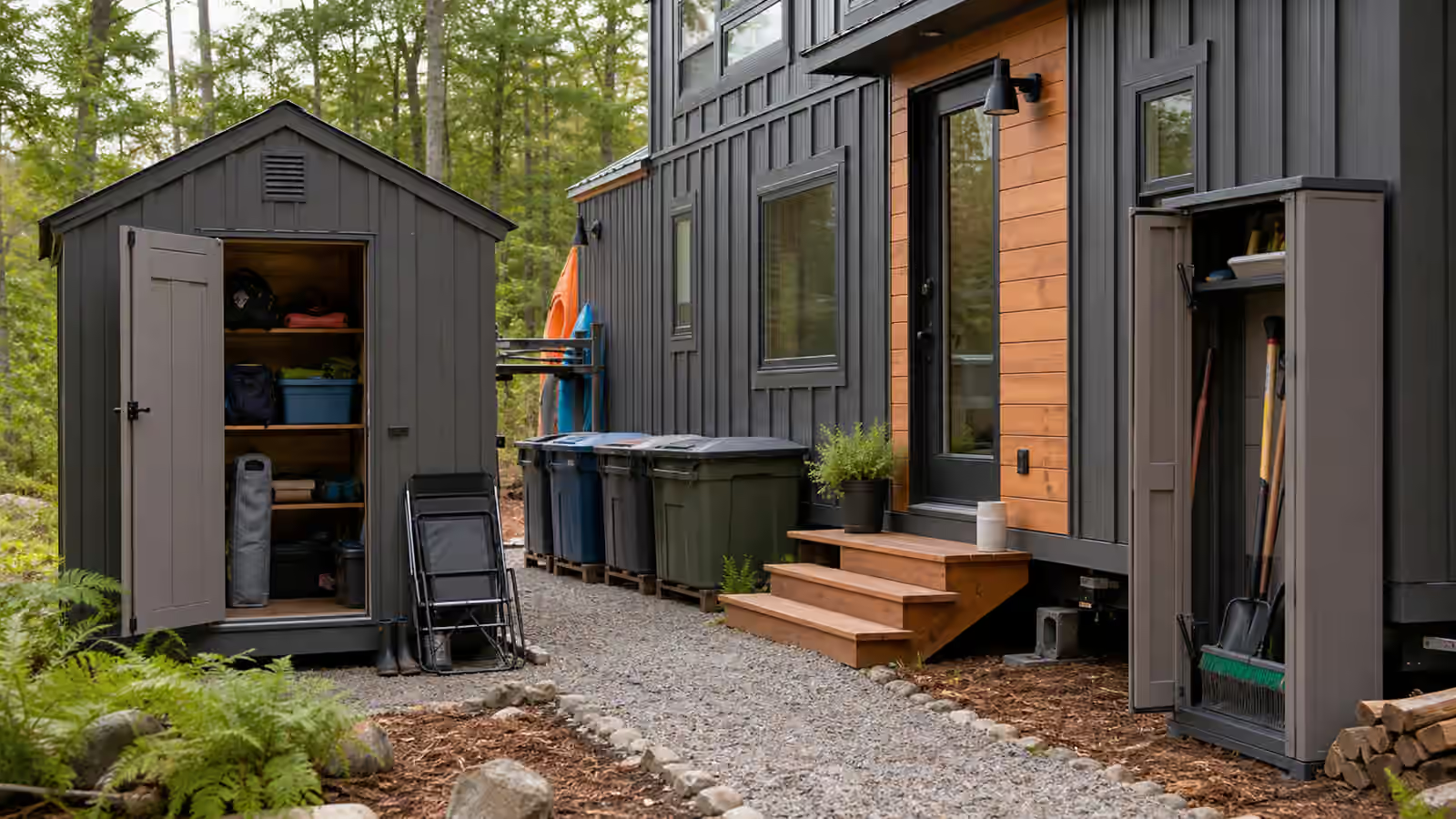
Some Storage Belongs Outside the Shell
A tiny home can be designed with excellent cabinets, toe-kick drawers, loft cubbies, and wall storage, but some belongings simply do not belong inside the conditioned space. Muddy tools, fuel containers where allowed and appropriate, garden supplies, seasonal chairs, spare building materials, outdoor games, hoses, leveling blocks, and bulky sports gear can overwhelm the interior if every item is forced through the front door. Detached storage is not a failure of minimalism. It is often the decision that lets the tiny home stay calm.
This guide extends Tiny Home Storage Planning and Tiny Home Hobby and Outdoor Gear Storage . Those pages focus on fitting life into the home and giving specific gear a place. Here the question is what should live just outside the home, how close it should be, and how to keep it from becoming a damp catch-all that creates new problems.
The best detached storage works like a quiet outbuilding, not a junk drawer with a roof. It has a job, it respects the site, it protects the items that belong there, and it does not block the systems that keep the tiny home serviceable.
Decide What the Shed Is For Before Buying It
Small sheds are tempting because they promise instant relief. The danger is buying volume before naming the storage problem. A shed for garden tools needs different access than a cabinet for water filters. A bike and paddleboard shed needs length. A winter gear locker needs drying airflow. A utility cabinet near the home needs weather protection, clearances, and a path for hoses or cords that does not create a trip line.
Start with the items that repeatedly disrupt the home. Notice what lands by the door, what blocks the shower, what lives under the bed even though it is dirty, and what gets damaged because there is no better place. Then separate those items by condition. Wet items need airflow. Valuable items need security and dryness. Tools need reach. Seasonal items can live farther away. Hazardous or regulated materials require extra caution and may not belong near the dwelling at all, depending on local rules and product instructions.
Once the job is clear, size becomes more honest. A tiny shed that perfectly holds outdoor chairs, a broom, and leveling blocks may be better than a larger one that invites random overflow. A narrow wall cabinet near the entry may solve daily clutter better than a shed at the back of the lot. Storage should reduce friction, not create a second house full of deferred decisions.
Keep Detached Storage Close Enough to Use
Distance determines behavior. If the shed is too far from the door, everyday items will not return to it in bad weather. If the utility cabinet requires stepping through mud, the hose will stay coiled on the porch. If the bike shed is hidden behind a gate that sticks, the bike may migrate inside. A storage solution only works when the route to it is easier than the clutter habit it is replacing.
The path matters as much as the container. Gravel, pavers, a small landing, or a covered edge can make outdoor storage usable in rain and snow. Lighting may be necessary if the storage is used after dark. Door swing should not collide with steps, skirting, propane access, or garden beds. If the shed sits close to the tiny home, make sure it does not trap water against siding, block airflow under the home, or create a narrow leaf-filled gap that nobody can clean.
The Tiny Home Entry, Mudroom, and Drop Zone guide covers the inside threshold. Detached storage is the outside half of the same idea. The most successful setups let a person arrive, put outdoor items away before they enter, and still keep the door area open enough for groceries, guests, and daily movement.
Do Not Block the Systems You Need to Reach
Tiny home sites often have many service points in a small area: water shutoffs, filters, electrical connections, propane equipment where used, sewer or septic access, trailer components, anchors, skirting panels, vents, cleanouts, and drainage paths. Detached storage should never make those systems harder to inspect. A cabinet that hides a shutoff may look tidy until a leak turns it into an obstacle.
Before placing a shed or utility box, walk through ordinary maintenance. Can you reach the water connection with a flashlight? Can a service person open the relevant panel? Can skirting be removed? Can the home be re-leveled? Can roof runoff leave the area? Can pests be noticed before they settle in? Tiny Home Service Access and Shutoff Mapping is a useful companion because it treats hidden systems as part of daily safety rather than as background.
Detached storage also changes airflow. A shed pushed tight against the home can create a damp pocket. A cabinet over a vent can affect drying. Stacked bins under a trailer can interfere with inspection and invite nesting. Outdoor storage should support the home, not conceal the parts that need attention.
Build for Weather, Not Just Organization
Outdoor storage sees harsher conditions than interior cabinets. Rain blows sideways. Snow piles against doors. Sun cracks plastic. Wind tests light lids. Soil moisture rises from below. Insects find gaps. A shed or cabinet that looks tidy in the first week may disappoint if it sits directly on wet ground or lacks ventilation.
Raise storage off soil where appropriate. Let the base drain. Use materials that tolerate the local climate. Think about door thresholds and whether water can blow under them. Ventilation is useful for damp tools and gear, but it should not invite driven rain. Clear roof edges and gutters matter on small outbuildings too, because water falling at the door quickly turns the storage path into mud.
Interior organization should match the weather reality. Items that can rust should not sit on the floor. Fabric gear should be dry before storage. Cardboard boxes are rarely a long-term exterior storage system. Transparent bins can help visibility, but they can also degrade in sun and trap condensation if packed damp. The storage container does not remove the need for judgment about what goes inside.
Security and Visibility Should Be Proportional
Detached storage changes what is visible from outside. A neat shed can make the site feel more settled. A row of random bins can make it feel temporary and exposed. A cabinet full of tools may need a better lock than a box of garden gloves. Outdoor gear may attract attention if it is left in view, but sealing everything behind heavy doors can make daily use annoying.
The right security level depends on the site, the items, and how often they are used. A private rural parcel has different needs from a shared tiny home village or an urban backyard. Avoid turning security into a promise that no storage system can keep. The practical aim is to make valuable items less visible, keep doors and lids from blowing open, and choose hardware that fits the risk without making the storage frustrating.
Visibility also helps maintenance. A shed that hides every corner may conceal leaks or pests. A small gap below a cabinet can show whether water is pooling. A door that opens fully lets you see the back wall. The Tiny Home Privacy and Security Planning guide covers broader site awareness, and detached storage should fit that same calm, observable approach.
Let Outdoor Storage Protect Indoor Space
The measure of detached storage is not how much it holds. It is what it gives back to the home. If the shed absorbs rarely used clutter but the entry remains blocked, the plan has not solved the daily problem. If the utility cabinet hides hoses but makes shutoffs hard to reach, it has traded one irritation for a risk. If the outdoor gear shed is so full that nothing can be removed without unloading it, the interior will still become the overflow zone.
Review the arrangement after a season. Notice what is used often, what never should have been kept, what stayed damp, and what still migrates inside. Move hooks. Add a shelf. Remove items. Improve the path. Detached storage should evolve with the actual life of the home rather than remain a one-time purchase.
A tiny home feels larger when the right belongings live outside the shell. Not everything needs a heated cabinet and a beautiful bin. Some things need a dry shed, a reachable exterior cabinet, a gravel path, and a habit of returning them before they invade the living room. When detached storage is specific, weather-aware, and service-friendly, it becomes part of the home instead of an apology for not having more square feet.


