Arrival Begins Before the Home Moves
Tiny home delivery is easy to imagine as the last mile of a project. The build is finished, the hauler is scheduled, and the home simply travels from one place to another. In practice, delivery is a design problem that reaches backward into site choice, driveway prep, tree work, pad location, utility layout, and even the shape of the first set of steps. A tiny house may be small once it is parked, but it can behave like a long, tall, awkward load while it is moving.
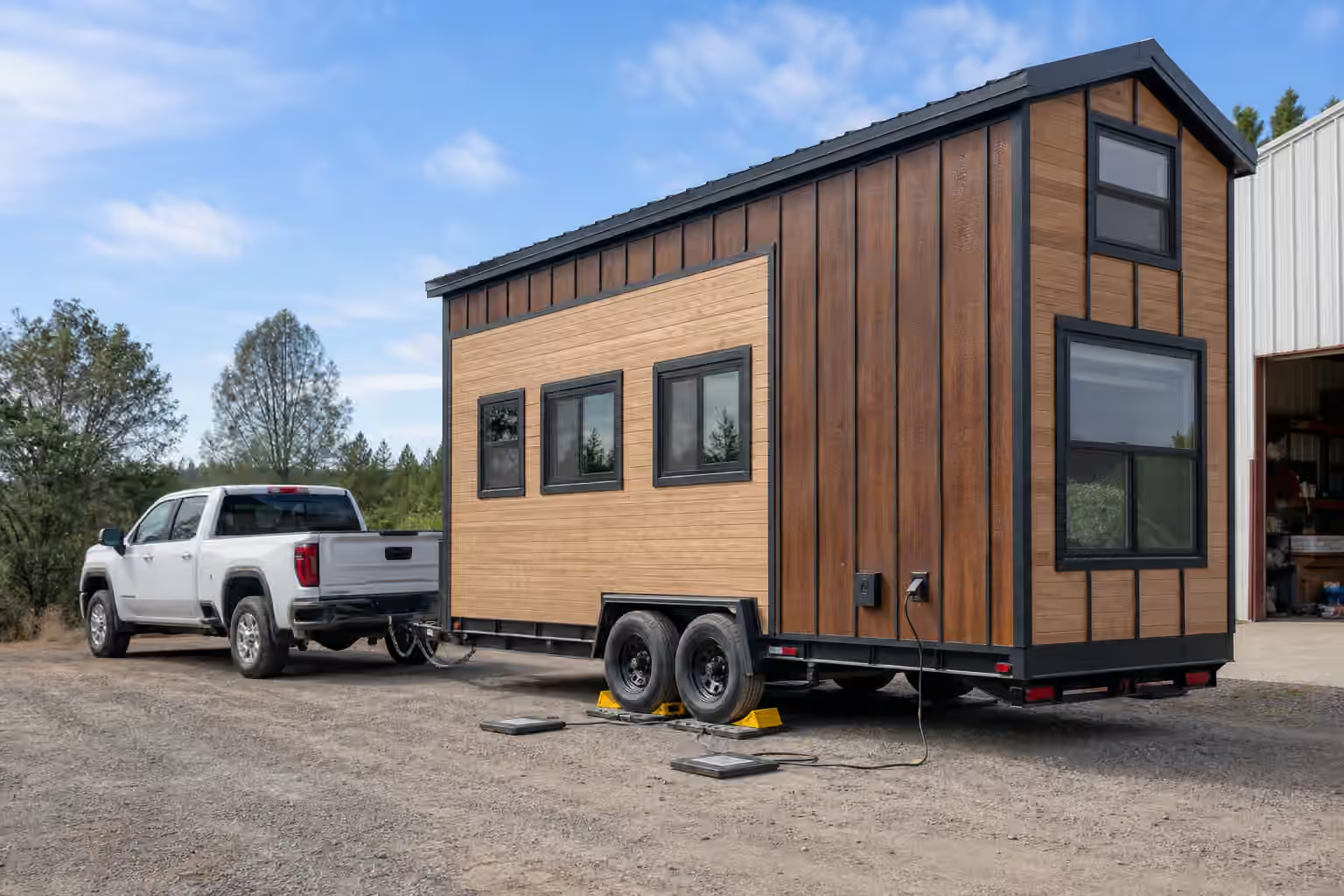
This guide narrows in on the route and turnaround decisions that are only touched briefly in Tiny Home Site Prep and Setup and Tiny Home Weight, Balance, and Towing Readiness . The goal is not to replace a professional driver, mover, or local permit process. The goal is to prepare the property so the delivery team can do ordinary work instead of solving avoidable problems while the home is already hanging over a ditch or blocking a road.
The most useful mindset is simple: the house needs a path, not just a destination. A beautiful pad that can only be reached by luck is not ready. A driveway that works for a pickup may still fail a tiny home. A gate that feels wide when you walk through it may be narrow once mirrors, roof overhangs, trailer swing, and a shallow ditch are included. Good delivery planning replaces guesses with a slow, physical reading of the route.
Walk the Route as a Trailer, Not a Person
The first survey should be done on foot, but not with pedestrian eyes. Stand where the tow vehicle will enter. Look at the route from the height and width of the load. Notice the inside of each turn, the outside of each turn, the shoulder strength, the overhead branches, the slope changes, the crown of the road, and every place where a wheel could leave firm ground. A person walking a driveway naturally follows the cleanest line. A trailer follows the tow vehicle with a delay and cuts corners differently.
Long loads need sweep space. The front of the tow vehicle may clear a tree while the rear corner of the tiny home takes a wider arc. The inside wheels may pass over gravel while the outside body hangs close to a fence. If the home is tall, roof edges and clerestory windows can meet branches that nobody notices from the ground. If the route has a dip, the hitch and rear bumper can change angle enough to scrape even when the road looks flat from a distance.
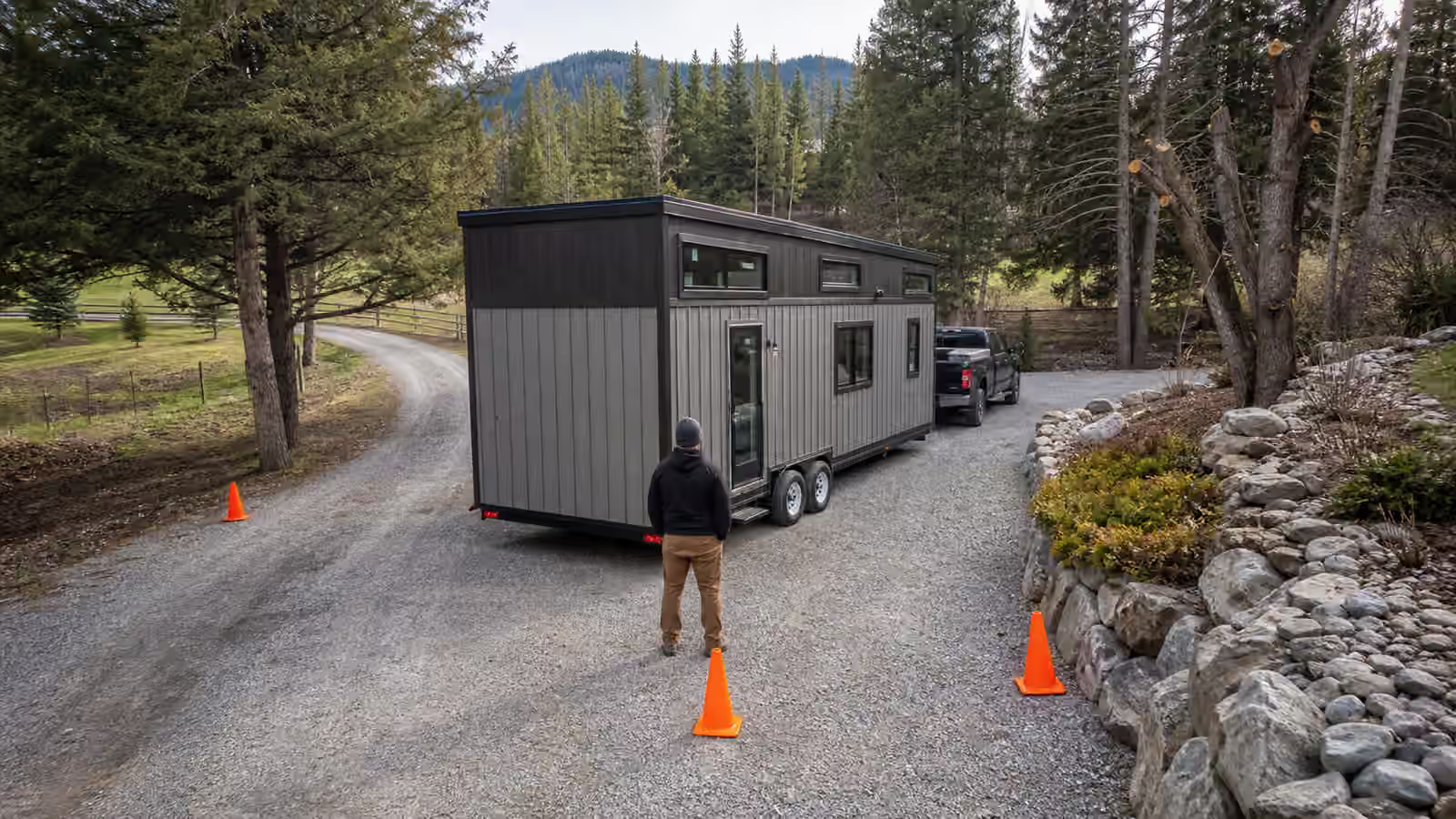
Photos help, but they can flatten the problem. A short video walking the route in both directions is often more useful because it captures transitions. Better still, mark the route on the ground with cones, buckets, or scrap lumber and discuss it with the person who will actually deliver the home. The driver may ask for a different approach, a wider swing, a temporary removal, or a staging point where the home can be paused before the final backing move.
Turnarounds Are Part of the Site, Not a Bonus
A tiny home does not only need to get in. The tow vehicle usually needs to leave. That sounds obvious until the pad is placed at the end of a narrow lane with no way to turn around and no safe backing path out. A driver may be able to back a trailer impressively far, but building a plan around maximum driver skill is not the same as preparing a site.
The best turnaround is generous, firm, and boring. It gives the tow vehicle room to make a clean exit without driving over soft soil, drainage edges, septic areas, gardens, or buried utility lines. If a full turnaround is not possible, the next best plan is a deliberate backing route with enough straight alignment, clear sight lines, and stable shoulders. Tight three-point turns on wet grass create risk for the home, the vehicle, and the property.
Turnaround planning also affects the final orientation of the house. A pad may seem perfect until the only workable delivery line points the door toward the wrong side or forces utility hookups into a cramped corner. If the tiny home must be backed into place, think about where the hitch ends, where the wheels need support, and whether the driver can see the spotter. A small shift in pad location can make the difference between a calm set and a tense one.
Overhead Clearance Needs More Than a Number
Height is one of the easiest measurements to record and one of the easiest to misuse. A tiny house on wheels has a height at rest, but during delivery it moves over slopes, dips, crowns, and uneven shoulders. A roof that clears a branch on level ground may not clear it when the trailer tilts. Utility lines, tree limbs, gate headers, carport edges, and low eaves should be considered with margin, not with the exact clearance that happens to fit on paper.
Tree trimming should happen before delivery day, not with the house waiting in the lane. Freshly cut limbs should be removed from the route, and the ground below them should be checked for stumps, rocks, or soft spots left by the work. Overhead wires need special caution. Do not assume they can be lifted, moved, or brushed aside. If a line creates a concern, the responsible utility or qualified professional should be involved rather than improvising with poles or ladders.
Clearance also includes the side profile. Branches that do not touch the roof can still scratch siding, damage gutters, snag exterior lights, or scrape window trim. The Tiny Home Exterior Envelope, Siding, and Roofing guide focuses on durable finishes once the home is built. Delivery planning protects those finishes before the first night on site.
Weather Changes the Route
A route that works in dry weather may become useless after rain. Grass shoulders soften, gravel loosens, clay turns slick, and small ditches become wider in practice because drivers avoid the wet edge. Delivery schedules often sit at the mercy of build completion, hauler availability, and personal plans, but the site should still have a weather threshold. If the ground is too soft to support the truck and trailer, forcing the move can leave ruts, stuck equipment, or a home parked short of its pad.
Prepare the route for the weather you are likely to get, not the weather you hope for. Gravel should be deep and compact enough where wheels need to travel. Drainage should keep water from crossing the final approach. Temporary mats or plates may be worth discussing for marginal sites, especially where a short soft section separates a good driveway from a good pad. If the delivery must happen in winter, think about snow storage, ice, frozen ruts, and whether the driver can see the actual edges of the road.
Wind matters too. A tiny home has broad sides and can feel different from a low utility trailer. Exposed roads, bridges, open fields, and mountain passes may affect the delivery plan long before the home reaches the property. The site owner does not control every mile, but they can avoid adding a difficult final approach at the end of an already demanding trip.
Stage the Final Hour
The final hour of delivery should have fewer people and clearer roles than most owners expect. Extra spectators make tight work harder. Parked cars block swing space. Curious neighbors stand where a driver needs a sight line. A good delivery day feels almost quiet because the work was arranged in advance.
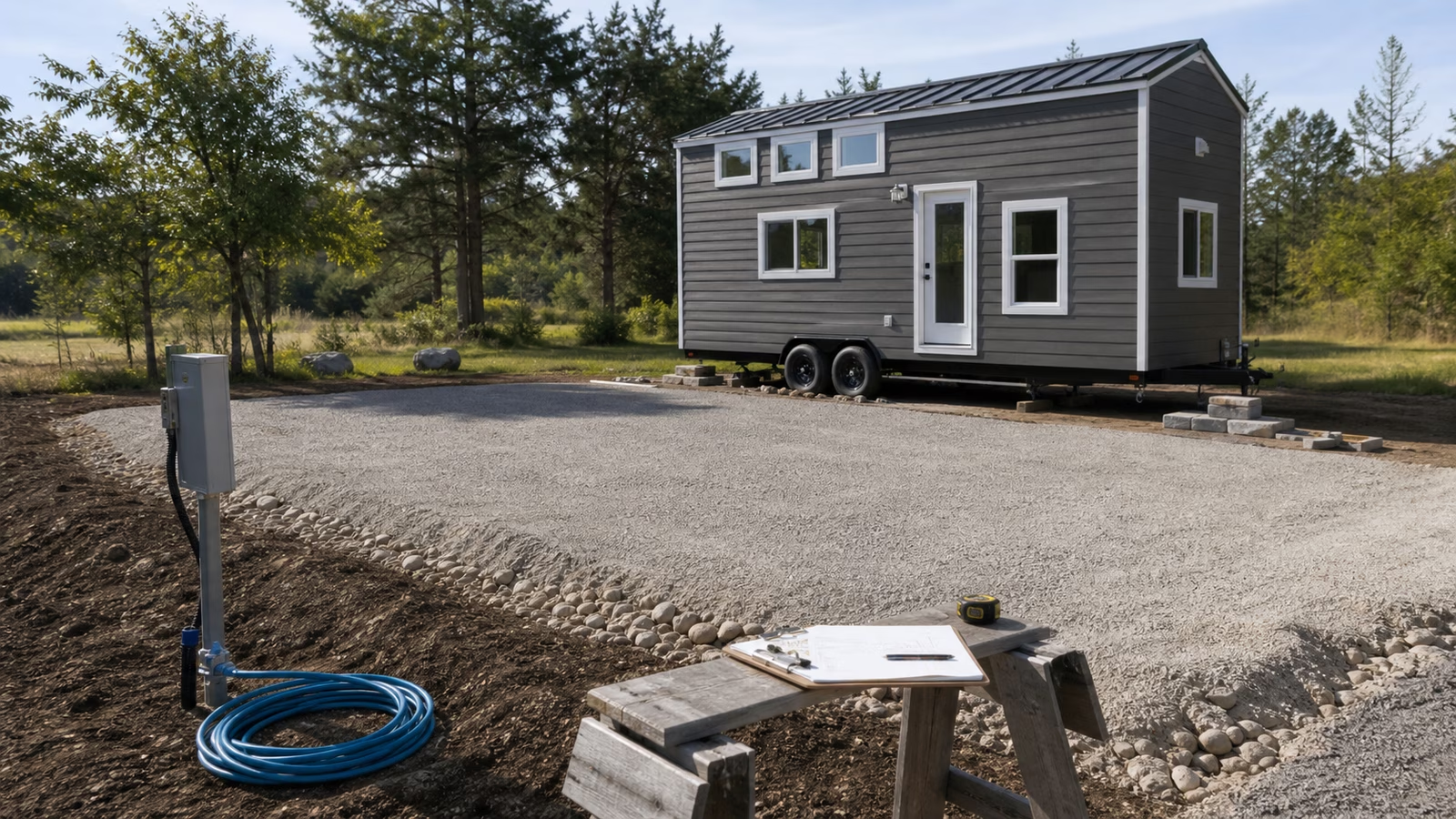
Decide where vehicles will park, where the home can pause, who will speak to the driver, who will watch overhead clearance, and who will keep pets, children, and visitors out of the path. Keep the pad clear of tools, lumber, hoses, loose blocks, and decorative items. If leveling blocks, stands, or other setup materials are needed, stage them where they can be reached without crossing under the moving home.
Communication should be simple. One primary contact is better than several people giving instructions at once. A spotter should use agreed signals and stay visible. Phones are useful, but they should not replace visual coordination when backing or turning. If the delivery team has its own procedure, follow it. The owner knows the property, but the driver knows the load.
Connect Delivery to the First Week
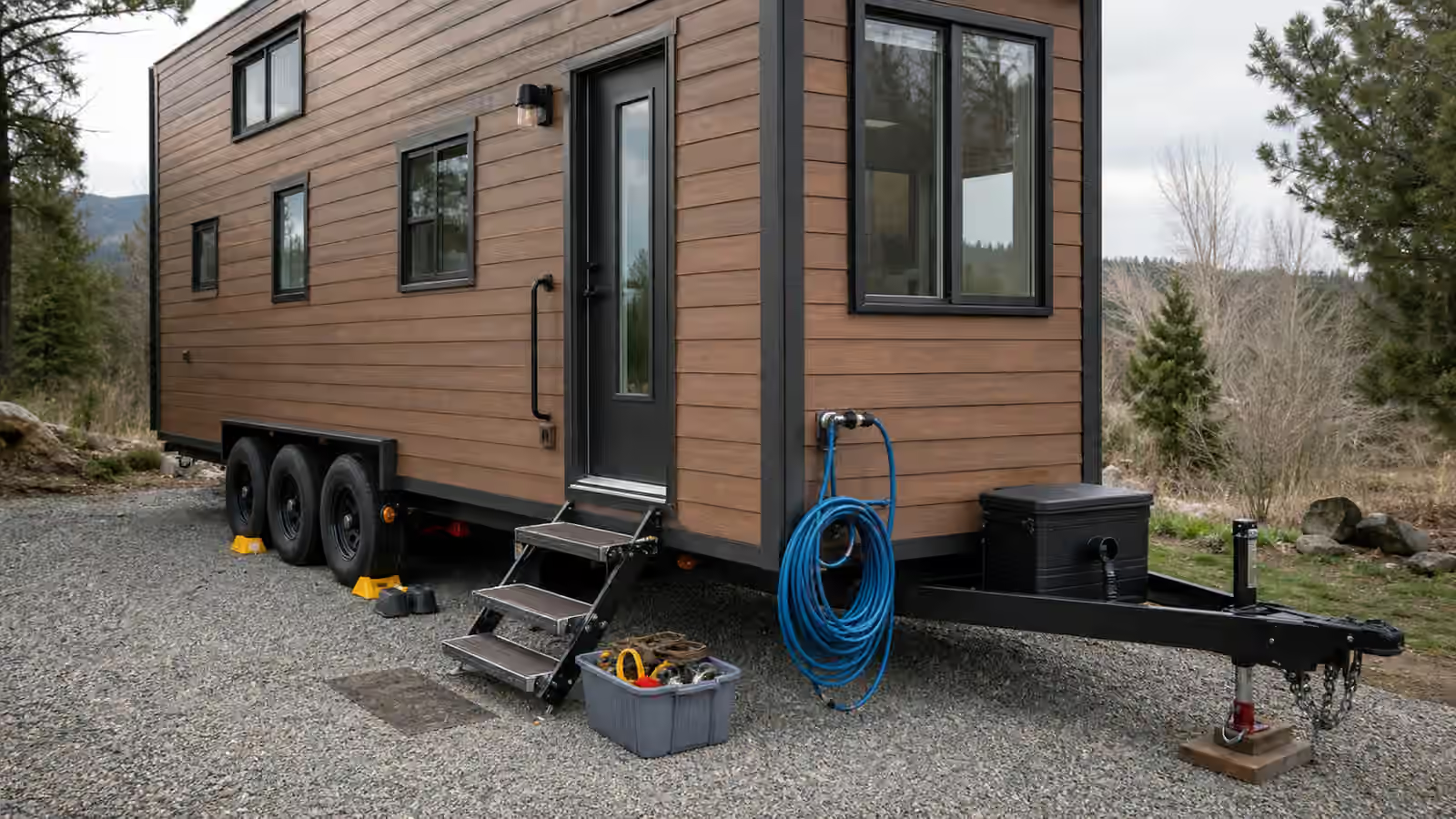
Delivery does not end when the wheels stop. The position of the home should support the first week of setup. Can the steps be placed safely without blocking the hitch, stabilizers, or service panels? Can water, power, and drain lines reach without crossing the main walking path? Can roof runoff be directed away before the first storm? Can the tow vehicle leave without disturbing fresh leveling work?
This is where delivery planning connects to Tiny Home Foundation and Anchoring , Tiny Home Service Access and Shutoff Mapping , and Tiny Home Travel Day Readiness . The arrival route, the support plan, and the utility layout should be drawn together, even if the drawing is only a marked-up site photo. A tiny home that lands cleanly but blocks every later task has only moved the problem.
A well-planned delivery feels uneventful. The route is clear. The turn is understood. The branches are gone. The pad is firm. The people on site know where to stand and when to step back. That calm is not luck. It is the result of treating access as part of the home itself.