Flexible Furniture Has to Be Easy on a Tired Day
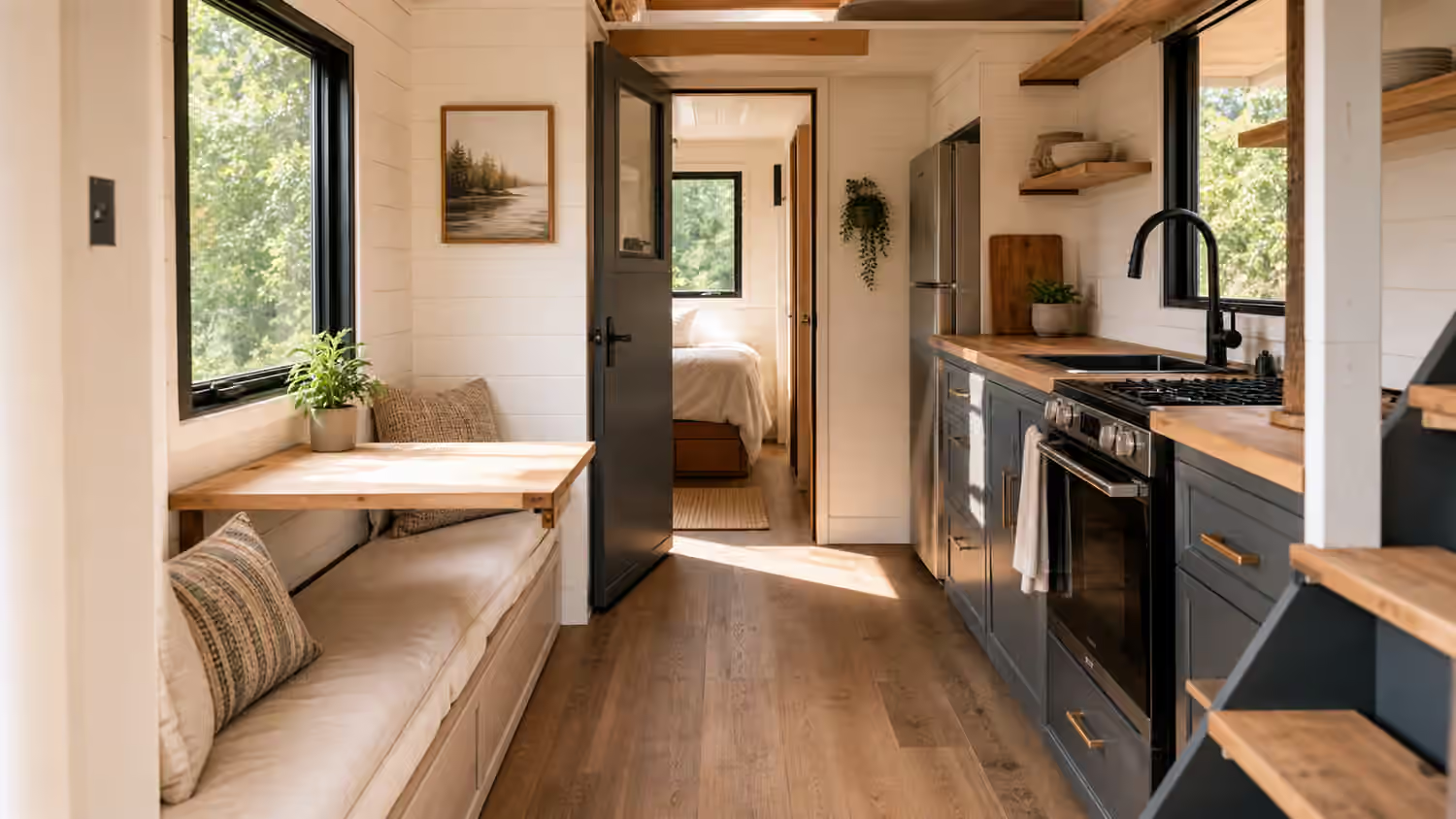
Convertible furniture is one of the promises of tiny living. A bench becomes storage. A table folds from the wall. A bed disappears. A step hides drawers. A work surface becomes a dinner table. These ideas can make a small home feel generous, but only when they work with daily routines instead of turning every activity into a furniture project.
The strongest built-ins are not theatrical. They are quiet, reachable, and predictable. They let the room change without forcing the resident to move five objects before breakfast or fold away a desk before sleep. This guide belongs beside Tiny Home Storage Planning , Tiny Home Interior Design , Tiny Home Workspace Planning , and Tiny Home Sleeping Layouts because convertible furniture is where layout, storage, and habits meet.
Design the Routine, Not the Mechanism
The mechanism is the tempting part. Hinges, sliders, lift hardware, Murphy beds, nesting stools, and folding leaves all look clever in isolation. The useful question is more ordinary: what has to move before the furniture can do its job? A fold-down table fails if the wall below it becomes the mail pile. A storage bench fails if every cushion has to be stacked on the floor to reach a coat. A wall bed fails if the bedding has no place to go and the floor must be cleared every night.
A good design starts by walking through the day. Someone wakes, makes coffee, opens a laptop, eats lunch, folds laundry, welcomes a guest, stretches, cooks, and goes to bed. Which surfaces are needed at each moment? Which objects are still on those surfaces when the room changes? Which pieces can stay out because they are used constantly? Which pieces deserve a dedicated home because they only appear once a week?
This routine-first thinking keeps the room from becoming a puzzle. A tiny home can ask for a little participation from its resident, but it should not demand choreography for basic comfort. The best convertible furniture changes state in a few natural motions and leaves an obvious place for the things displaced by that change.
Built-Ins Should Earn the Space They Occupy
Built-ins are powerful because they use wall depth, under-seat volume, stair cavities, and awkward corners more efficiently than loose furniture can. They can also become permanent mistakes. A built-in bench that is too deep for comfortable sitting, a cabinet that blocks a service panel, or a fixed desk in the only good place for a future bed can make the home less adaptable.
Every built-in should earn its permanence. It should solve a real routine, use otherwise difficult space, or add structure that loose furniture could not provide. A dining bench with drawers may be worthwhile if it replaces a dresser and supports guests. A built-in desk may be worthwhile if remote work is central to the household. A window seat may be worthwhile if it combines seating, daylight, and seasonal storage. A built-in that exists only because the floor plan had a blank wall may be too rigid.
Service access belongs in this decision. Tiny homes hide plumbing, electrical gear, batteries, pumps, valves, and filters inside furniture more often than larger houses do. A bench that covers a water pump should open easily and leave enough room to work. A stair drawer should not trap a shutoff behind stored shoes. A wall bed should not cover the only route to an electrical panel. Pair this page with Tiny Home Water Systems and Tiny Home Electrical Planning before finalizing built-ins around mechanical spaces.
Clearances Decide Whether Flexibility Feels Real
Convertible furniture needs two footprints: the stored footprint and the active footprint. Drawings often celebrate the stored footprint because it makes the room look open. Daily life happens in the active footprint. A table leaf needs knee room. A wall bed needs floor space. A drawer needs space to pull. A storage lid needs room to lift. A chair needs space behind it. If those active clearances overlap badly, the room feels flexible only when it is empty.
The most useful exercise is to draw the open positions at the same time. Show the bed down, the table open, the drawer pulled, the fridge door swung, and the bathroom door moving. Then imagine two people crossing paths. A tiny home does not need all functions open at once, but it does need likely overlaps to work. Breakfast may happen while the bed is still down. A desk may stay open during dinner. A drawer may need to open while someone is cooking.
Clearance is also emotional. A room that technically works but forces people to squeeze sideways all day will feel smaller than it is. Leaving one reliable standing zone, one uncluttered walking route, and one surface that does not have to transform can make a compact plan feel calmer. Design Principles covers the broader idea of visual and physical breathing room. Convertible furniture should protect that breathing room, not consume it.
Hardware, Weight, and Wear Are Part of the Design
Moving furniture lives or dies by hardware. Hinges, slides, gas struts, latches, catches, bed mechanisms, and lift supports have to carry real weight through repeated use. A fold-down table that sags after a season becomes clutter. A drawer slide that cannot handle heavy tools becomes a jammed box. A latch that rattles during travel becomes a sound problem. A bed mechanism that requires a heroic lift will not be used gracefully.
Choose hardware with maintenance in mind. Screws should be reachable. Hinges should be adjustable or replaceable. Moving parts should not be buried behind trim. If the home travels, latches must handle vibration and road movement. If the furniture carries people, use structure that respects the load rather than relying on decorative panels. If a component is unusual, keep the manual and part information with the home records described in Tiny Home Insurance and Documentation Readiness .
Materials matter too. Soft pine can dent around drawer pulls. Painted surfaces can chip where furniture folds daily. Upholstery can trap dust in storage benches. Heavy plywood can add more weight than expected. The guide to Tiny Home Interior Finish Materials is useful because a convertible part is both furniture and finish. It gets touched, moved, leaned on, and repaired.
Storage Should Not Become a Treasure Hunt
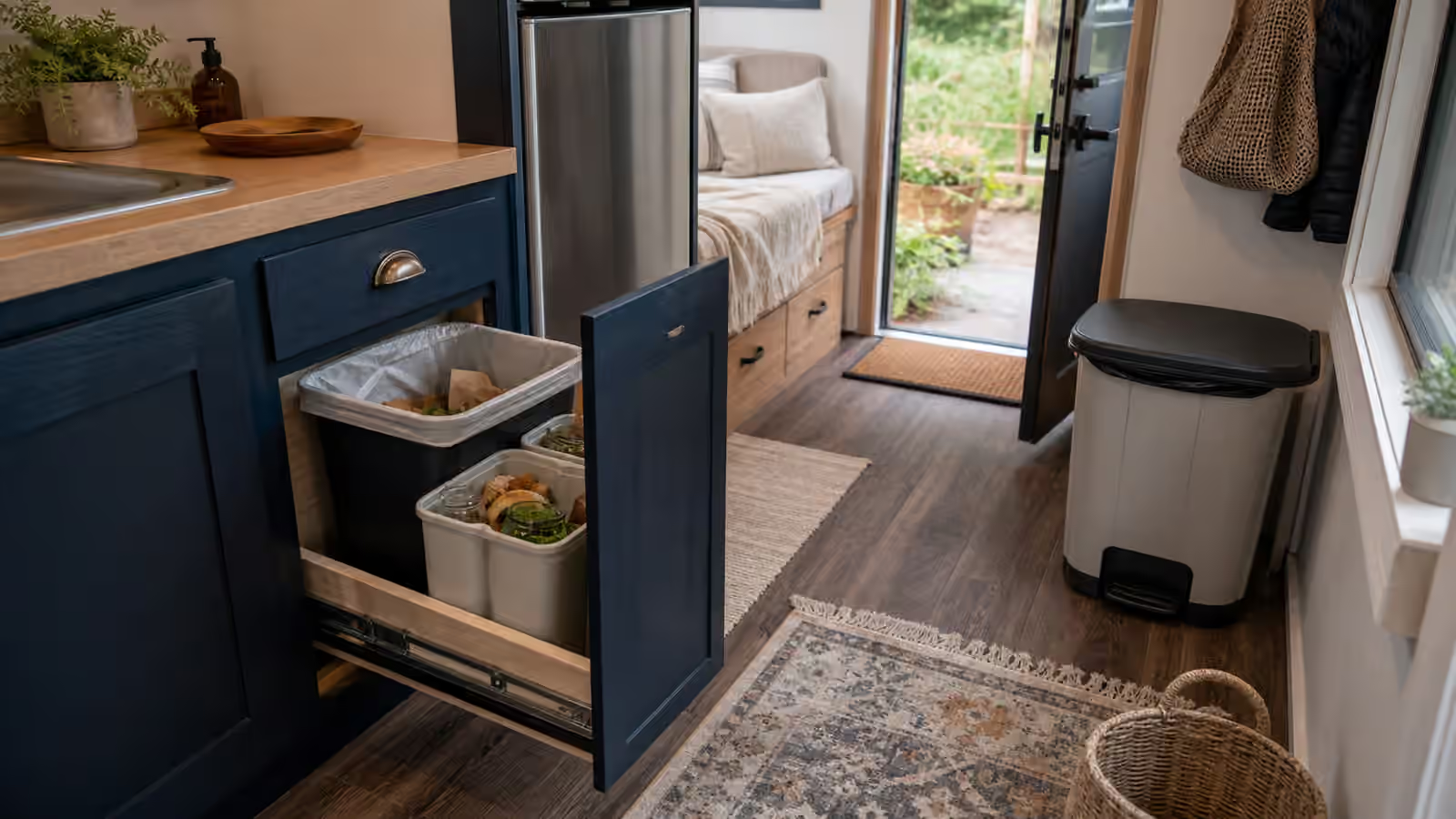
Convertible furniture often adds hidden storage, but hidden storage has a cost. If every useful object is behind a cushion, under a bed, or inside a stair, the home may hold a lot and still feel hard to use. The best storage separates daily objects from occasional objects. Daily objects should open with one hand, at comfortable height, near the place they are used. Occasional objects can live deeper, lower, higher, or behind a more involved access panel.
A bench can hold seasonal bedding while a shallow drawer near the entry holds keys and dog leashes. A wall bed can hide linens while a bedside shelf holds the book and glasses used every night. A folding table can store flat against the wall while plates and cups stay in a nearby cabinet that does not depend on the table’s position. The point is not to fill every cavity. It is to make the most frequent gestures easy.
Labels, clear bins, and simple categories help without turning the home into a display. If a storage compartment is hard to remember, it will either be ignored or become a place for things the owner does not really need. A smaller amount of reachable storage often beats a large amount of clever storage that requires too much memory.
Flexible Does Not Mean Feature-Packed
The most common mistake is asking one piece to do too much. A sofa that becomes a bed, desk, dining bench, storage trunk, guest bed, pet platform, and utility cover may sound efficient, but each role can weaken the others. Seat height may be wrong for dining. Storage may be blocked when the bed is open. Cushions may become heavy. The utility access may require removing pillows and bedding.
Better flexibility is usually more modest. A bench that seats well and stores one category is useful. A table that folds easily and lands at the right height is useful. A bed that opens without clearing the whole room is useful. A desk that can stay partly set up is useful. Several simple pieces that cooperate often serve better than one complicated centerpiece.
The final test is a normal evening. The resident comes in tired, drops a bag, cooks, eats, answers messages, changes clothes, and goes to sleep. If the furniture supports that rhythm without making the room feel like a stage crew is needed, it belongs. Flexible tiny home furniture should make space available when needed and disappear from attention when it is not. That quiet competence is worth more than a clever mechanism that impresses once and irritates every day after.